Mary Seacole: The Other Nurse of Crimea
She missed Florence Nightingale's team entirely—so she paid her own way to war, built a hotel on a battlefield, and became a legend almost nobody remembered for a hundred years.
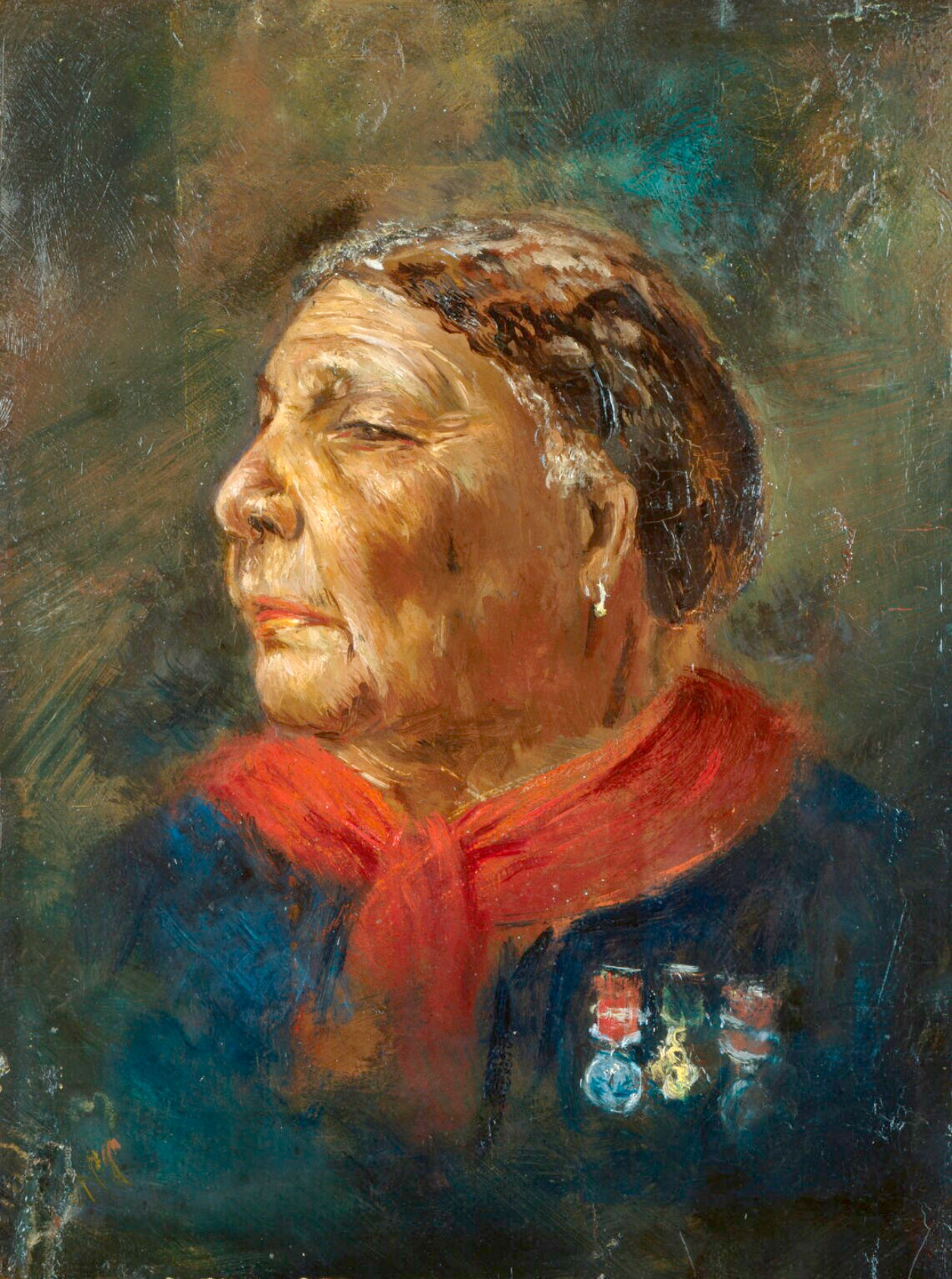
Mary Jane Grant was born on 23 November 1805 in Kingston, Jamaica, into the free Black community of the island. Her mother, known as 'The Doctress,' ran a boarding house called Blundell Hall on East Street and practiced traditional Caribbean and African herbal medicine, treating soldiers and sailors recovering from cholera and yellow fever. Her father, James Grant, was a Scottish lieutenant in the British Army, and Mary would later call herself proudly a Creole, carrying 'good Scots blood' alongside her Black ancestry.
At Blundell Hall, Seacole learned the craft that would define her life: hygiene, ventilation, warmth, hydration, rest, empathy, nutrition, and care for the dying. Her autobiography recounts that she began practicing medicine as a child, first on a doll, then on pets, before assisting her mother with human patients. Combining West African remedies with knowledge absorbed from military doctors who frequented her family's world, she claimed she never lost a mother or child in childbirth—a striking boast in an era when neonatal deaths in Jamaica exceeded a quarter of all births.
As a young woman, Seacole travelled independently at a time when few women did so without chaperones. She visited London around 1821, staying a year among relatives, the merchant Henriques family, and returned later with a stock of West Indian pickles and preserves to sell. Her journeys eventually took her to Panama, where she served prospectors travelling overland during the California Gold Rush.
When the Crimean War broke out, Seacole tried repeatedly to join Florence Nightingale's nursing team, but her informal inquiries came too late—both Nightingale's original team and a subsequent one had already departed by the time she pursued it seriously. Undeterred, she sailed to Crimea in 1855 with a different plan: to establish the 'British Hotel,' offering a mess-table and comfortable quarters for sick and convalescent officers.
The chef Alexis Soyer told her officers didn't need overnight lodging, so Seacole pivoted, turning her venture into a restaurant, bar, and catering business instead. It flourished. She ran it with a business partner, a relative of her late husband, doing brisk trade among officers—including high-ranking figures and the commander of the Turkish forces—until the war's end.
More from People

Frida Kahlo: Painting Through the Pain
An iron handrail pierced a teenage girl's body on a Mexico City street — and out of that wreckage came one of the most searingly honest artists of the twentieth century.

The Ox-Cart and the Snow: Şerife Bacı's Last Road
Somewhere on a frozen road outside Kastamonu, a young mother pressed her body against a quilt to keep her infant warm through the night. By morning, she had become a legend.

Pompey the Great: The Friendship That Broke Rome
He was called 'the teenage butcher' by his enemies and 'the Great' by his mentor — and the empire he helped build would ultimately be the death of him.

The Third Pole: How Hunt, Hillary and Tenzing Conquered Everest
For decades the world's highest mountain had turned back every climber who dared it — sometimes swallowing them whole. In the spring of 1953, one expedition finally reached the point where the sky simply stopped going up.

Two Rivals Under One Roof: Picasso and Matisse
Long before they were named together as the twin poles of modern art, they were simply two names on the walls of the same small Paris gallery — one already known for wild colour, the other not yet known at all.

Fire and Ice: The Borg–McEnroe Rivalry
One man never raised his voice. The other rarely lowered his. Between them they produced two of the greatest matches tennis has ever seen.