Explorations
38 stories. Each one follows a single moment, a single object or a single decision.

Humboldt: The Man Who Measured the World
A Prussian noble's son, once mocked as a sickly child, would climb a volcano to a world-record height and rewrite how humanity understood nature itself.

The Man Who Named Canada
A Breton mariner planted a wooden cross on a foreign shore and claimed a kingdom he did not understand — then spent a winter frozen into its river, praying a stranger's remedy would save his men.

Sixty Ships Into the Unknown: Hanno's Voyage Down the African Coast
A Carthaginian fleet of sixty ships and thousands of settlers vanished past the Pillars of Hercules to found cities on an unmapped coast — and came home with the skins of hairy, hostile 'gorillas' as proof of how far they had gone.

HMS Challenger: The Voyage That Charted the Deep
A stripped-down warship, its guns torn out to make room for microscopes, set sail from Portsmouth to answer a question no one had ever properly asked: what lies at the bottom of the sea?

Scott's Last Expedition: The Letters Written at the End of the World
Five men reached the bottom of the world only to find a Norwegian flag already planted there. What followed was not glory, but a slow, frozen unraveling that the world would remember for a century.

Marco Polo: In the Court of Kublai Khan
A fifteen-year-old boy meets the father he barely knew — and is soon swept toward the richest court on Earth. Twenty-four years later, he returns home with tales so vast that Venice simply calls him 'Mister Millions'.
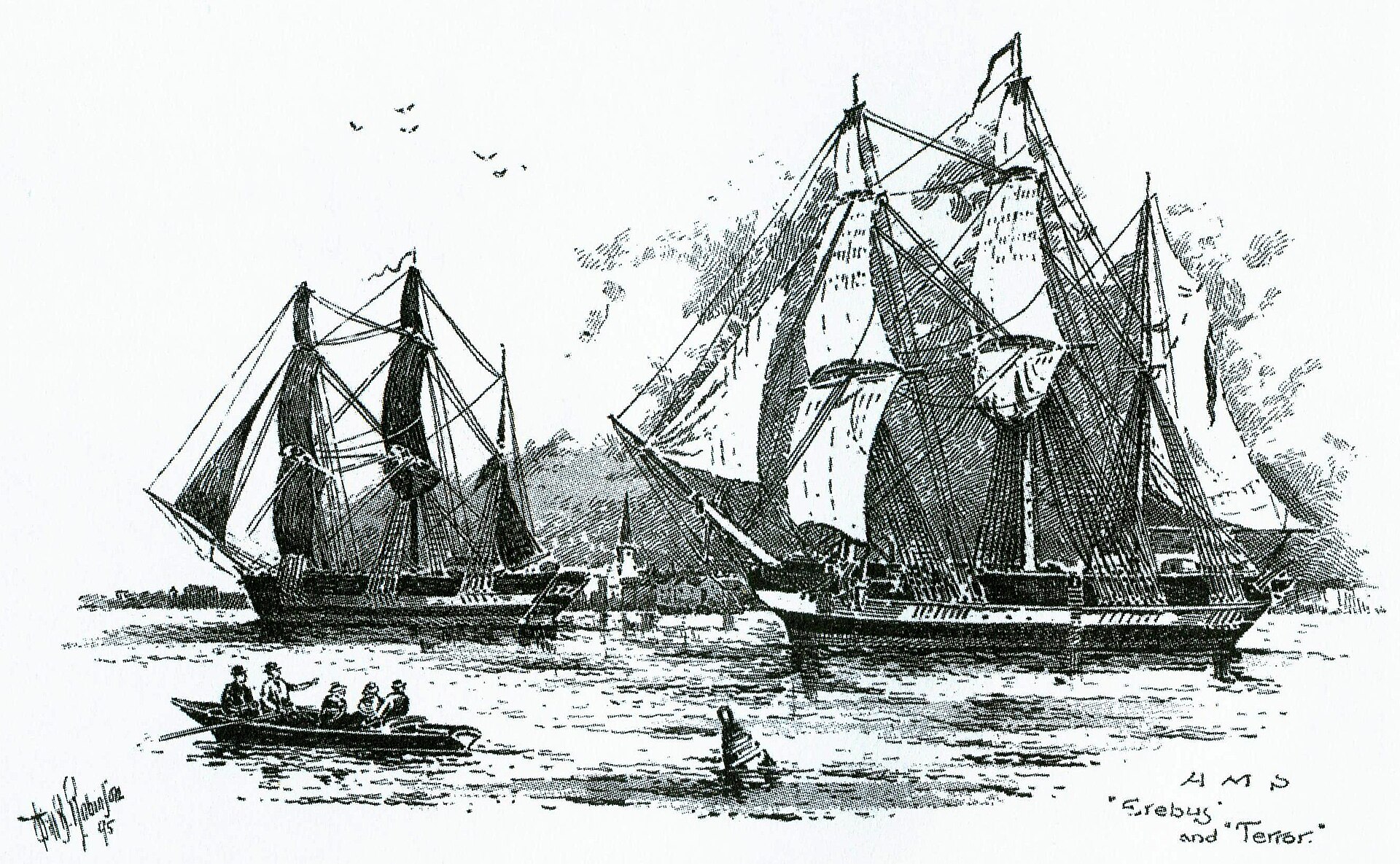
The Ships That Vanished Into the Ice
Two ships, 129 men, and a mission to conquer the last blank space on the map of the Arctic — none of them came home.
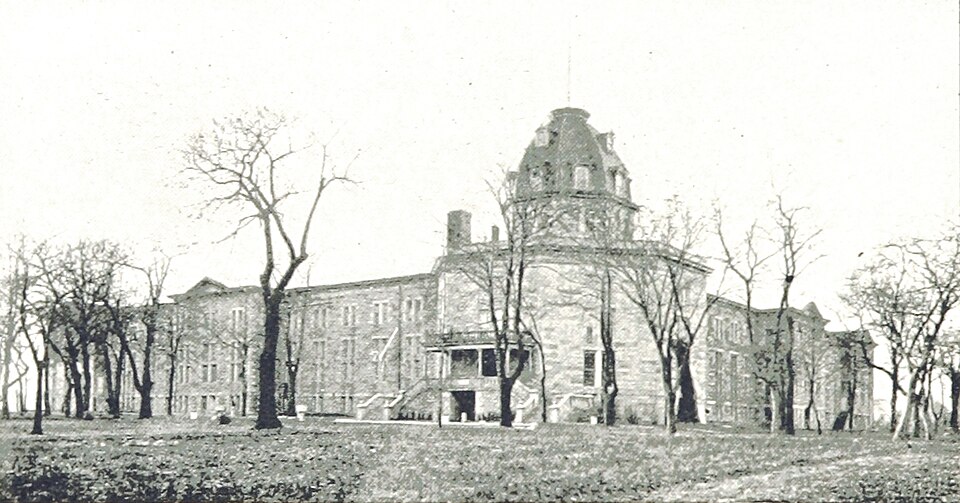
Nellie Bly: The Woman Who Outraced Fiction
She faked madness to expose a horror, then raced a fictional Englishman around the real world — and won.
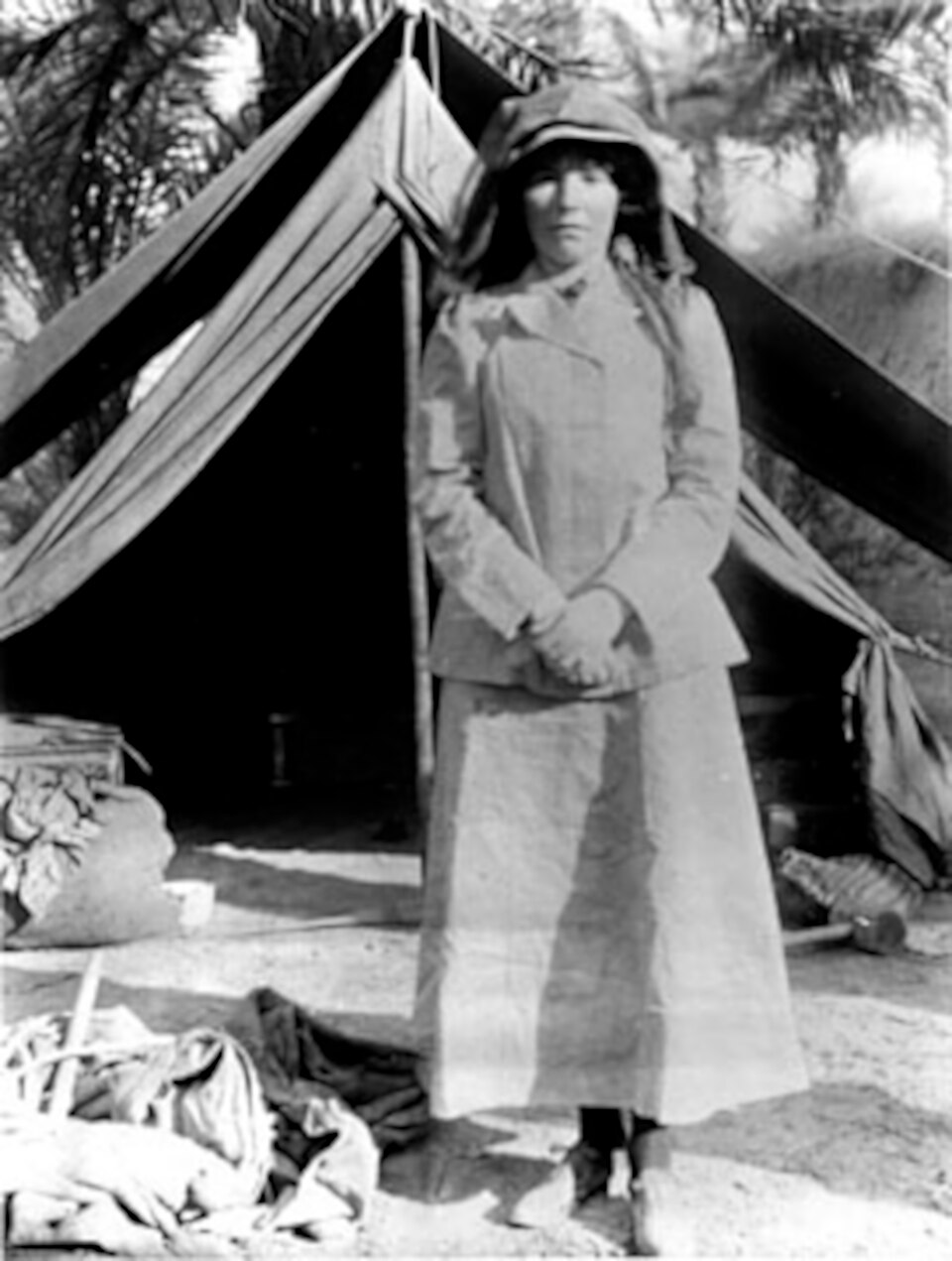
The Woman Who Drew the Desert's Borders
She could out-ride, out-climb, and out-negotiate most men of her era — and then she helped draw the map of the modern Middle East. Who was the Englishwoman the Arabs called 'Queen of the Desert'?
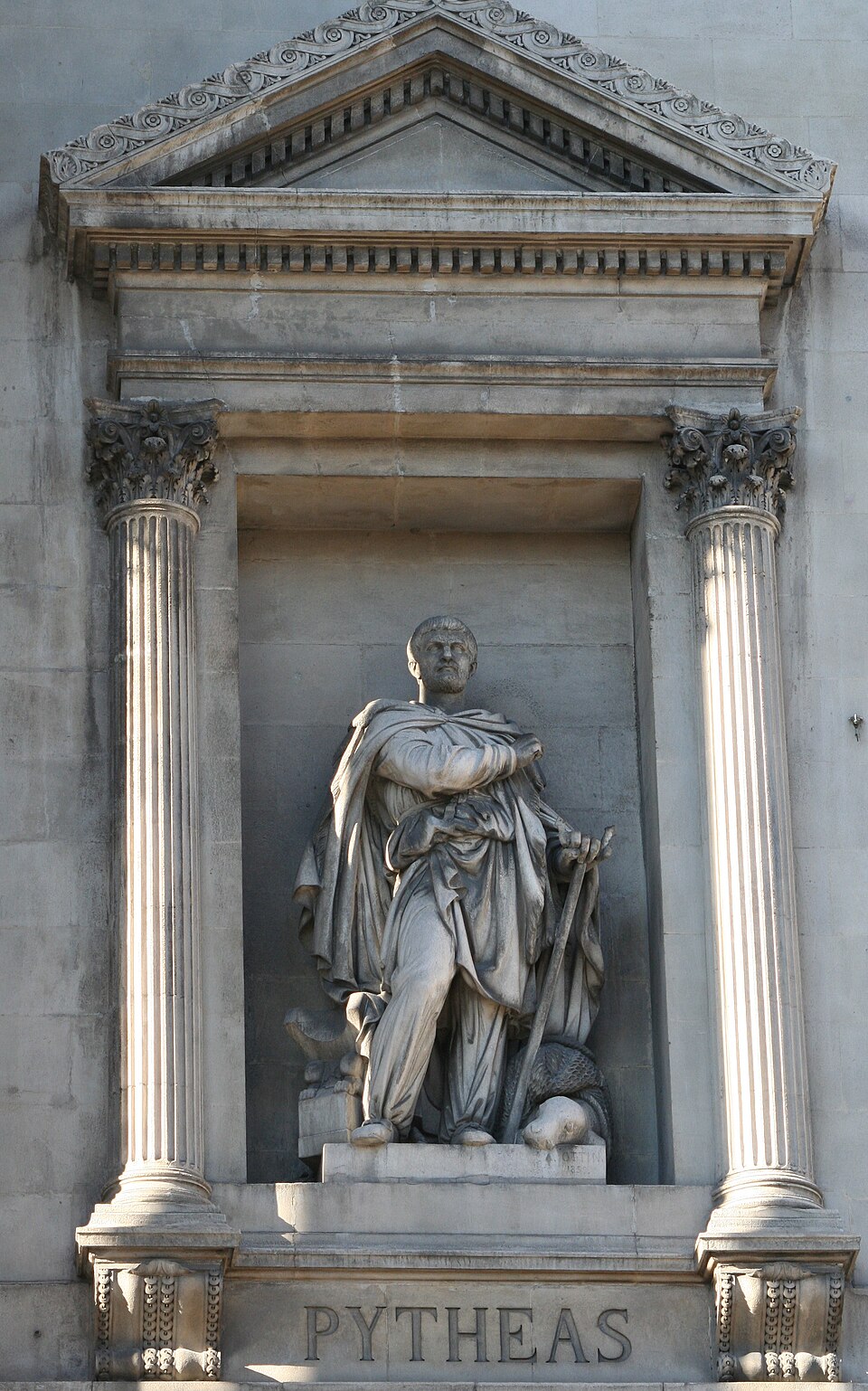
The Greek Who Sailed Off the Edge of the Known World
In about 325 BC, while Alexander the Great was conquering Asia, a lone Greek merchant-scholar slipped past a naval blockade and sailed into a sea no Mediterranean sailor had ever charted. He came back describing a sun that never set — and almost no one believed him.
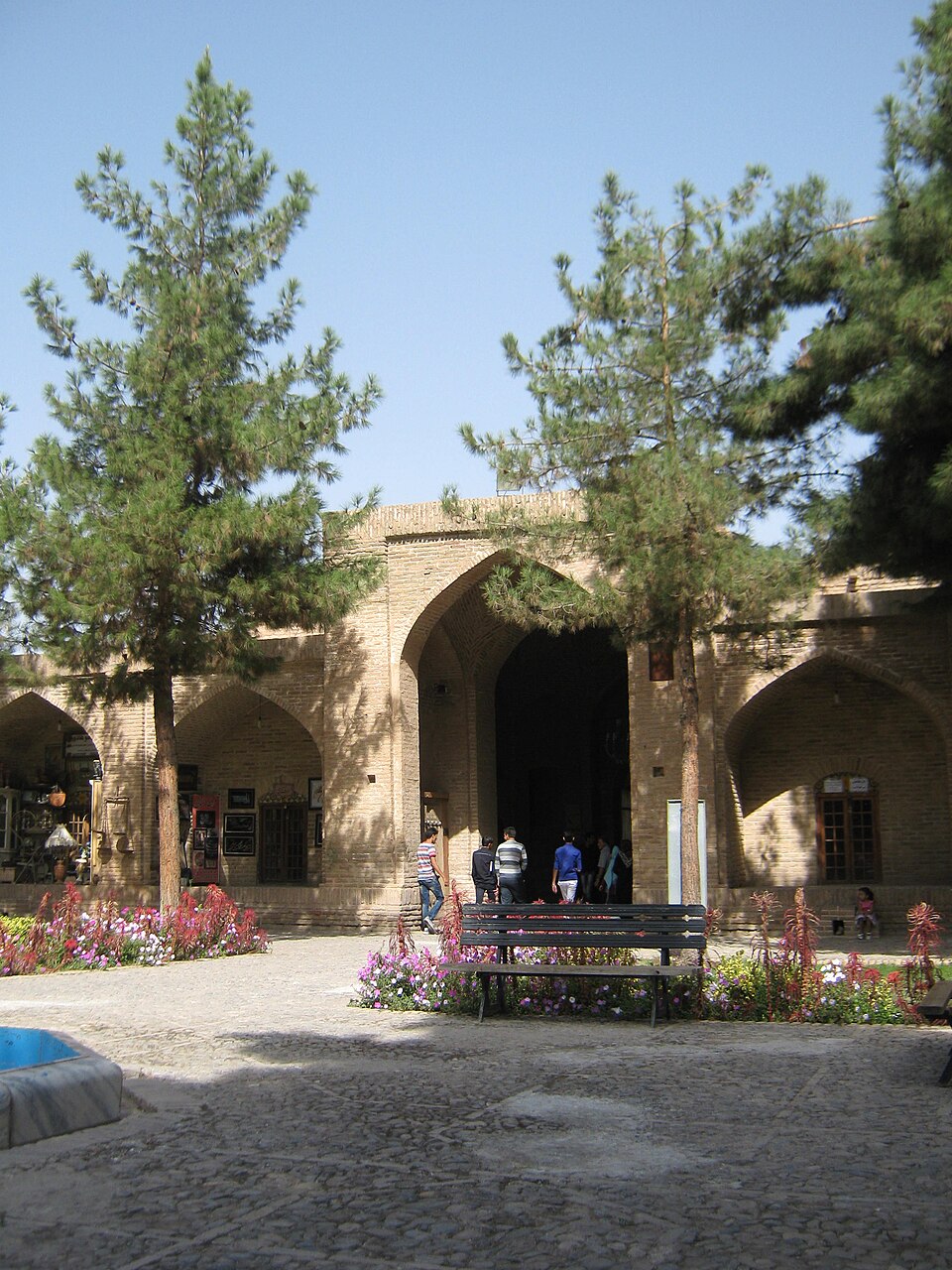
The Long Road of Silk: A Merchant's Eye View
Six thousand miles, a thousand middlemen, and a name coined by a German geographer centuries after the last caravan bell fell silent — this is the road that never truly existed as one road at all.
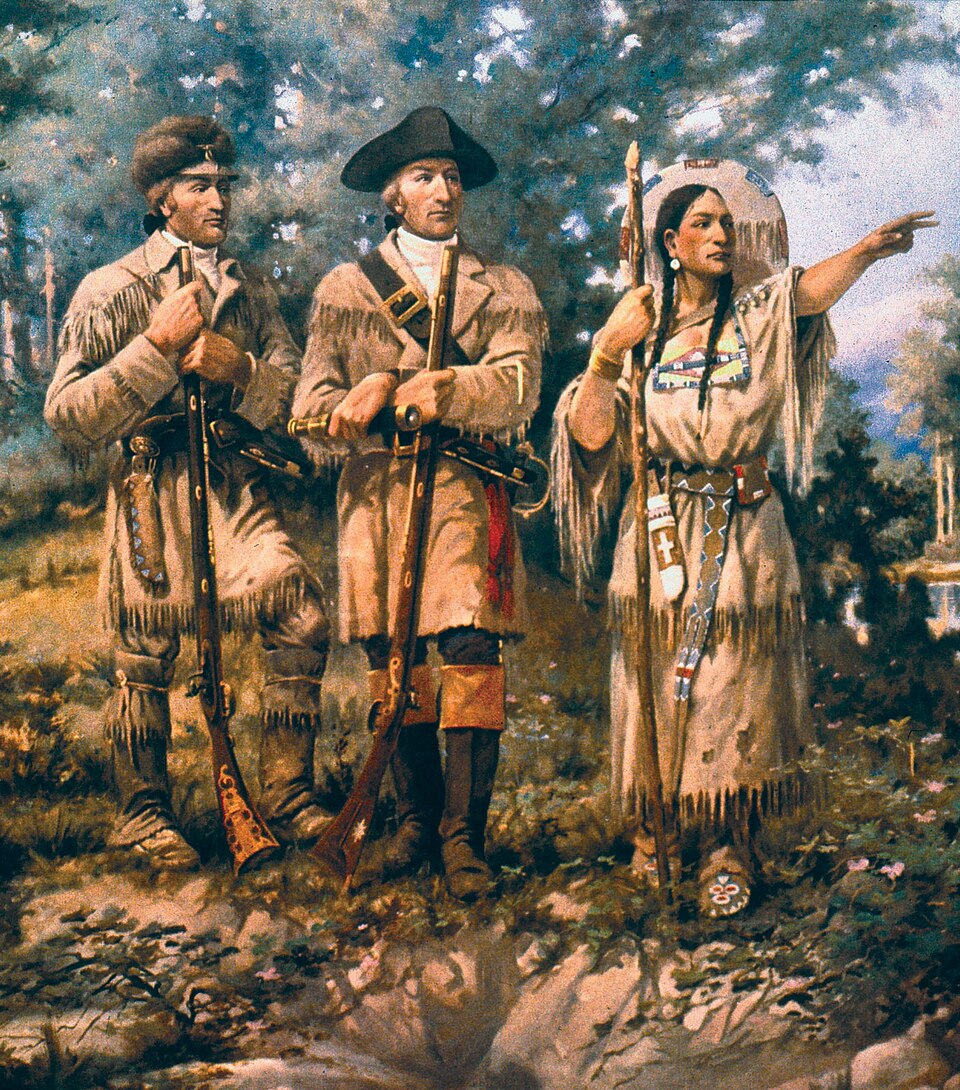
The Sixteen-Year-Old Who Carried a Nation's Map
A pregnant teenager, kidnapped from her people years before, would become the only reason a floundering American expedition survived the Rocky Mountains — and found its way home again.
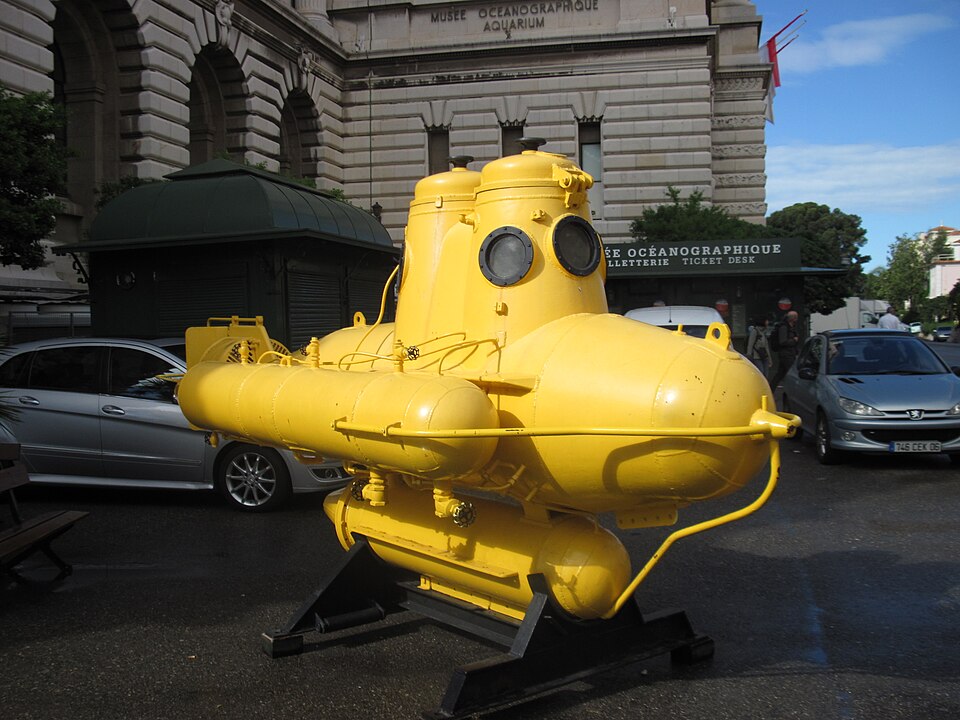
Cousteau: The Man Who Opened the Door to the Sea
A car crash shattered both his arms and ended his dream of flying — so Jacques Cousteau turned his eyes downward, into the sea, and never looked back.
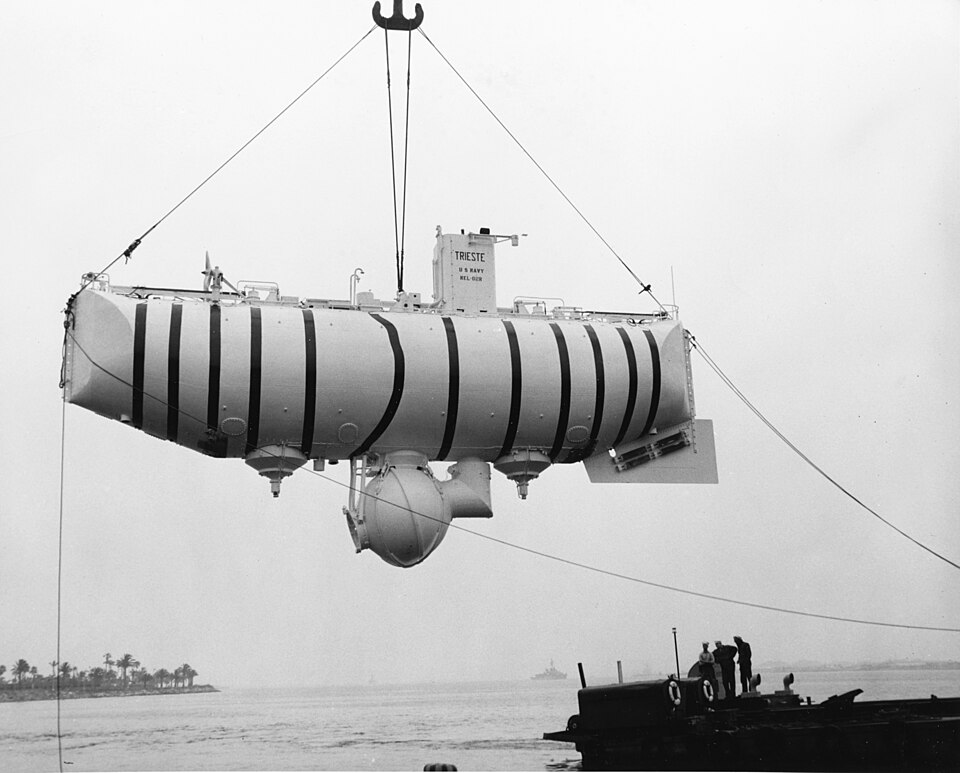
Piccard and the Bottom of the World
On 23 January 1960, two men sealed themselves into a steel sphere and let the ocean swallow them for three hours, chasing a point deeper than Everest is tall.
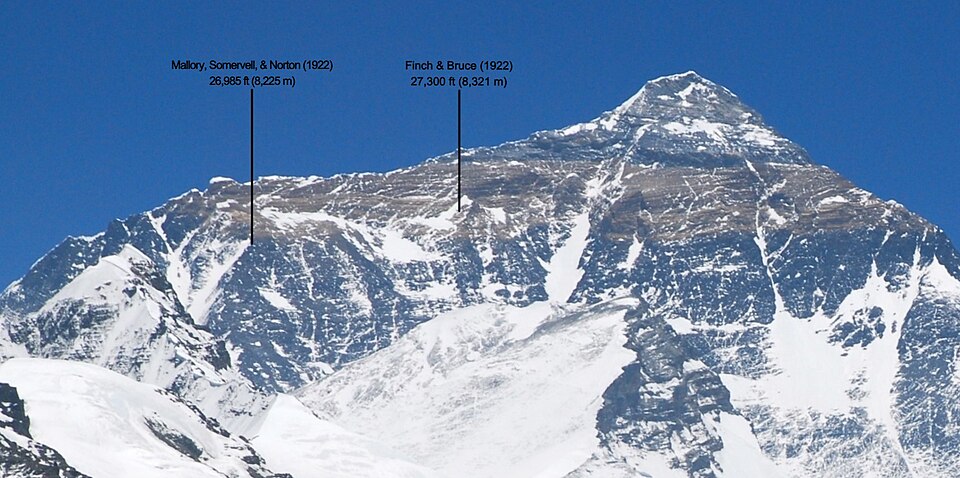
Because It's There: The Vanishing of George Mallory
Somewhere above 26,000 feet, two climbers walked into the clouds and never came down. Seventy-five years later, one of them was found frozen where he fell, hundreds of vertical metres below the summit.
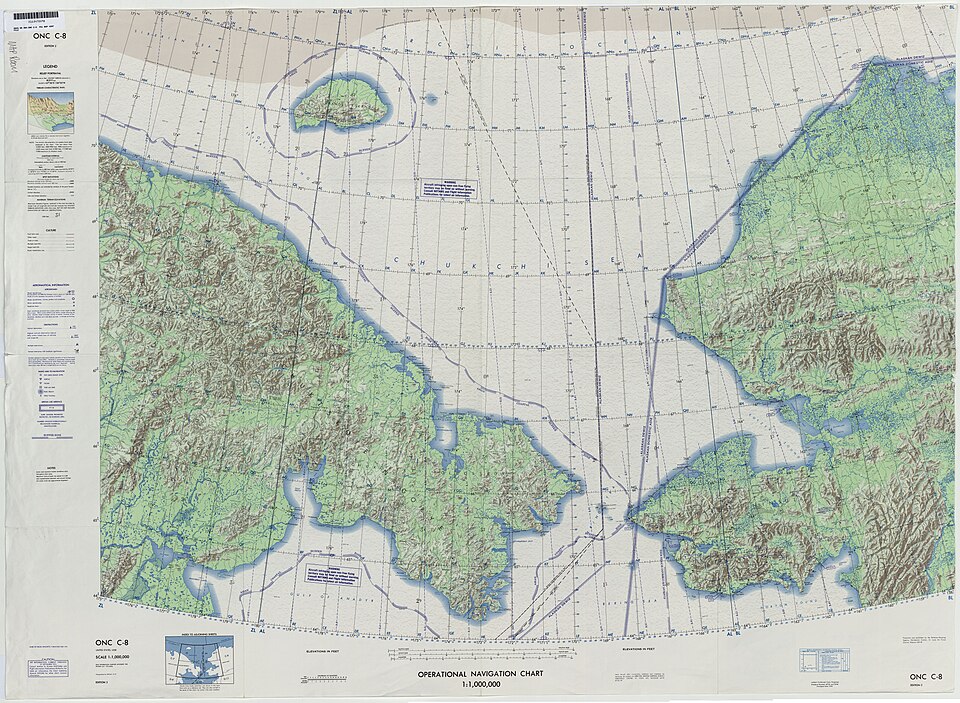
The 82 Kilometers Between Two Worlds
A strip of water barely wider than a marathon course separates two continents — and once, it wasn't water at all.
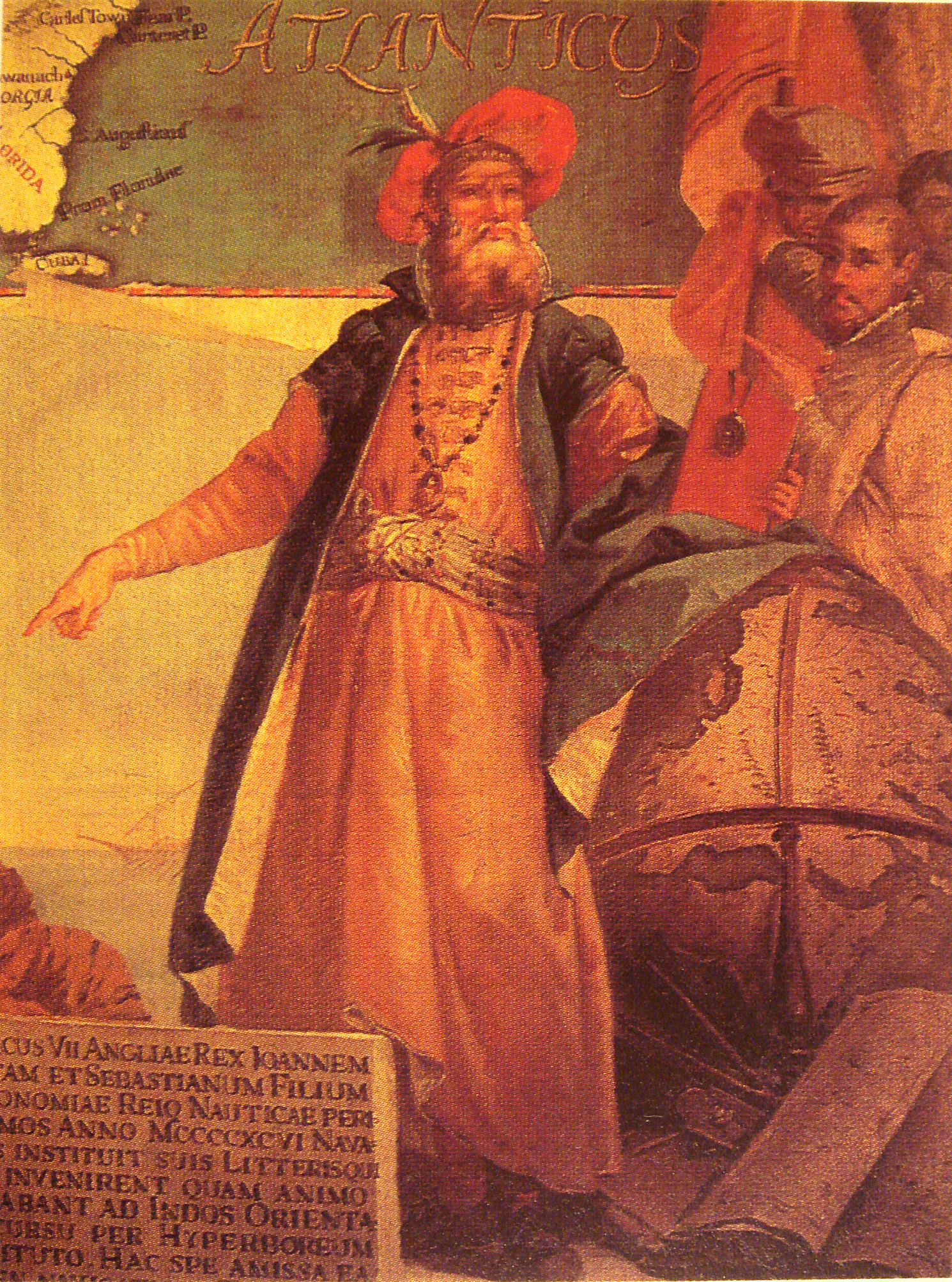
Cabot: The Debtor Who Found a New World
A bankrupt bridge-builder fled Spain in disgrace, then talked a king into funding a voyage that would put North America on English maps.
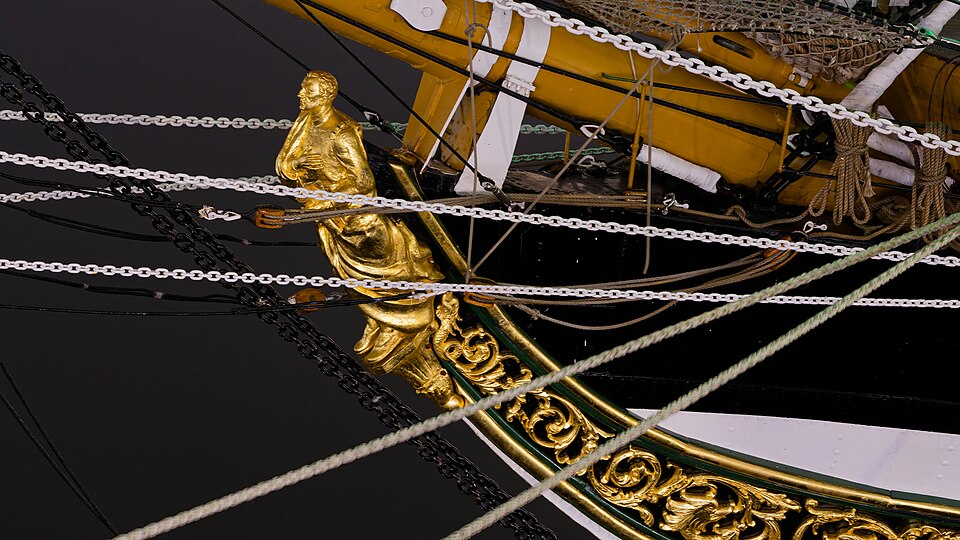
The Florentine Who Named a World He Didn't Discover
He never planted a flag or founded a colony — yet half the globe carries his first name. How did a Florentine merchant's clerk end up christening two continents?
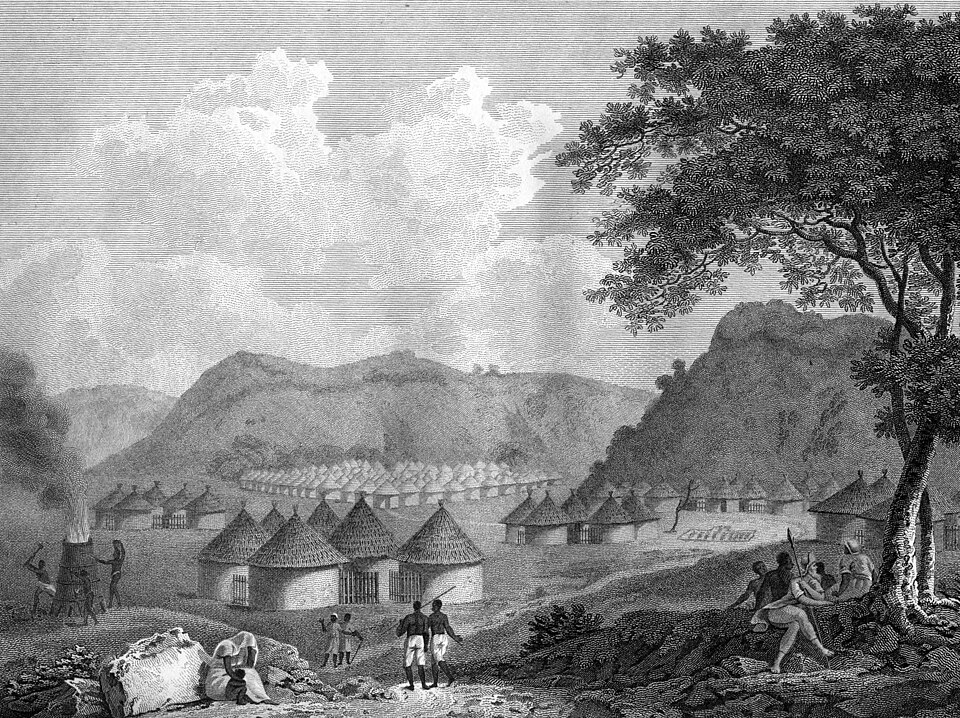
Mungo Park: Into the Heart of the Niger
He set off believing a river could redraw the map of an entire continent — and vanished into its currents, having proven half his theory and lost his life to the other half.
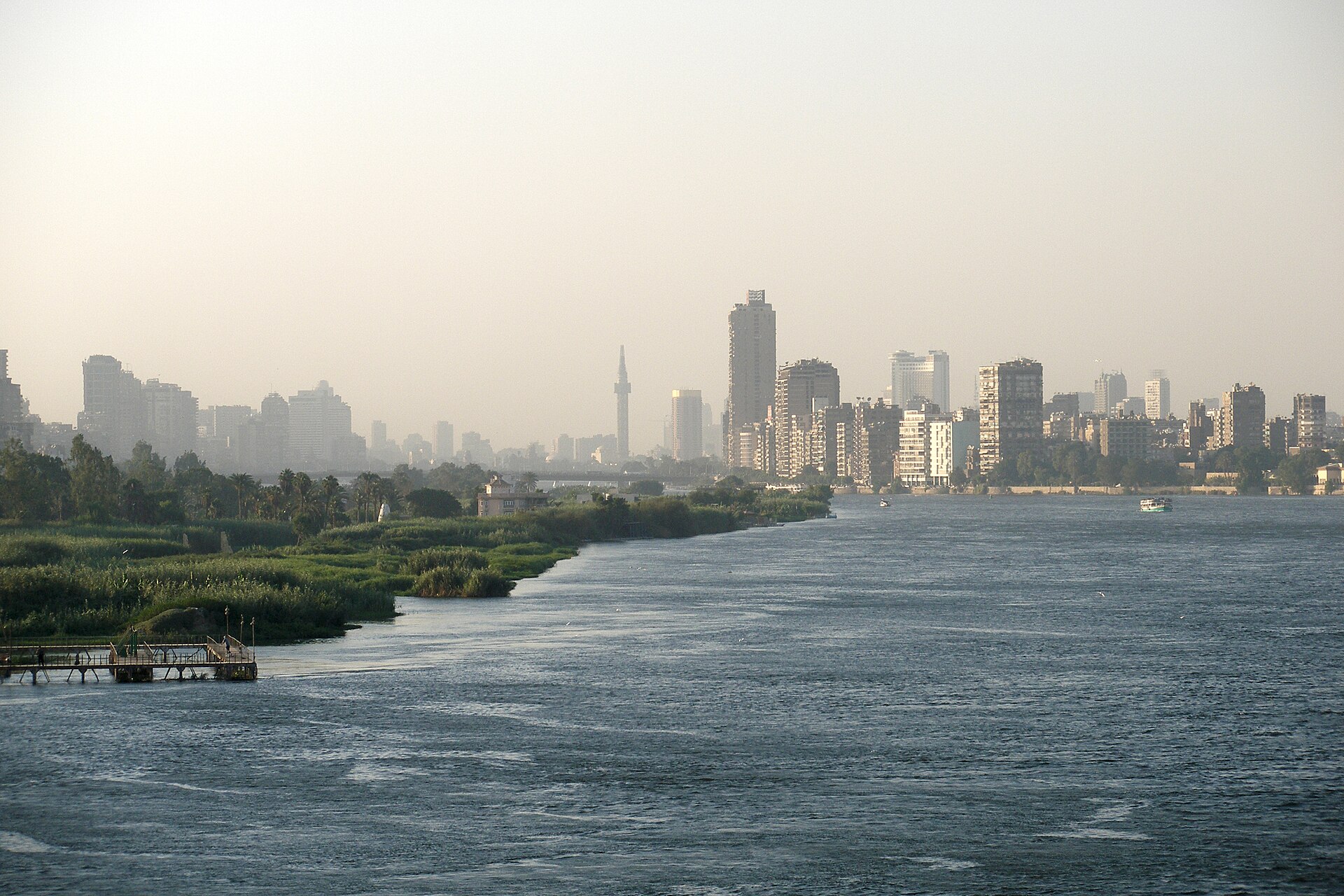
The Search for the Source of the Nile
For millennia the world's longest river kept its birthplace a secret — until nineteenth-century explorers went looking for it around a great African lake.
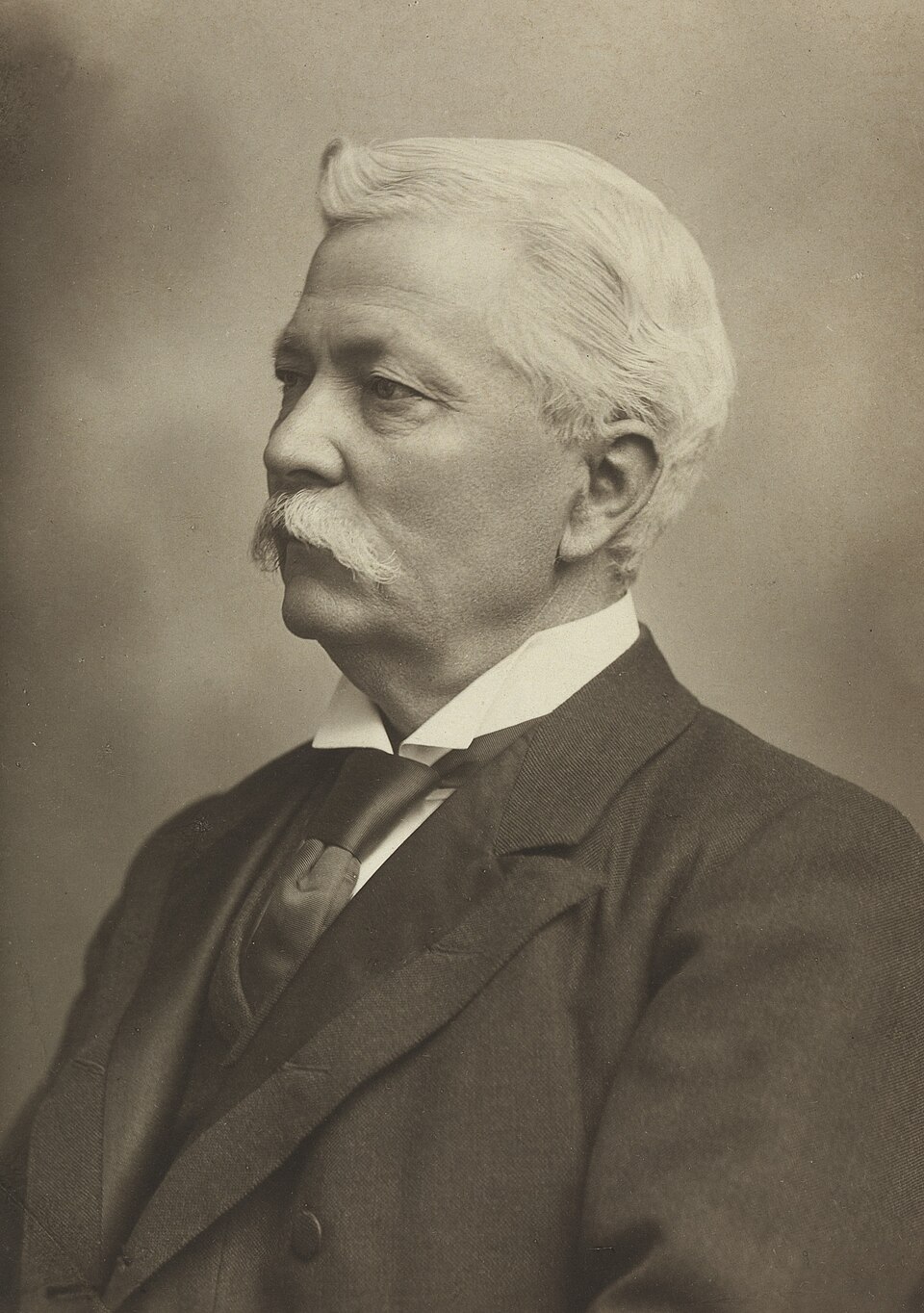
The Handshake at Ujiji
A ragged American journalist walks into a lakeside village in Central Africa and utters four words that will echo for a century — but the man he finds is barely alive.
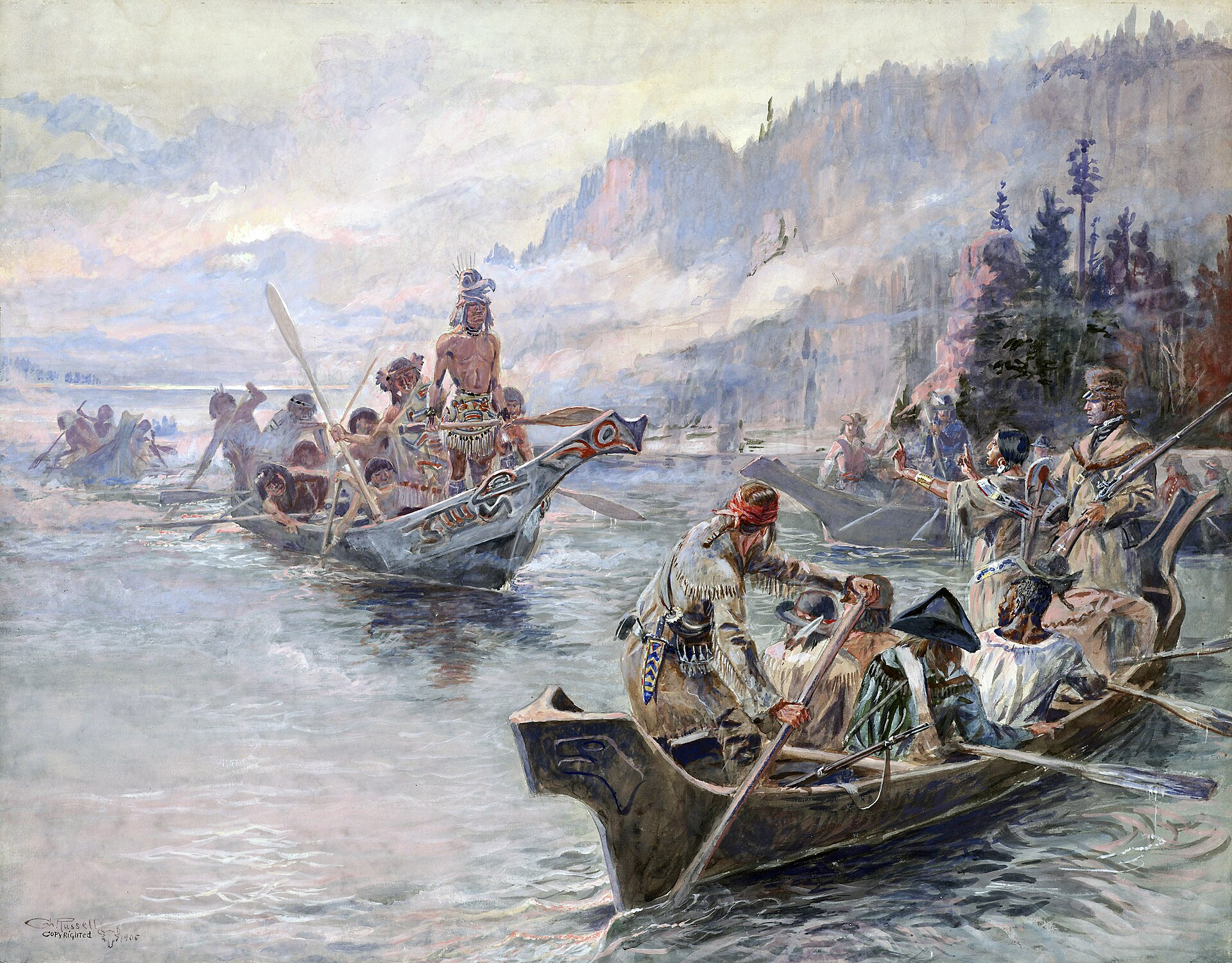
Into the Unmapped West
Two young Army officers, a river of unknown length, and a president's dream of an ocean route — what could go wrong?
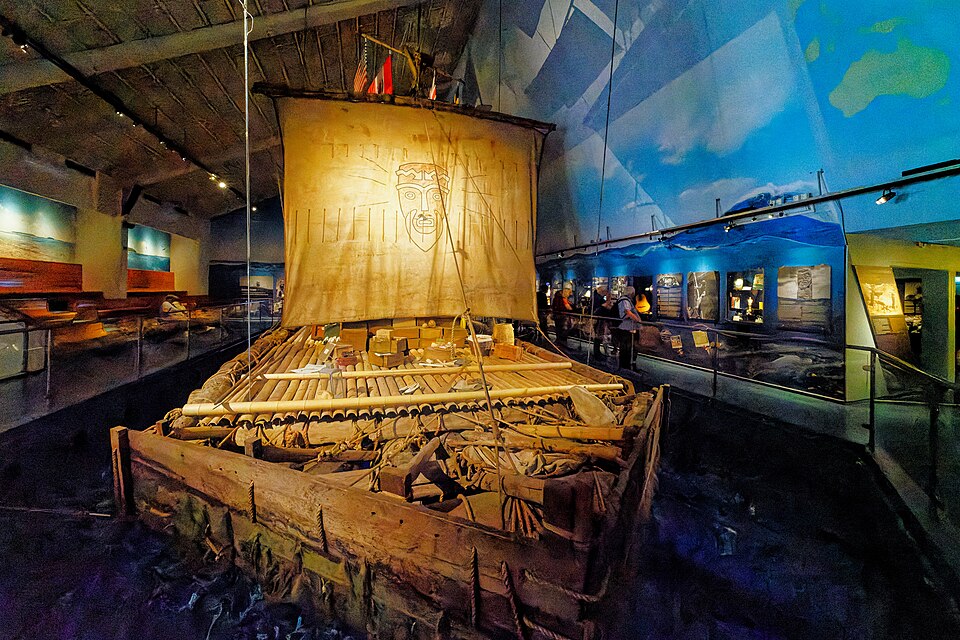
Six Men, Nine Logs, and a Bet Against the Ocean
In 1947, six men lashed together balsa logs, painted a sun god on their sail, and let the Pacific currents decide whether an old theory about human migration could survive the crossing.
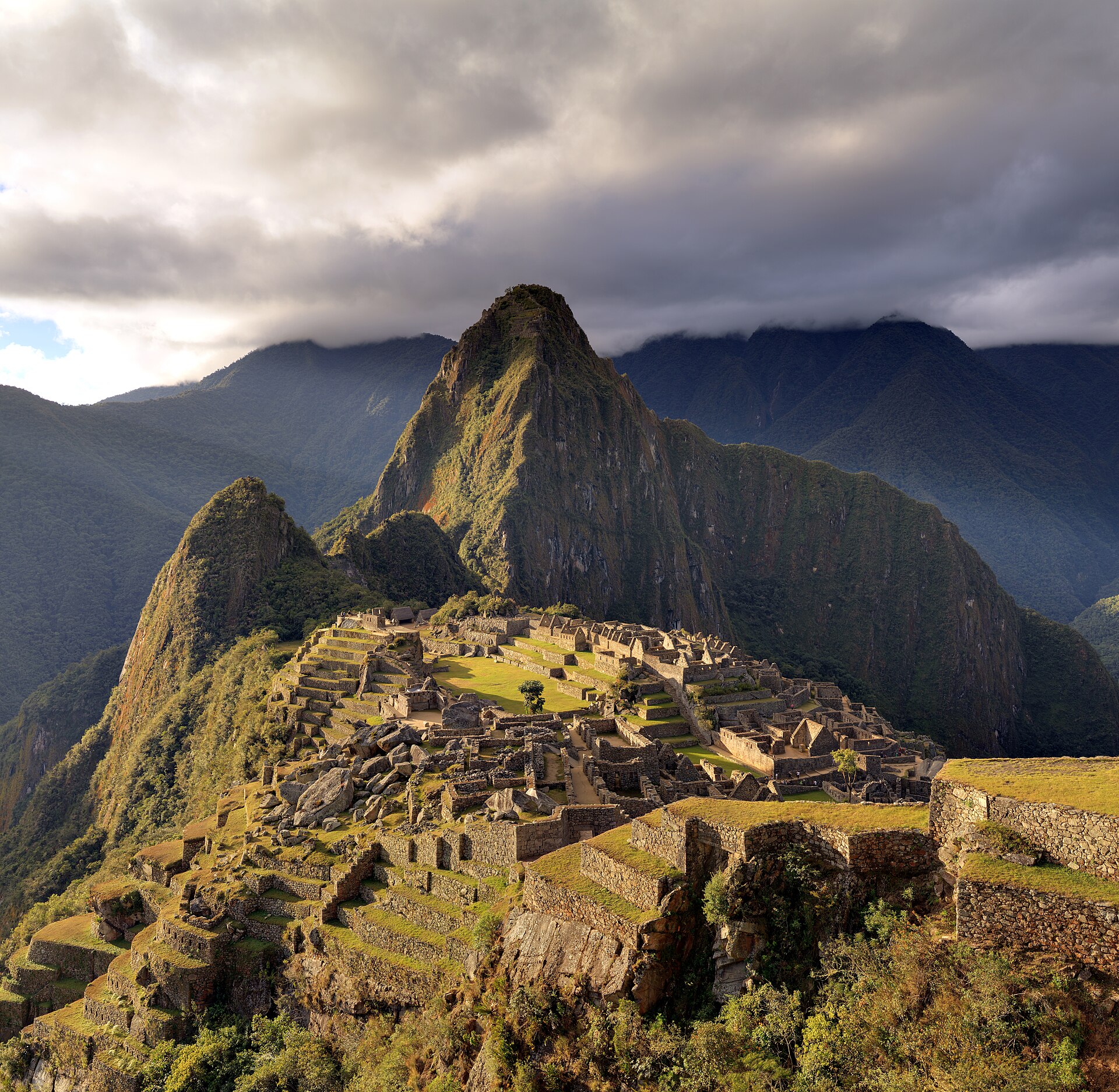
When the Sun's Son Fell: Pizarro and the End of the Incas
In 1532 a handful of Spaniards on horseback stood before the vast, roadbound realm of the Sapa Inca — within a year, an empire that stretched thousands of kilometers along the Andes would be shattered.
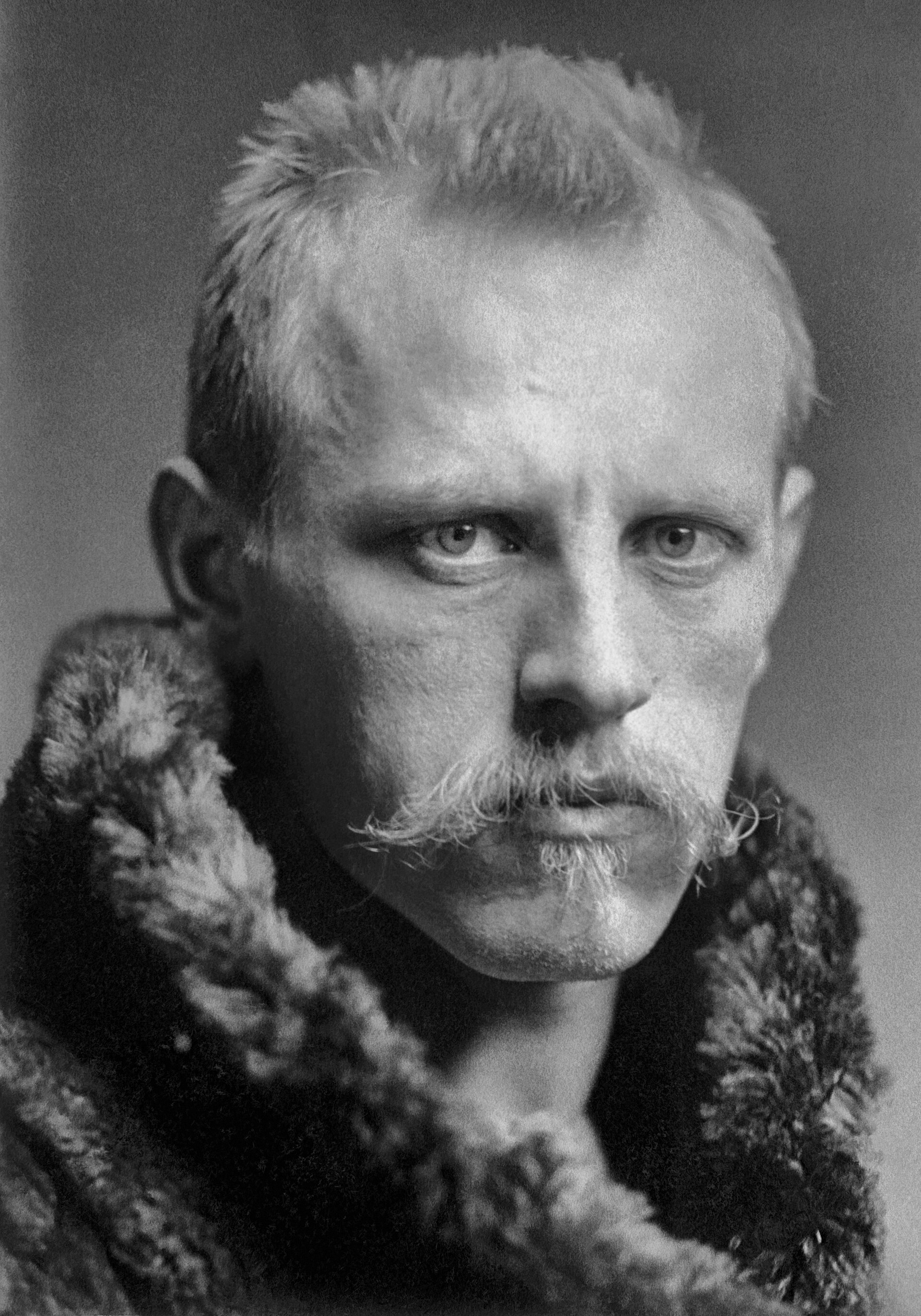
Nansen: The Ship That Let the Ice Carry It
A boy who broke his neck jumping skis at ten grew up to let a ship freeze on purpose — and drift toward the top of the world.
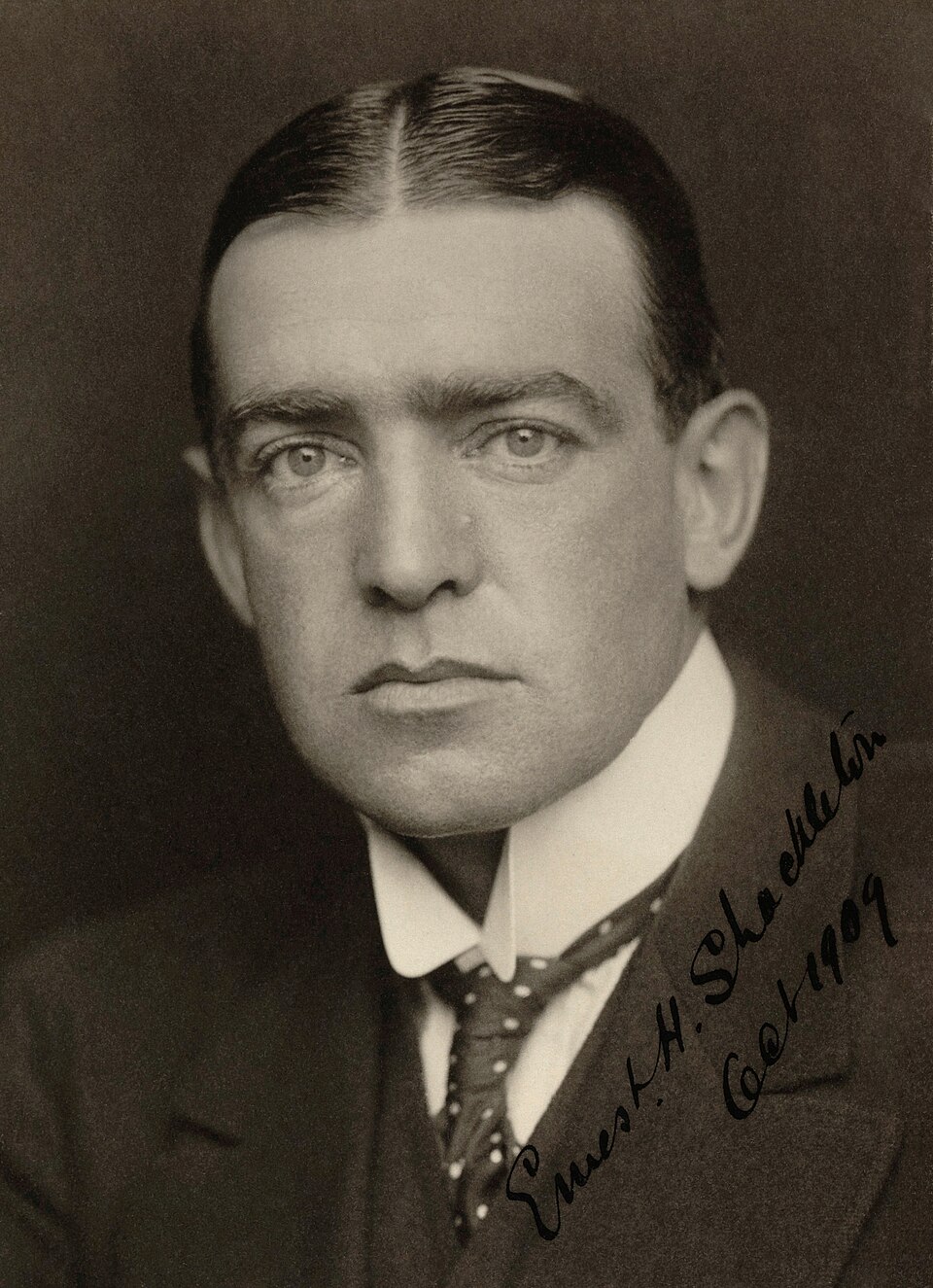
The Boss Who Never Lost a Man
When his ship was crushed by ice a thousand miles from safety, Ernest Shackleton didn't chase the pole anymore — he fought only for one thing: to bring every man home alive.
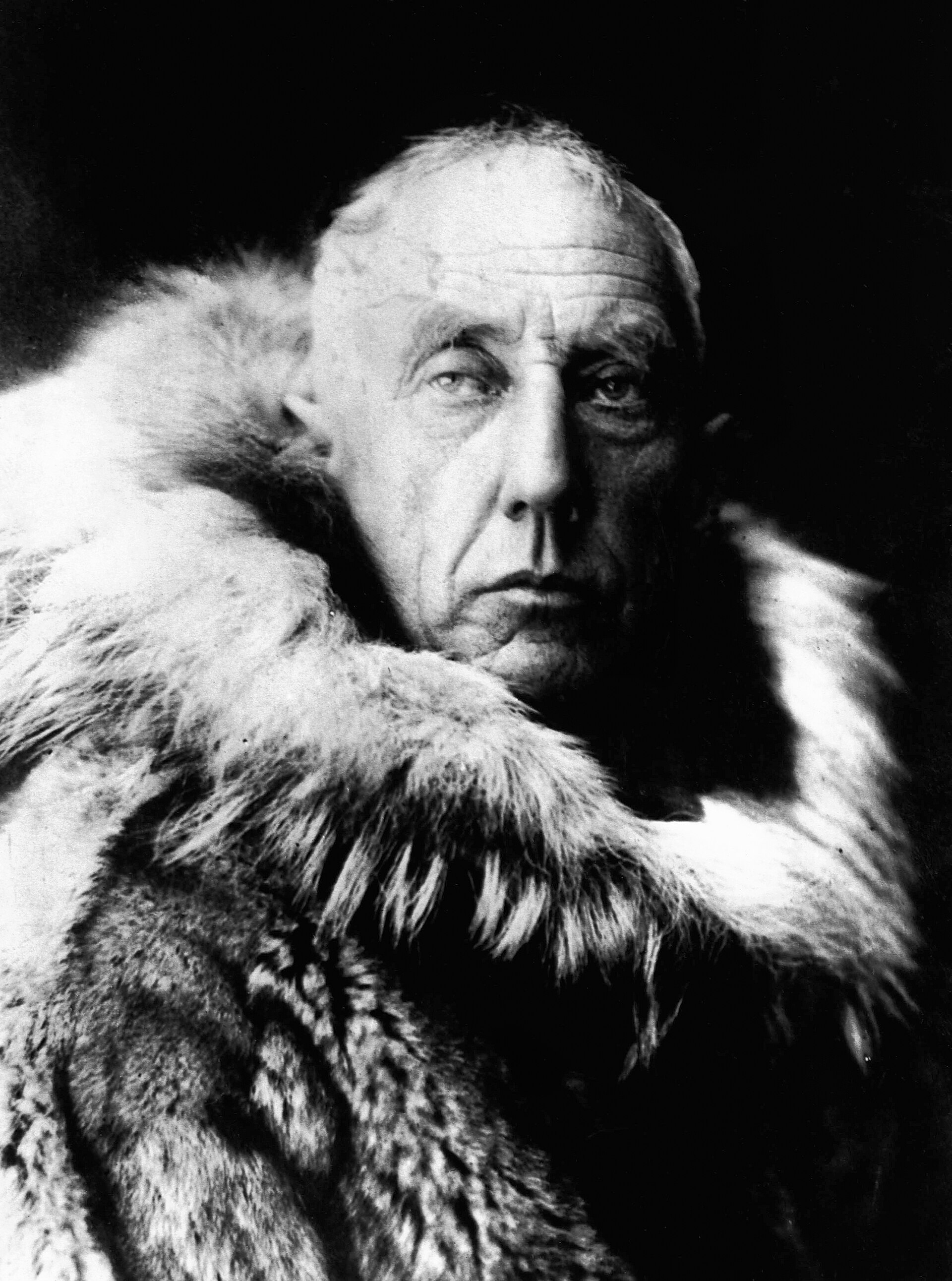
The Man Who Walked to the Bottom of the World
He set out to conquer the top of the world — but when two rivals beat him there, he quietly turned his ship south instead, toward a prize no one had ever claimed.
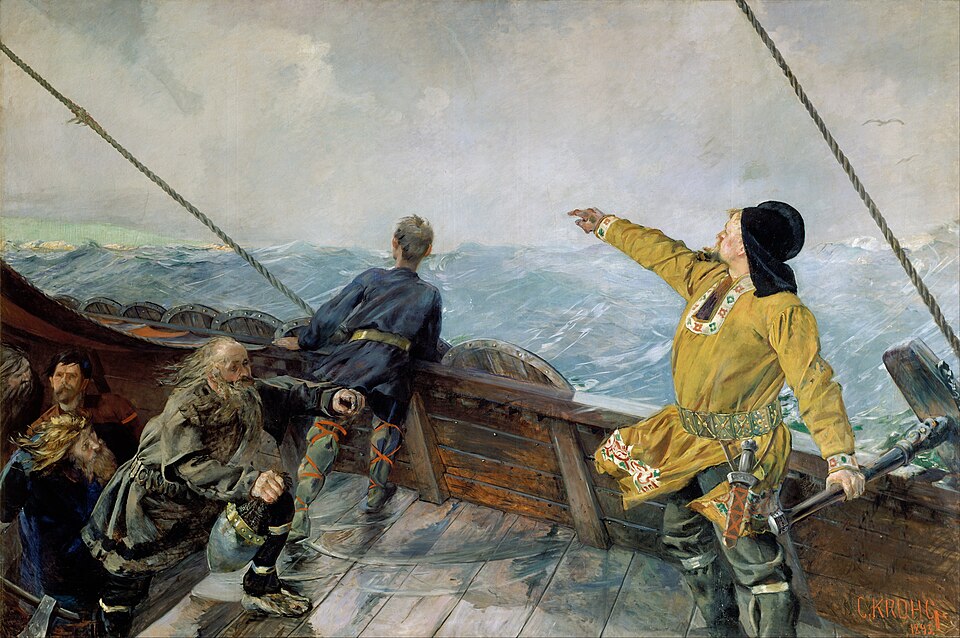
The Man Who Named an Icebound Land 'Green'
Exiled twice for killing men, a red-haired outlaw sailed into the unknown—and returned with a story clever enough to fill fourteen ships with settlers.
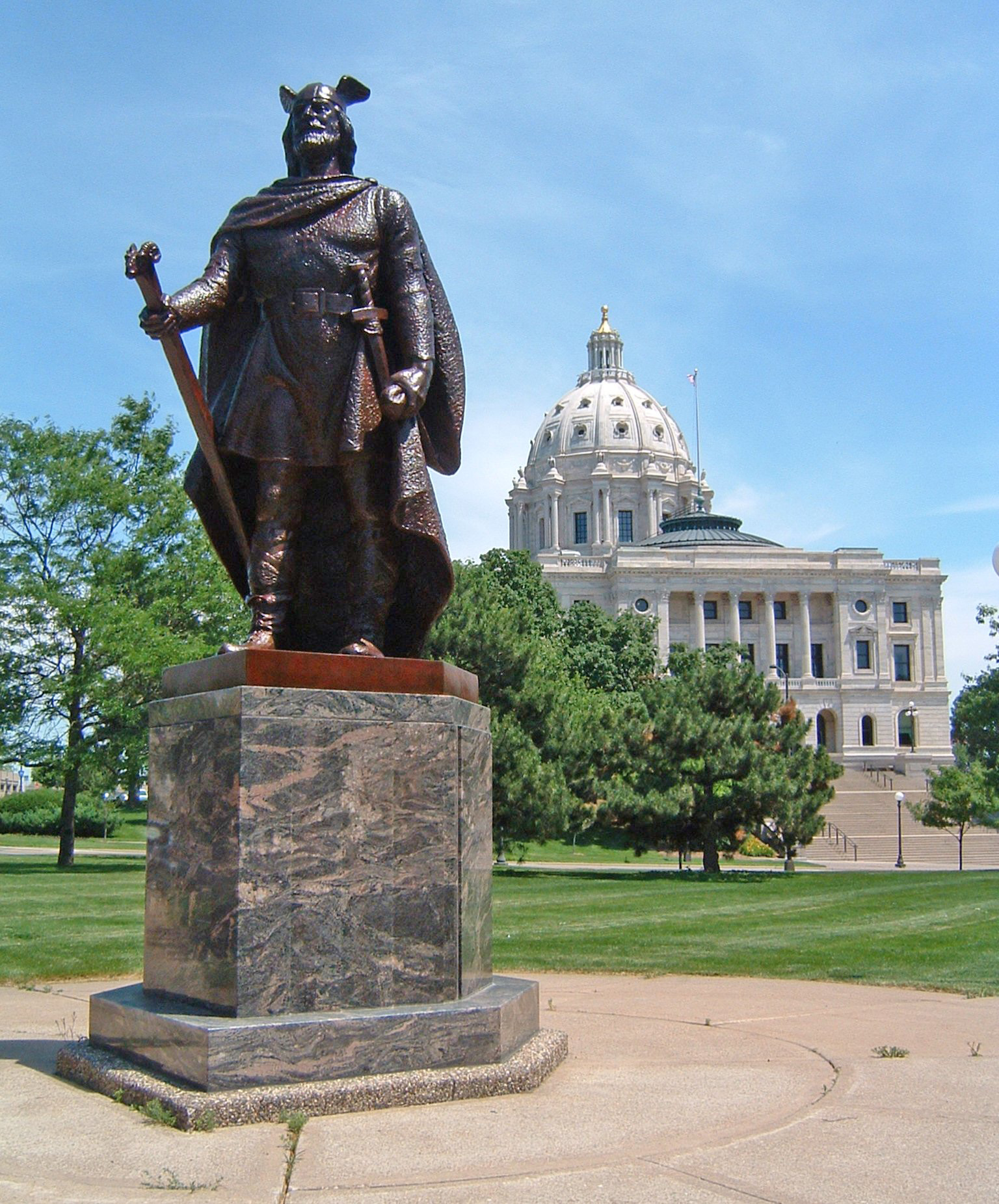
Leif the Lucky and the Land of Wild Grapes
Five hundred years before Columbus ever set sail, a Norse mariner blown off course found vines heavy with fruit on a shore no European had ever named.
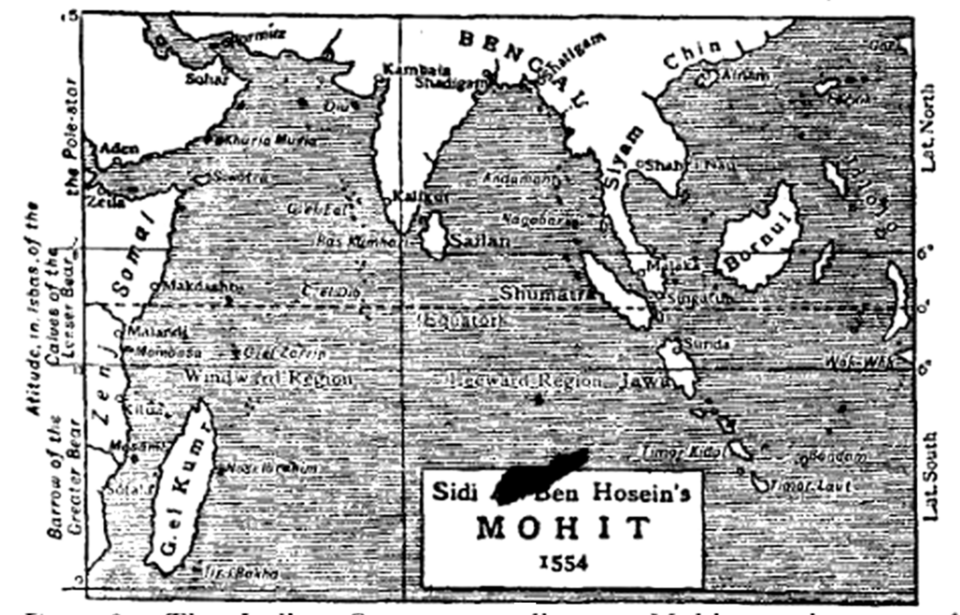
Seydi Ali Reis: The Admiral the Storm Sent Home Overland
An Ottoman admiral was ordered to sail a battered fleet from Basra to Suez—instead, a monsoon storm dragged him toward India, and he would not see Constantinople again for three years.
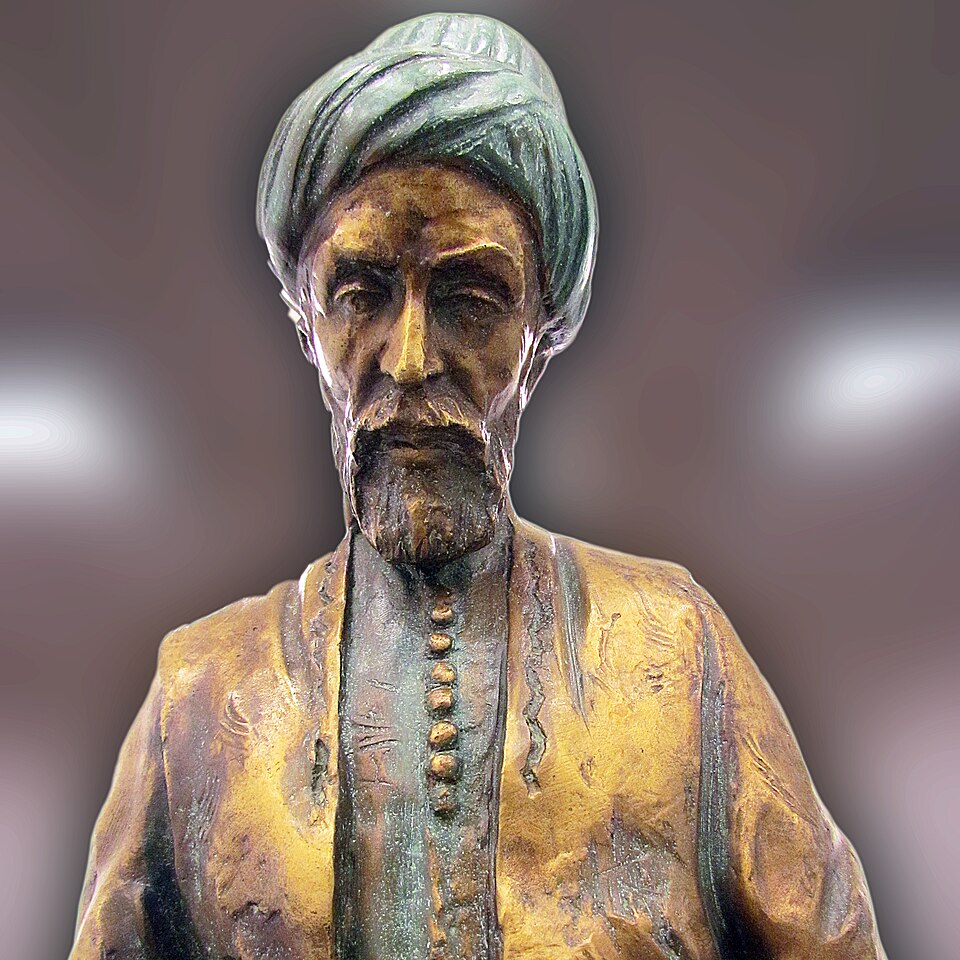
Evliya Çelebi: The Fifty-Year Journey
A young courtier dreamed he stood before the Prophet and, tongue-tied with awe, blurted the wrong word — and that single slip of the tongue sent him wandering for the rest of his life.
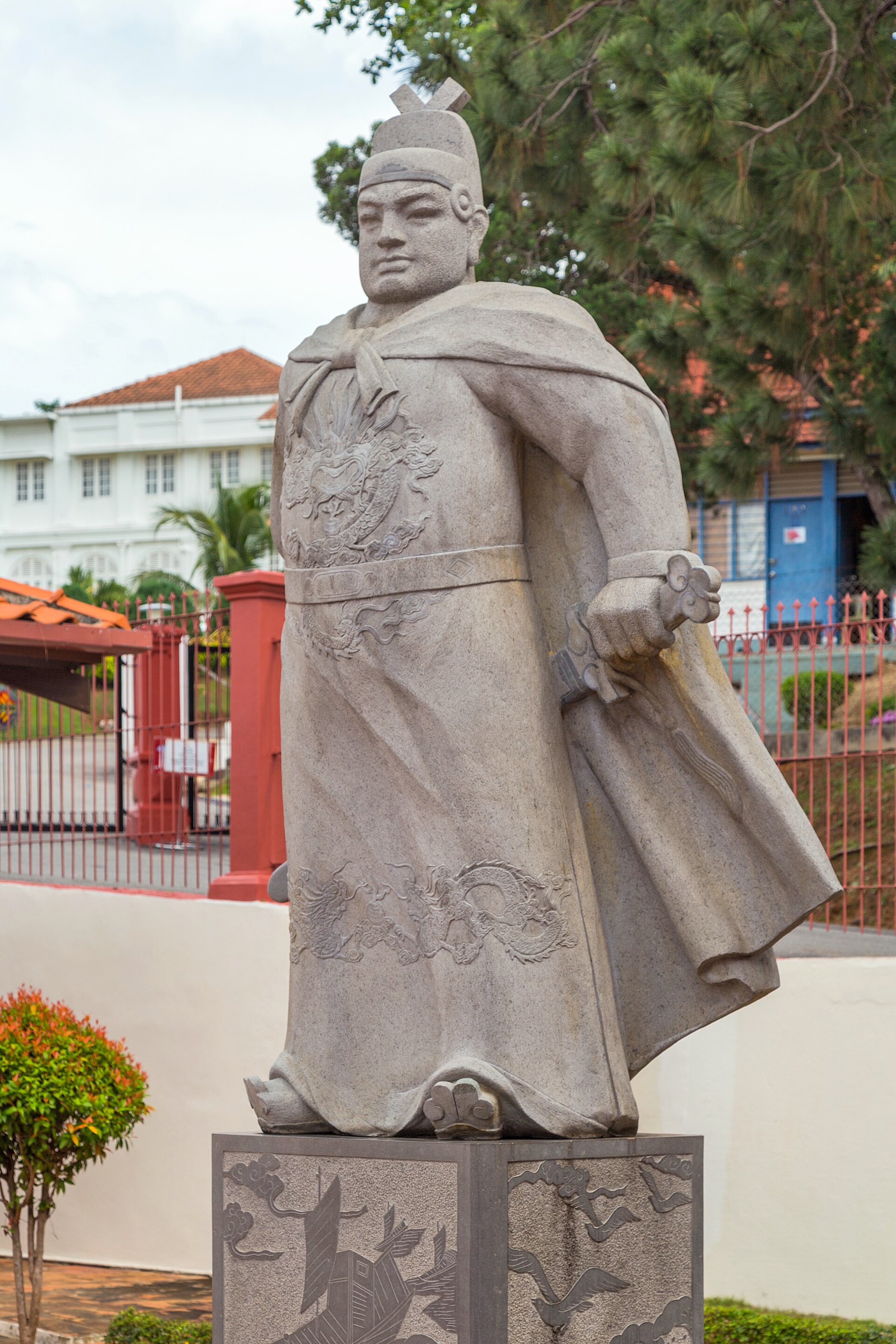
Zheng He: The Eunuch Admiral Who Sailed China's Treasure Fleets to the World
A castrated stable boy from a conquered province rose to command the largest wooden ships ever built and sail them to Africa — decades before Europe's Age of Exploration began.
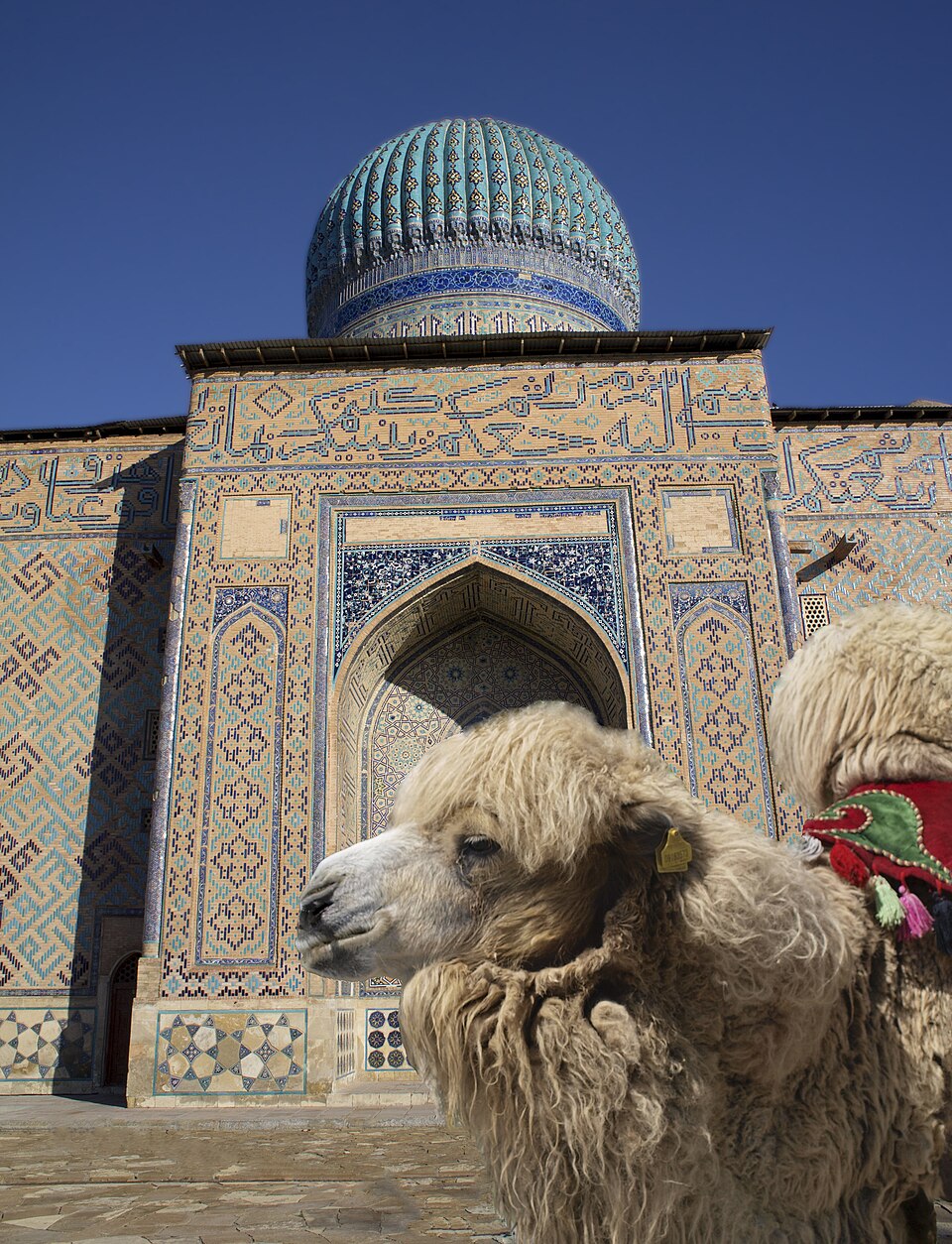
Ibn Battuta: The Man Who Outwalked the World
He set out alone at twenty-one to make a pilgrimage that should have taken sixteen months. It swallowed thirty years and turned him into the greatest traveller of the pre-modern world.
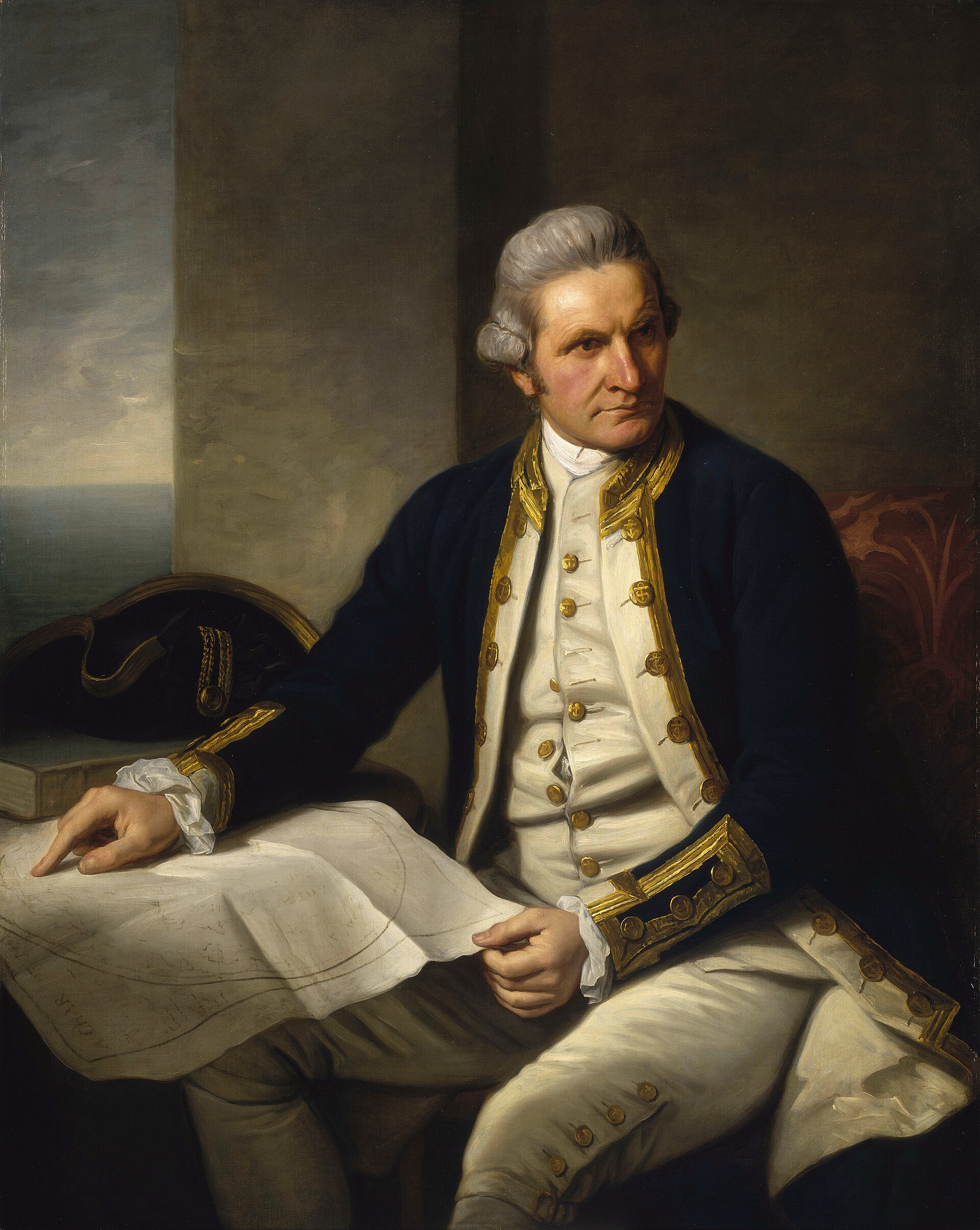
The Farm Boy Who Mapped the Pacific
He started out mucking stables for eightpence a week — and ended up redrawing the map of half the world.
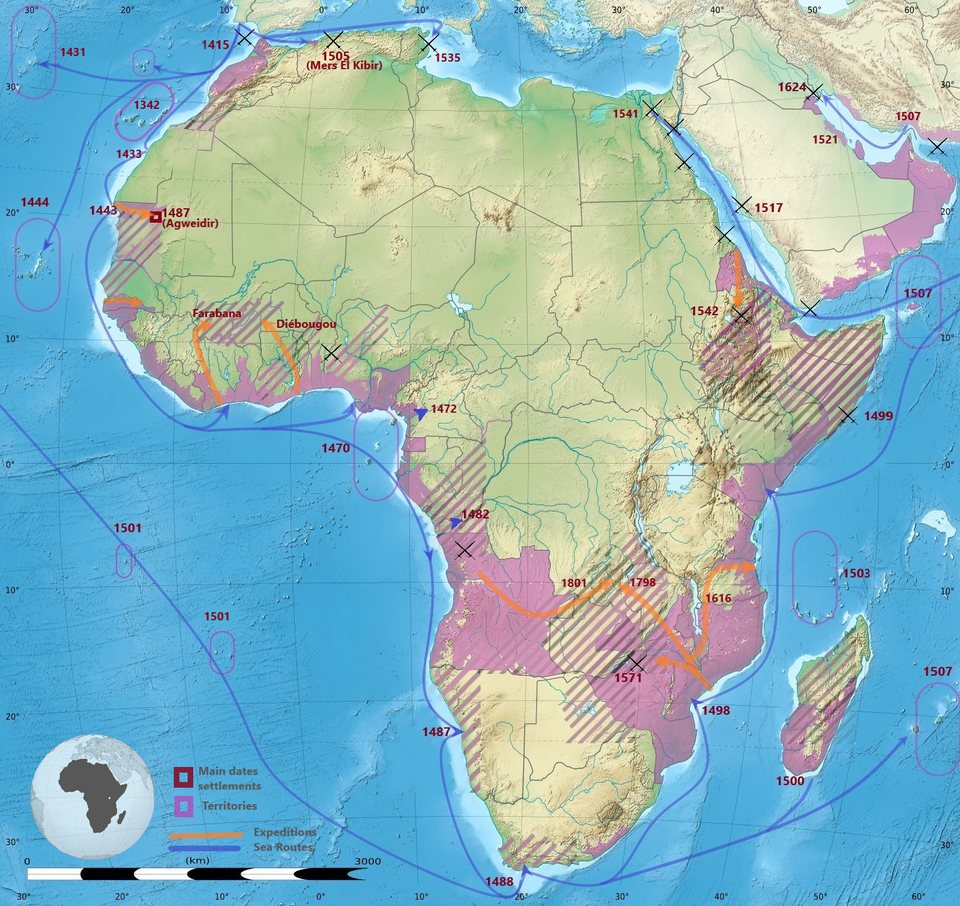
Bartolomeu Dias and the Cape of Storms
Blown off course into the open Atlantic, a small Portuguese fleet vanished from sight of land for thirty days — and sailed straight into history.
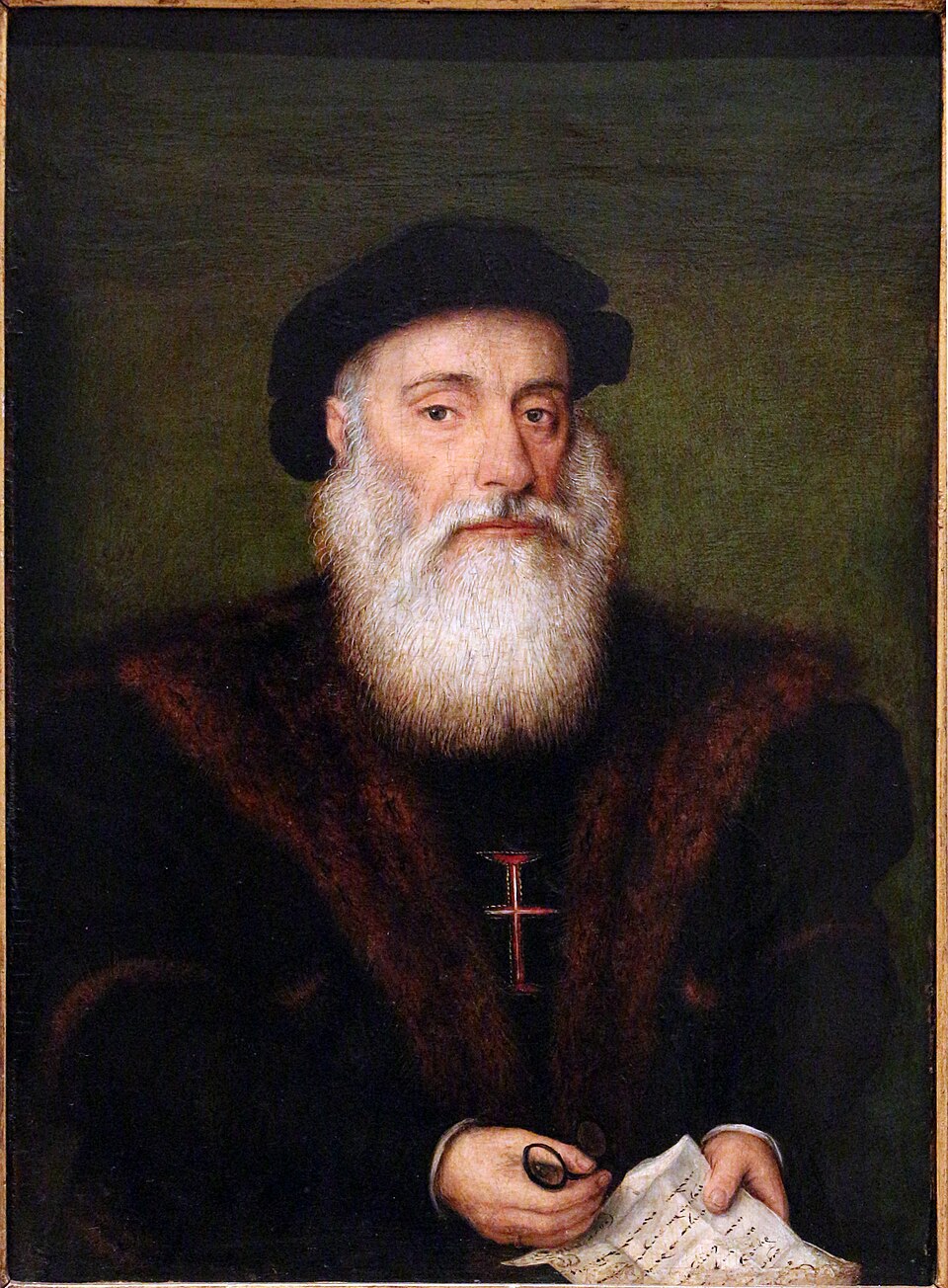
The Man Who Sailed to India
Thousands of sailors had died trying to reach the Indies by sea. In May 1498, one Portuguese nobleman finally stepped ashore in India — and rewrote the map of world trade.
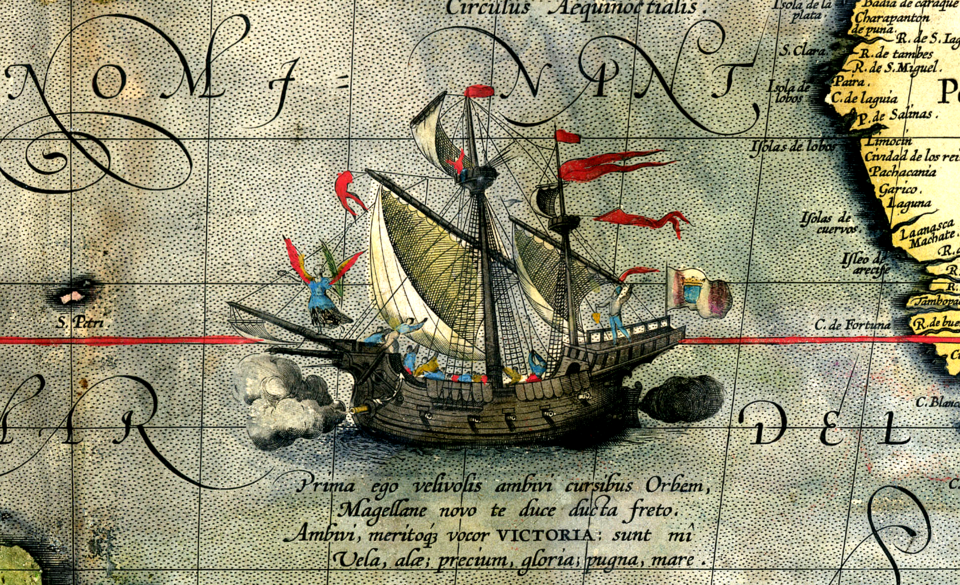
The Man Who Named the Pacific and Never Saw It End
He set out to find a shortcut to the Spice Islands and instead found the width of the whole Earth — a discovery that killed him before he could see it proven.
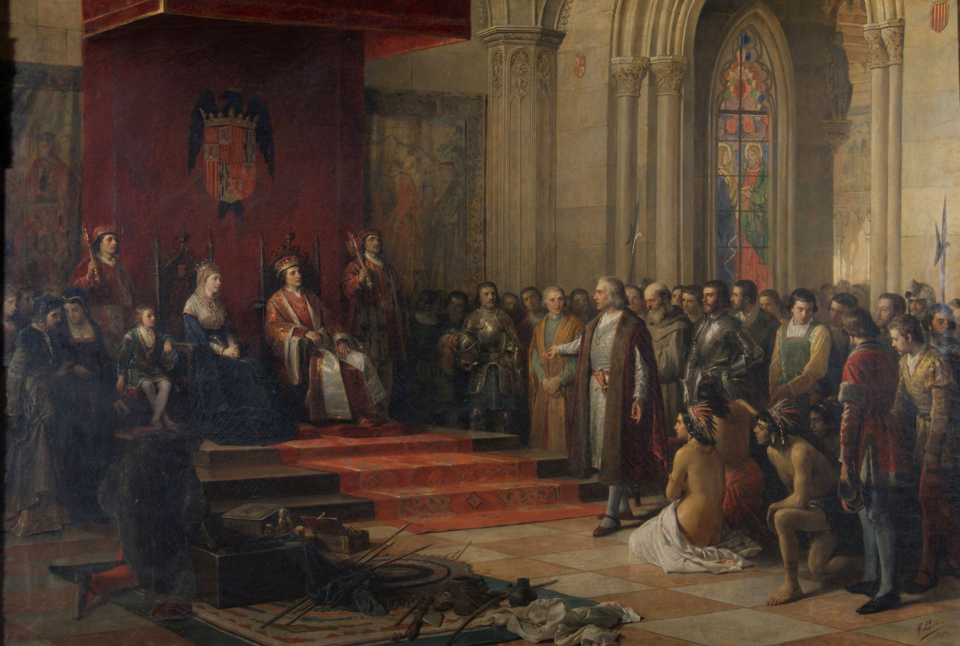
Four Voyages West: How Columbus Stumbled Into a New World
He was chasing spices and silk in Asia. What he found instead would rewrite the map of the world — and he never quite admitted the difference.