The Long Road of Silk: A Merchant's Eye View
Six thousand miles, a thousand middlemen, and a name coined by a German geographer centuries after the last caravan bell fell silent — this is the road that never truly existed as one road at all.
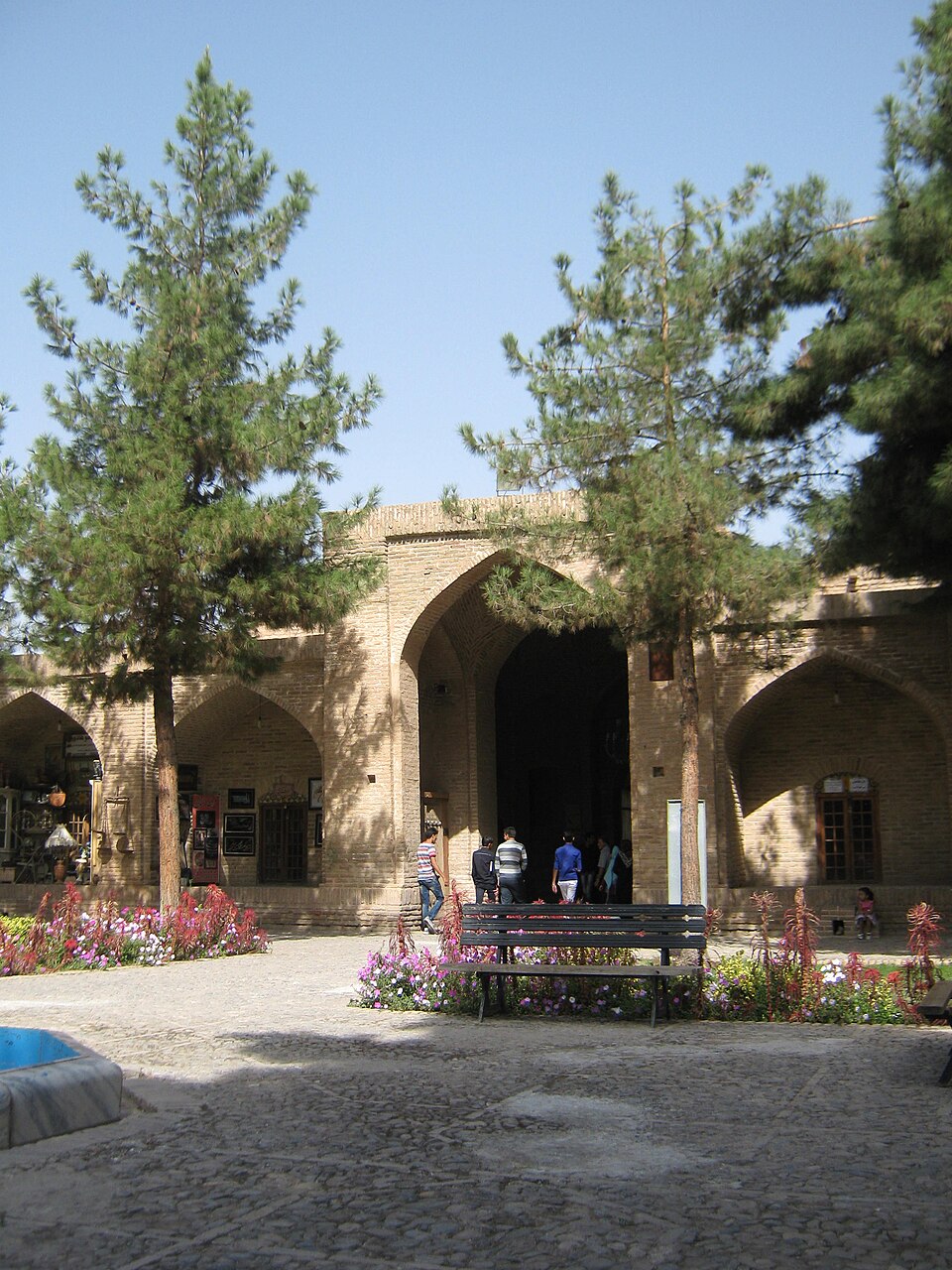
No single traveler ever walked the whole of the Silk Road. That is the first surprise buried in its history: even Marco Polo, the man popular imagination ties most tightly to it, never used the term, and likely never crossed its entire length himself. What existed instead was a sprawling, decentralized web of routes stretching over 6,400 kilometers, linking China to the Mediterranean through a relay of merchants, none of whom carried goods from origin to destination alone.
The network's opening chapter belongs to the Han dynasty. The Han expansion into Central Asia around 114 BCE, achieved through the missions and explorations of the Chinese imperial envoy Zhang Qian, brought the region under unified control, and the Han extended the Great Wall itself to protect the trade that followed. Silk, produced in China, became the good that gave the whole system its name — though that name, 'Seidenstraße,' was only coined in 1877 by the German geographer Ferdinand von Richthofen, who had made seven expeditions to China between 1868 and 1872.
Toward the west, the Parthian Empire formed a vital bridge to the Mediterranean, while Rome's rise established the network's western terminus. By the first century CE, Chinese silk was prized in Rome, Egypt, and Greece. Eastern caravans carried tea, dyes, perfumes, and porcelain; westward came horses, camels, honey, wine, and gold. Paper and gunpowder, carried along these same routes, would eventually reshape political history across Eurasia.
Security was never guaranteed. Bandits and nomadic raiders threatened travelers across long stretches of inhospitable terrain, and the routes' fortunes rose and fell with the empires that bordered them. When Rome and Parthia reached a diplomatic peace under Augustus, the western Silk Road grew safer and trade with the Far East revived. Centuries later, wars between Byzantium and the Sasanian Empire choked that same trade off again.
The Tang dynasty brought another surge. The emperor Taizong brought much of Central Asia and the Tarim Basin under control, and Byzantium — despite losing territory to Muslim conquest in the seventh century — remained a key relay point for goods moving further west. But after the Tang era, instability during the Five Dynasties period, along with recurring plague outbreaks, repeatedly interrupted trade between Europe and Asia.
More from Explorations

Humboldt: The Man Who Measured the World
A Prussian noble's son, once mocked as a sickly child, would climb a volcano to a world-record height and rewrite how humanity understood nature itself.

The Man Who Named Canada
A Breton mariner planted a wooden cross on a foreign shore and claimed a kingdom he did not understand — then spent a winter frozen into its river, praying a stranger's remedy would save his men.

Sixty Ships Into the Unknown: Hanno's Voyage Down the African Coast
A Carthaginian fleet of sixty ships and thousands of settlers vanished past the Pillars of Hercules to found cities on an unmapped coast — and came home with the skins of hairy, hostile 'gorillas' as proof of how far they had gone.

HMS Challenger: The Voyage That Charted the Deep
A stripped-down warship, its guns torn out to make room for microscopes, set sail from Portsmouth to answer a question no one had ever properly asked: what lies at the bottom of the sea?

Scott's Last Expedition: The Letters Written at the End of the World
Five men reached the bottom of the world only to find a Norwegian flag already planted there. What followed was not glory, but a slow, frozen unraveling that the world would remember for a century.

Marco Polo: In the Court of Kublai Khan
A fifteen-year-old boy meets the father he barely knew — and is soon swept toward the richest court on Earth. Twenty-four years later, he returns home with tales so vast that Venice simply calls him 'Mister Millions'.