Mythology
147 stories. Each one follows a single moment, a single object or a single decision.

The Doctor Who Sang a Nation Into Being
A country doctor rode into the forests of Karelia armed with nothing but a notebook — and rode out with the soul of a nation.

The Boat That Carried the Sun
Every sunset, the ancient Egyptians believed, the sun climbed into a boat and sailed straight into the realm of the dead — only to fight a monstrous serpent before dawn could return.

The Wild Man of the Snows
At 21,000 feet, a colonel found tracks in the snow that he blamed on a wolf — but his guides knew better, and gave the world a name that would echo for a century.

The Knight Who Went Mad for Love: Orlando Furioso
A hero so devoted to duty he was Charlemagne's greatest paladin loses his mind—not to a sword wound, but to heartbreak. To cure him, a friend must ride a flying horse to the Moon.

The Book That Turned the World Into Myth
A poet condemned to exile spent his final years in Rome finishing a poem that would outlive empires—a poem about nothing standing still, not gods, not lovers, not even the shape of a man.

Paradise Lost: Milton's Rebel Angel
A blind poet, dictating verses in the dark, dared to explain the ways of God to men — and in doing so, made Hell's ruler unforgettable.
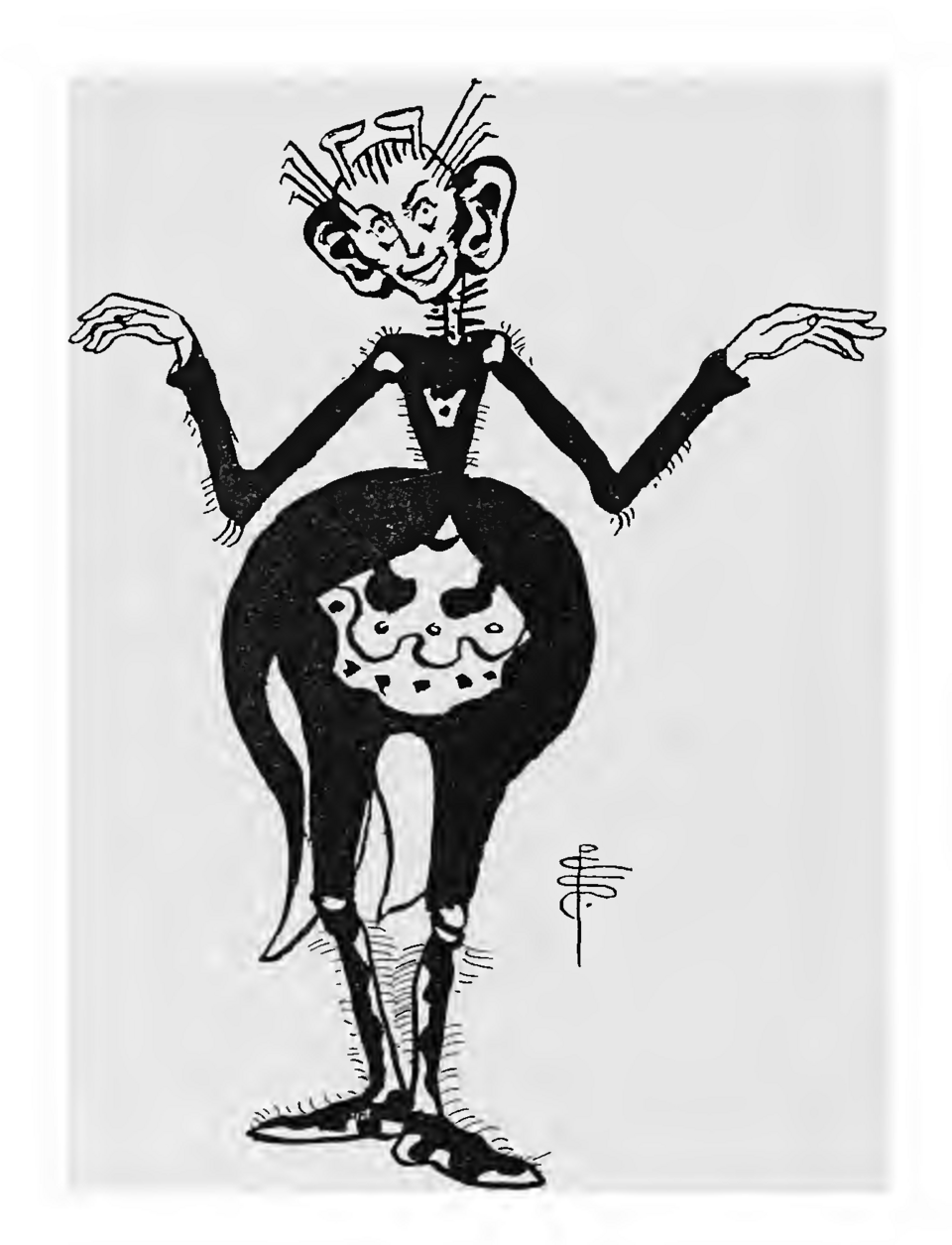
The Spider Who Outwitted the World
He is small, eight-legged, and rarely the strongest in the room — yet no one in his stories ever truly gets the better of him. How did a spider become the cleverest storyteller of an ocean-crossing culture?
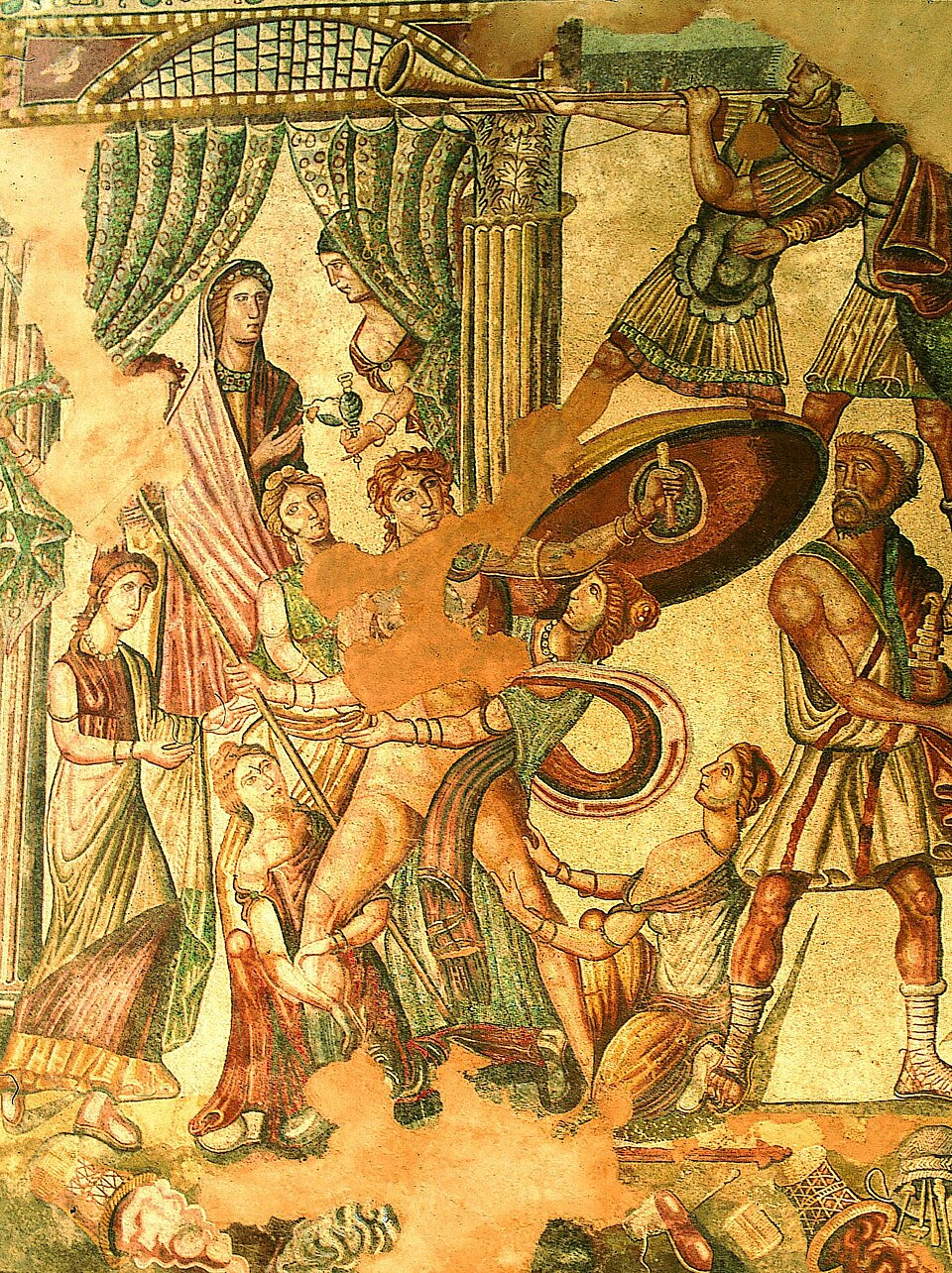
Achilles' Left Heel: The One Weak Point of the Unbeatable
He was the greatest warrior the Greeks ever produced — nearly untouchable, nearly immortal. But 'nearly' would cost him everything.
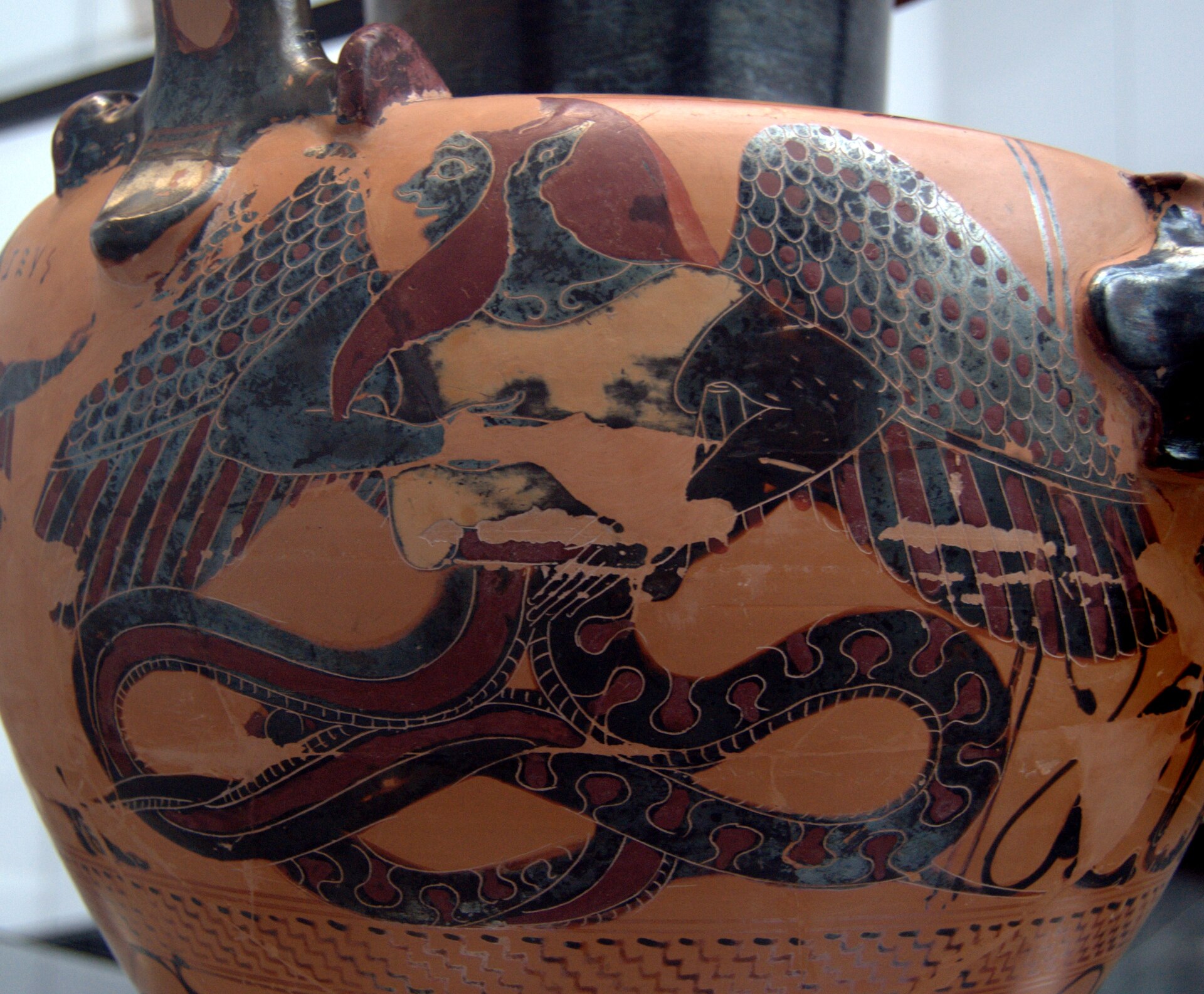
Typhon: The Monster Who Made the Gods Flee
A hundred fire-breathing snake heads, a hiss that shook mountains, and a body vast enough to brush the stars — this was the creature born to end Zeus's reign.
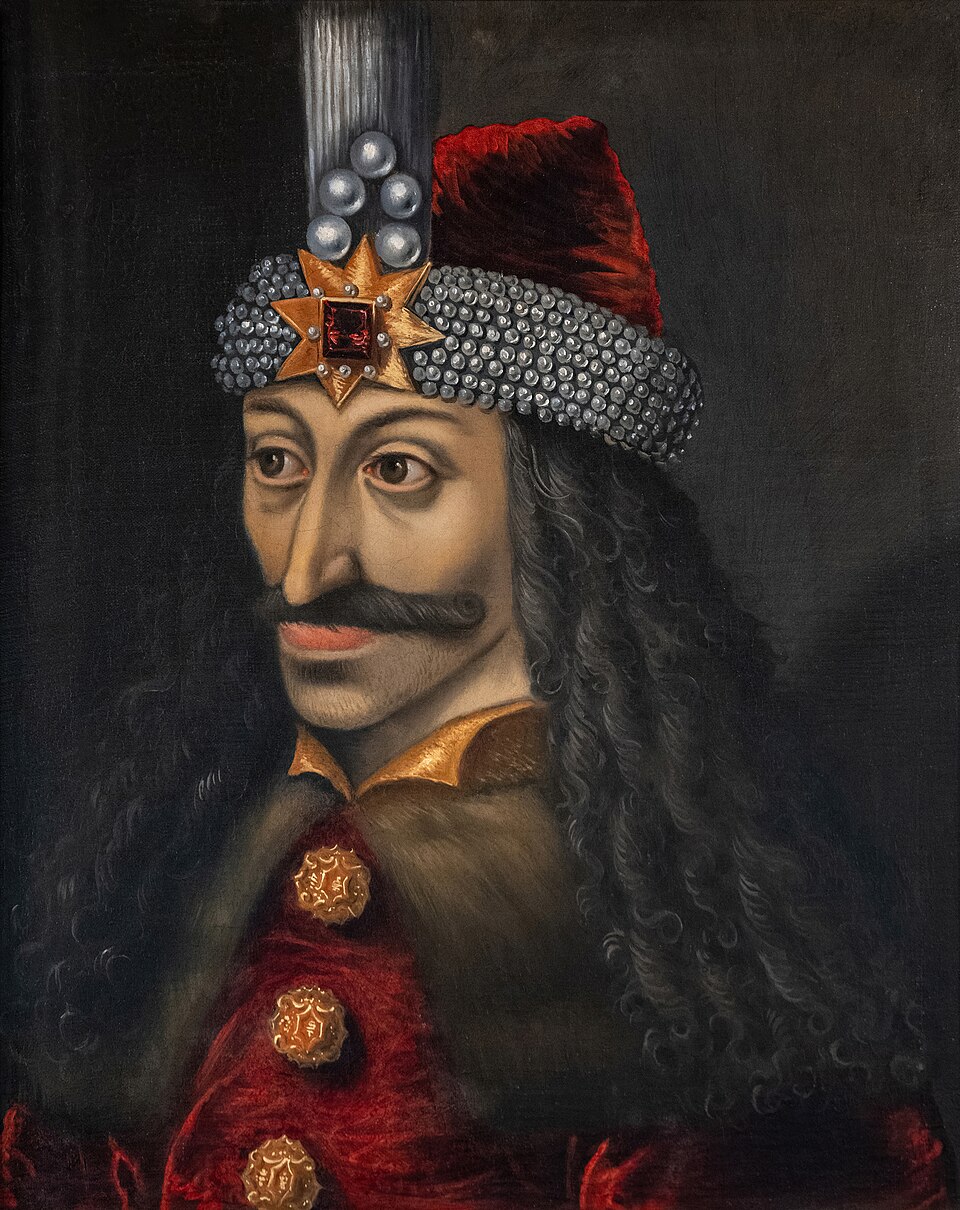
The Making of a Monster: Vlad the Impaler and the Birth of Dracula
Long before he was a vampire in a Victorian novel, he was a prince who impaled his enemies by the thousands — and forced a sultan to flee his own capital city in the dead of night.
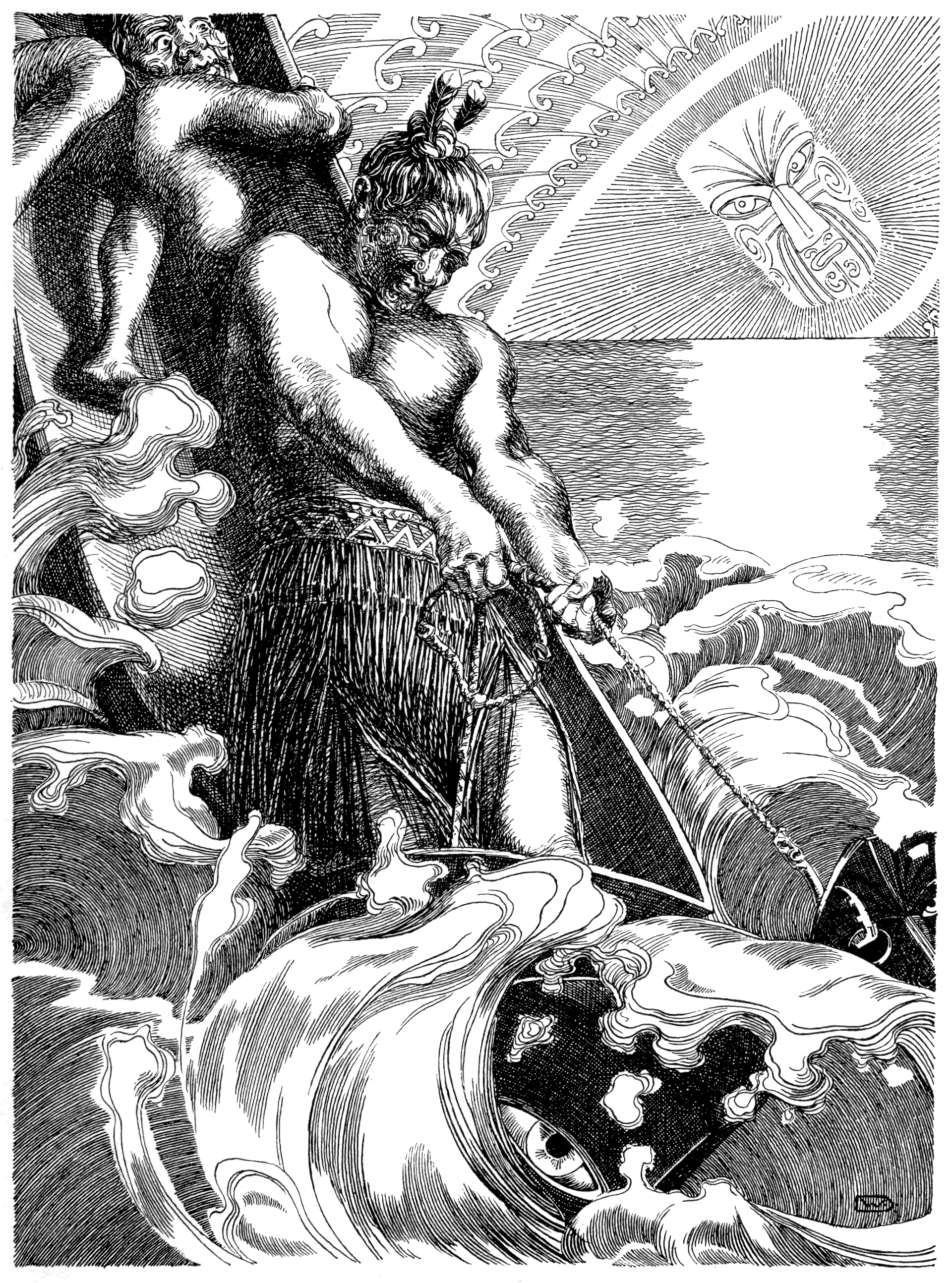
Māui: The Trickster Who Snared the Sun
Thrown into the sea as an unwanted infant, he grew into the demigod who lassoed the sun itself — and nearly cheated death for all of humanity.
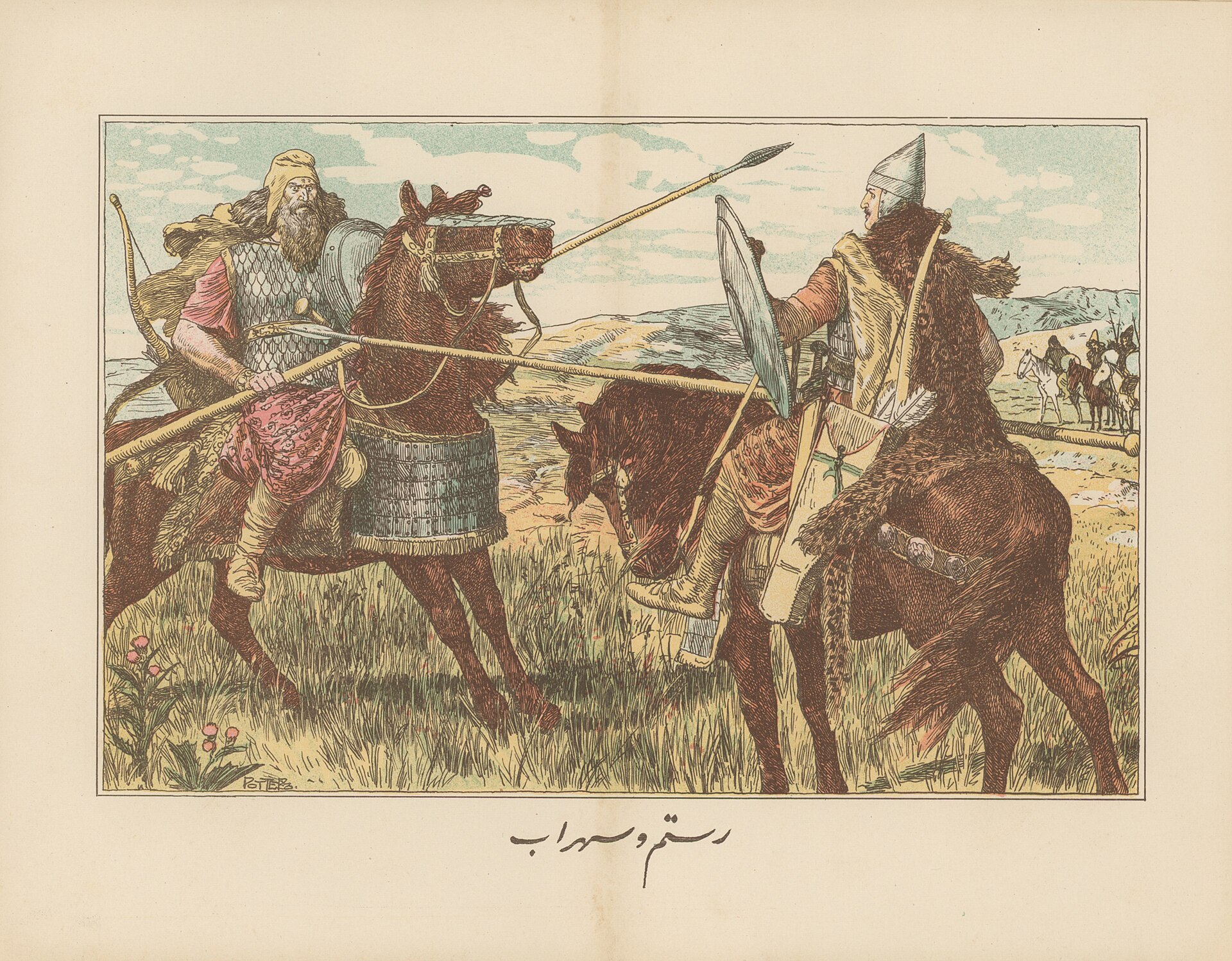
Rostam and Sohrab: The Father Who Killed His Son Unknowing
On a battlefield thick with dust, two of the greatest warriors of Iran and Turan grappled for hours — not knowing they were father and son.
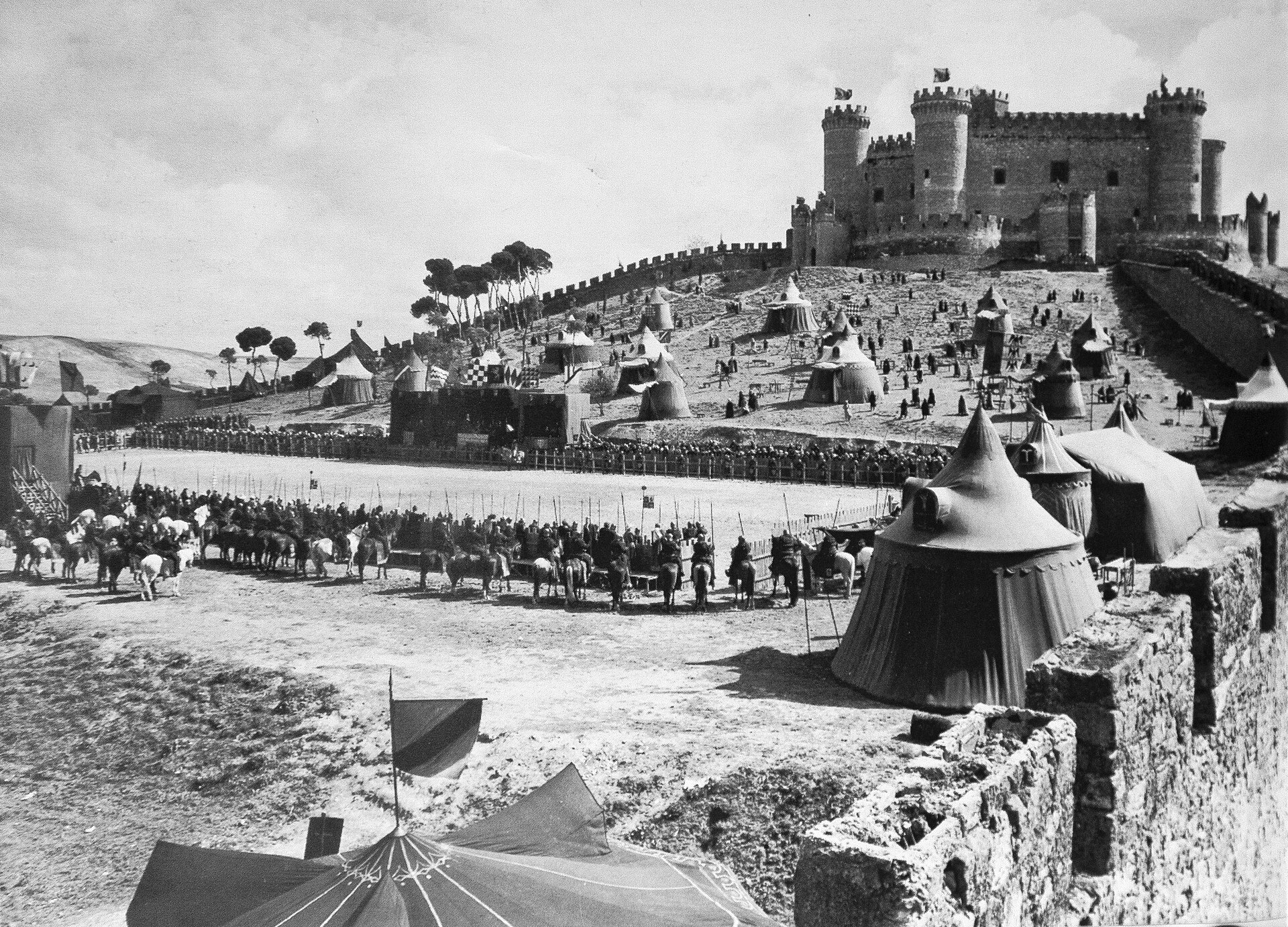
The Making of a Legend: El Cid on Screen
In 1961, a Castilian knight who died nine centuries earlier rode again — resurrected on a Spanish soundstage to flatter a dictator and dazzle the world.
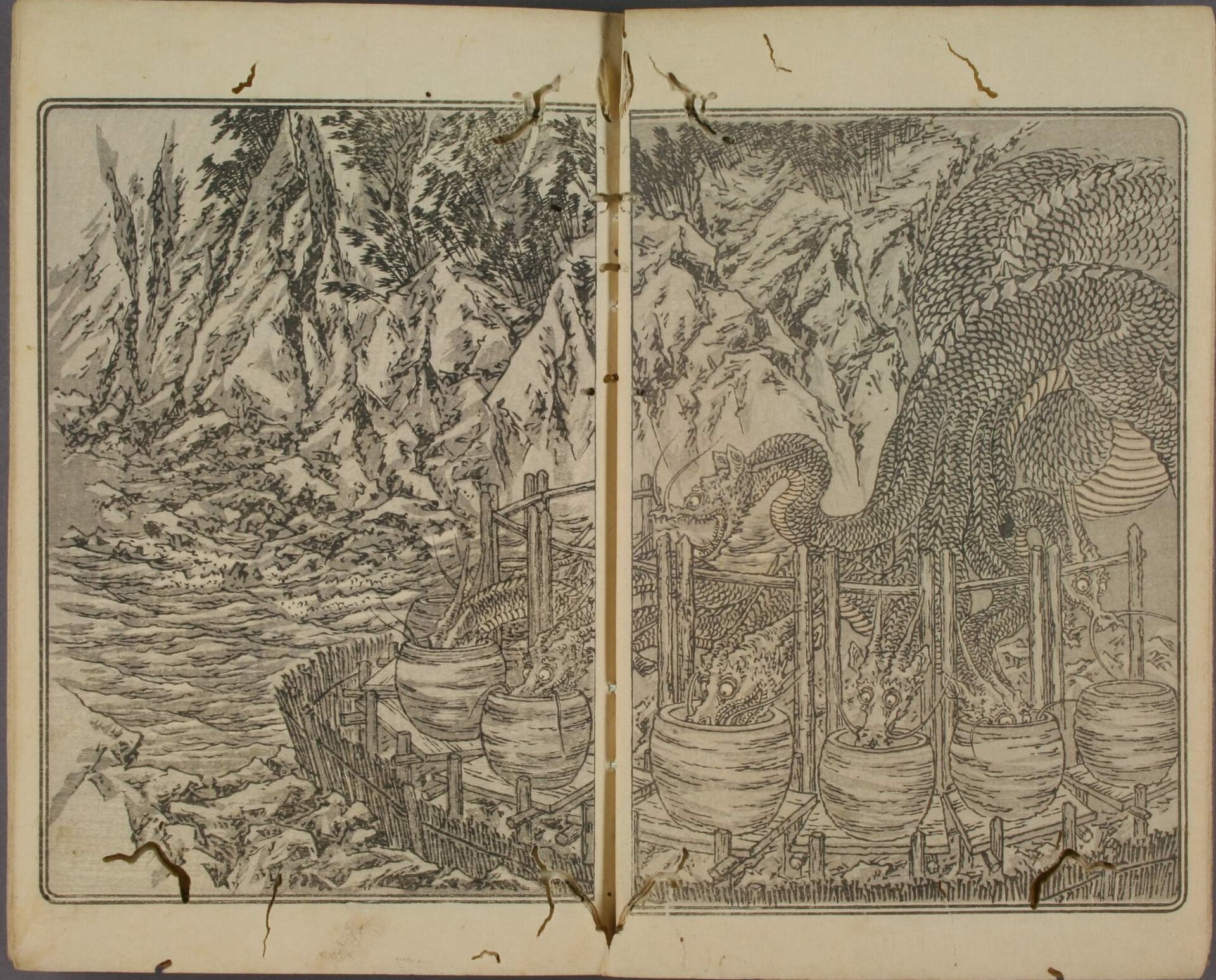
The Eight-Headed Serpent of the River Hi
An exiled god finds an old couple weeping by a river — the reason: a monster that eats one daughter every year, and this year it's the last one's turn.
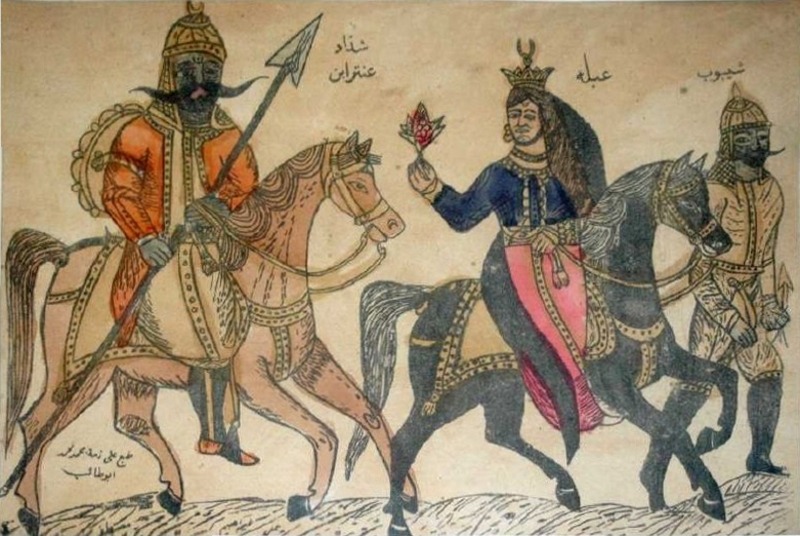
The Slave Who Became a Poet-Knight
A boy born to a slave mother was told he was fit only to milk goats. He would become one of the most celebrated warriors and poets the desert ever produced.

The Boy Who Sailed with a Talking Bird
A merchant's son loses everything to the sea — and finds a whole world of genies, giants, and lost family waiting on the other side of the waves.
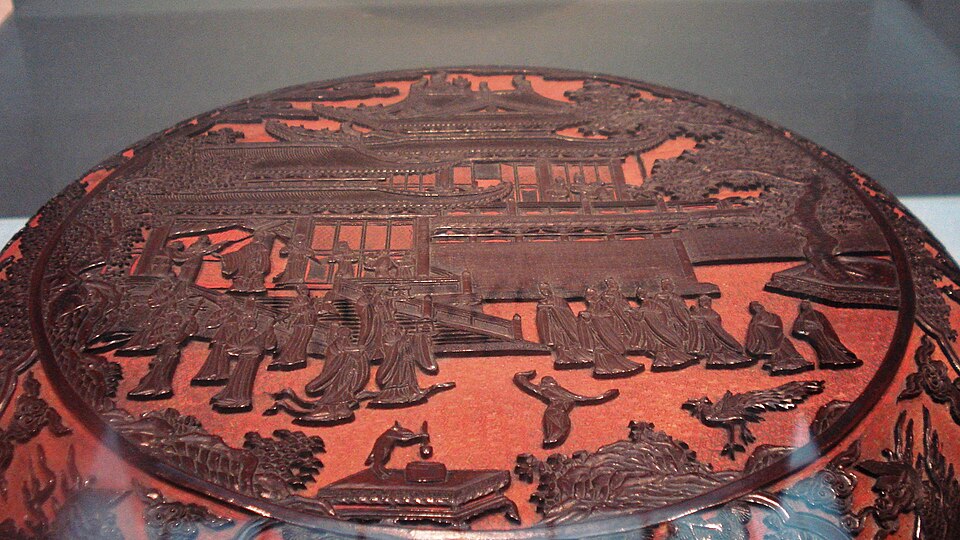
The Woman Who Flew to the Moon
Ten suns once scorched the earth, and the woman who paid the price for saving it ended up living alone on the Moon, with only a rabbit for company.

The Giant That Flew: Sikorsky's Ilya Muromets
Named for a folklore giant, this four-engine colossus carried a bedroom, a toilet, and sixteen passengers into the sky before it ever dropped a bomb.
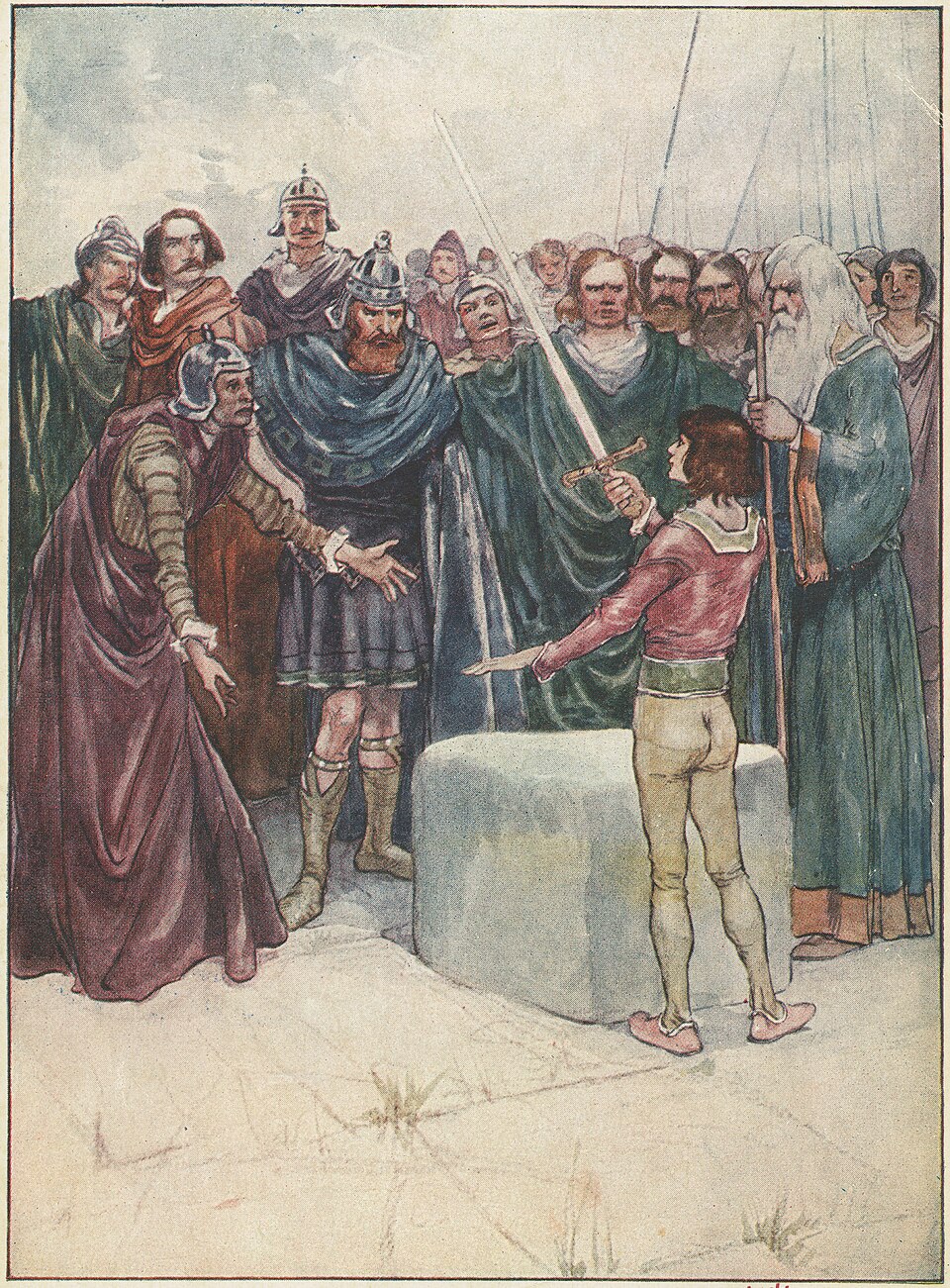
Excalibur: The Sword That Made a King
A blade in an anvil, a hand rising from a lake — the story of Excalibur is really two swords wearing one legend.
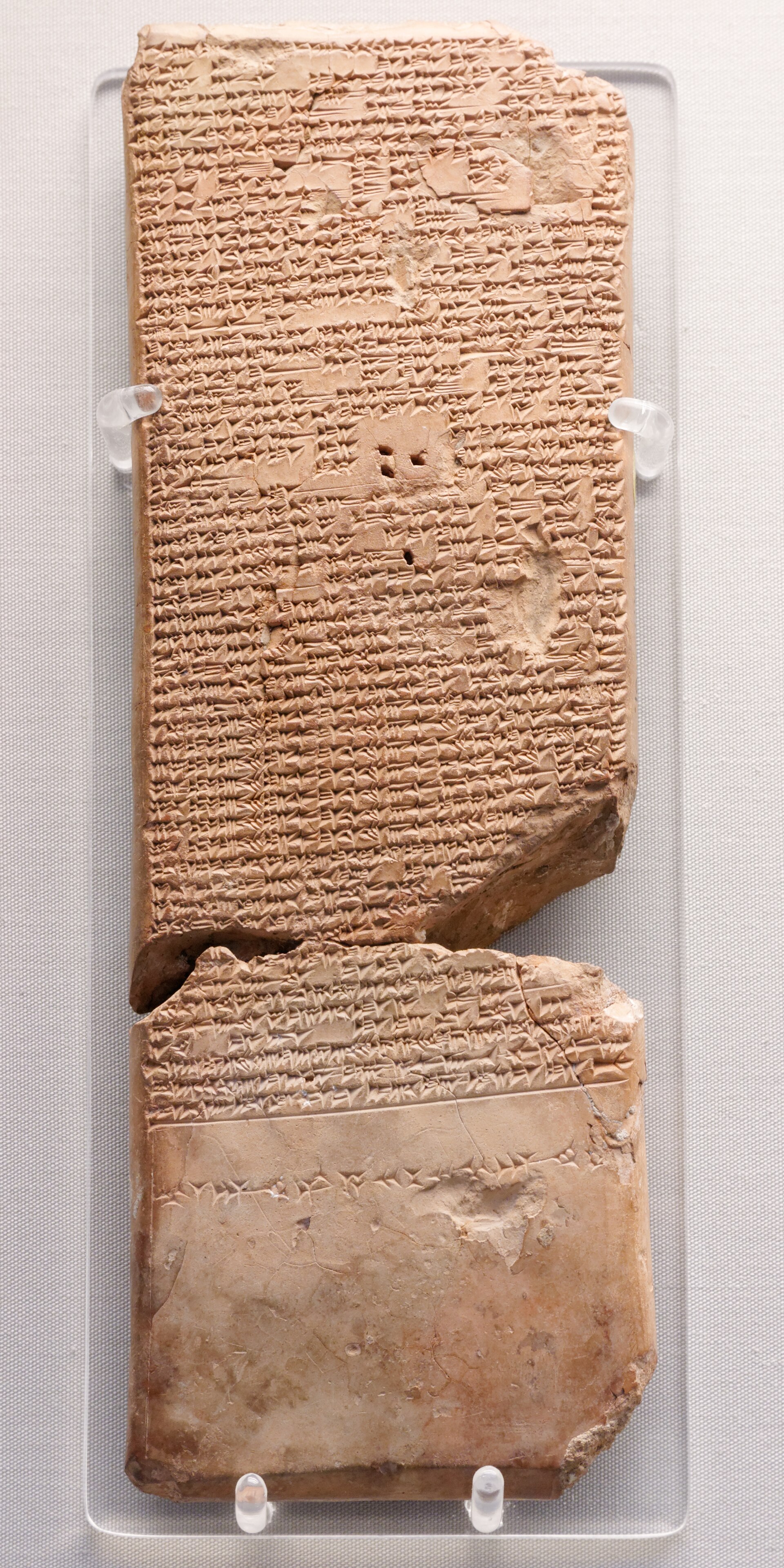
Queen of Heaven, Naked in the Underworld
To seize her sister's throne, the goddess of love and war walked willingly into death — and left instructions for her own resurrection before she went.
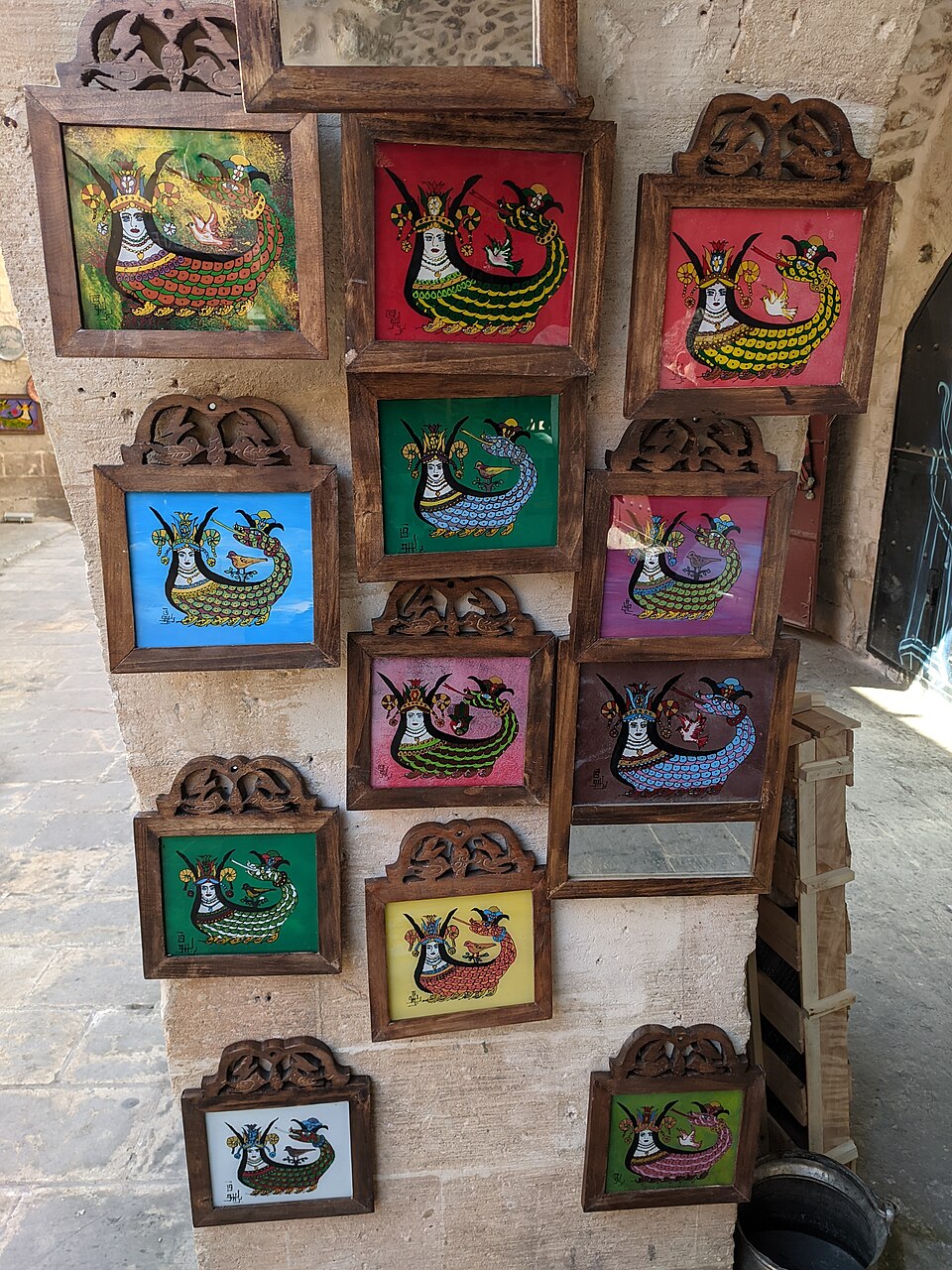
Shahmaran: The Queen of Serpents
Deep beneath Tarsus, seven layers into the earth, a woman with a snake's tail once ruled a garden no living man was meant to see — until one poor boy climbed down for honey and never fully climbed back out.
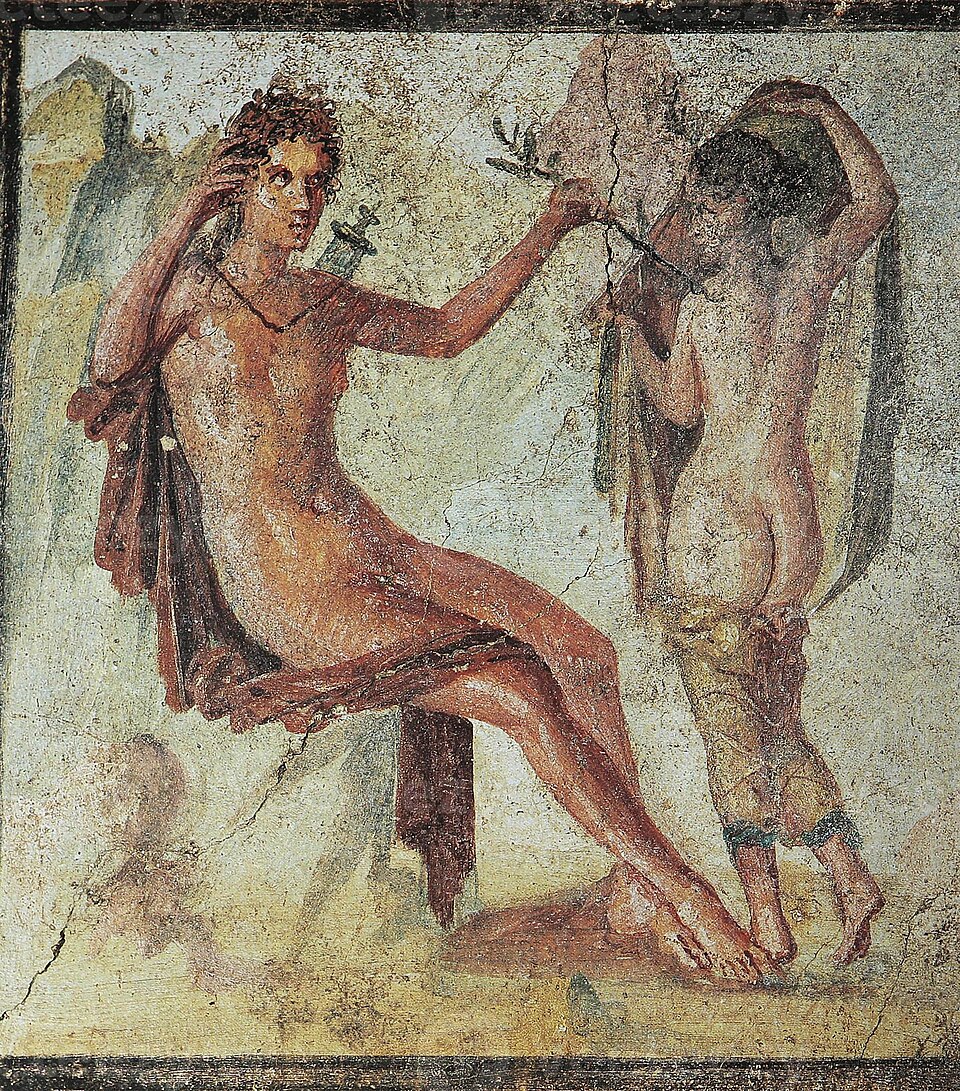
Apollo and Daphne: The Tree Born of a Chase
A boastful archer mocks a boy with a bow — and pays for it with an arrow to the heart. What follows is a chase that ends not in love, but in bark and leaves.
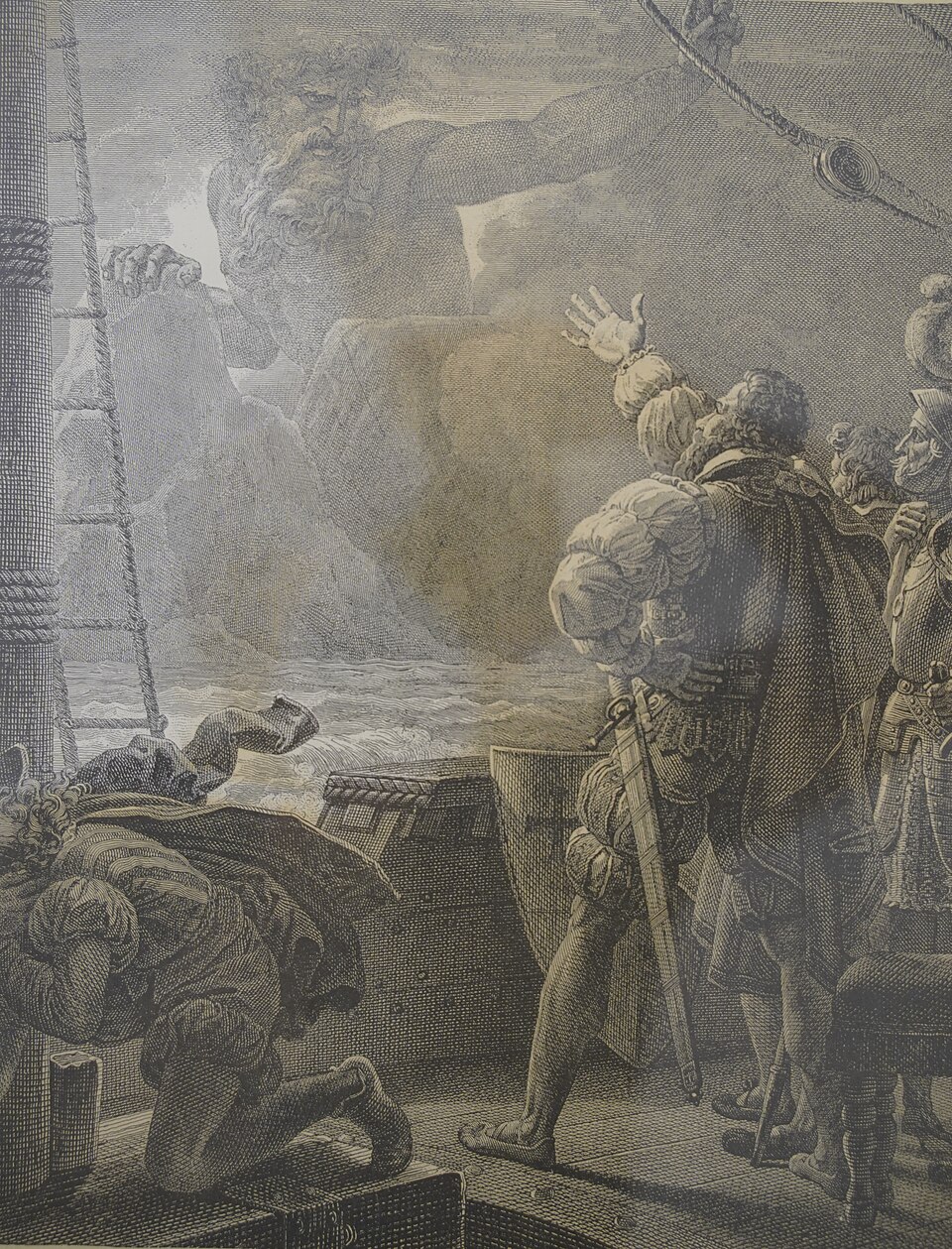
The Lusiads: Portugal's Epic of the Sea
An exiled poet, a fleet bound for India, and gods bickering on Olympus over the fate of a tiny kingdom — this is the poem that made a nation of sailors into legend.
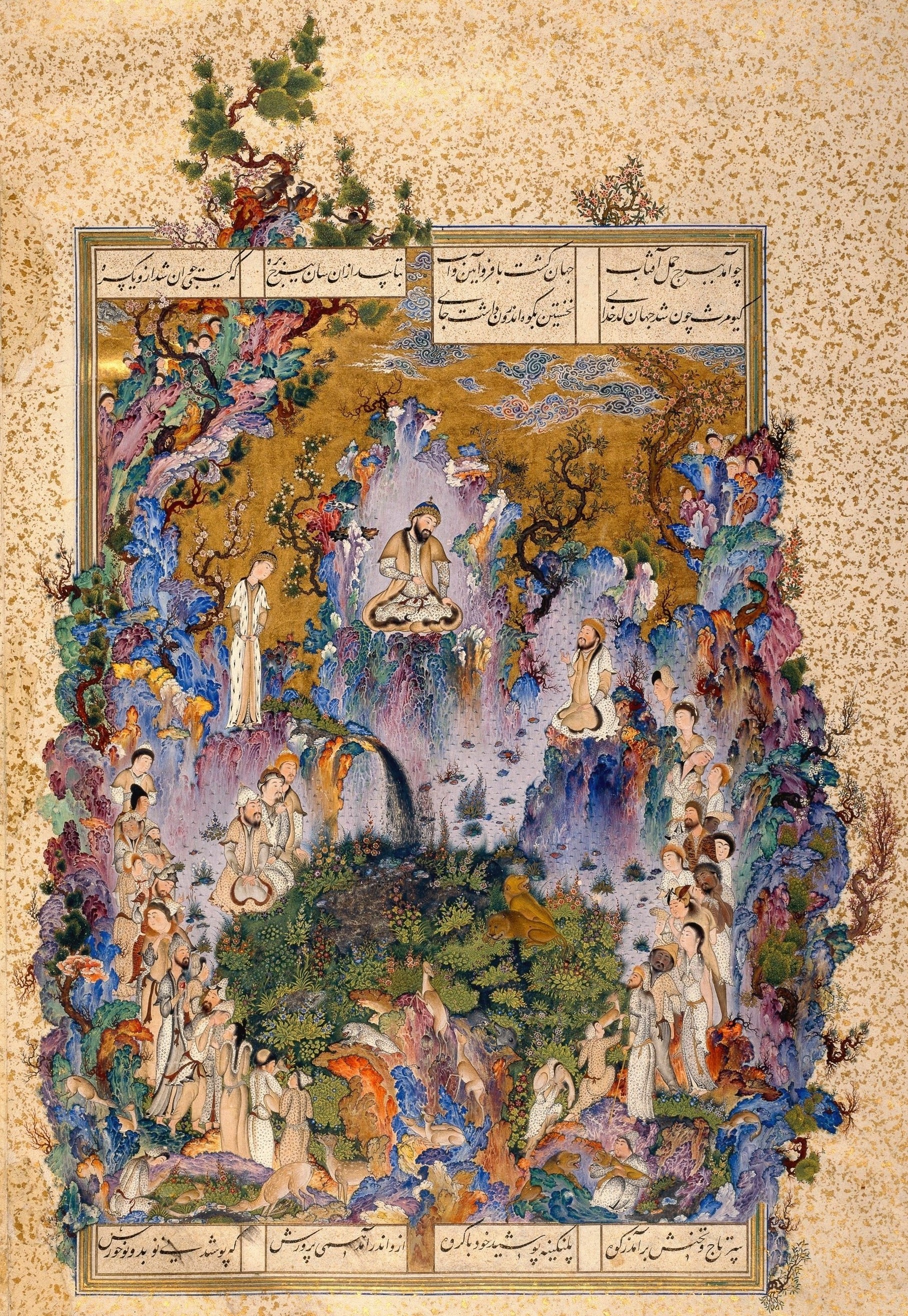
The Poet Who Outlasted an Empire
One man spent thirty-three years writing 50,000 couplets to keep a fallen empire's memory alive — and it worked.
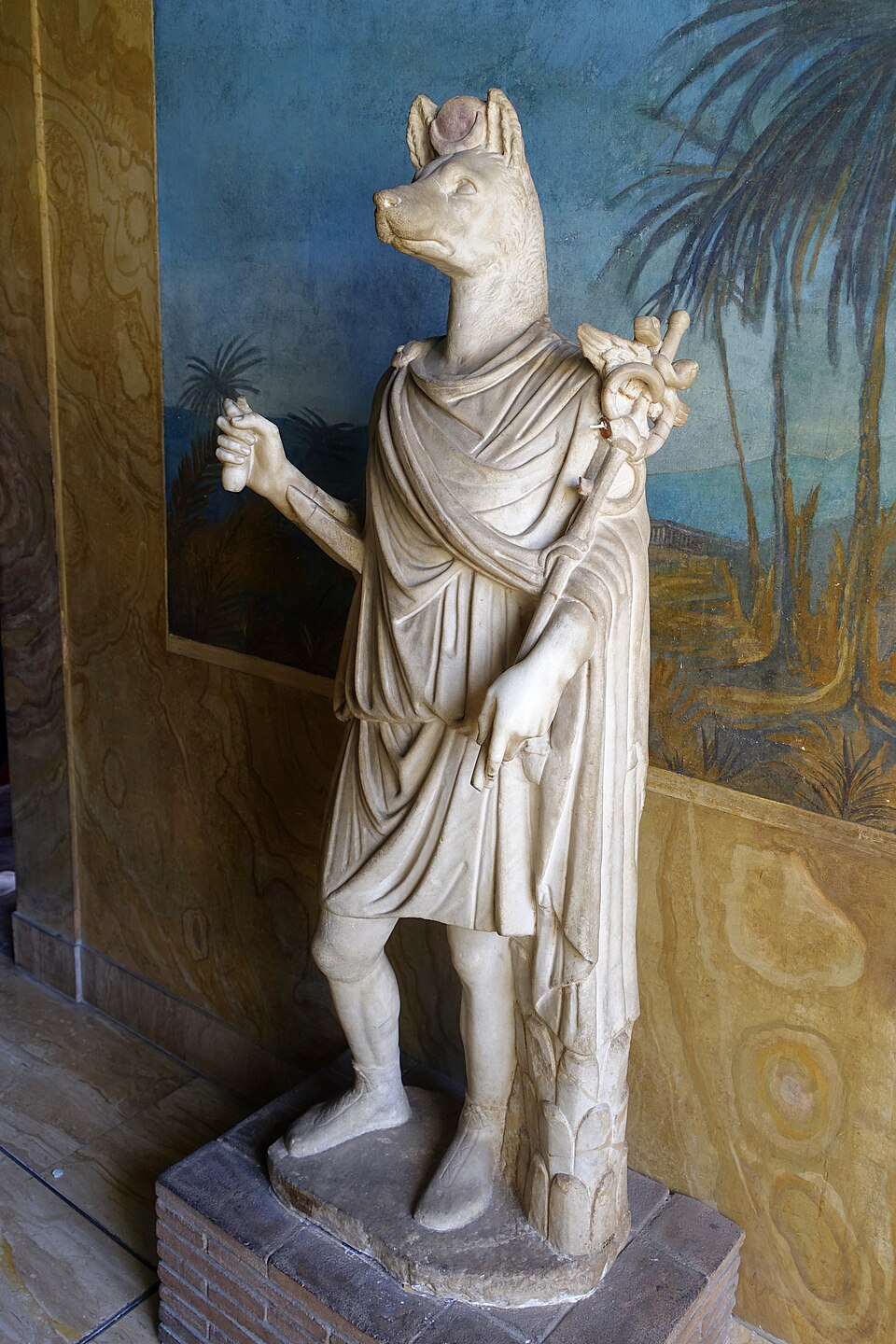
The Jackal Who Weighed the Human Heart
Long before any court of law existed, the ancient Egyptians imagined a courtroom in the underworld — presided over by a black jackal-headed god holding the scales of your fate.
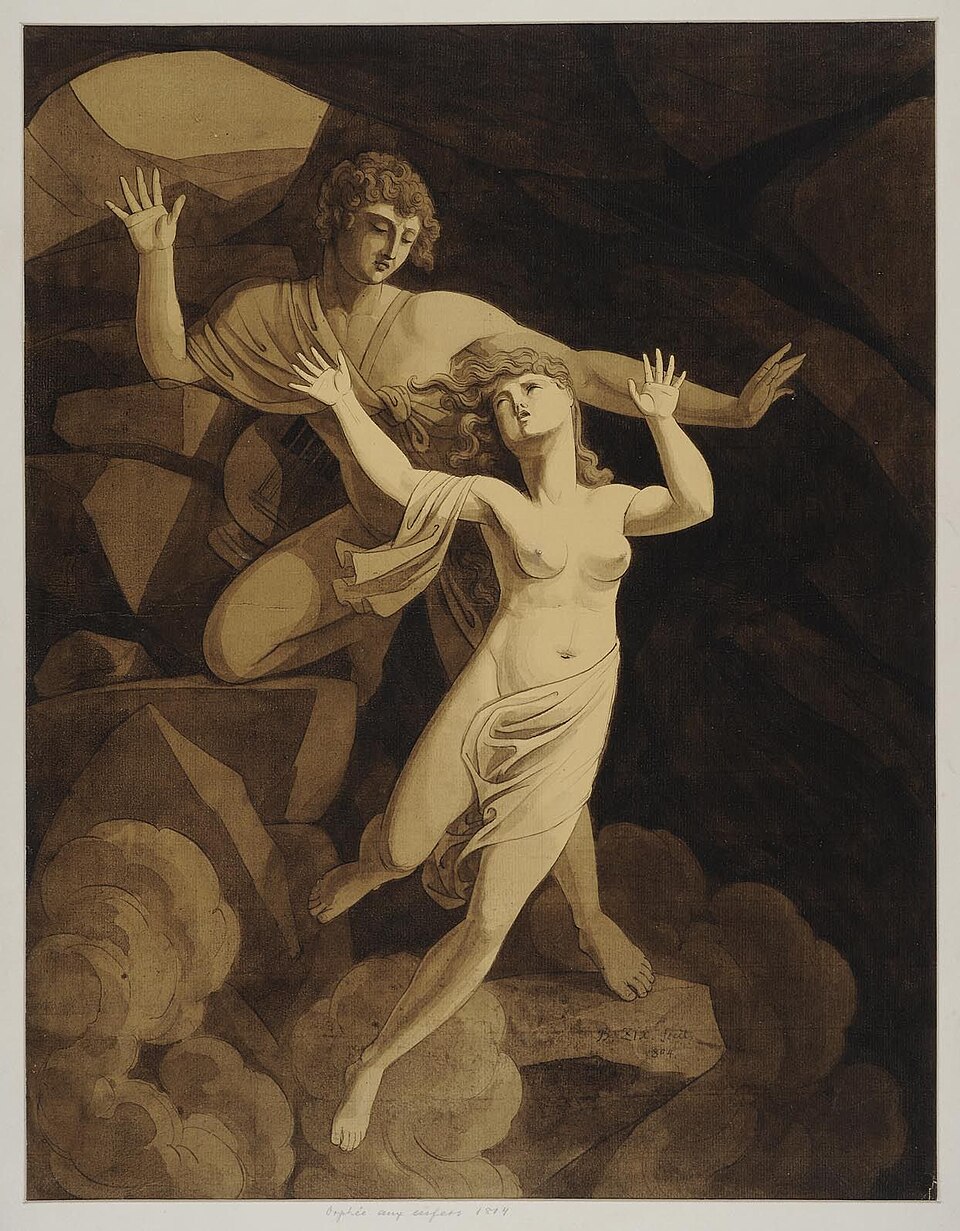
The Look Back: Orpheus and the Song That Failed the Underworld
A grieving musician charmed death itself into mercy — but a single glance undid the miracle. This is the story of the price of doubt.
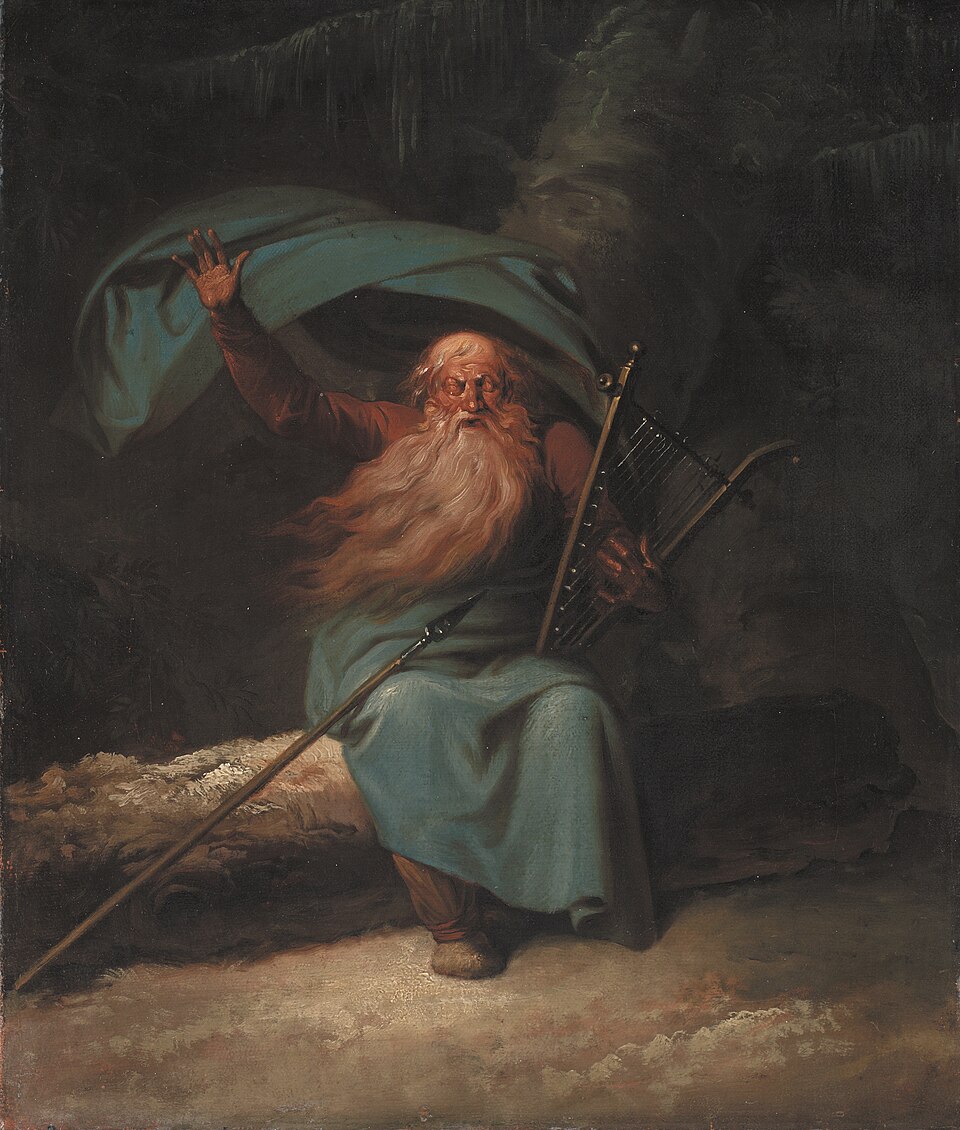
The Bard Who Never Was: The Ossian Deception That Conquered Europe
A blind Highland bard, singing of mist and grief and dead heroes, captivated Napoleon, Jefferson, and Goethe — but the man who 'found' his poems may have written them himself.
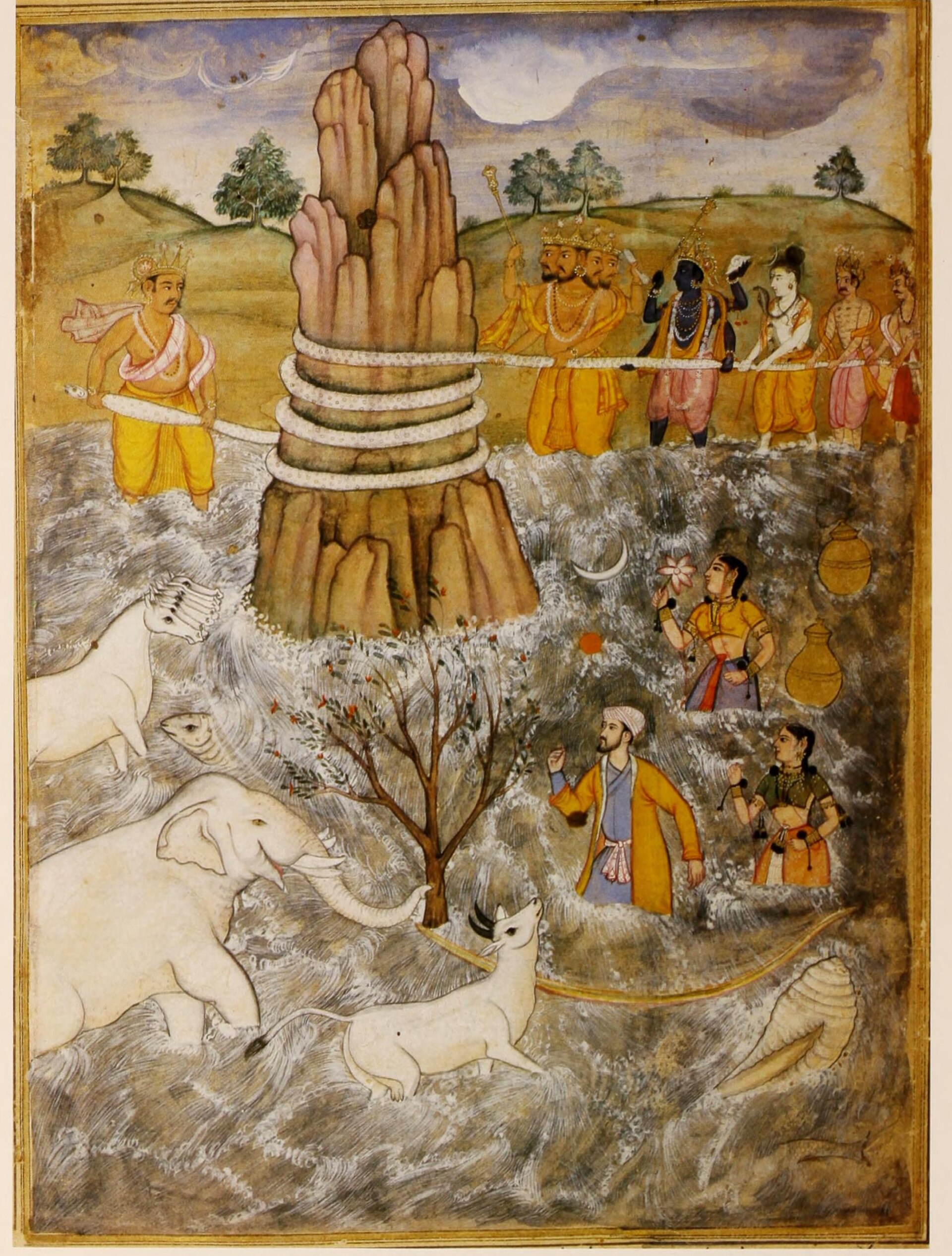
The Ocean That Gave Up Immortality
When a slighted sage's curse stripped the gods of their power, heaven and hell struck an uneasy bargain — to churn an entire ocean of milk for the secret of eternal life.
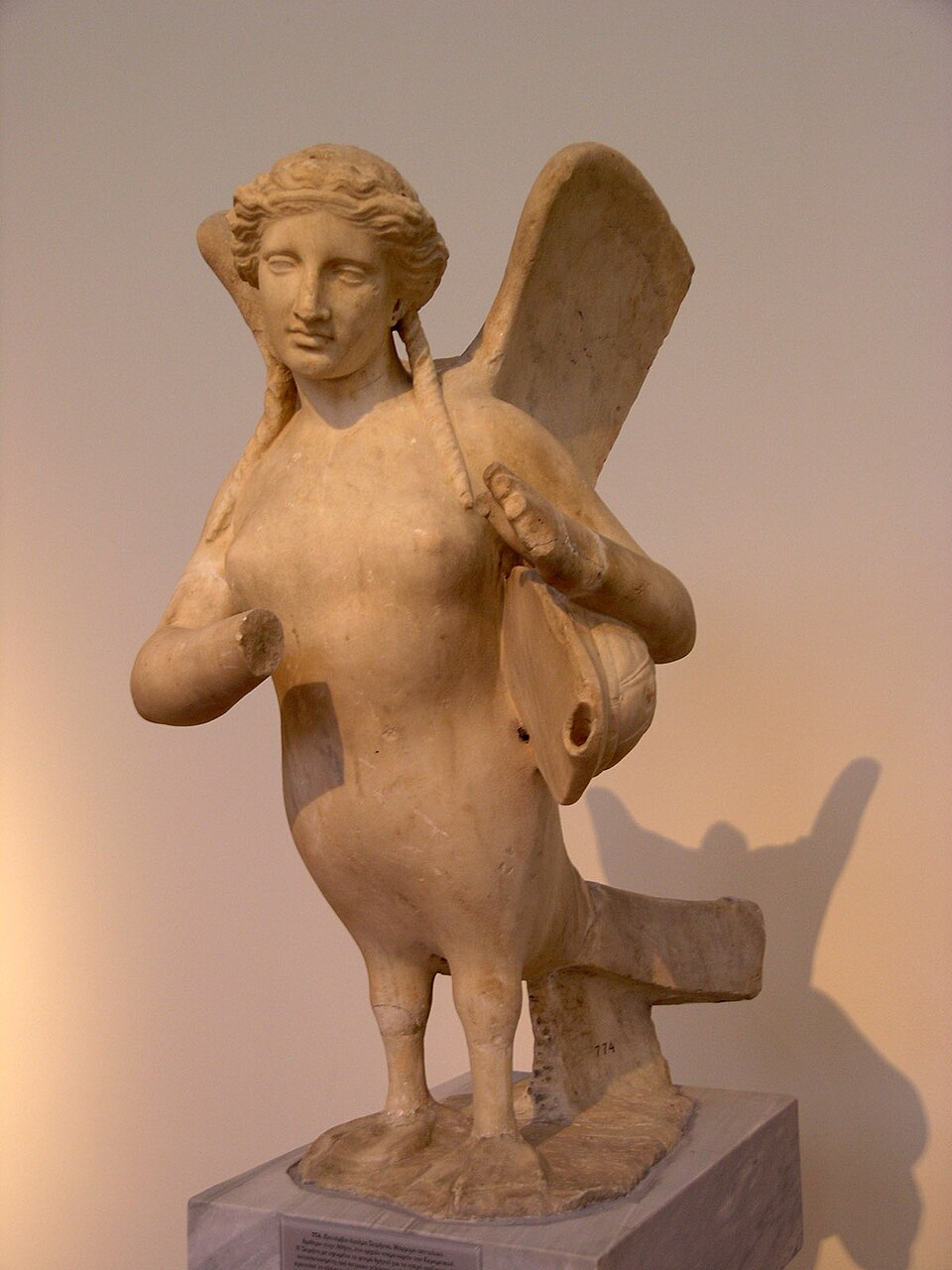
The Rocks Where Song Became a Weapon
A voice so sweet it could unmake a ship — and the only defense was wax, rope, and refusing to listen.
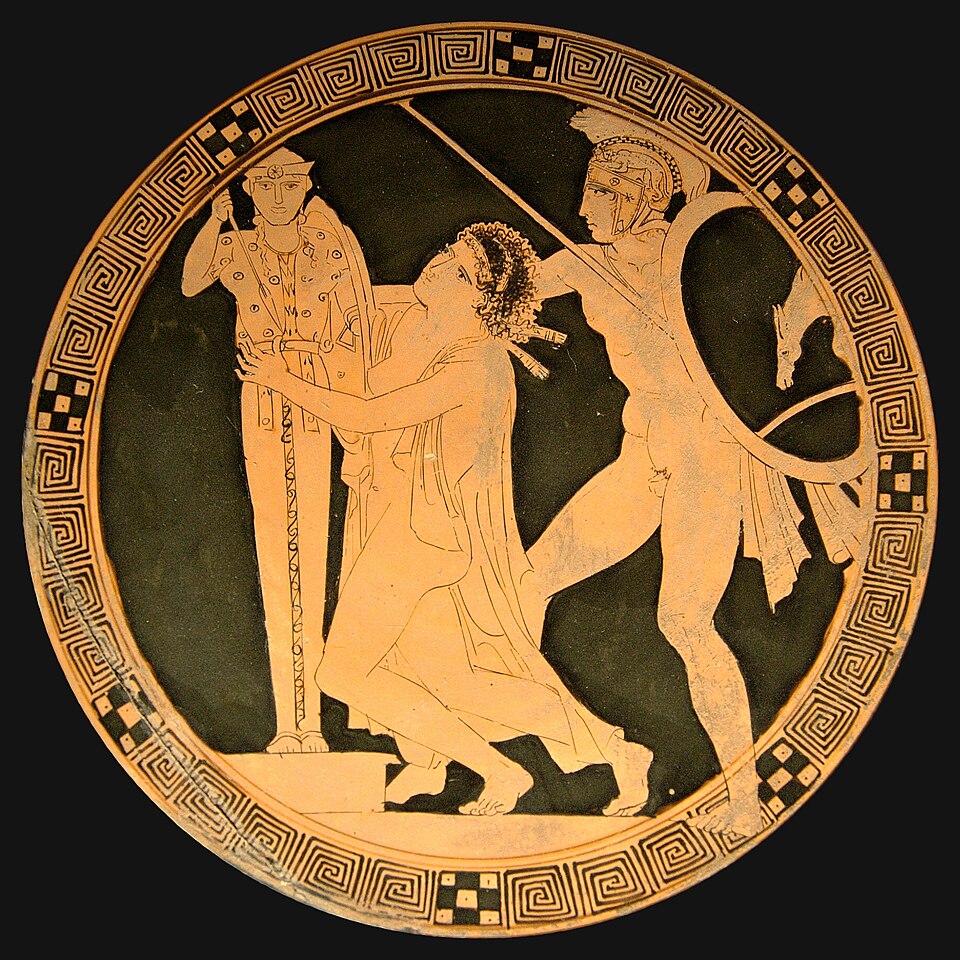
Cassandra: The Prophet No One Believed
She saw the wooden horse for what it was, watched Troy burn in her mind before it burned in truth — and could not make a single soul listen.
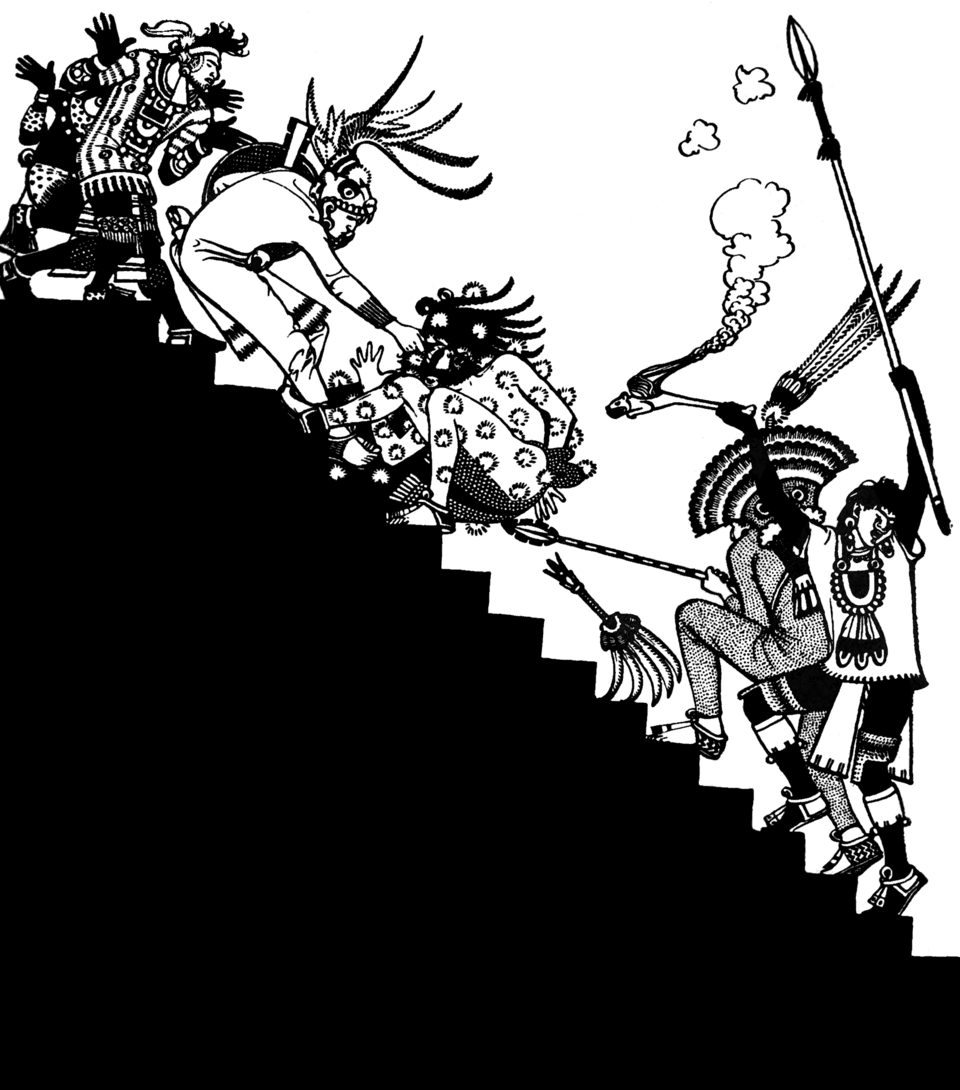
The Hummingbird That Ate the Sun
He tore free from his mother's womb already armored for war, and beheaded his own sister on a mountaintop before the sun had even risen. Meet the god who demanded blood to keep the world turning.
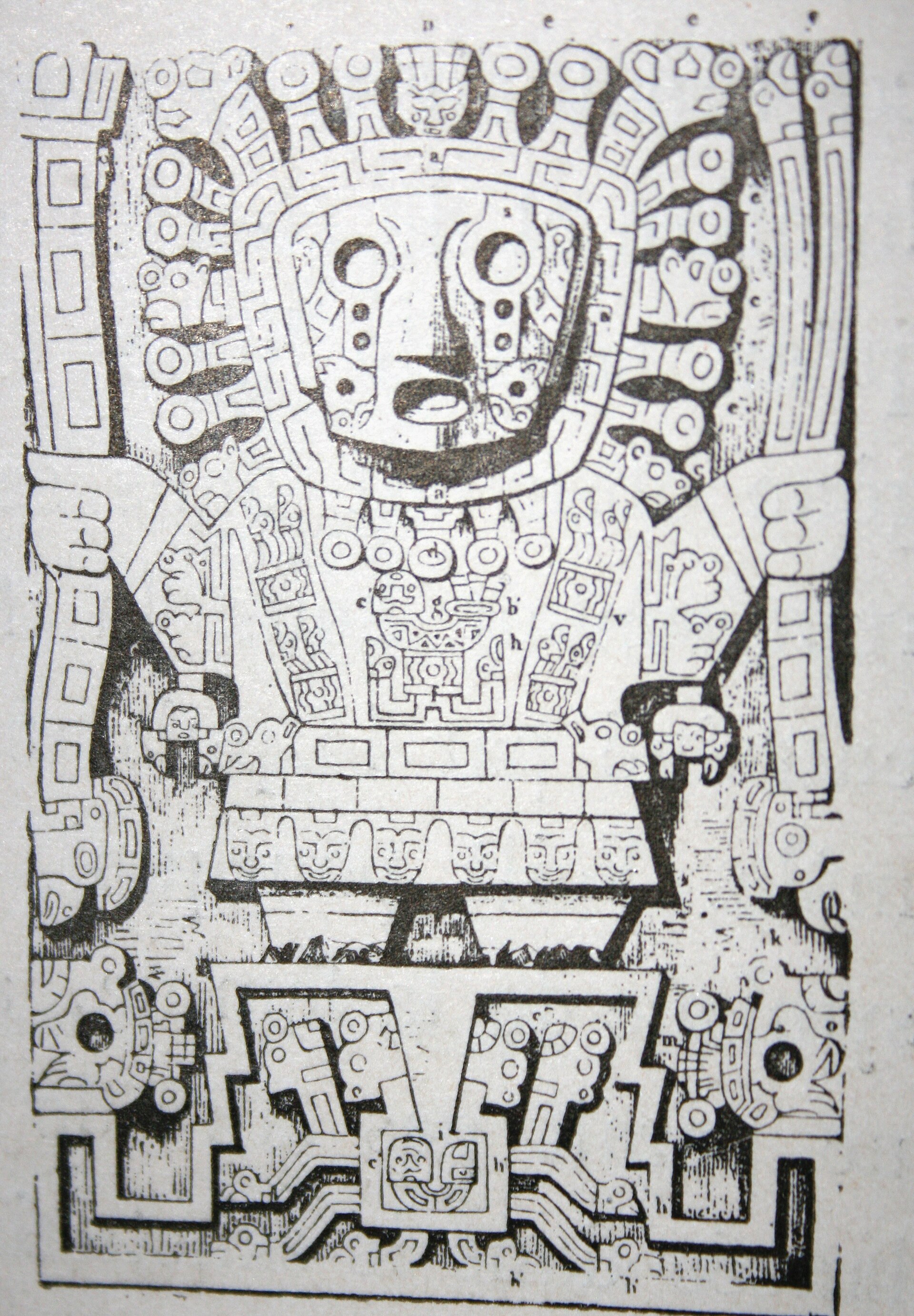
Viracocha: The God Who Walked Out to Sea
A bearded stranger rose from the icy waters of Lake Titicaca, built the sun and stars, then wept at what humanity became — before vanishing across the Pacific forever.
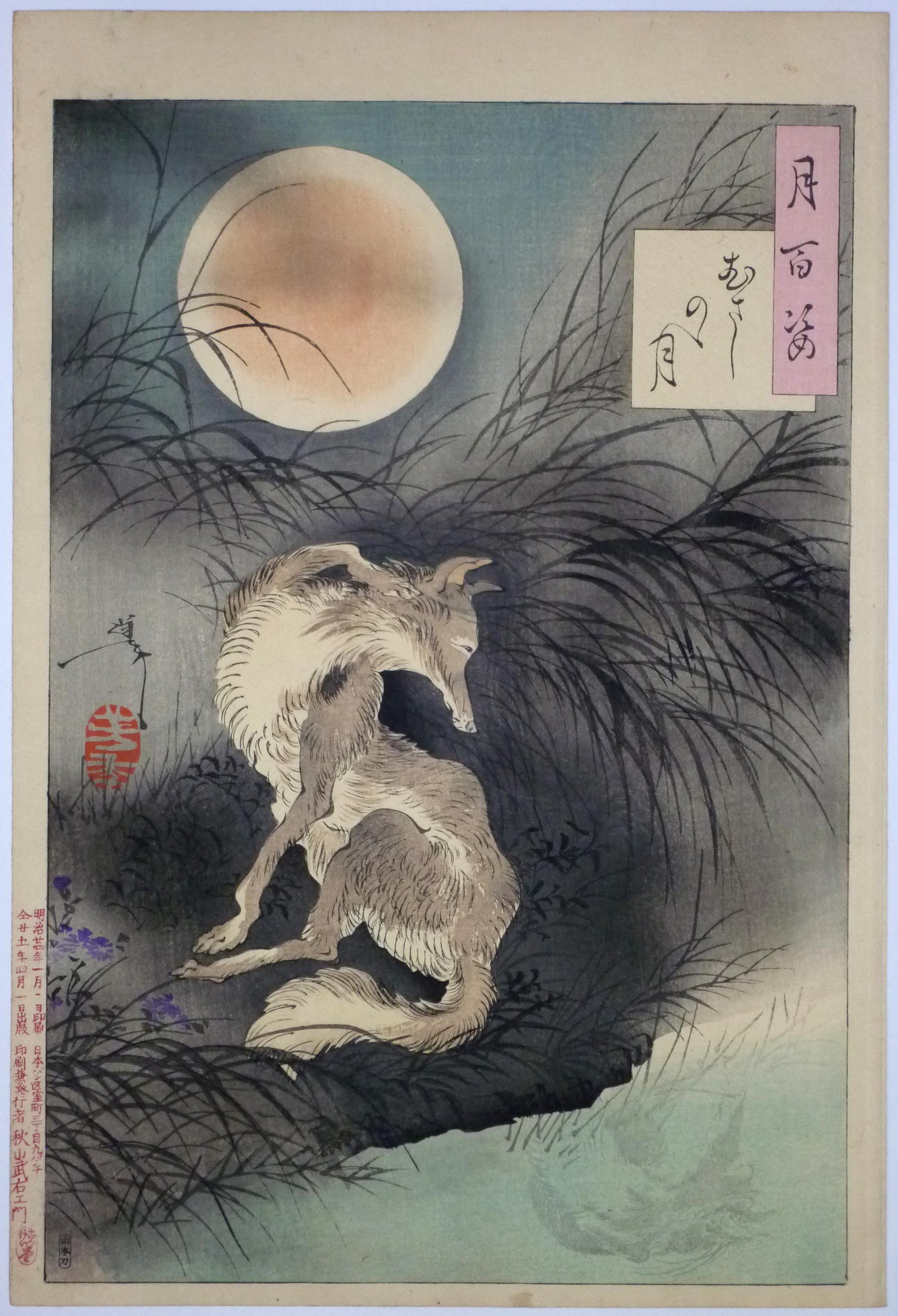
The Fox That Wore a Human Face
In the mountains after dark, travelers still lose their way — and for centuries, the Japanese have known exactly who to blame.
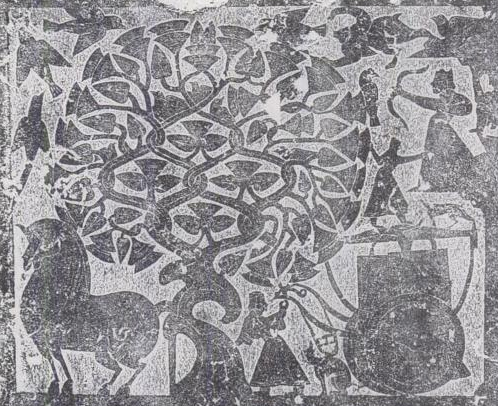
The Archer Who Shot Down Nine Suns
When ten suns rose together and set the earth on fire, one man raised a bow against the sky itself.
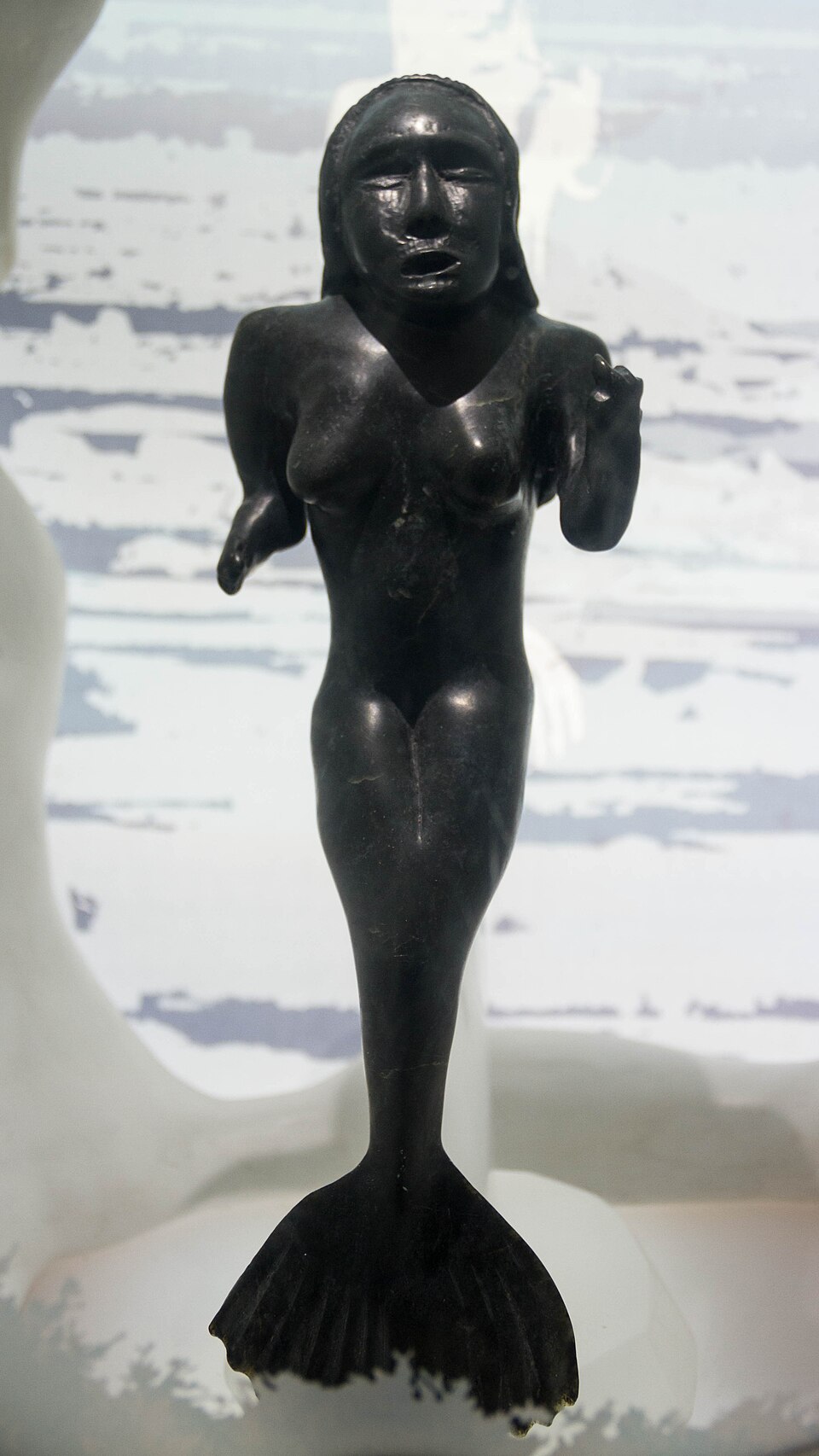
The Woman Whose Fingers Became the Seals
At the bottom of the Arctic sea lives a goddess with no fingers and total power over every whale, walrus and seal — and she got that way because someone she trusted threw her overboard.
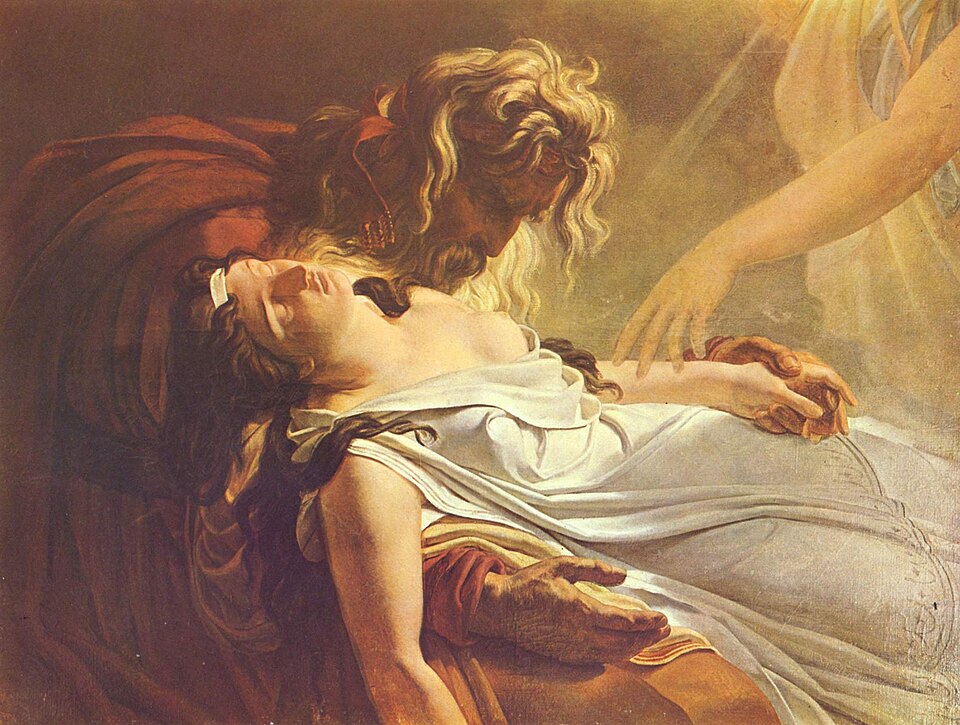
Fionn mac Cumhaill: The Hero Who Tasted the Salmon of Wisdom
An outlawed child hiding in the forests of Ireland would one day burn his thumb on a fish — and gain the wisdom of the world.
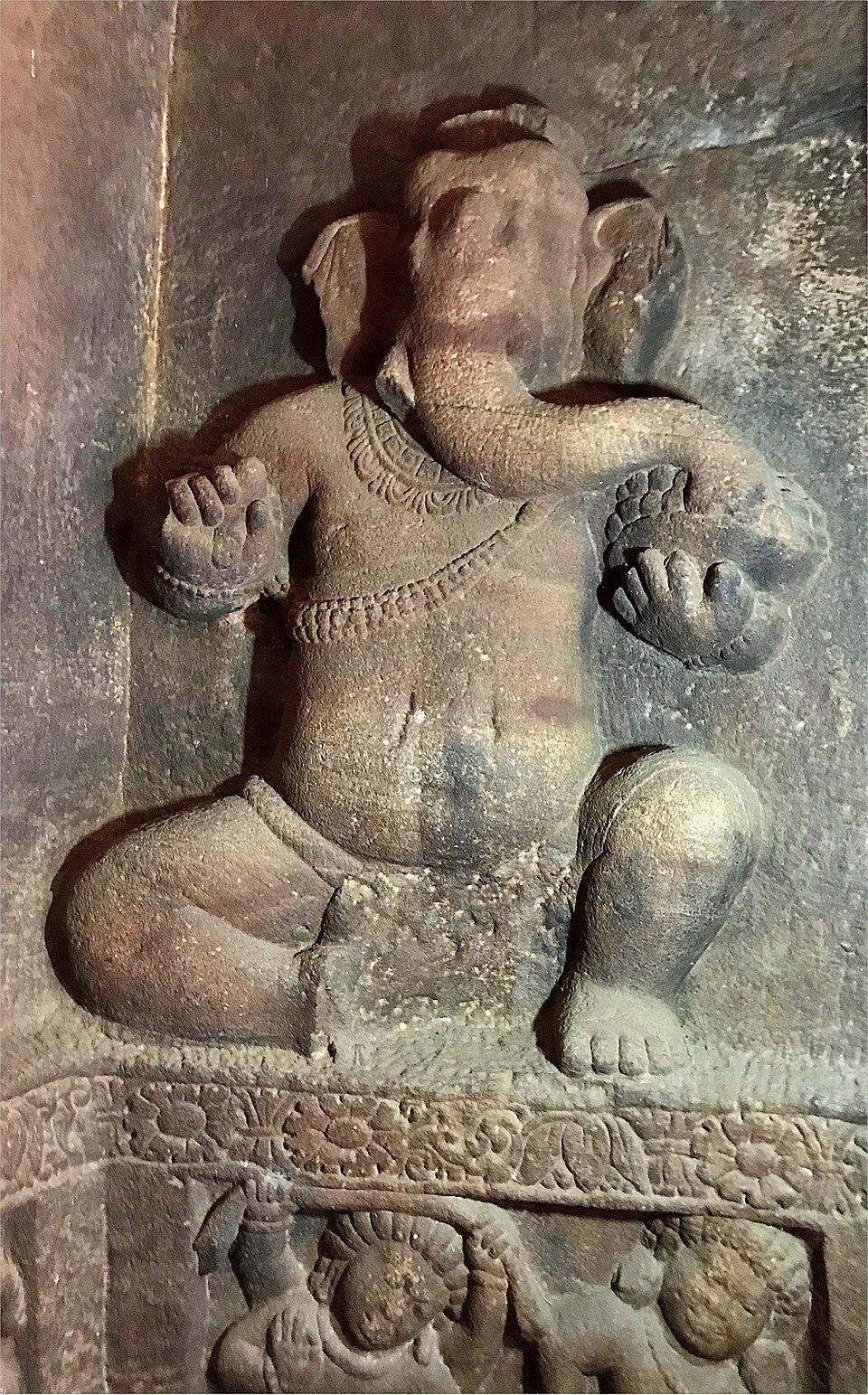
Ganesha: The Elephant-Headed Lord Who Clears the Way
Before any prayer begins, before any journey starts, Hindus turn first to a god with an elephant's head and a broken tusk — because nothing, they believe, should be attempted without him.
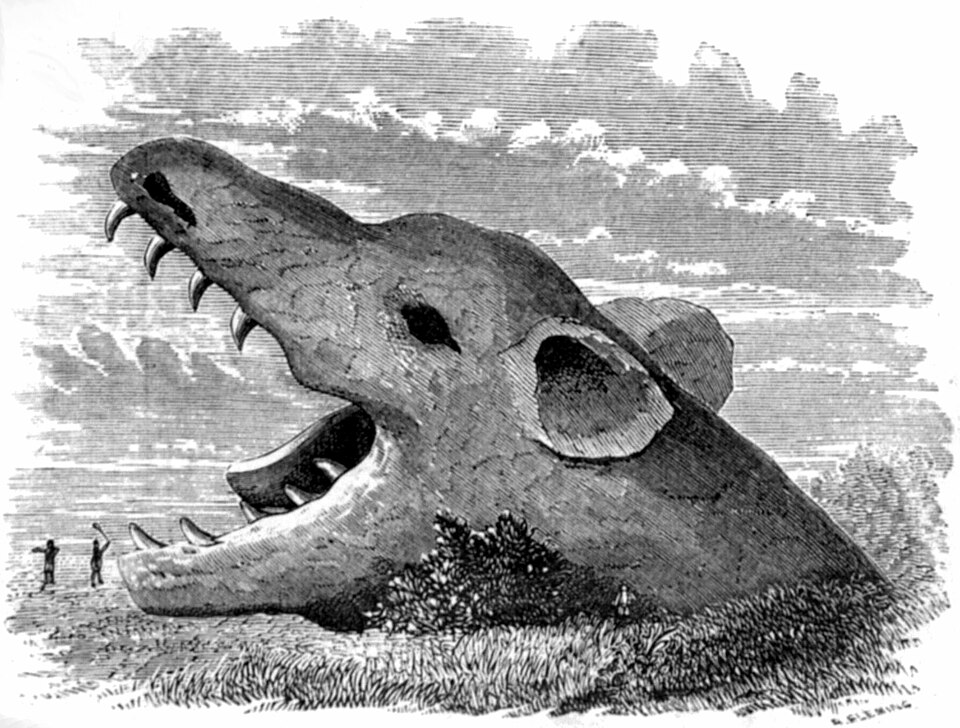
The Wolf Bound in Silence: Fenrir and the Debt of a Hand
The gods raised him like a pet, fed him, watched him grow — until they realized the only way to survive him was to trick him with a chain no eye could see.
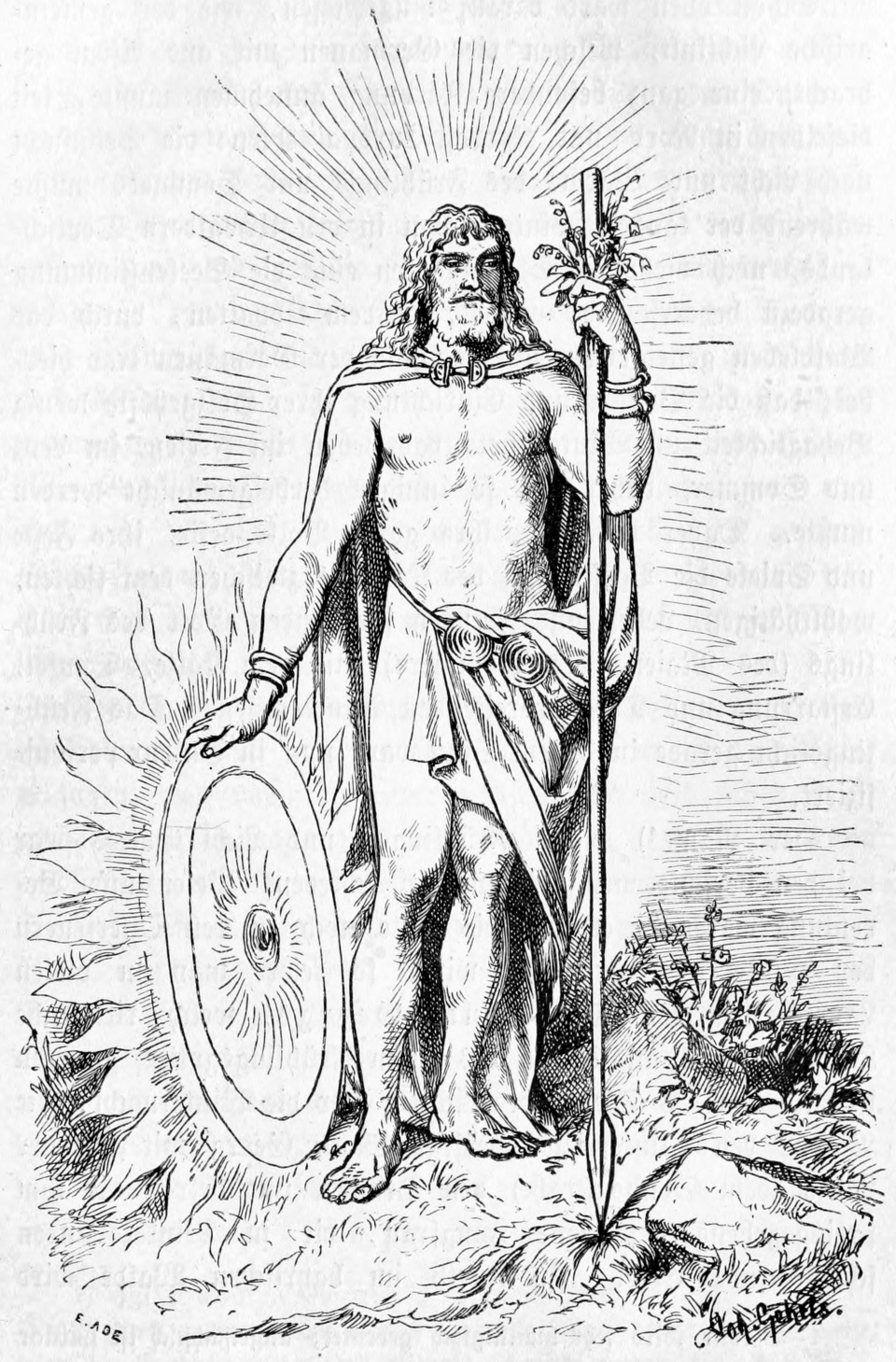
The God Who Could Not Be Wounded
Every arrow in Asgard bent harmlessly around him — until a sprig of mistletoe found the one gap in his armor of oaths.
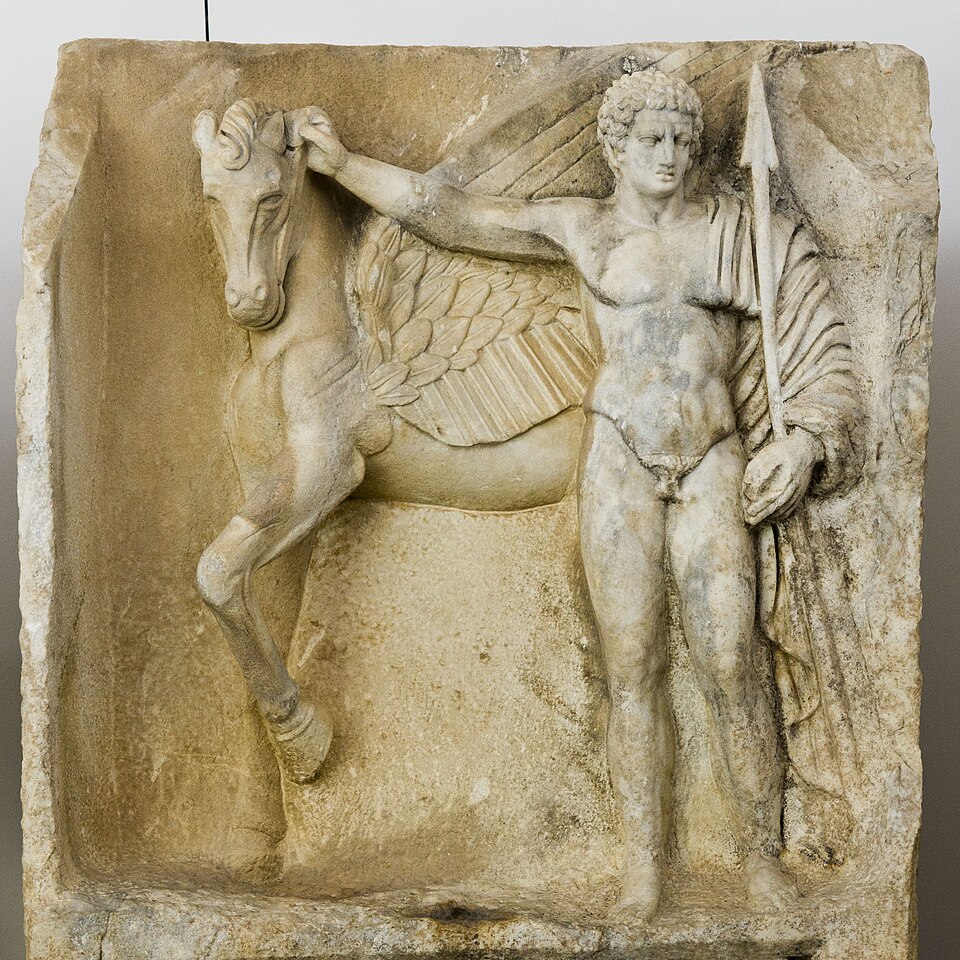
Bellerophon and Pegasus: The Rider of the Winged Horse
A young man exiled for a killing is handed a death sentence disguised as a mission — and answers it by taming a horse born of a monster's blood.
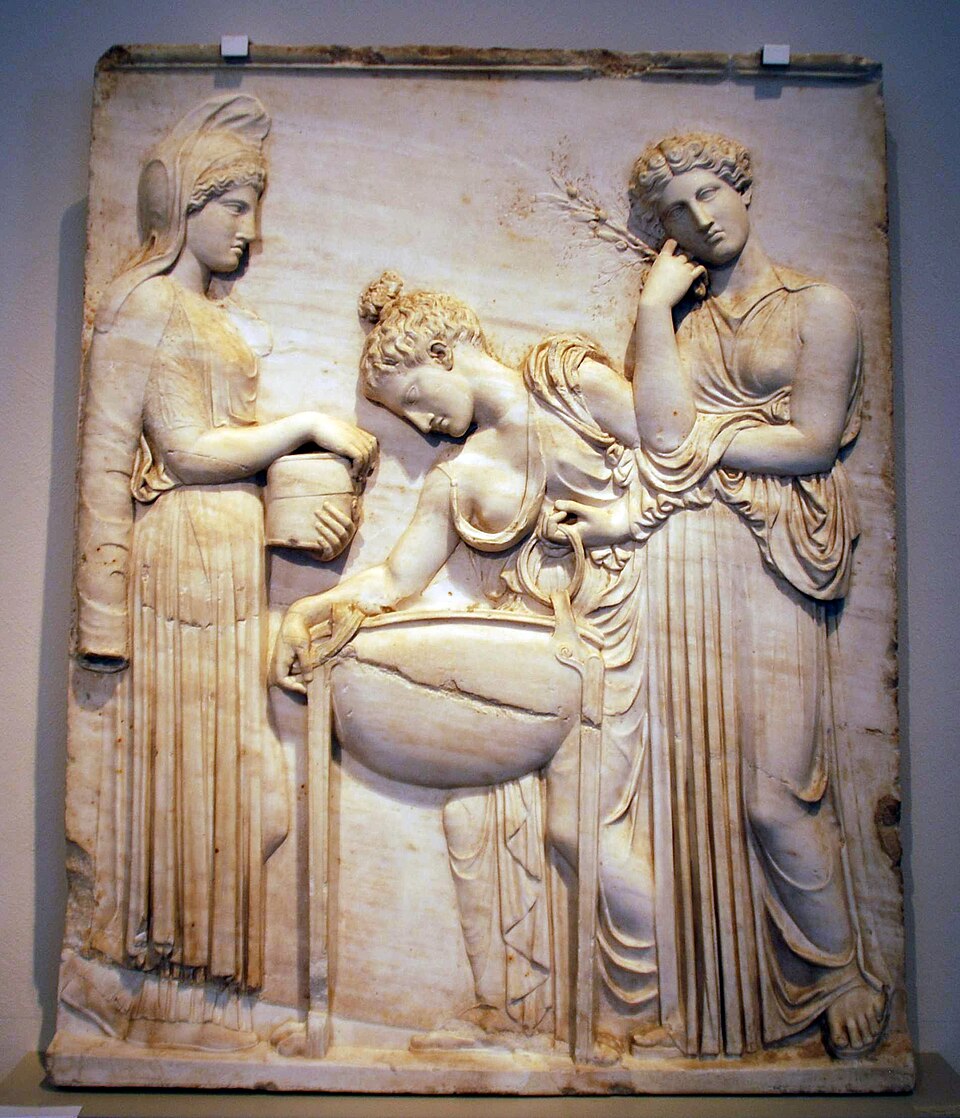
Medea: The Sorceress Who Made Betrayal Bleed
She helped a stranger steal her father's crown jewel, killed her own half-brother to buy his escape — and years later, love curdled into the most terrible revenge myth ever told.

Mem and Zin: The Love That Even Death Could Not Unite
Two lovers, two rings exchanged in a moment of disguise and festivity, and a rivalry so bitter that even the ground beneath their graves refuses to let them rest side by side.
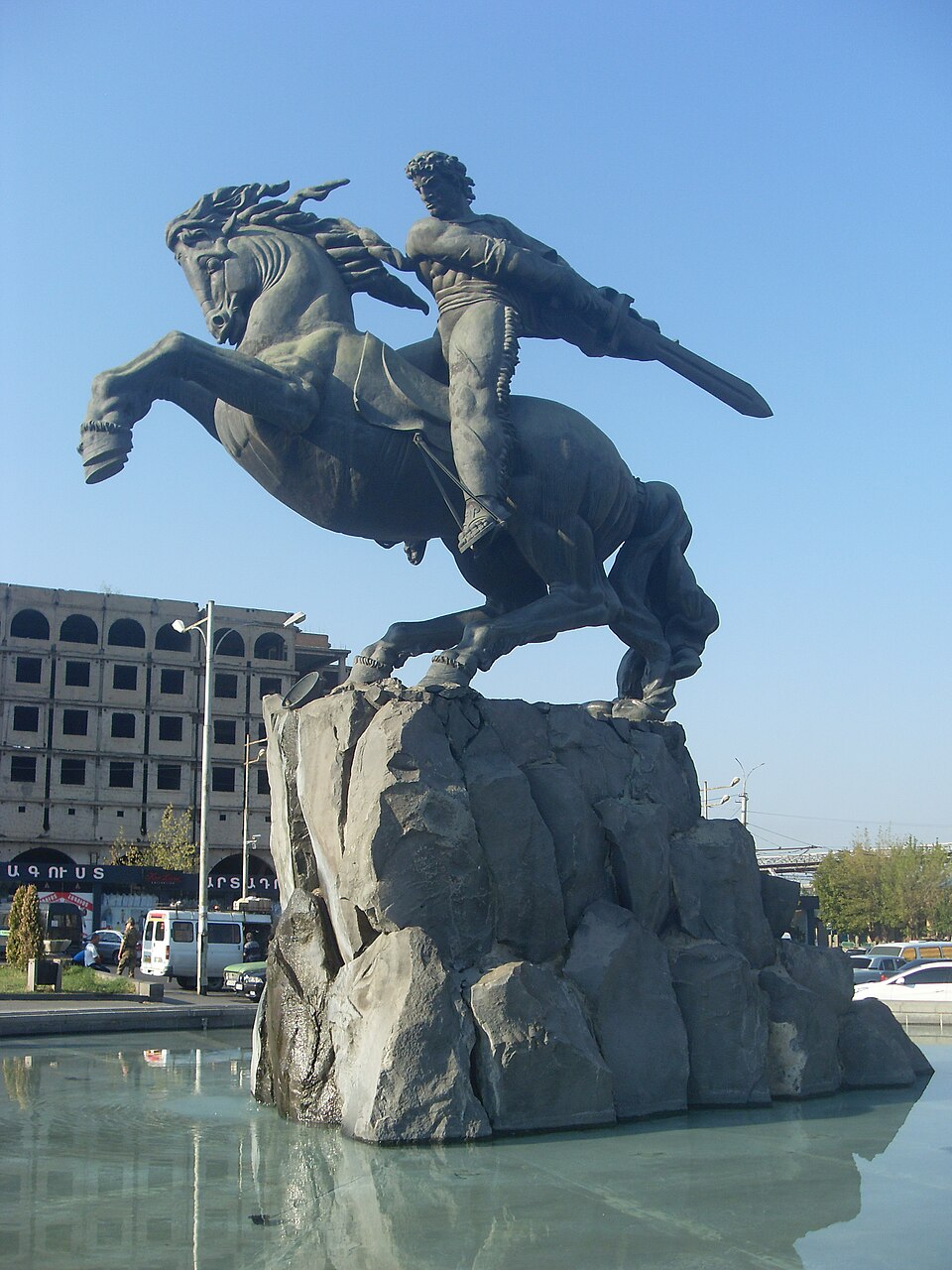
David of Sassoun: The Shepherd Who Became a Sword
A boy too stubborn to bow becomes the last hope of a conquered mountain kingdom — and the legend that would outlive empires.
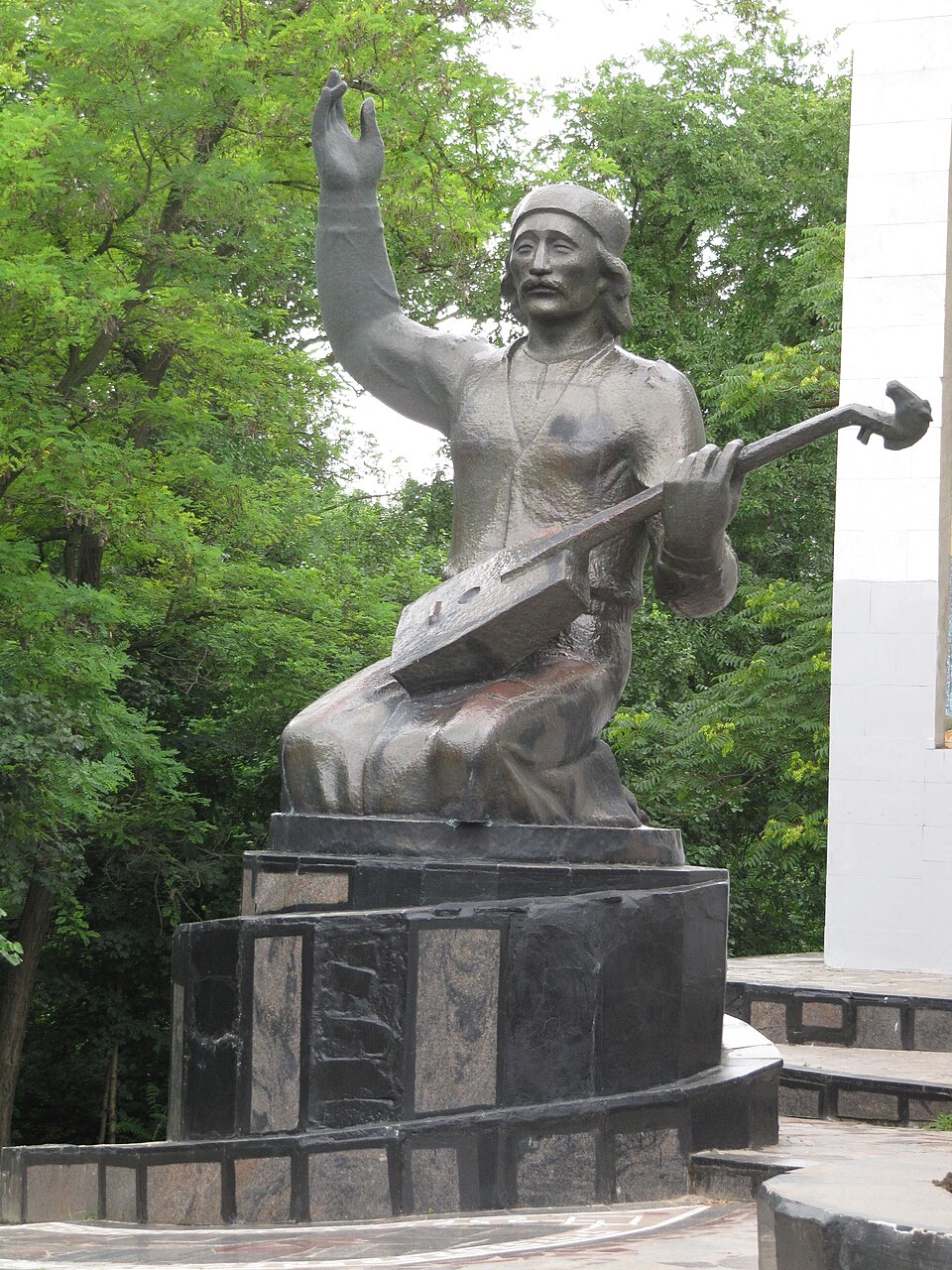
Jangar: The Boy Who Survived a Kingdom's Fall
A red mass of flesh cries out from inside itself, 'I'm suffocating — let me out!' Before the newborn even has a name, his kingdom is already doomed.
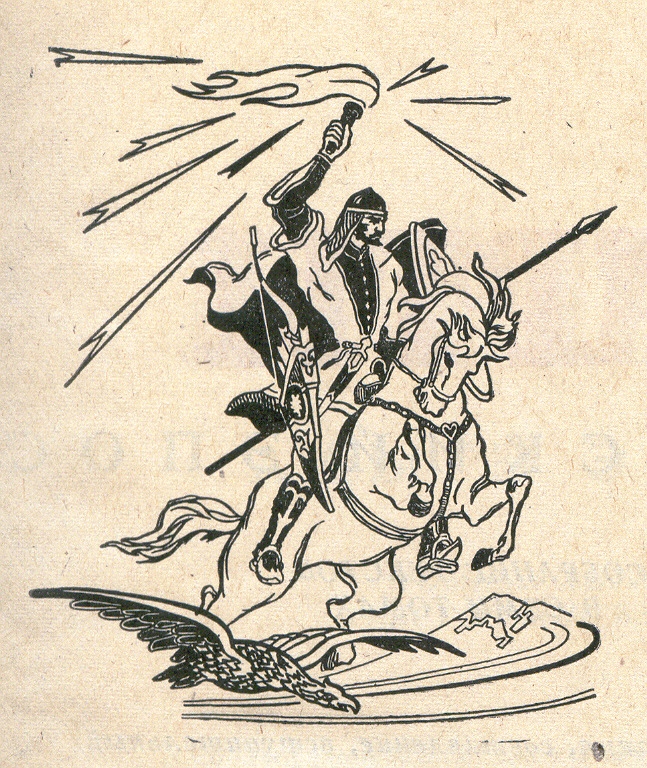
Nart Sagas: The Steel-Hearted Heroes of the Caucasus
A boy born from a stone, a mother who never ages, a hero killed only by a wheel's blade to the knee — these are not fairy tales but the living memory of a mountain world.
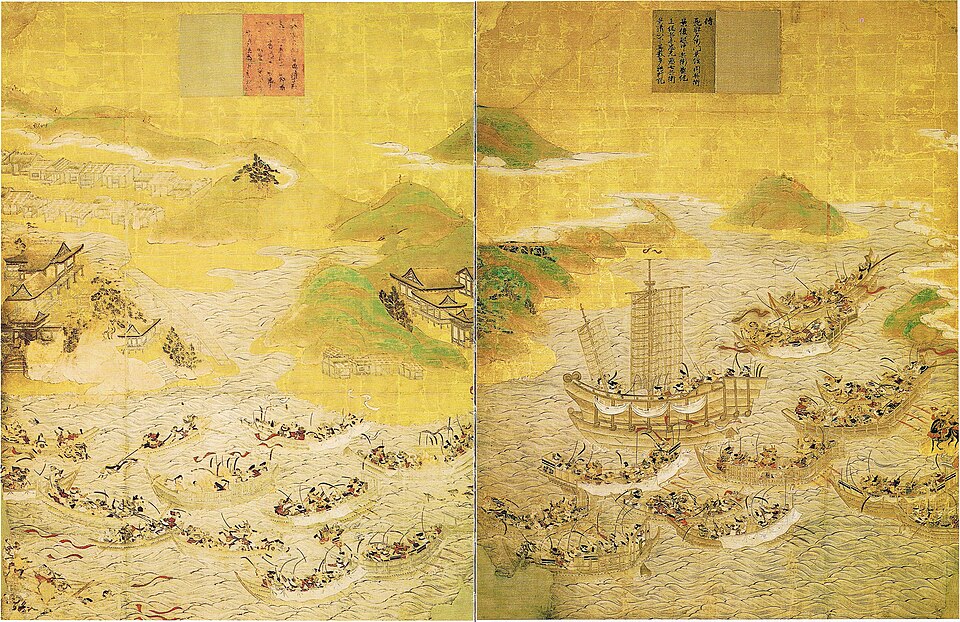
The Bells of Impermanence: How a Blind Bard's Song Became Japan's Great Epic
A blind monk with a lute-like instrument, chanting in the dark — and from his voice rose one of the most haunting epics ever told. It begins with the sound of bells, and ends with an empire in ashes.
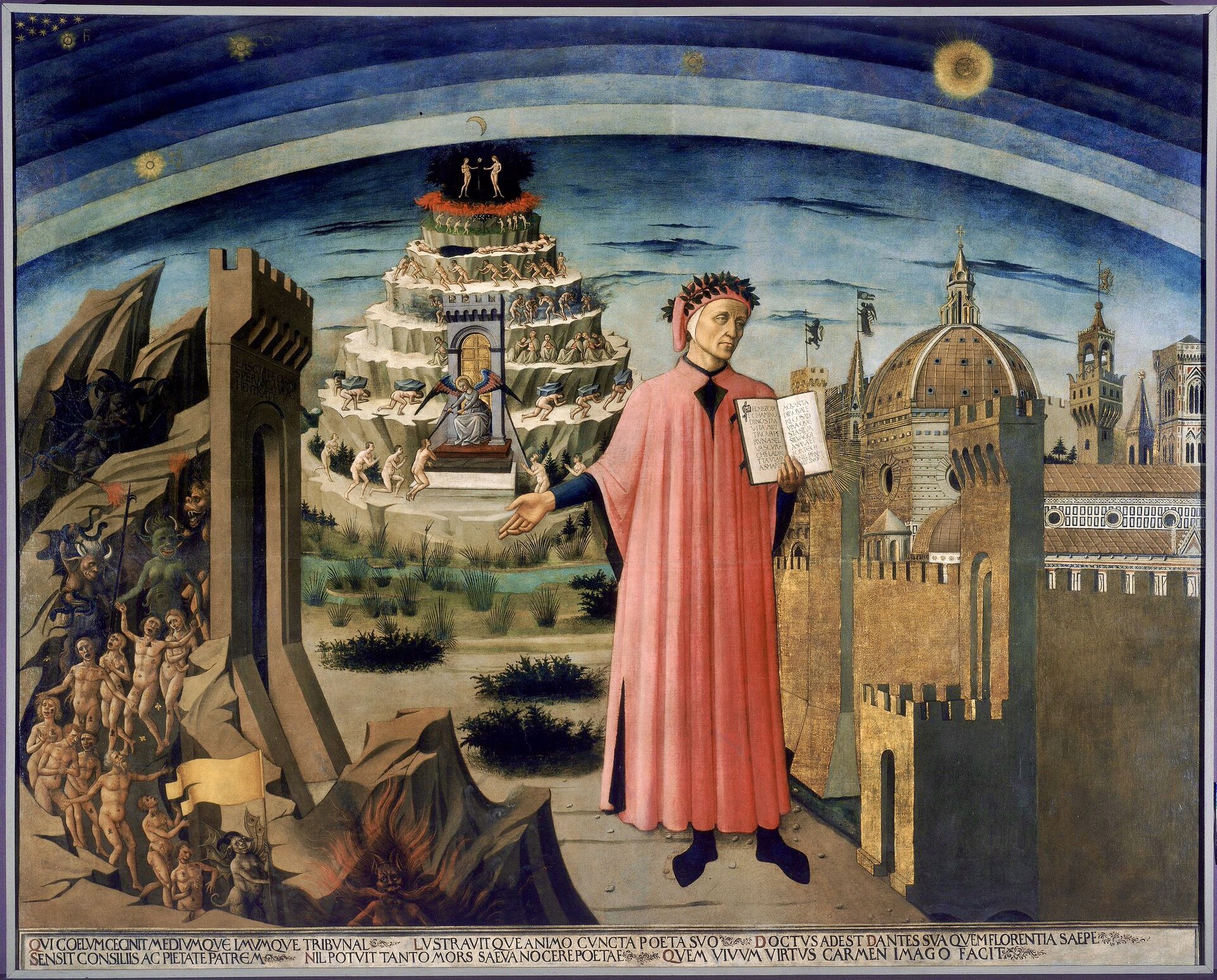
Halfway Through Life, Dante Walked Into the Dark Wood
On the night before Good Friday in 1300, an exiled poet imagined the only journey that could redeem him: straight through Hell.

Nüwa: The Goddess Who Molded Humanity from Yellow Clay
When the sky itself cracked open and monsters roamed a flooded earth, one goddess reached for mud, a tortoise, and five colored stones — and rebuilt the world.
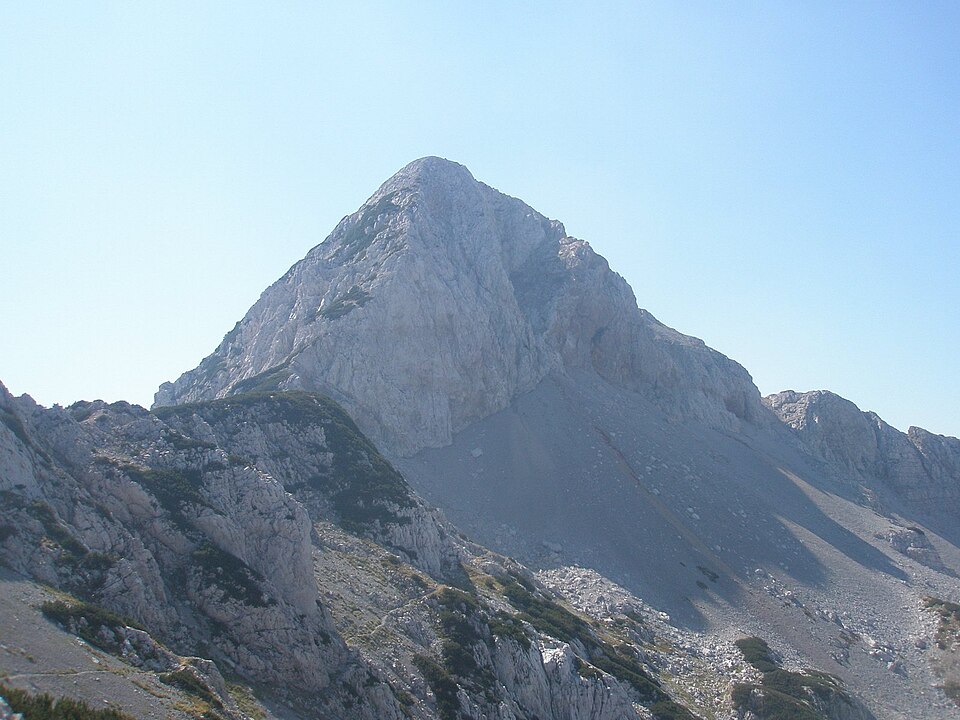
The God with a Golden Moustache
An idol with a silver head and a golden moustache once stood above Kiev, hurling stone arrows from the sky — and when his people abandoned him, even his name lingered on in the very word for thunder.
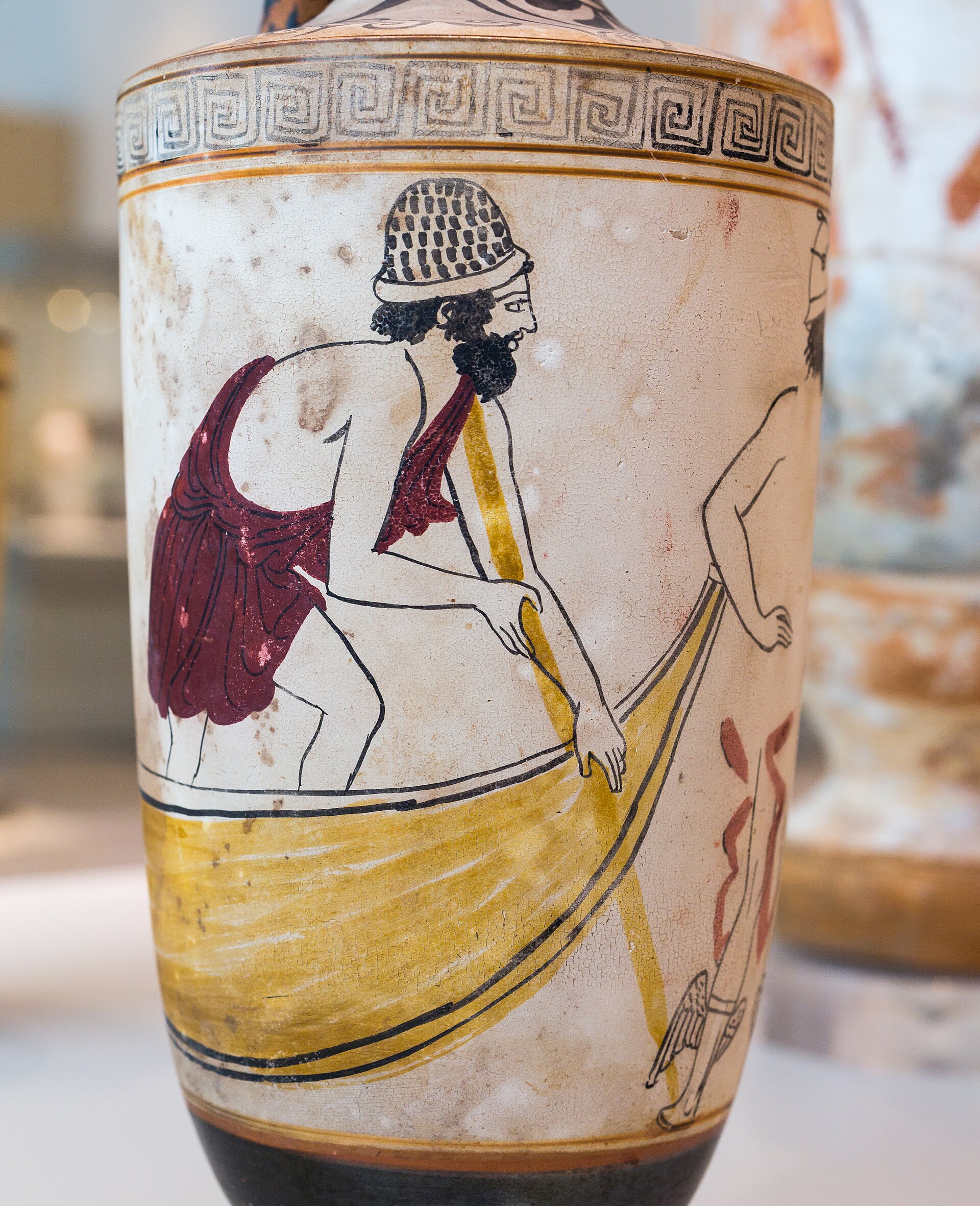
The Ferryman Who Never Softens
For a single coin placed on a dead tongue, he would row you across — refuse, and you might wander the shore for a hundred years.
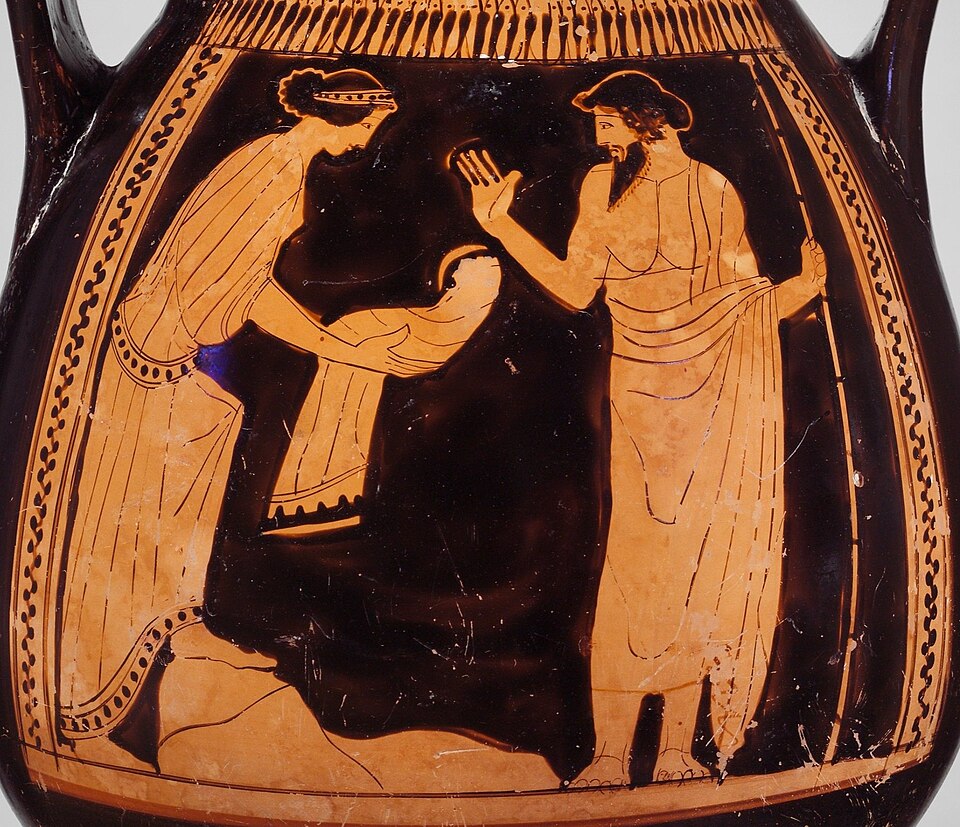
Cronus: The Titan Who Devoured His Own Children
He rose to power by mutilating his own father with a sickle — and fell in the exact same way, betrayed by a son he tried to swallow whole.
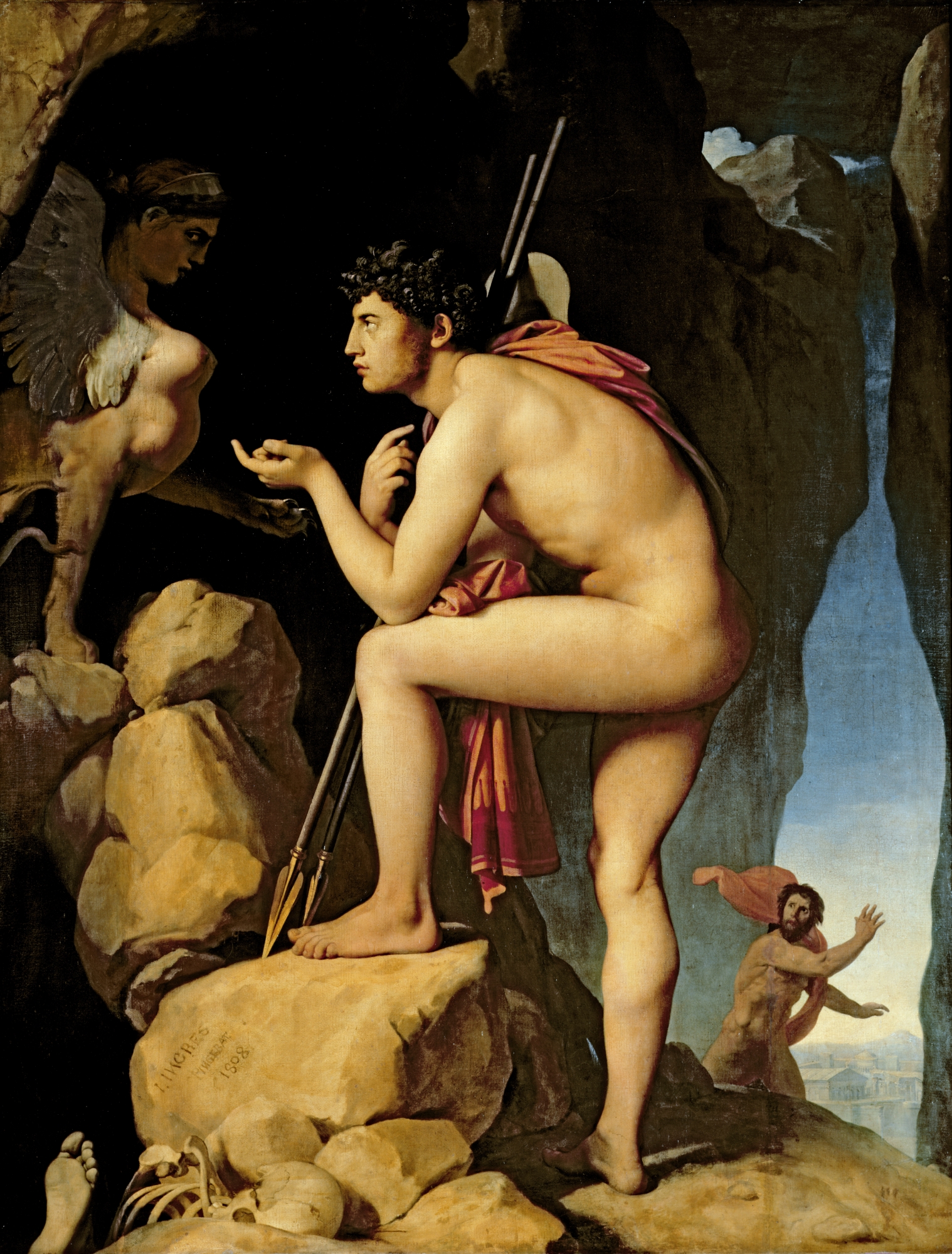
Oedipus: The King Who Could Not Outrun Prophecy
A newborn's ankles are pierced and bound so he cannot crawl away from a curse — but the curse follows him anyway, all the way to a throne, a marriage, and a mountain crossroads he never should have taken.
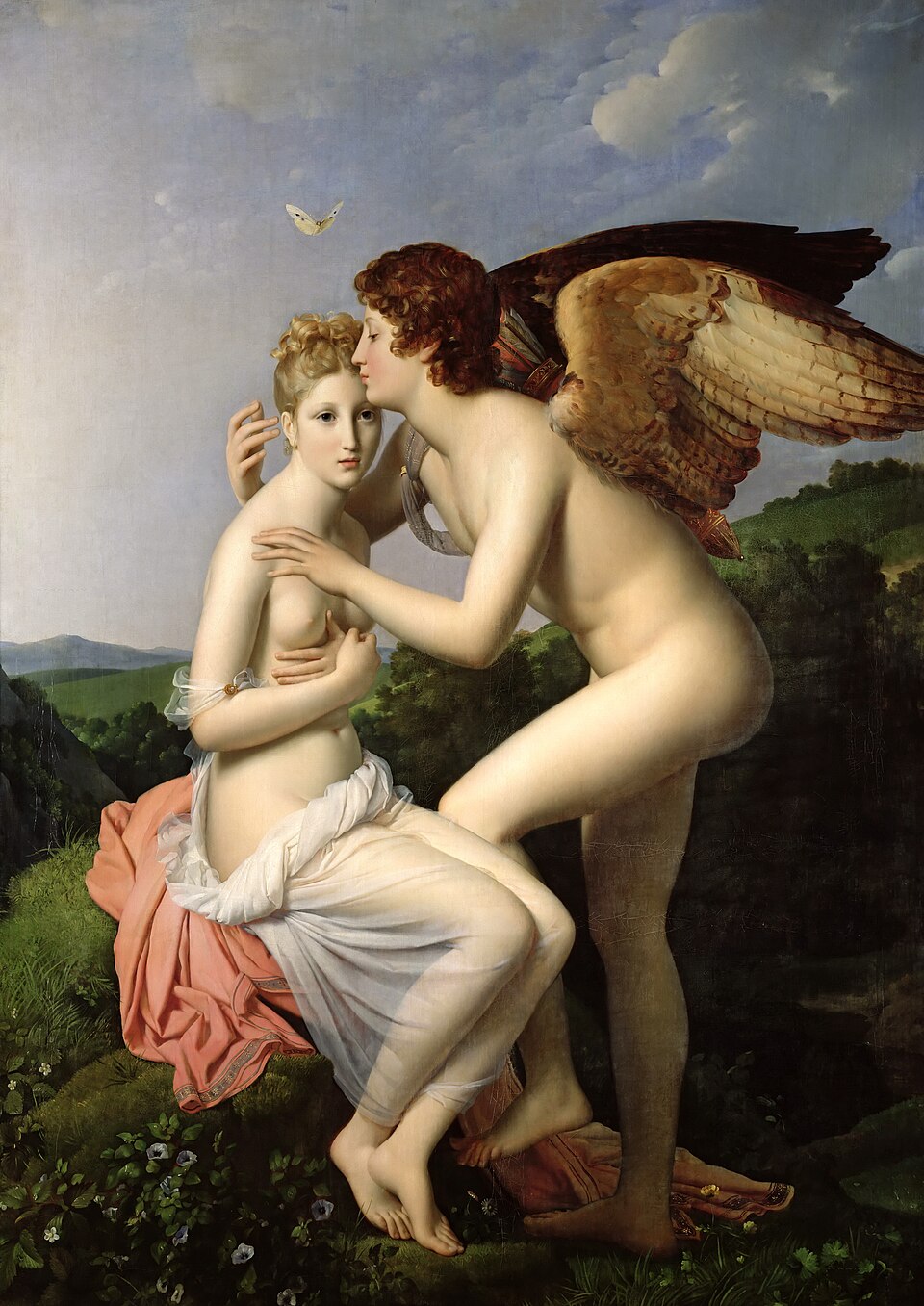
The Lamp, the Dagger, and the God Who Fled
A bride is married to darkness itself — forbidden ever to look upon her husband's face. One night, curiosity lights a lamp, and love flies out the window.
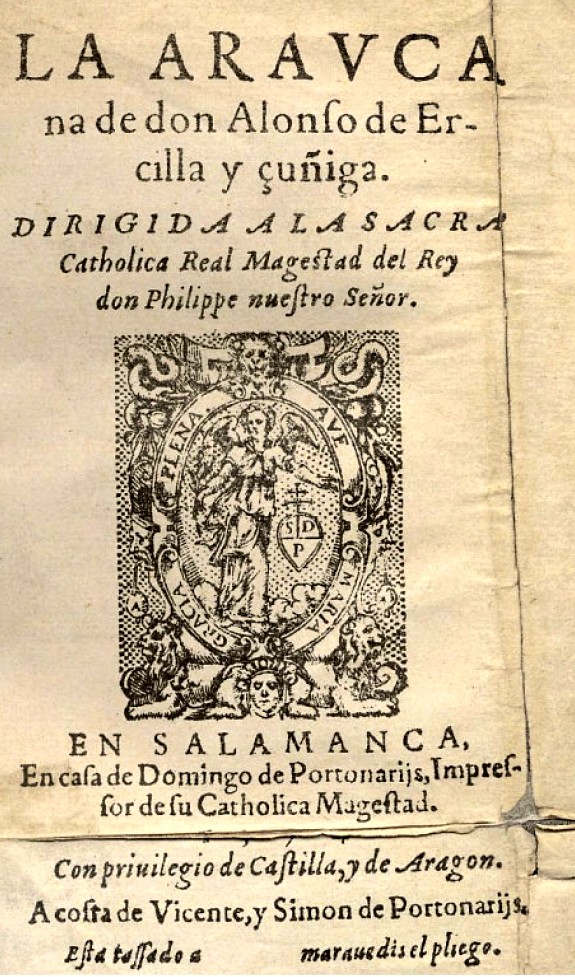
La Araucana: The Soldier Who Wrote an Epic in the Smoke of Battle
On scraps of paper, between skirmishes, a Spanish soldier scribbled verses about the very war he was fighting — and unwittingly gave a distant kingdom its founding epic.
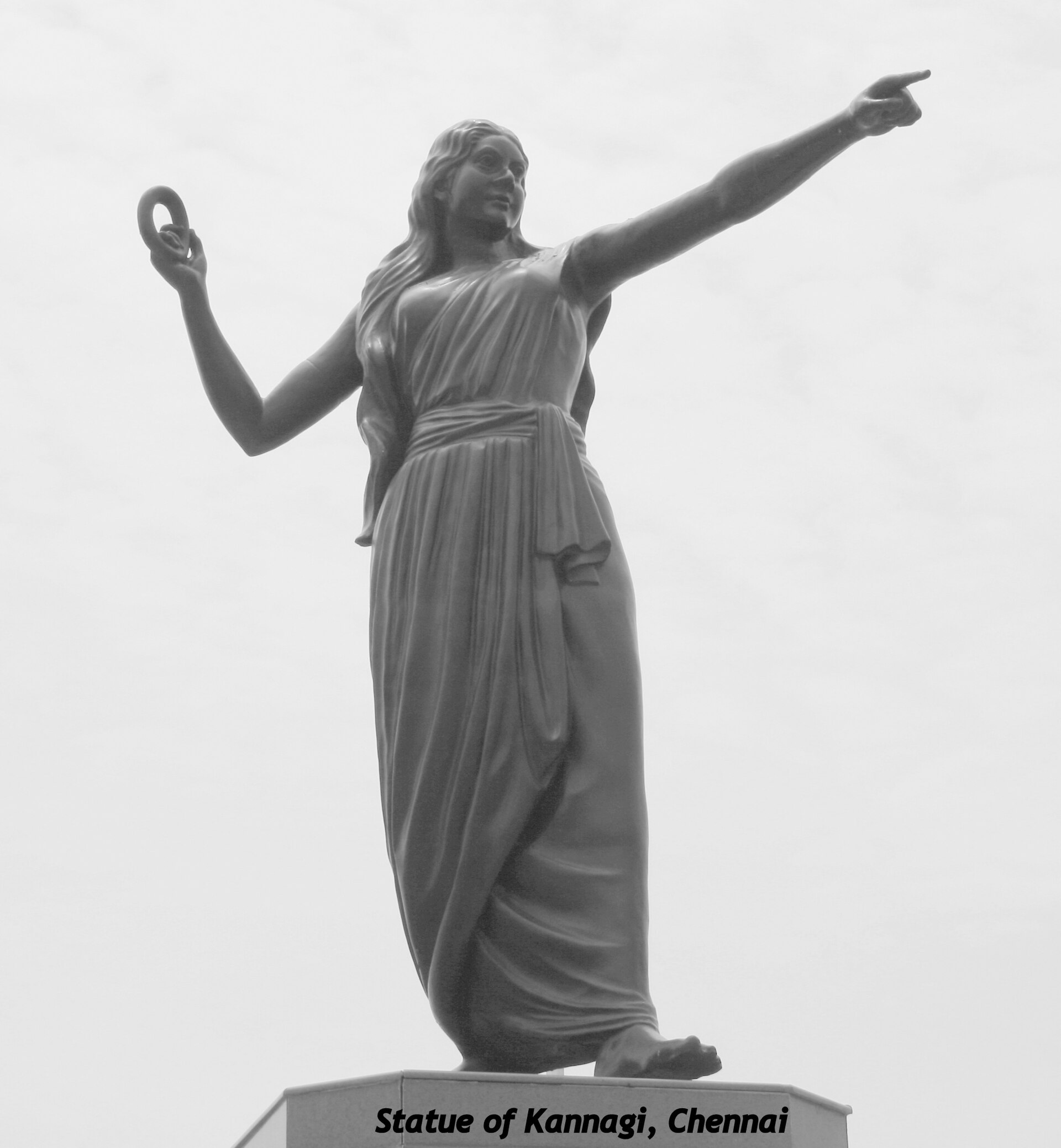
The Anklet That Burned a City
An ordinary wife, a stolen ornament, and a curse that levels a kingdom — the earliest Tamil epic tells no tale of kings and armies, but of a single broken heart.
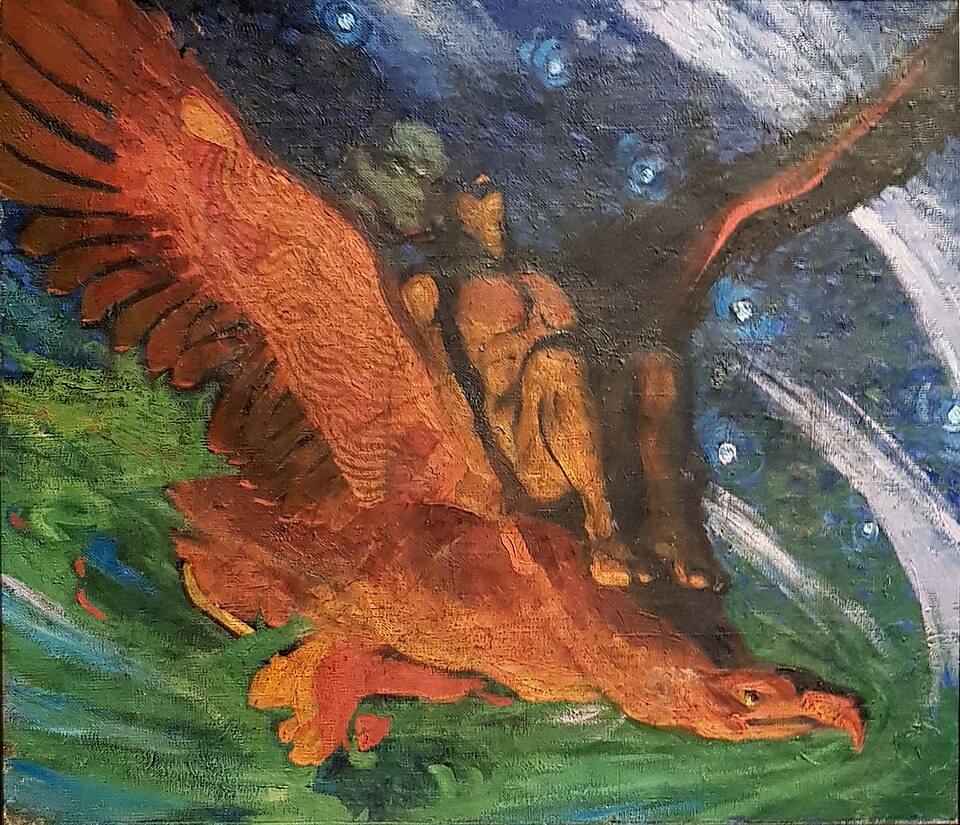
The Giant Who Guards the Gates of Hell
He hurled boulders at his enemies, built entire towns with his bare hands, and died by his own cursed sword — yet even in death, he was sent back to stand guard forever. This is the story of Estonia's national epic and the strange, sorrowful giant at its heart.

Jerusalem Delivered: The Epic That Turned a Siege into Legend
A city fought over for a thousand years became the stage for one of literature's great epics — but the war behind the poem was brutally real.

Tanabata: The Lovers the Milky Way Keeps Apart
Once a year, if the sky stays clear, two stars drift close enough to almost touch — and all of Japan looks up.
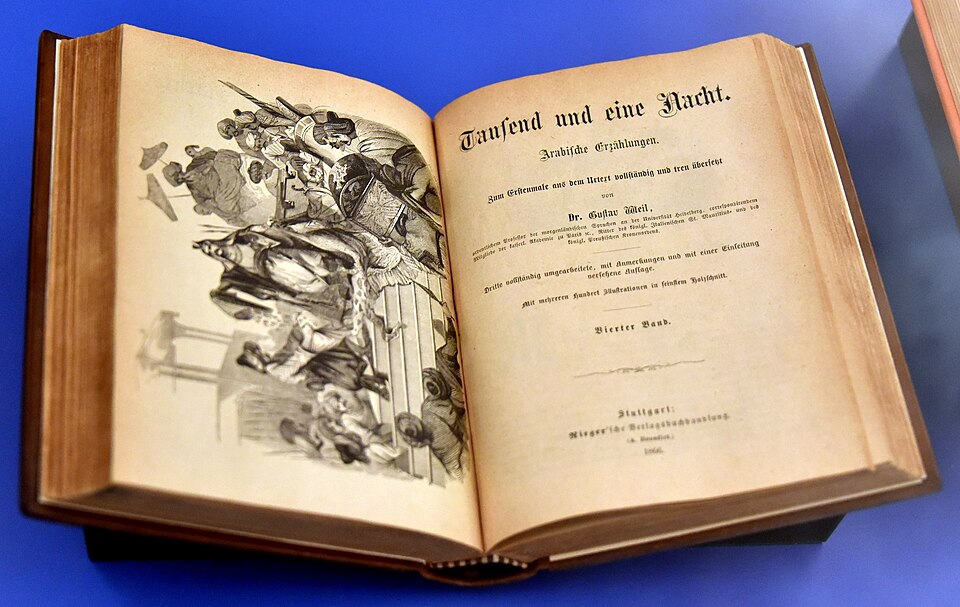
A Thousand and One Nights: Scheherazade's Art of Survival
Every dawn brought an execution — until one bride found a way to make the killing wait until tomorrow.
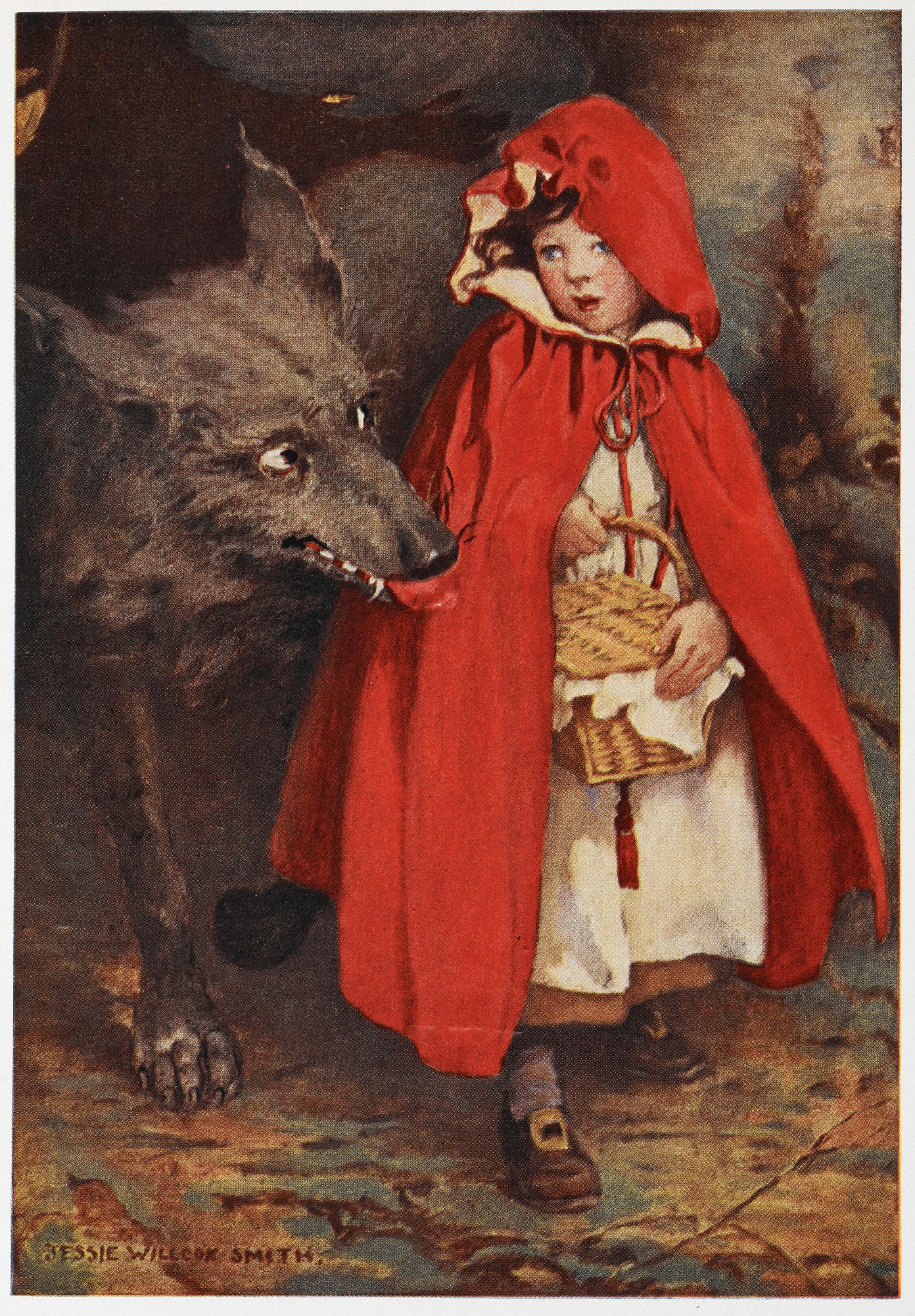
The Wolf, the Girl, and the Long Road Through the Woods
A girl in a red hood, a wolf with too many questions, and a warning her mother gave her before she stepped off the path — this simple errand became one of the most retold stories in Europe.
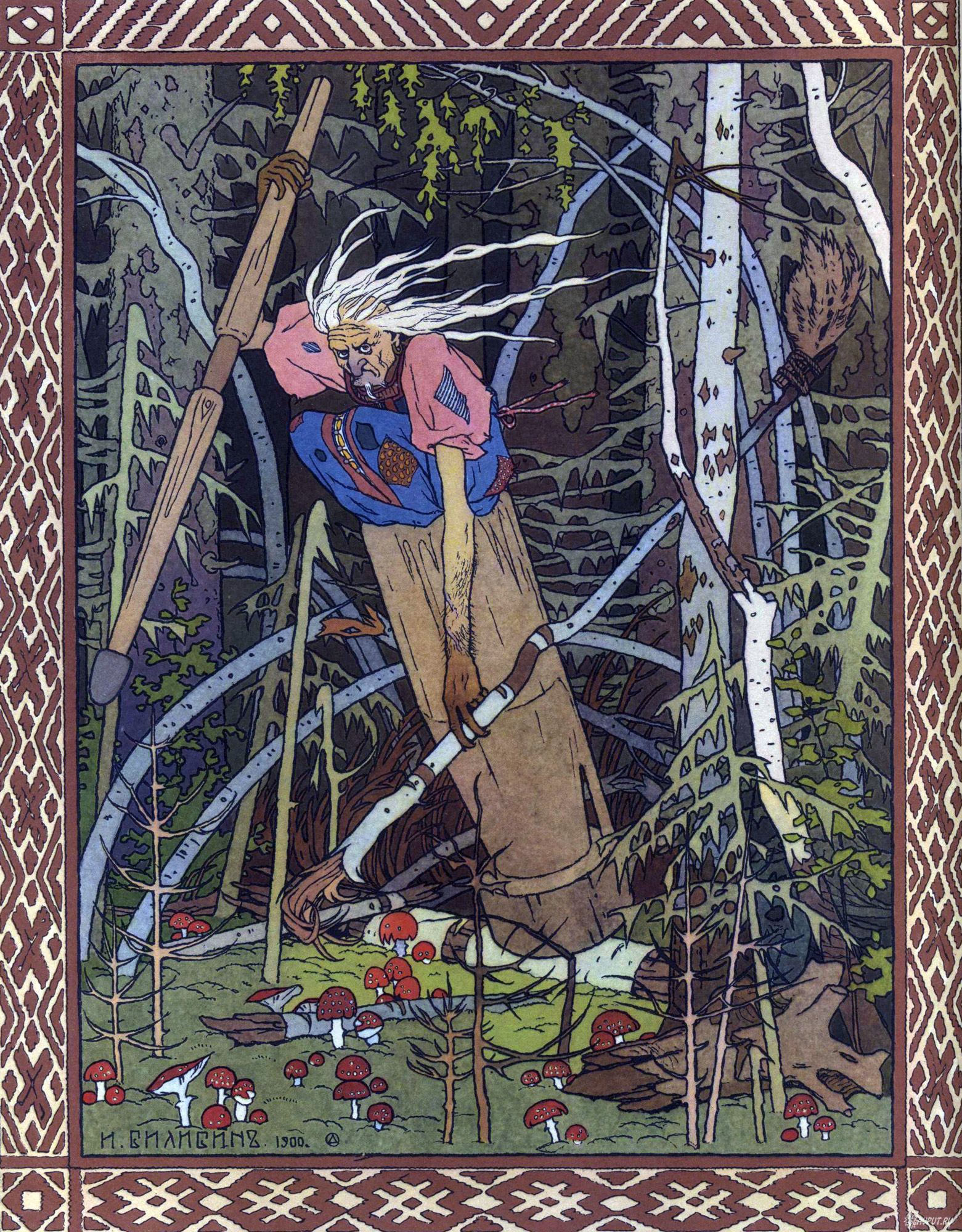
Baba Yaga: The Witch of the Chicken-Legged Hut
Deep in the thrice-ninth kingdom stands a hut that turns on chicken legs — and inside waits a woman with iron teeth who can smell your blood from a mile away.
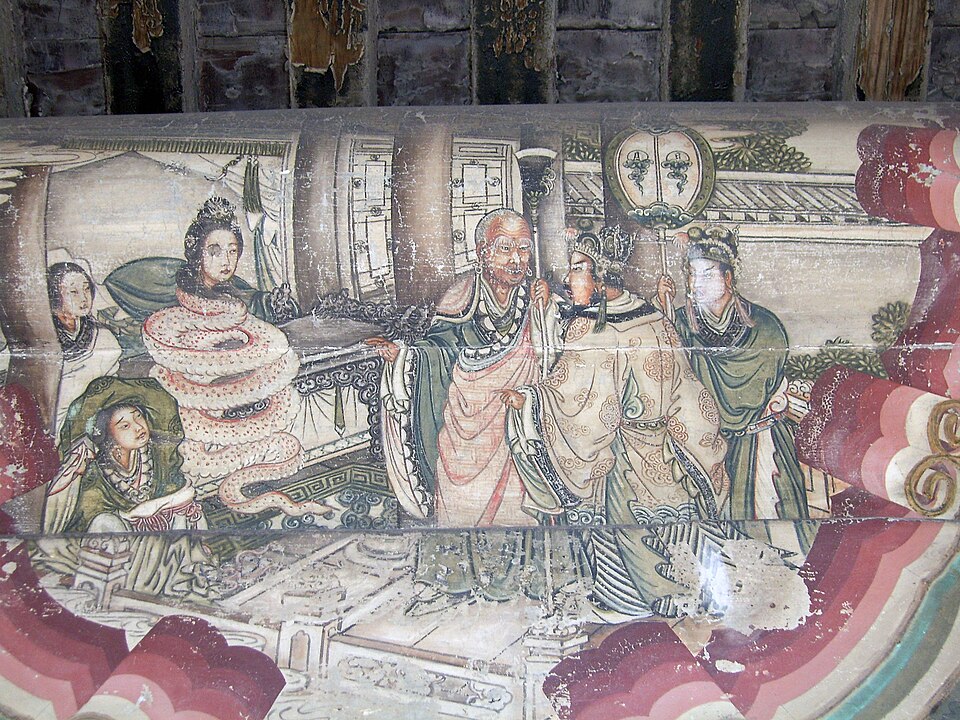
The White Snake Who Loved a Mortal Man
A woman in white steps off an ox cart in Chang'an, and a young man's fate begins to dissolve. Centuries later, that same fear would soften into one of China's greatest love stories.
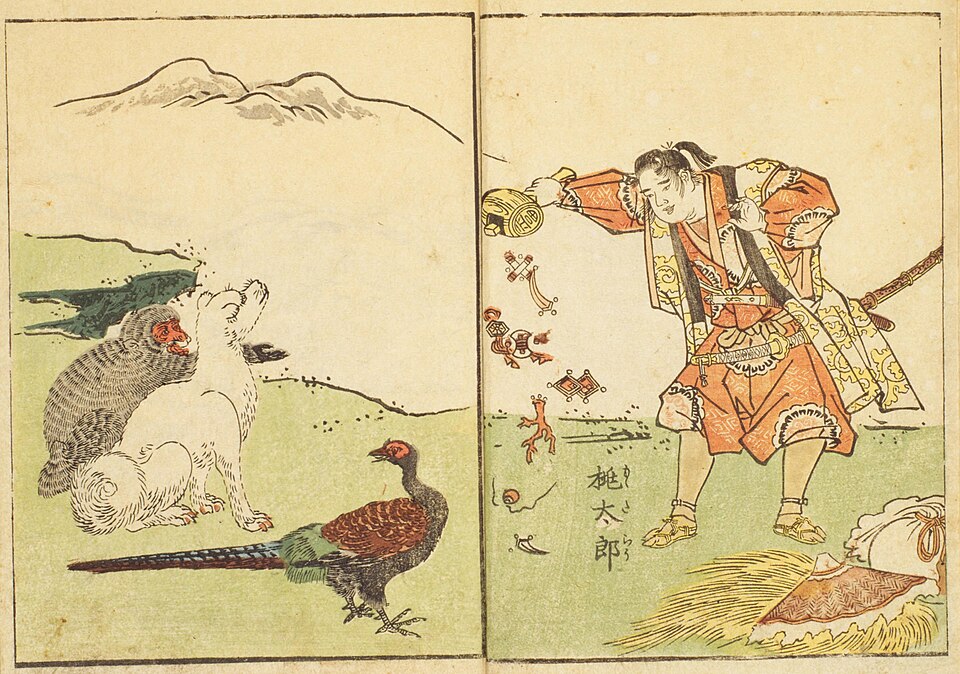
The Boy Who Rode a Peach
He floated into the world inside a giant peach — and grew up to march an army of animals straight into a demon's fortress. Was he ever really a peach at all?
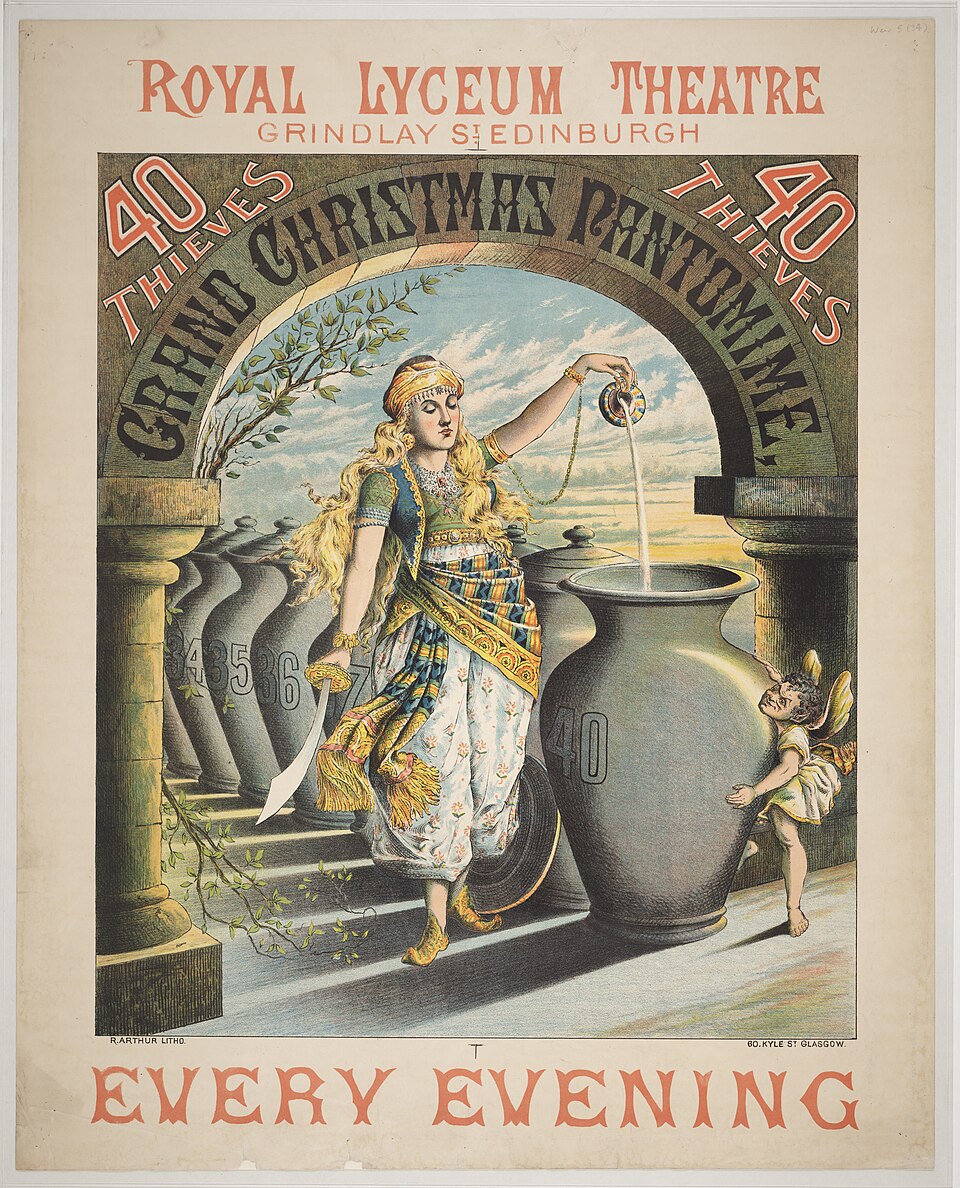
Open Sesame: The Cave, the Cook, and a Slave Girl Who Outwitted Forty Thieves
Two magic words open a mountain of gold — and close a trap of blood. What follows tests not the poor woodcutter's luck, but his slave girl's wits.
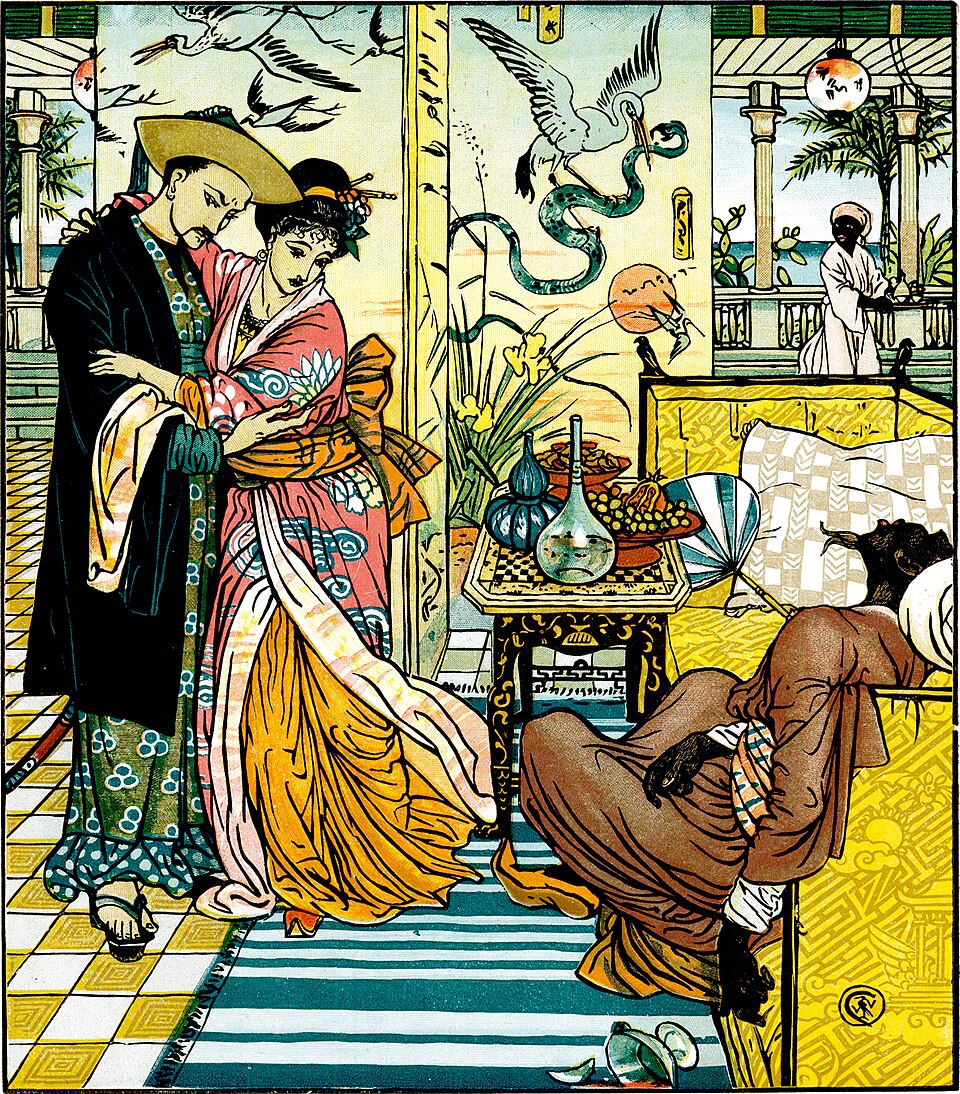
The Storyteller from Aleppo and the Lamp That Never Was
A poor boy in a city that was never quite China, a lamp that grants everything but truth, and a tale so beloved the world forgot it was invented in Paris.
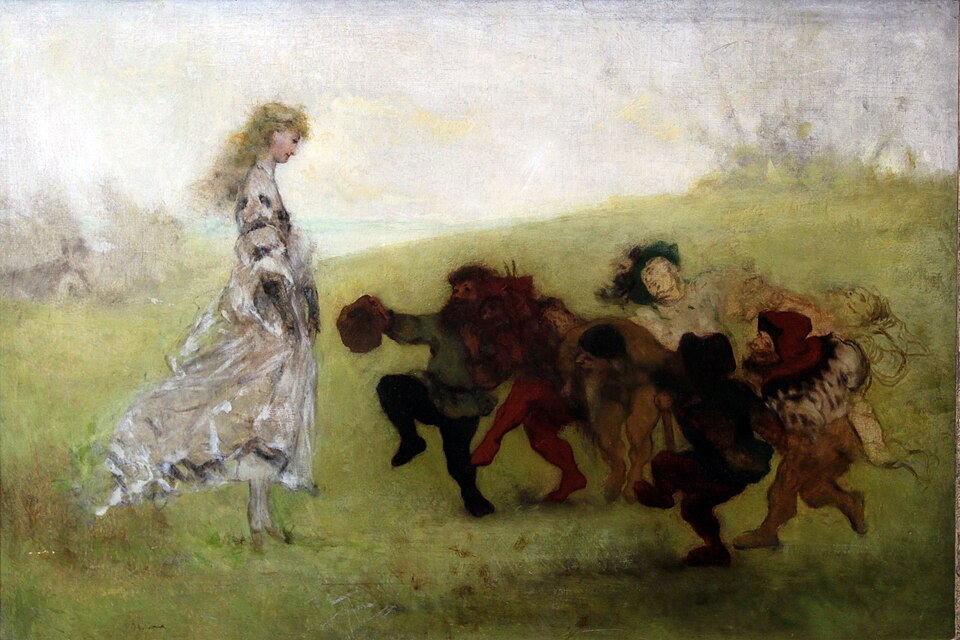
Snow White: Blood, Snow, and a Mirror That Never Lied
A queen pricks her finger over fresh snow and makes a wish that will outlive her — but the fairy tale that follows is stranger and darker than the one most people remember.
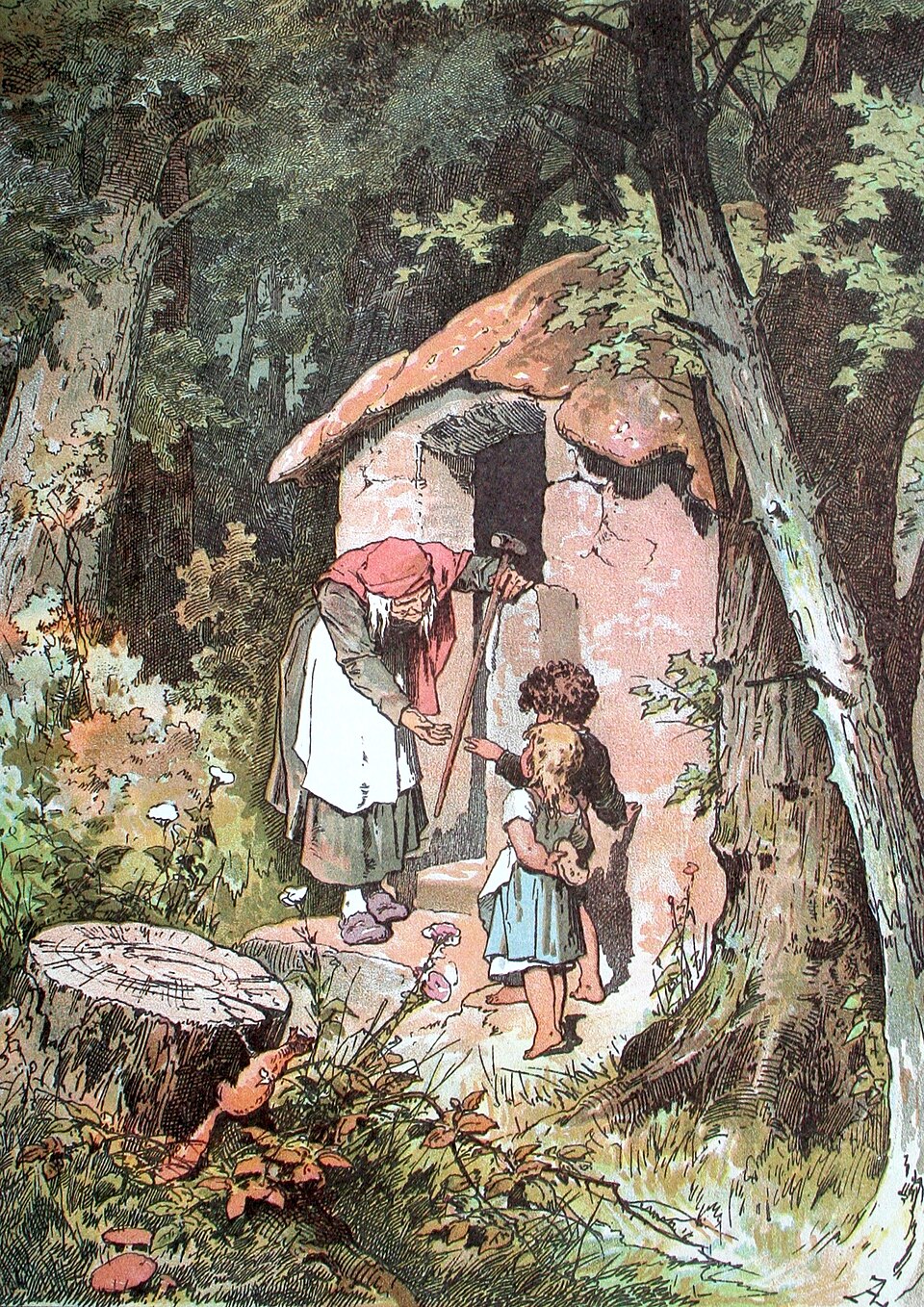
Breadcrumbs Through the Dark Wood
Two starving children, a trail meant to lead them home, and a house built entirely of sugar and lies — the forest keeps its own kind of hunger.
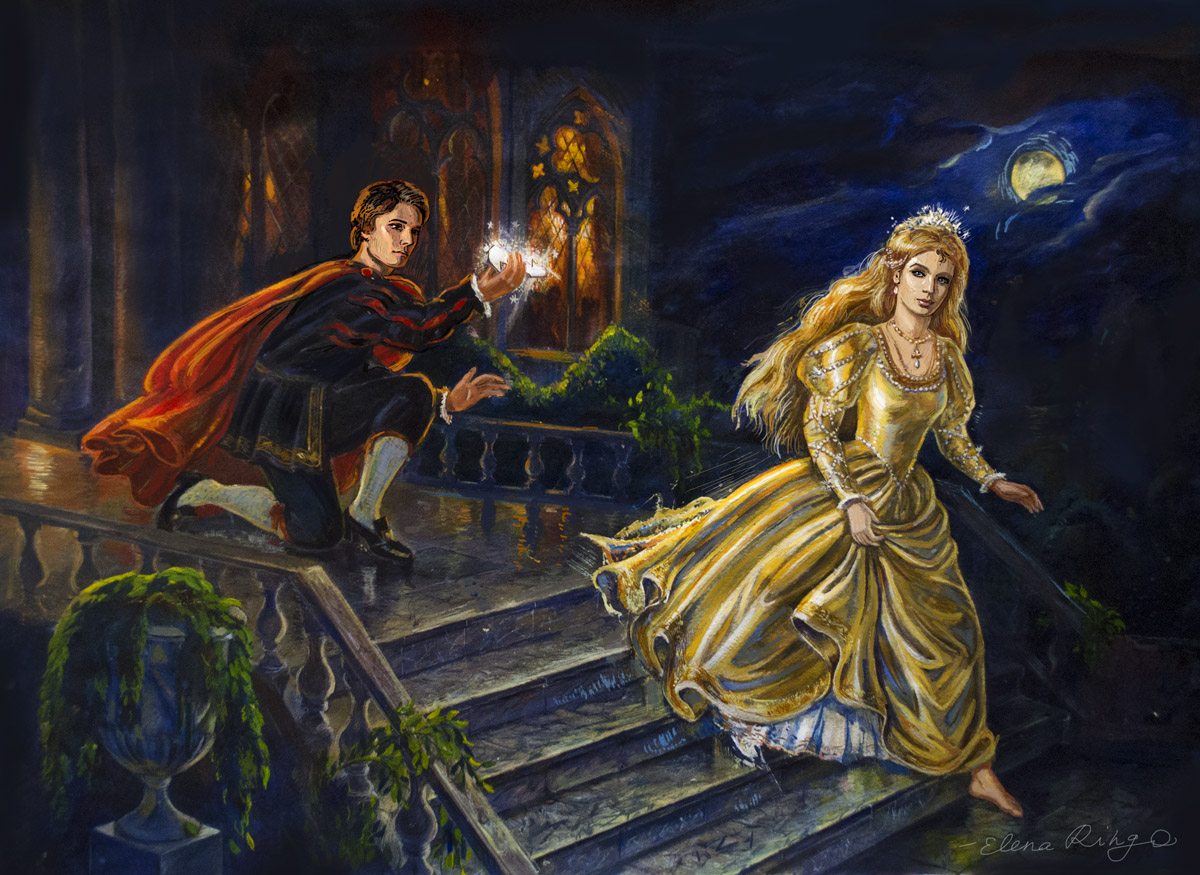
Cinderella: The Slipper That Fit a Thousand Years
Long before a glass slipper ever touched a marble step, an eagle was already stealing a sandal in Egypt — and setting the story of Cinderella in motion.
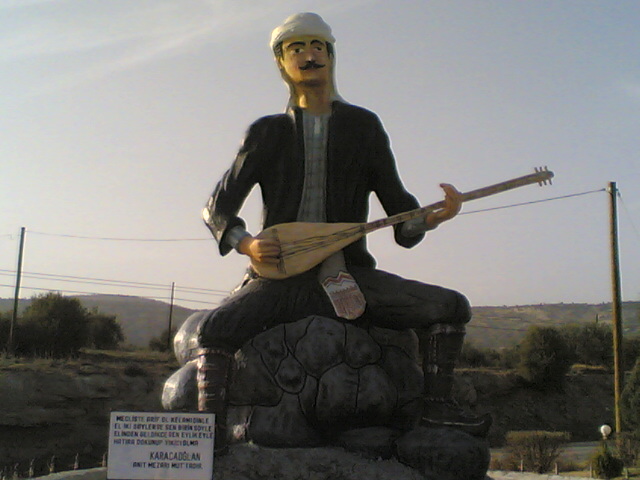
Karacaoğlan: The Wandering Poet of Love and Mountains
No one knows exactly who he was, or if he was even one man — yet for centuries, an entire people have sung his verses as their own.
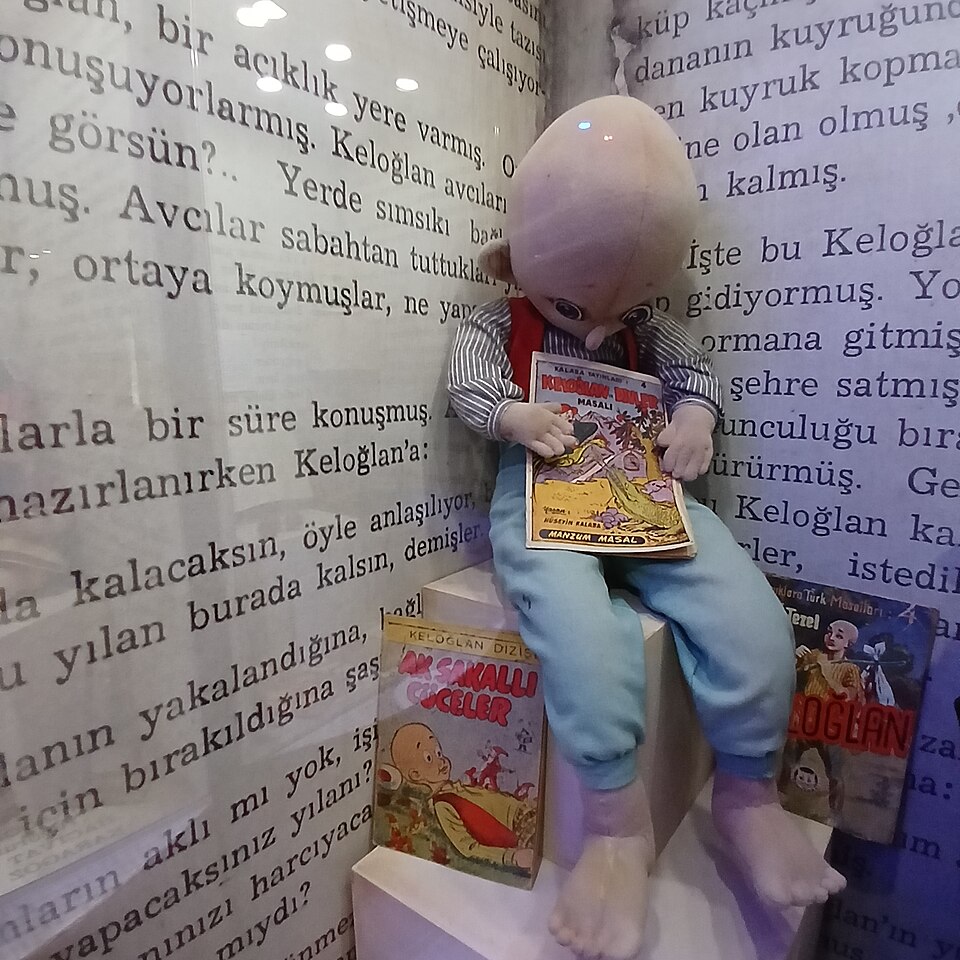
Keloğlan: The Bald Boy Who Outwitted Giants
He was born bald, poor, and mocked by everyone around him — yet somehow, by the story's end, he always outsmarts kings, giants, and clever men alike.
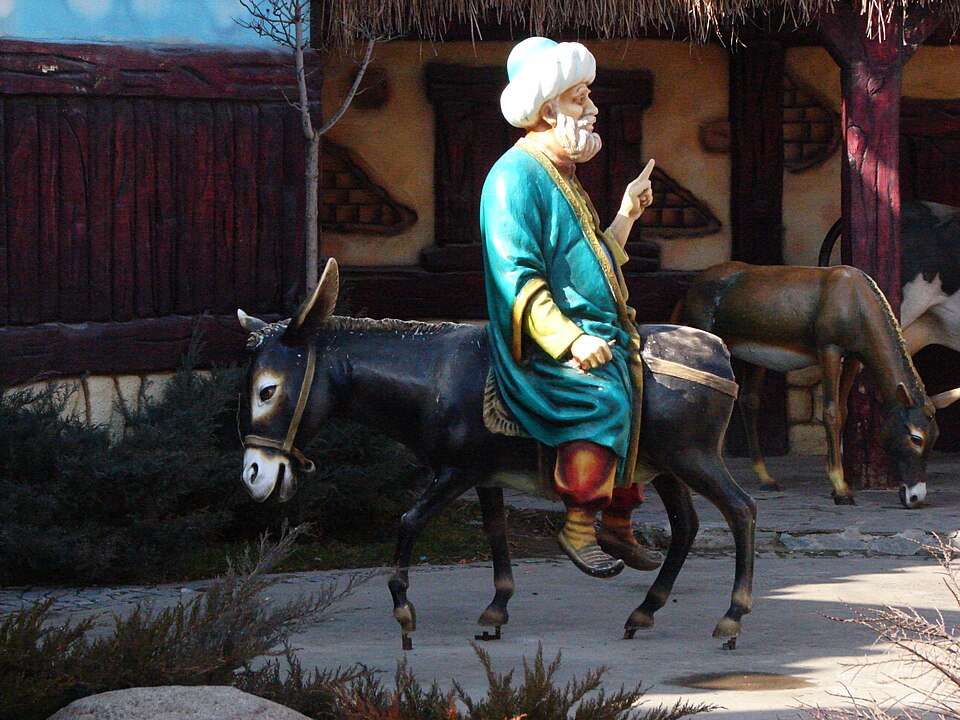
The Man Who Sold Yogurt Culture to a Lake
A turbaned man rides his donkey backward through the centuries, cracking jokes so sharp they outlived empires — but did he even exist?
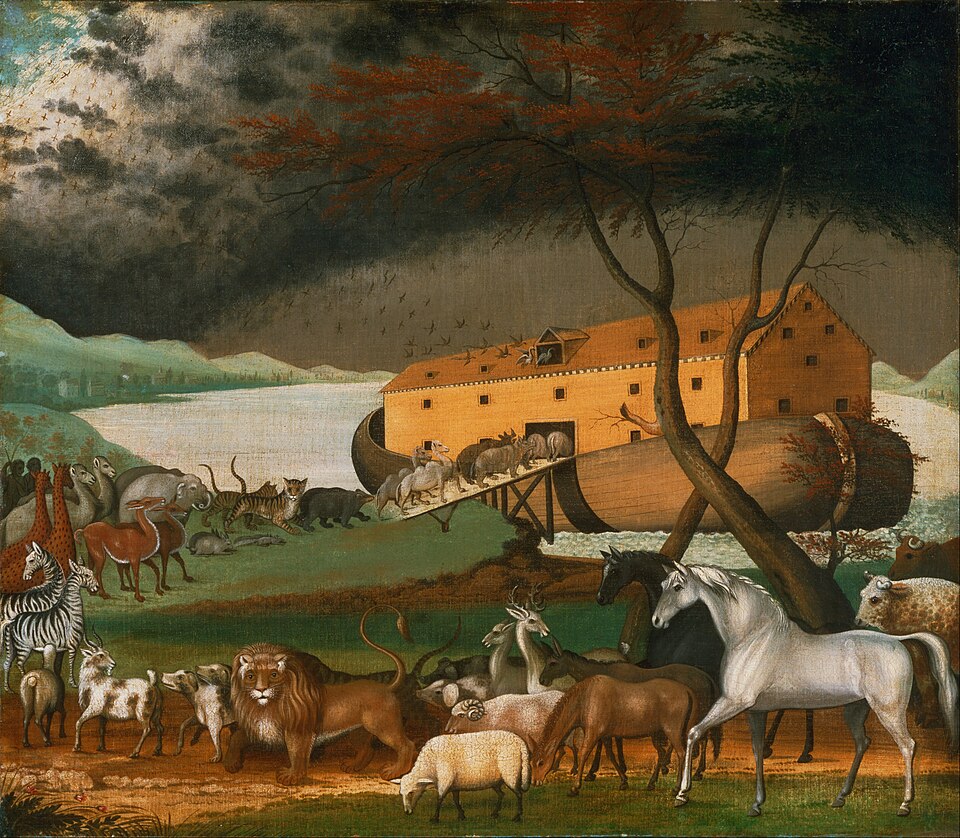
The Mountain Where the Flood Ended
A wooden vessel the length of a stadium, built over half a century, is said to have come to rest on a snow-capped Anatolian peak — but which mountain, and whose story, gets to claim it?
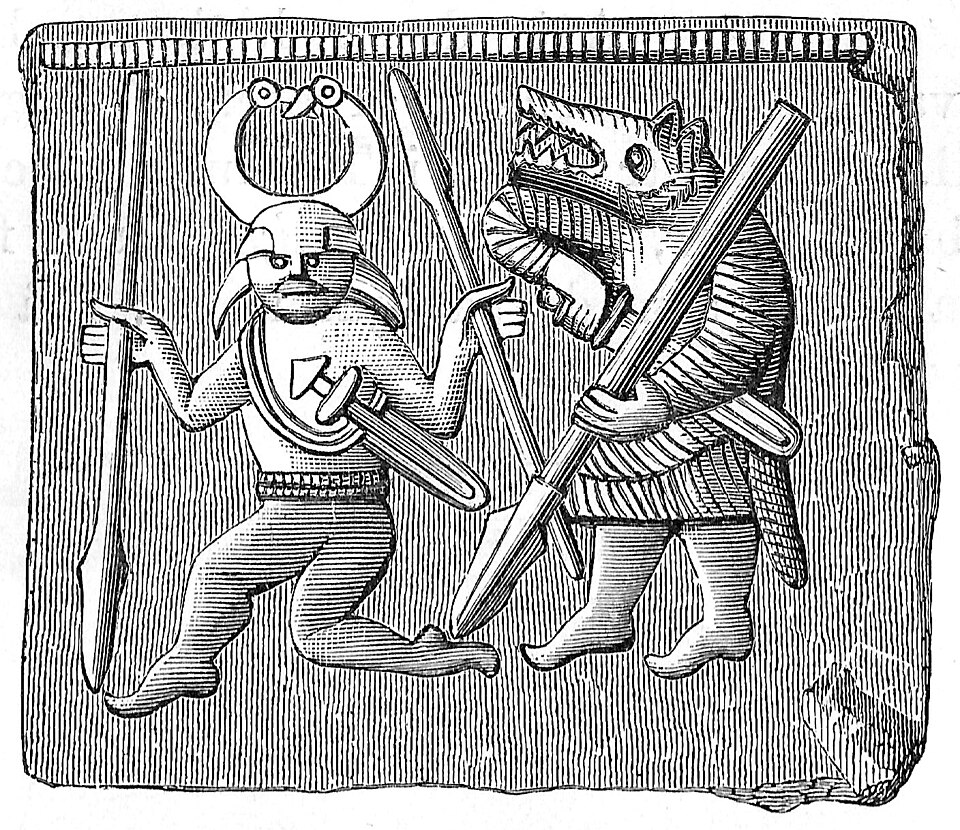
Werewolf: The Curse of the Full Moon
For centuries, ordinary men and women were burned alive for a crime no one could actually witness: turning into a wolf. Where did this terror come from — and why did it grip Europe for over a hundred years?
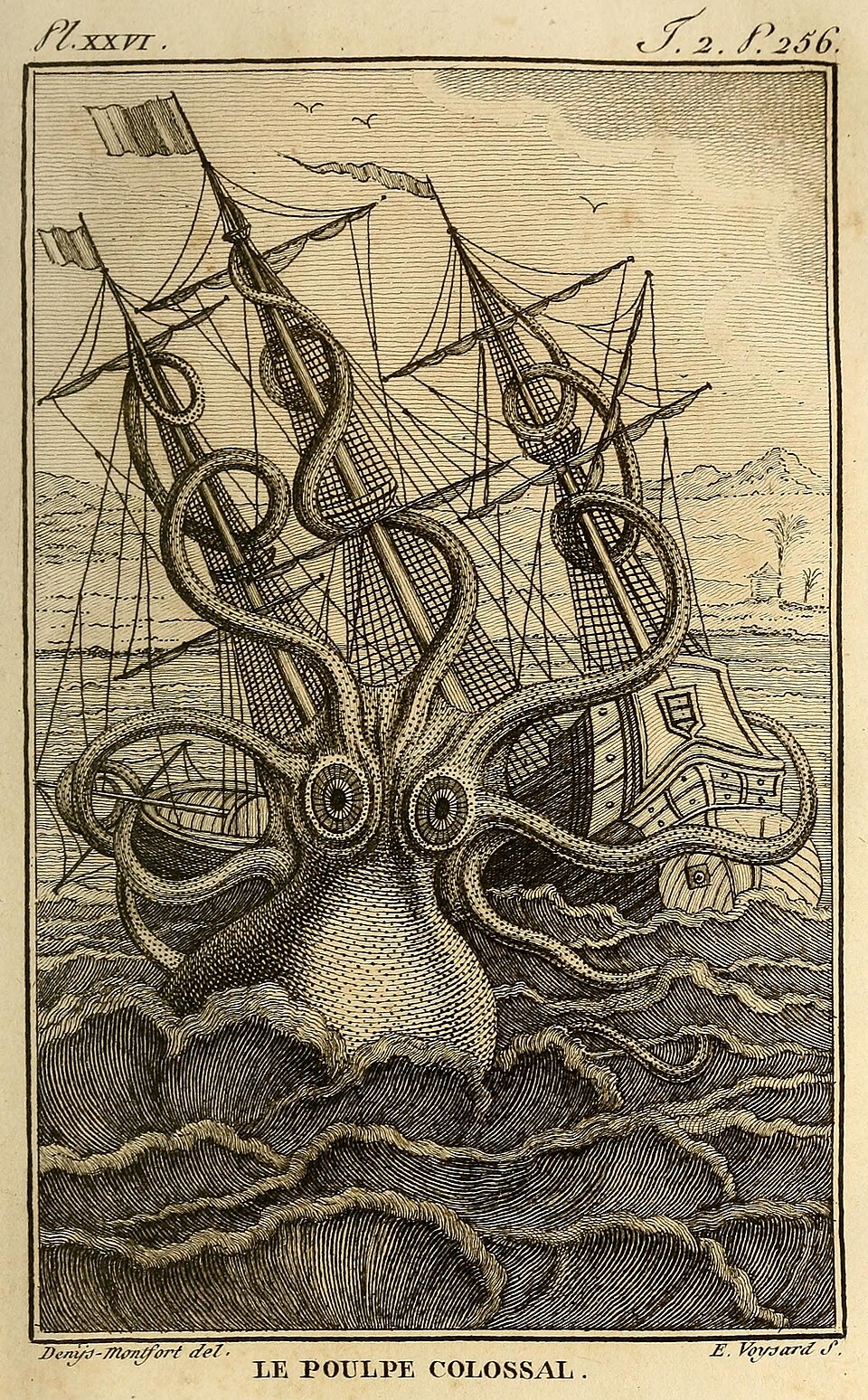
The Kraken: How a Crooked Stick Became the Sea's Greatest Terror
Long before Hollywood sent it crashing through galleons, the kraken began as a word for a bent old tree stump — and somewhere between Norwegian fjords and giant squid sightings, it became the ocean's most enduring monster.

Bigfoot: The Giant Footprints in the Forest
A bulldozer operator finds 16-inch footprints sunk deep in the mud of a California forest — and by the time the newspapers are done with the story, an American legend is born.
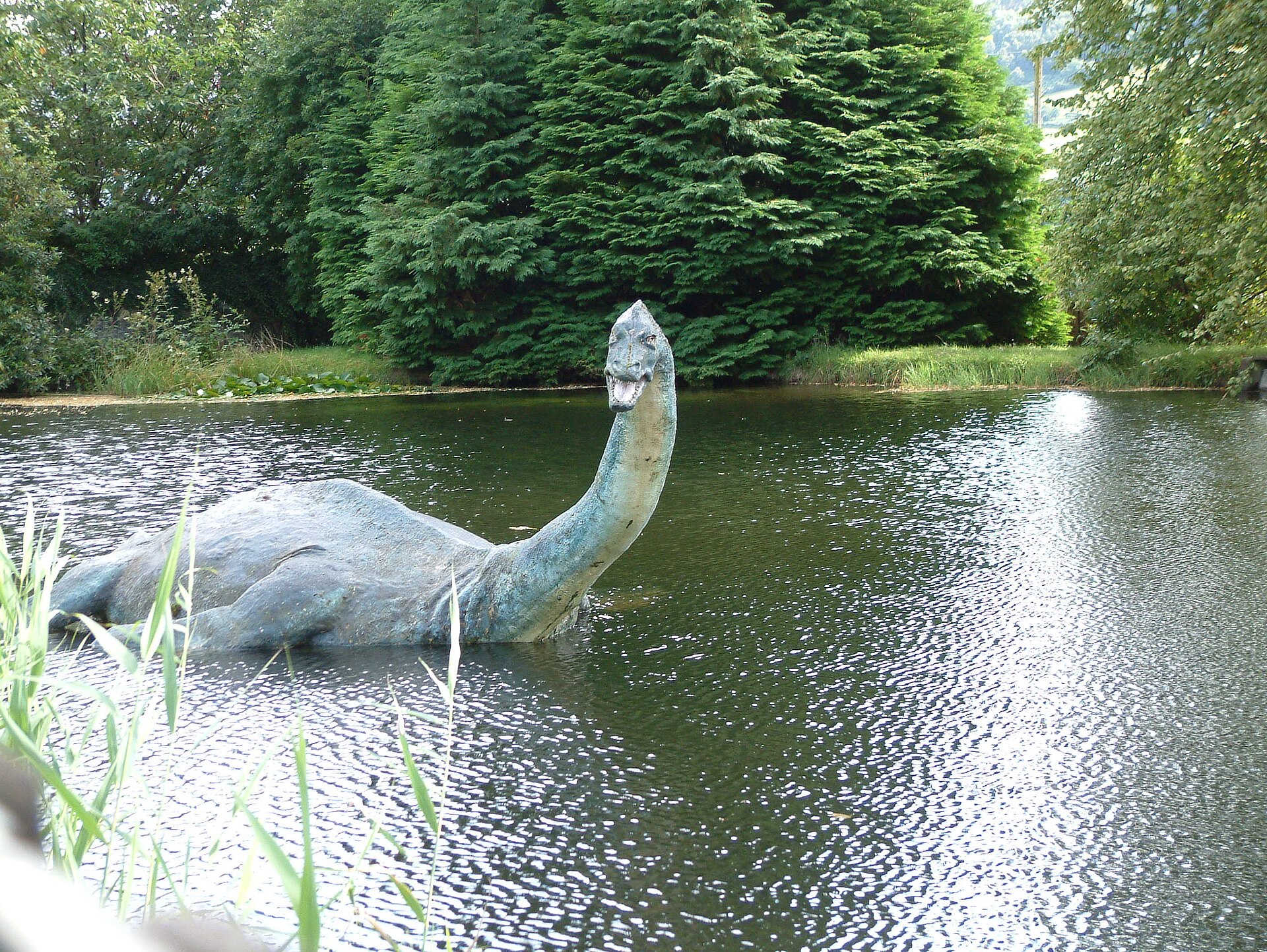
Nessie: The Beast That Broke the Surface
For a full minute, a body like a whale's rolled and churned the water into a boiling cauldron — and a legend was born.

La Llorona: The Woman Who Weeps by the River
Somewhere along a dark riverbank, a woman in white is still crying for children she drowned centuries ago — and to hear her wail, legend says, is to be marked for misfortune.
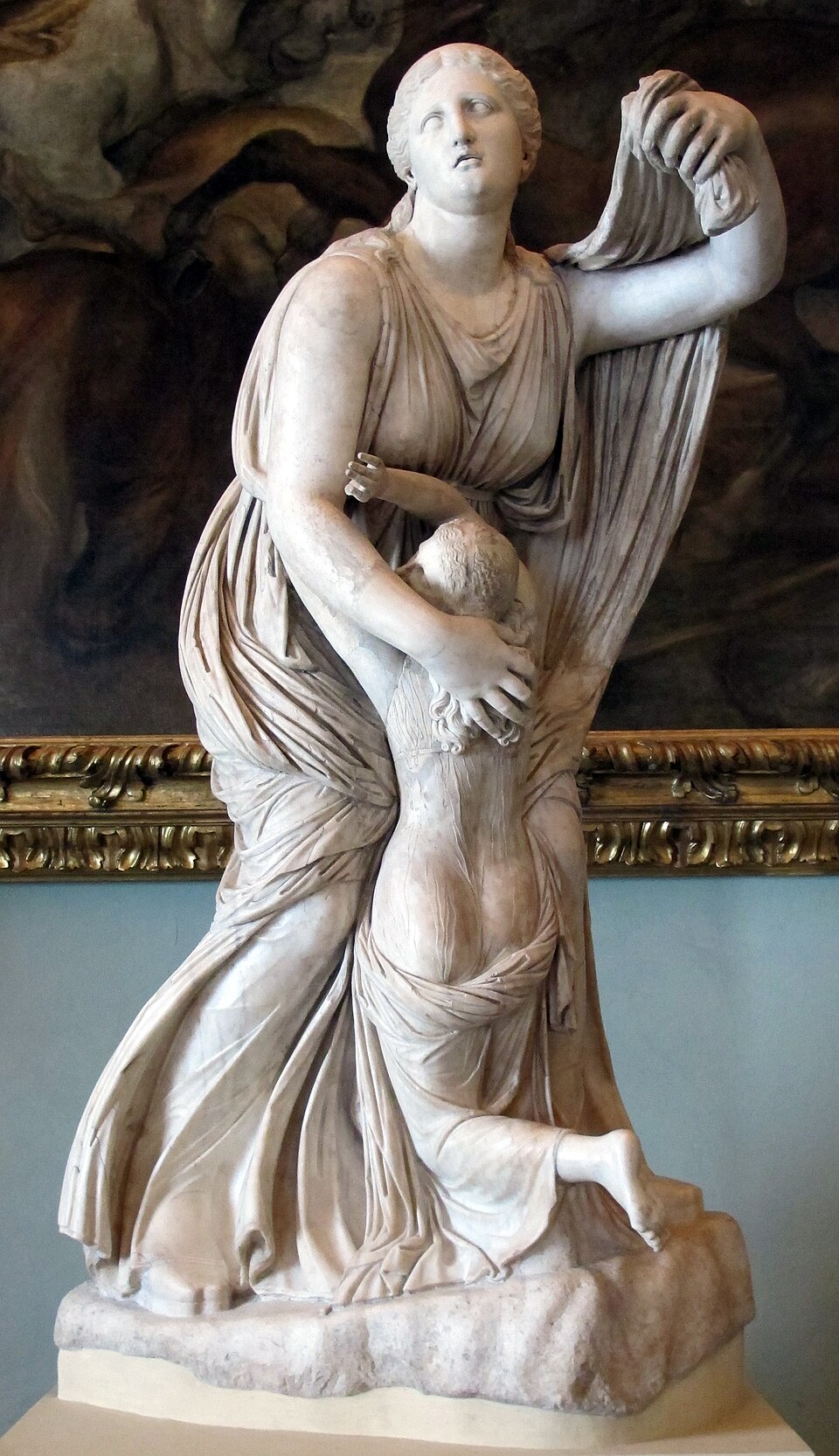
The Weeping Rock: Niobe's Endless Grief
A mother boasted once too loudly of her fourteen children — and the gods answered with arrows. What was left of her still weeps on a mountainside in Turkey today.
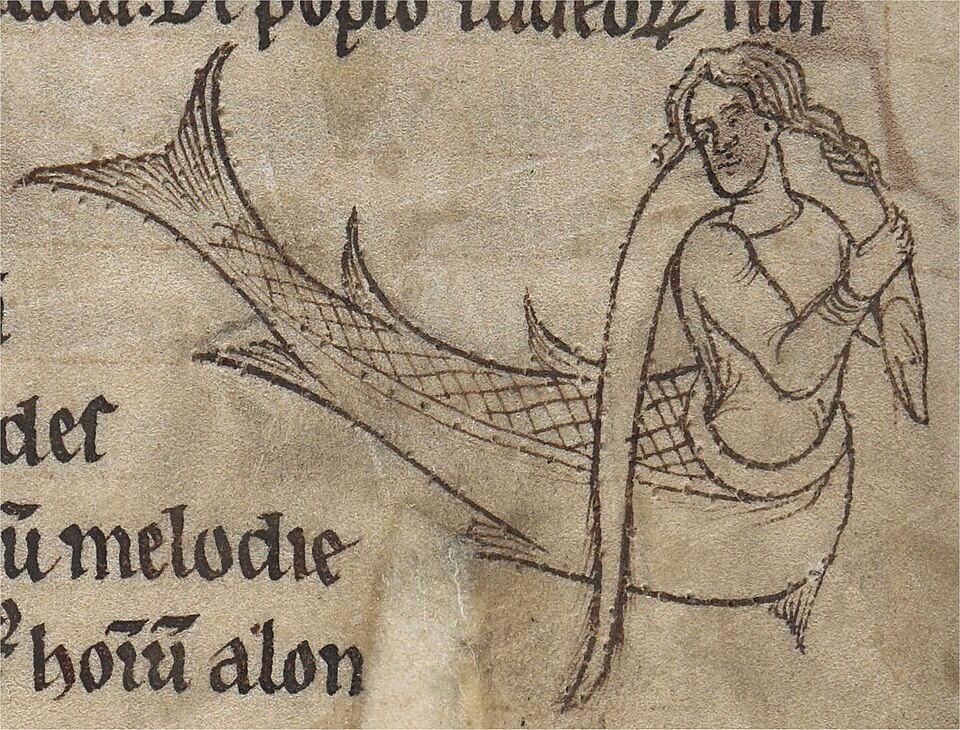
The Fish-Tailed Women Who Haunted Sailors' Dreams
For thousands of years, seafarers swore they saw women rise from the waves — beautiful, singing, and deadly. Were they gods, ghosts, or something far more ordinary?

The Ghost Ship That Never Made Port
A storm off the Cape of Good Hope, a captain's furious oath, and a ship that sailors swear still sails these seas today. What began as a sailor's superstition became one of the sea's most enduring nightmares.
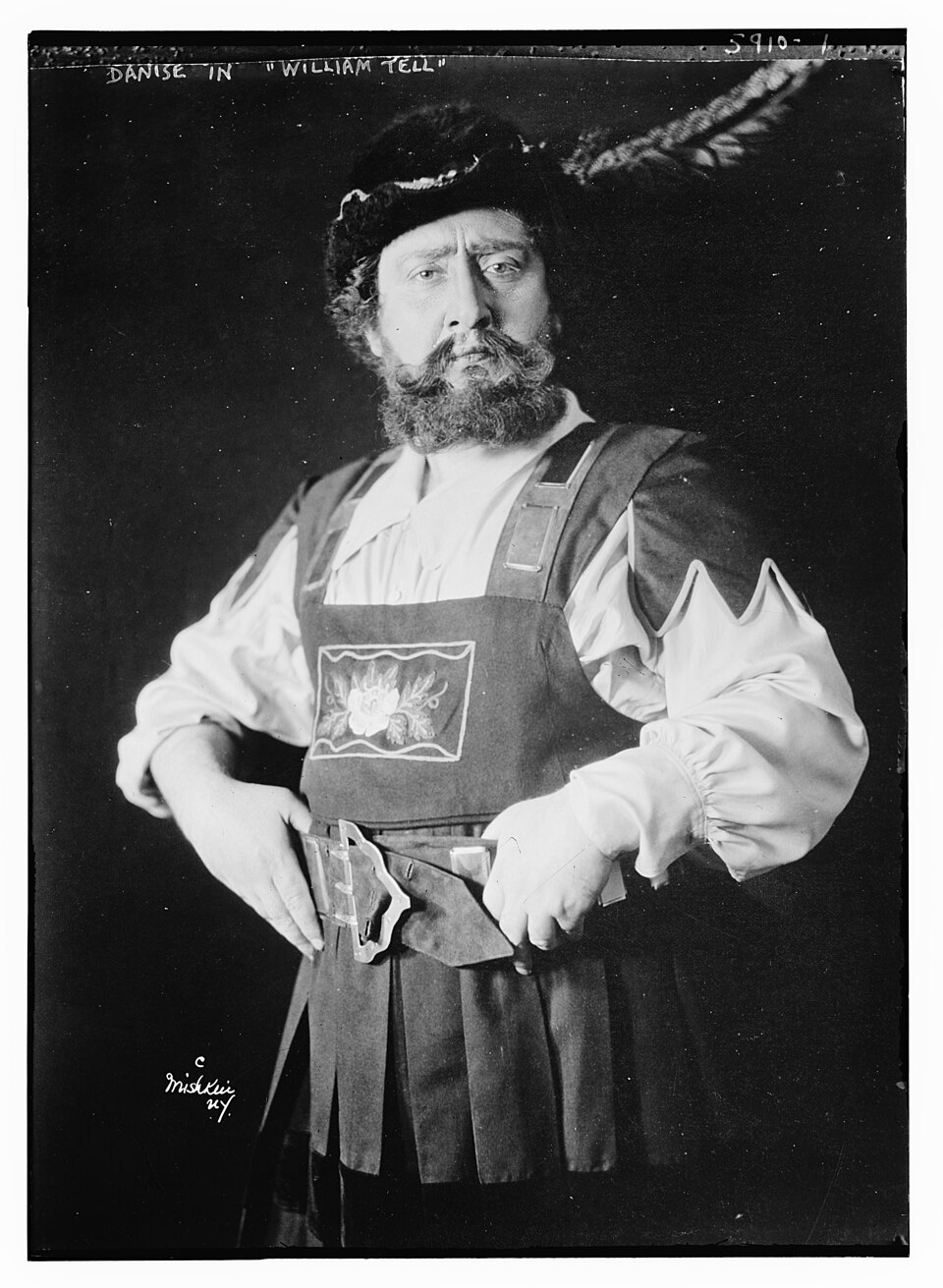
The Archer Who Split an Apple, and a Nation's Chains
An arrow through an apple, a second bolt hidden for a tyrant — the shot that Switzerland has told for six centuries.
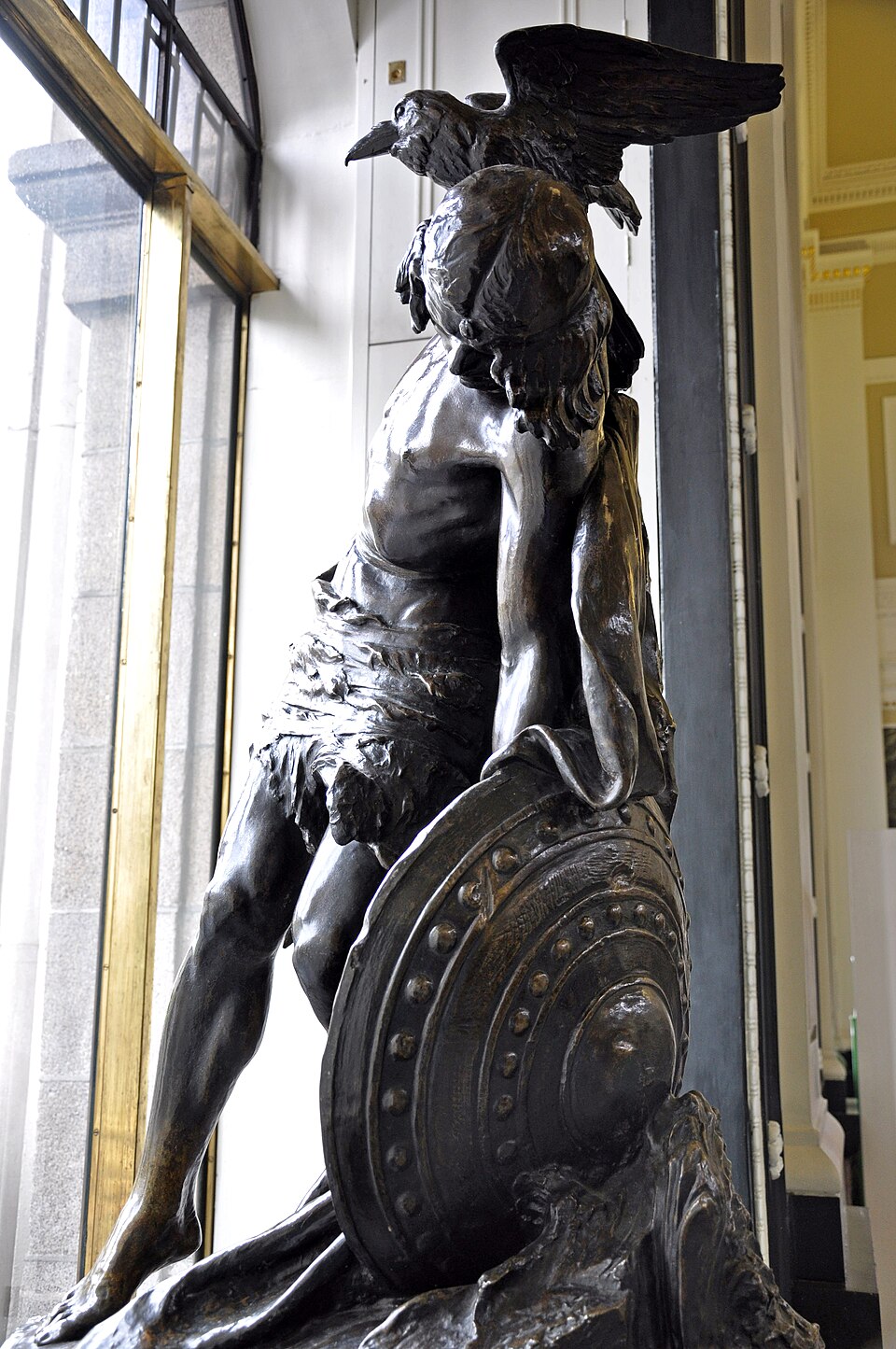
The Hound of Culann: Cú Chulainn's Fury and Fate
A boy killed a guard dog with his bare hands and offered his own life in its place — and from that moment, a legend was born who would defend a kingdom alone.

Rangi and Papa: When the Sky Tore from the Earth
In the beginning there was no light at all — only two lovers locked in an embrace so tight their children could not stand, could not breathe, could not see the sun.
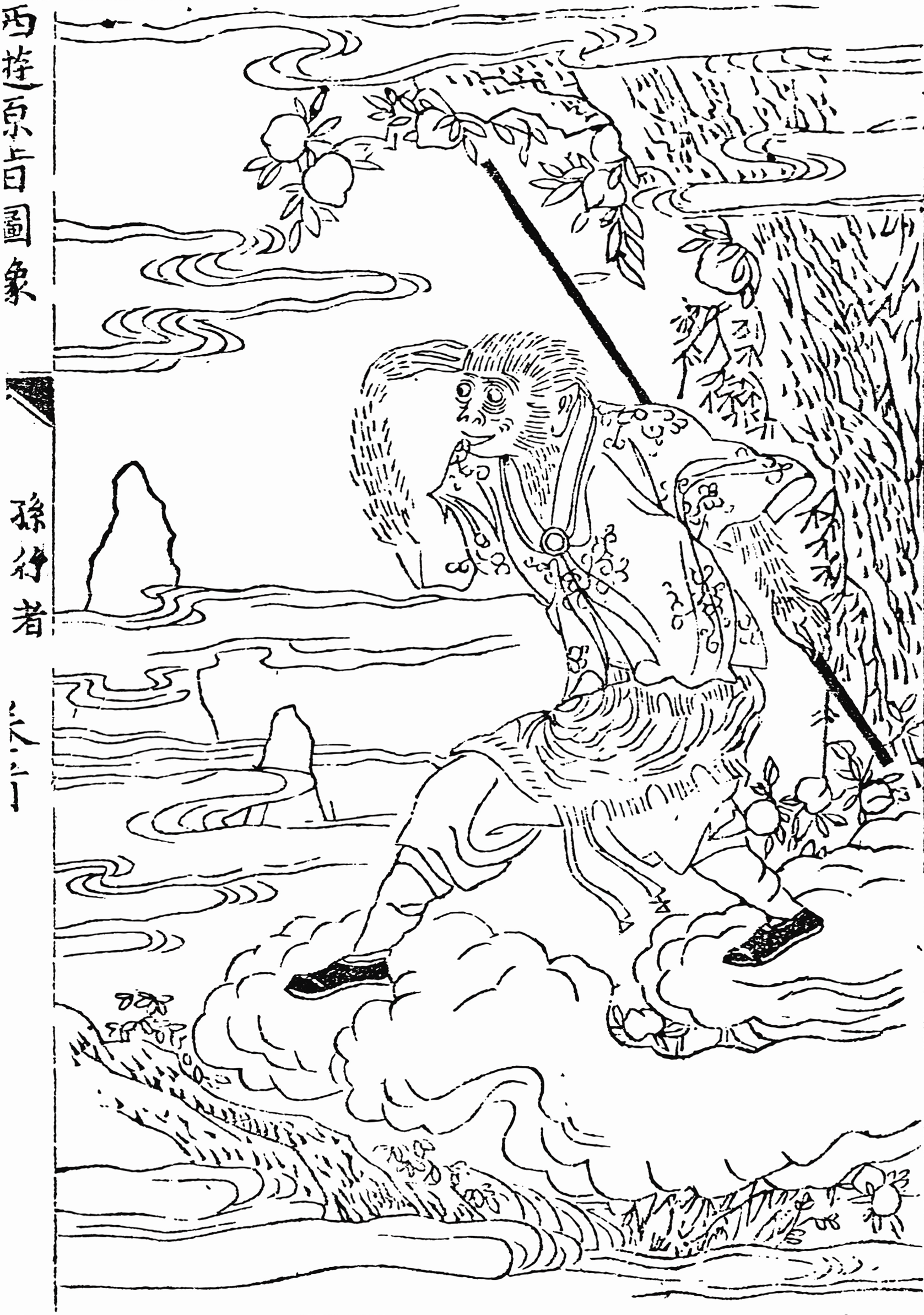
The Stone-Born King Who Defied Heaven
Long before he swung between temples and demons, he was just a stone egg on a mountaintop — until the wind touched it, and something impossible opened its eyes.
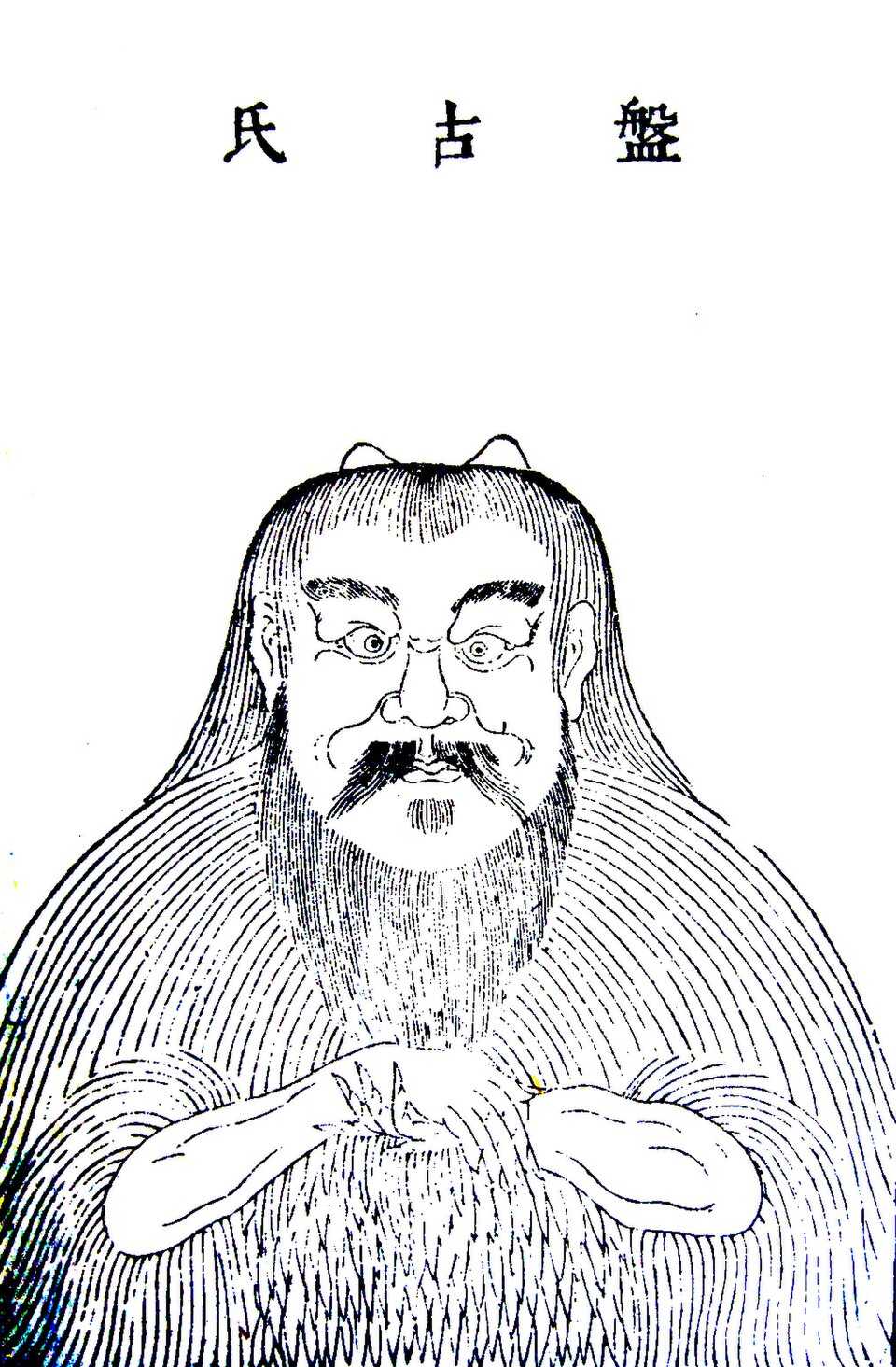
Pangu: The Giant Who Split the Sky from the Earth
Before there was heaven or earth, there was only an egg drifting in the dark — and inside it, something was slowly waking up.
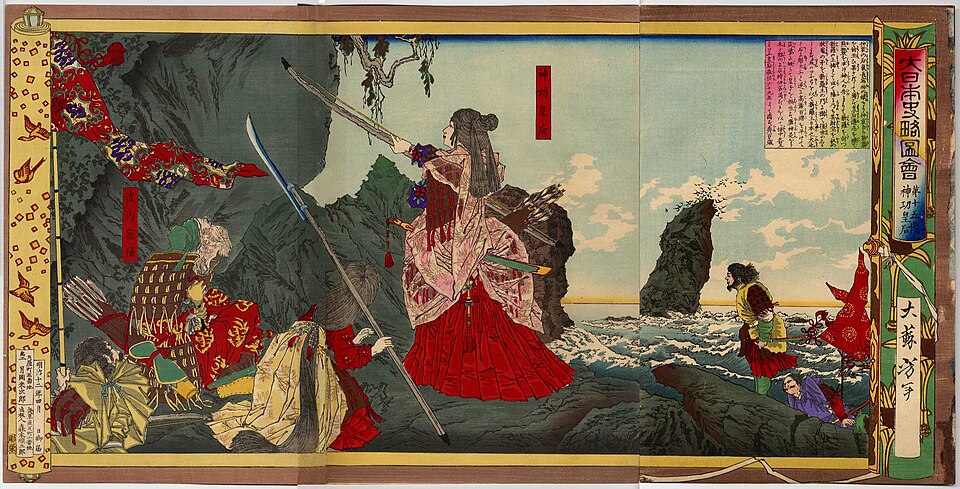
Amaterasu: The Sun Who Hid in a Cave
When the world's brightest goddess vanished into darkness, it took every trick the gods could muster to coax her back into the sky.

The White Goose Over the Endless Water
Before sky, before land, before even a single word — there was only water, and one bird flying over it, afraid of the silence it had made.
Umay: The Sky-Mother Who Breathes Life into Newborns
Long before the steppe khagans carved their names in stone, they asked one goddess for permission to rule — a woman invisible to ordinary eyes, whose favor decided whether an empire had heirs.
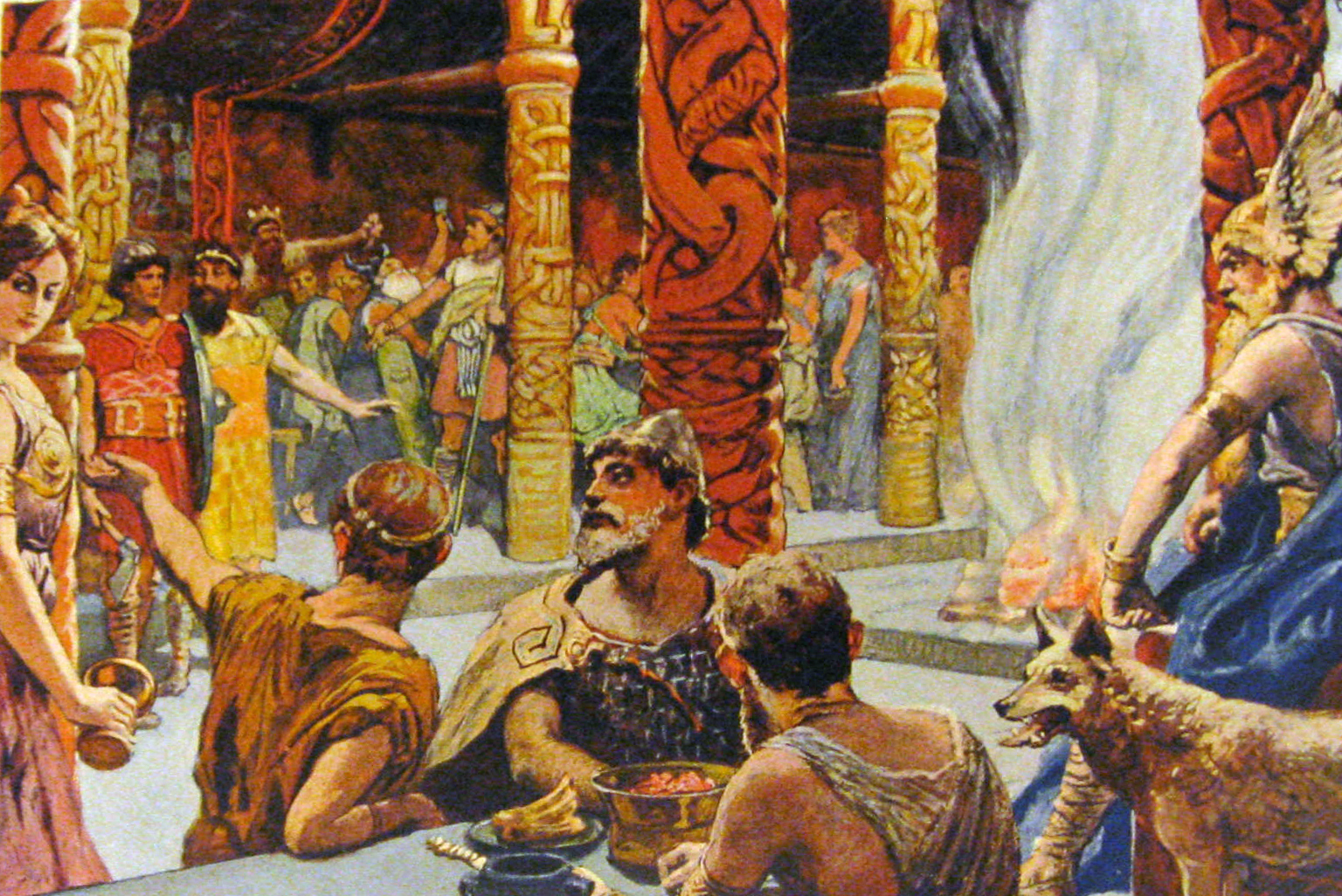
Valhalla: The Hall Where Warriors Never Truly Die
Imagine a battlefield frozen in eternity — broken shields for a roof, wolves at the doors, and the dead rising each morning only to fight and die again by nightfall. This was the Viking paradise.
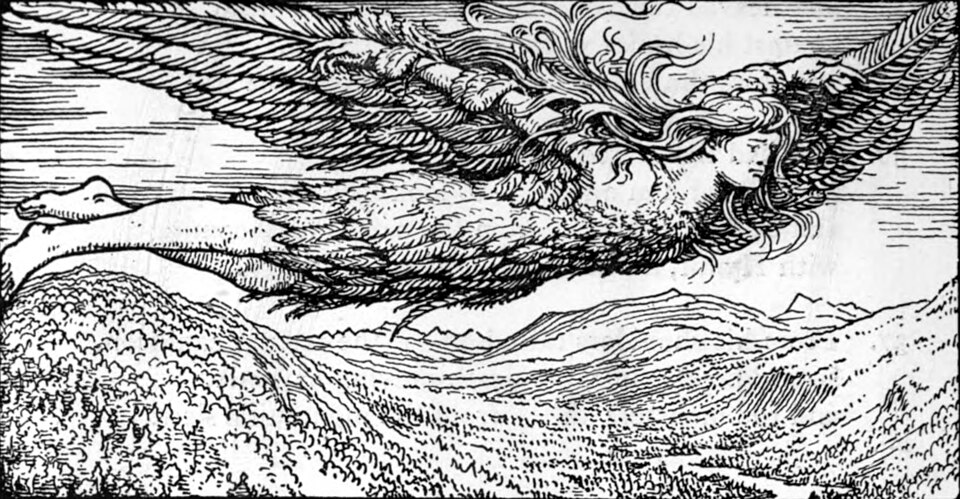
Loki: The God Who Would Not Be Bound
He could become a mare, a fly, an old woman — and still could not escape the fate he himself helped set in motion. This is the story of the trickster who broke a god's world, and paid for it in a cave beneath the earth.
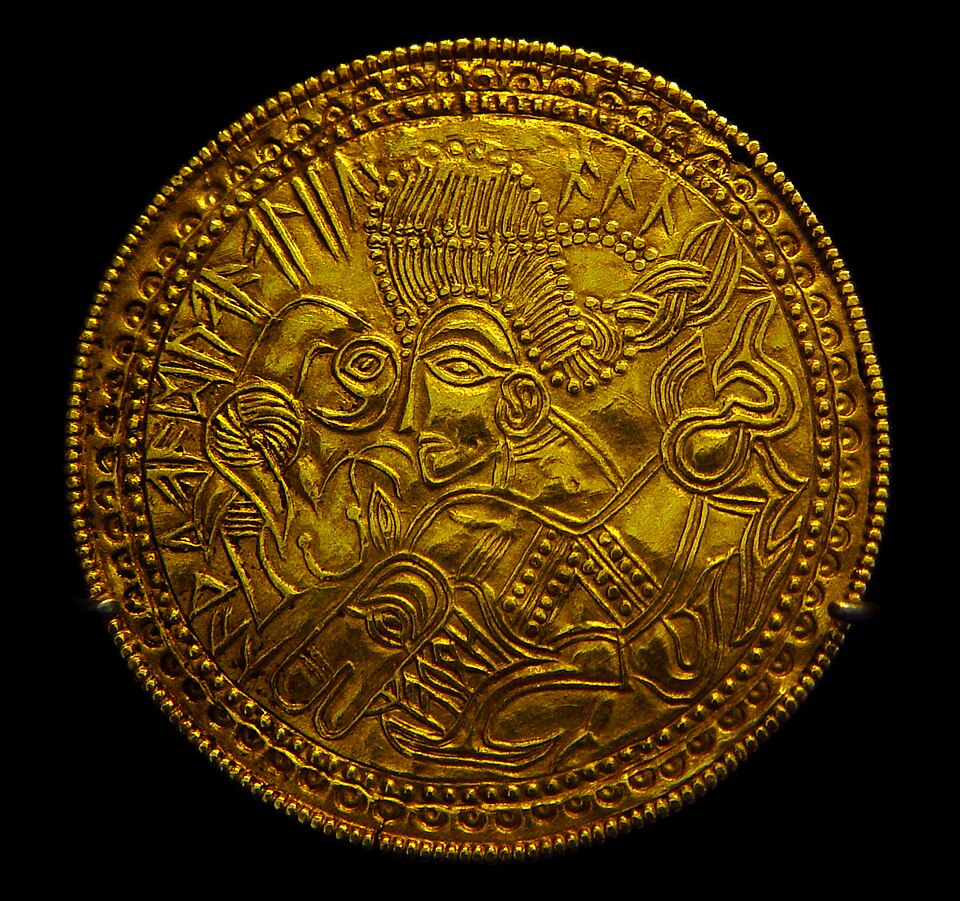
Odin: The God Who Traded an Eye for Wisdom
He gave up an eye to drink from a well of knowledge — and became the one-eyed ruler of nine worlds, watching everything from a single throne.
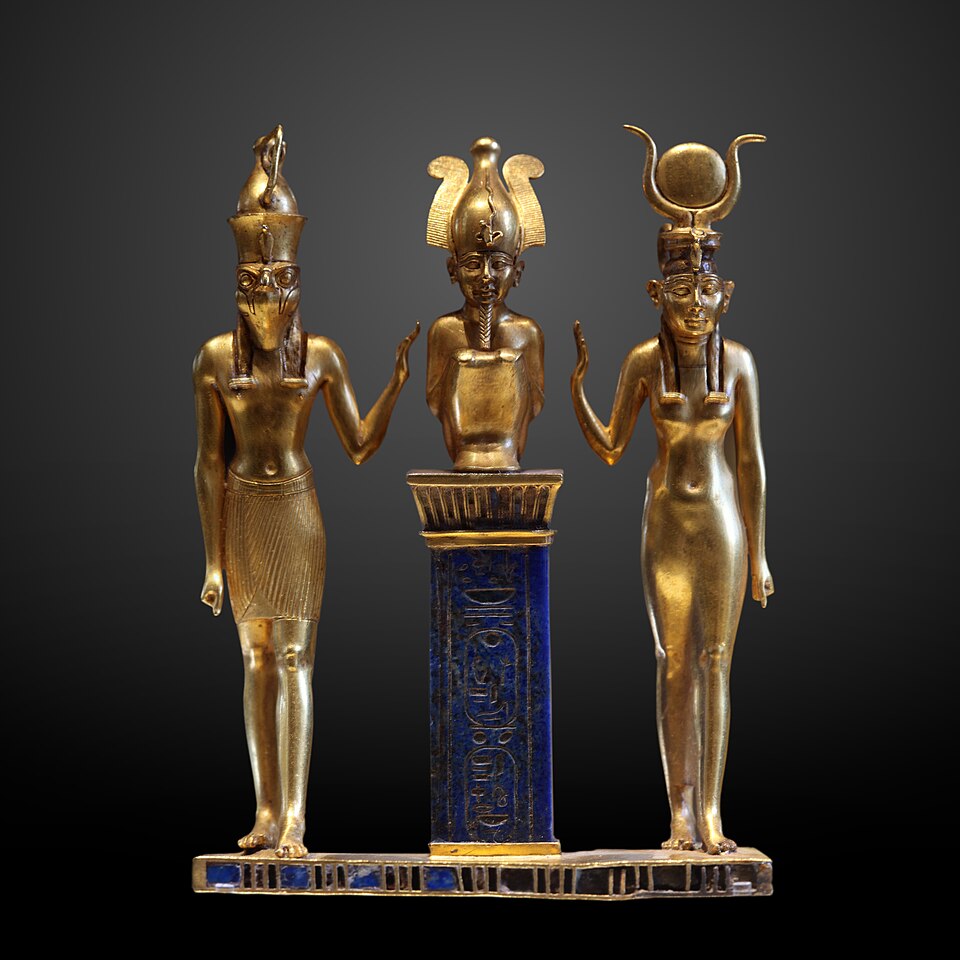
The God Who Was Cut Into Fourteen Pieces
A jealous brother, a lead-sealed coffin, a tree grown around a god's corpse — this is how Egypt's lord of the dead came to reign over eternity.
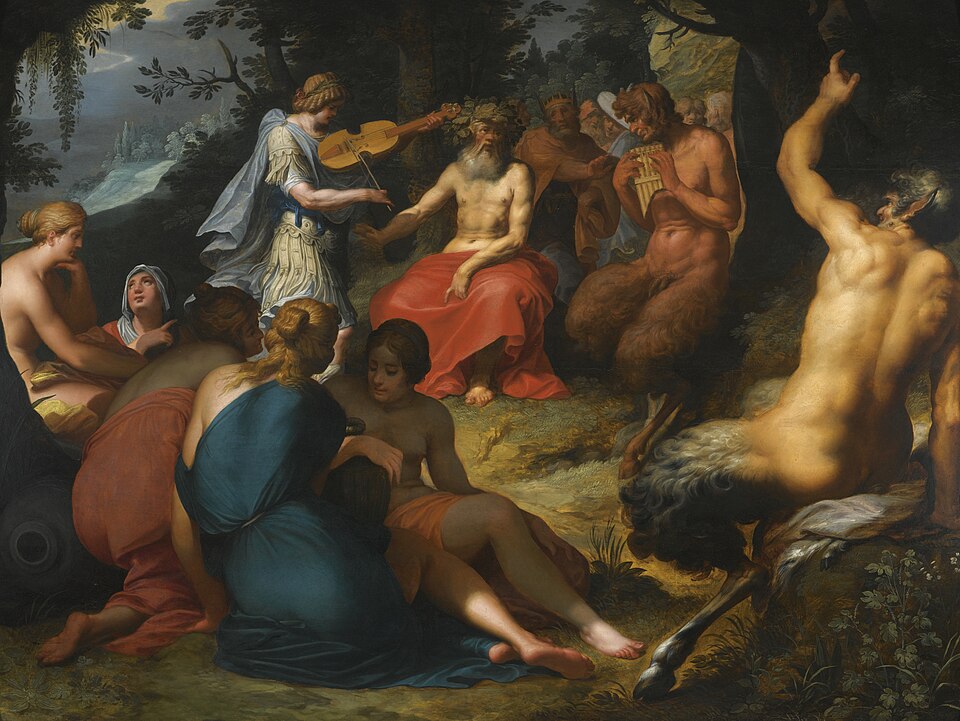
The King Whose Touch Turned Wishes to Gold
He asked the gods for endless wealth — and got a curse that turned bread to stone in his mouth. This is the true and tangled story of King Midas, buried under his own myth.
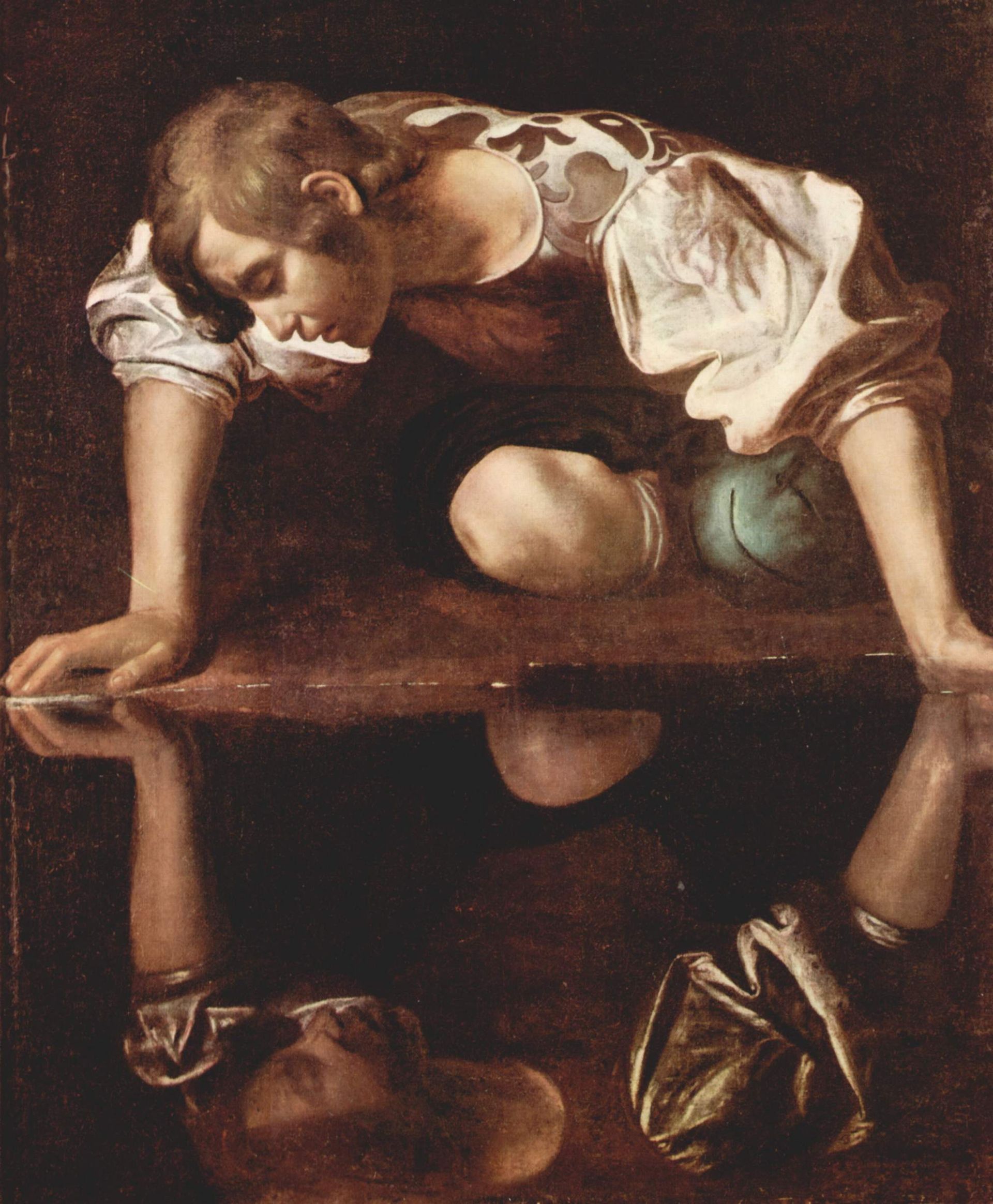
The Boy Who Could Not Come to Know Himself
A prophet warned that the beautiful boy would live long only if he never came to know himself. He did — and it destroyed him.
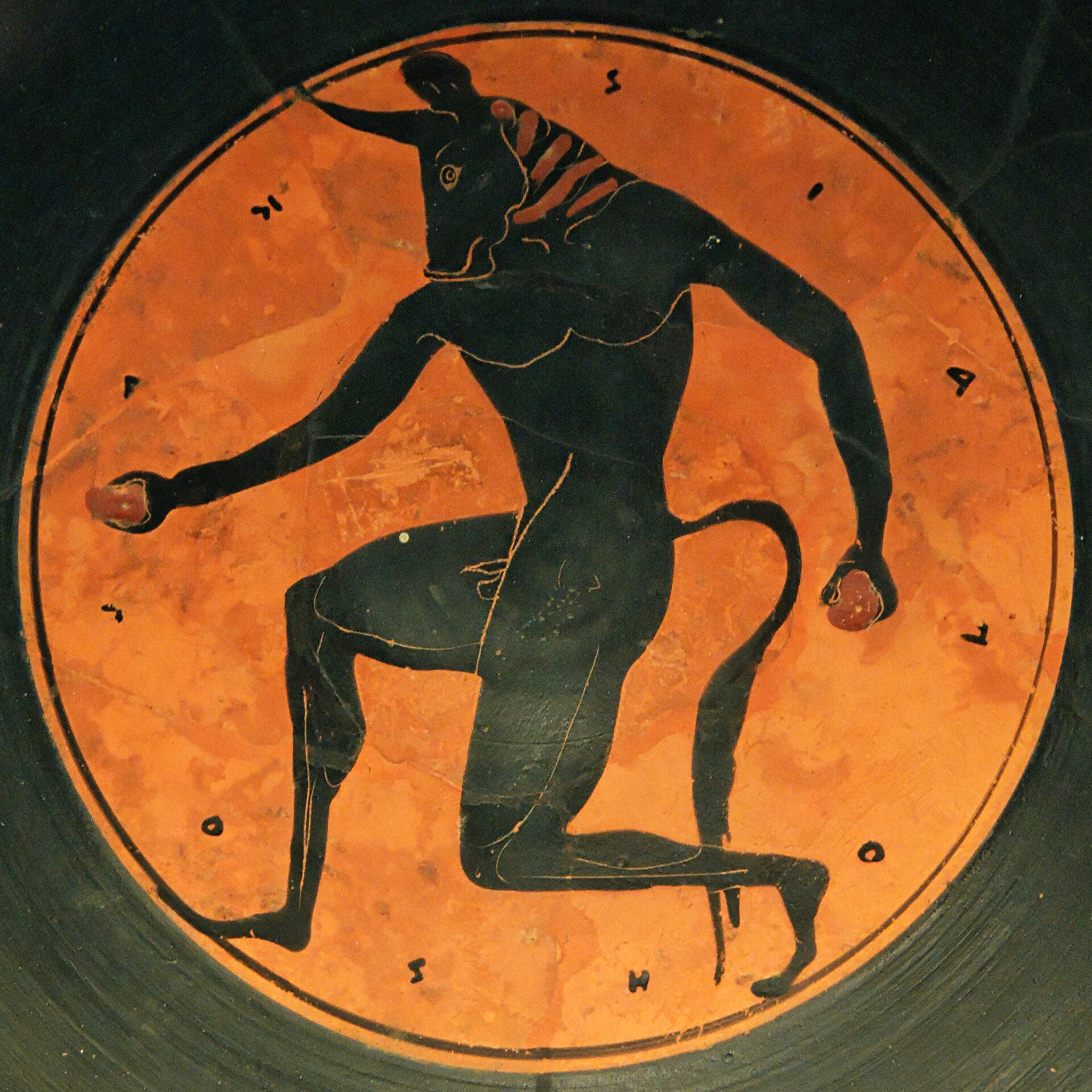
Theseus and the Minotaur: Into the Labyrinth
Every nine years, a black-sailed ship carried Athens's finest youth to a monster's door. Only a thread and a stranger's courage stood between them and the dark.
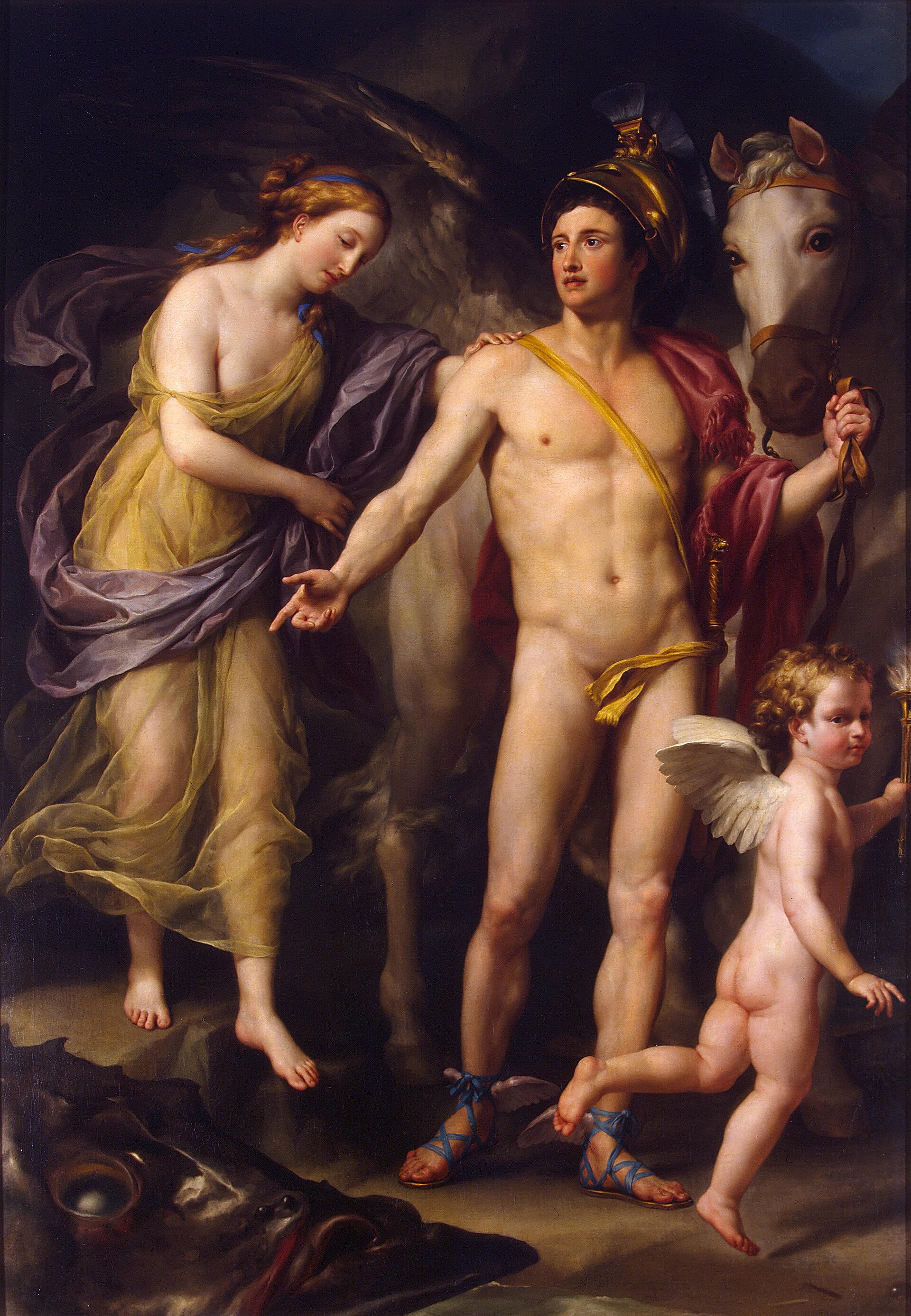
Perseus and Medusa: Death in a Mirror
A boy locked atop a bronze tower, a monster whose gaze turns flesh to stone — and the only weapon that could beat her was a mirror.
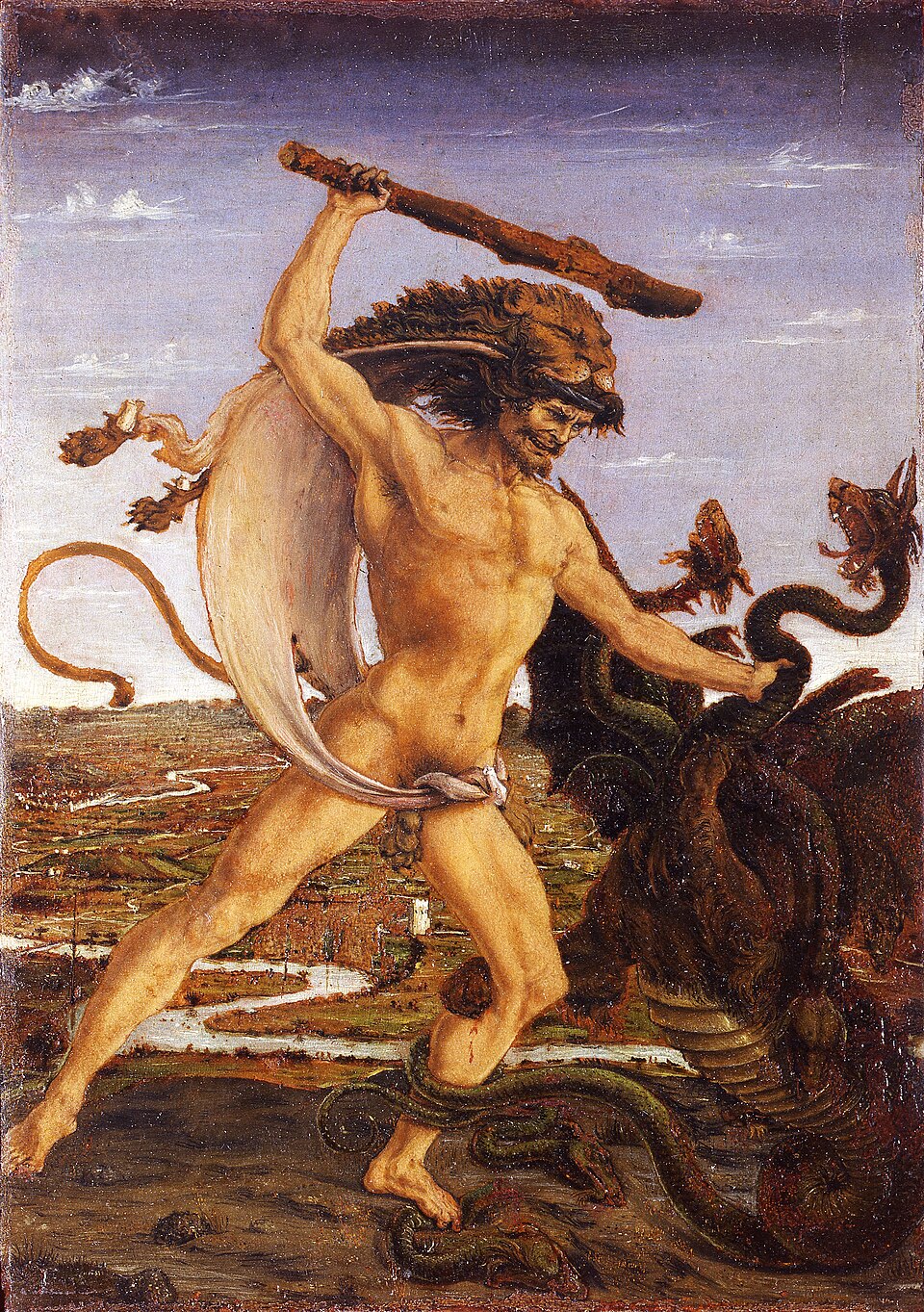
The Twelve Labours of a Man Who Would Not Break
He killed his own children in a madness the goddess Hera sent upon him — and the price he paid for it became the most famous string of trials in Greek myth.
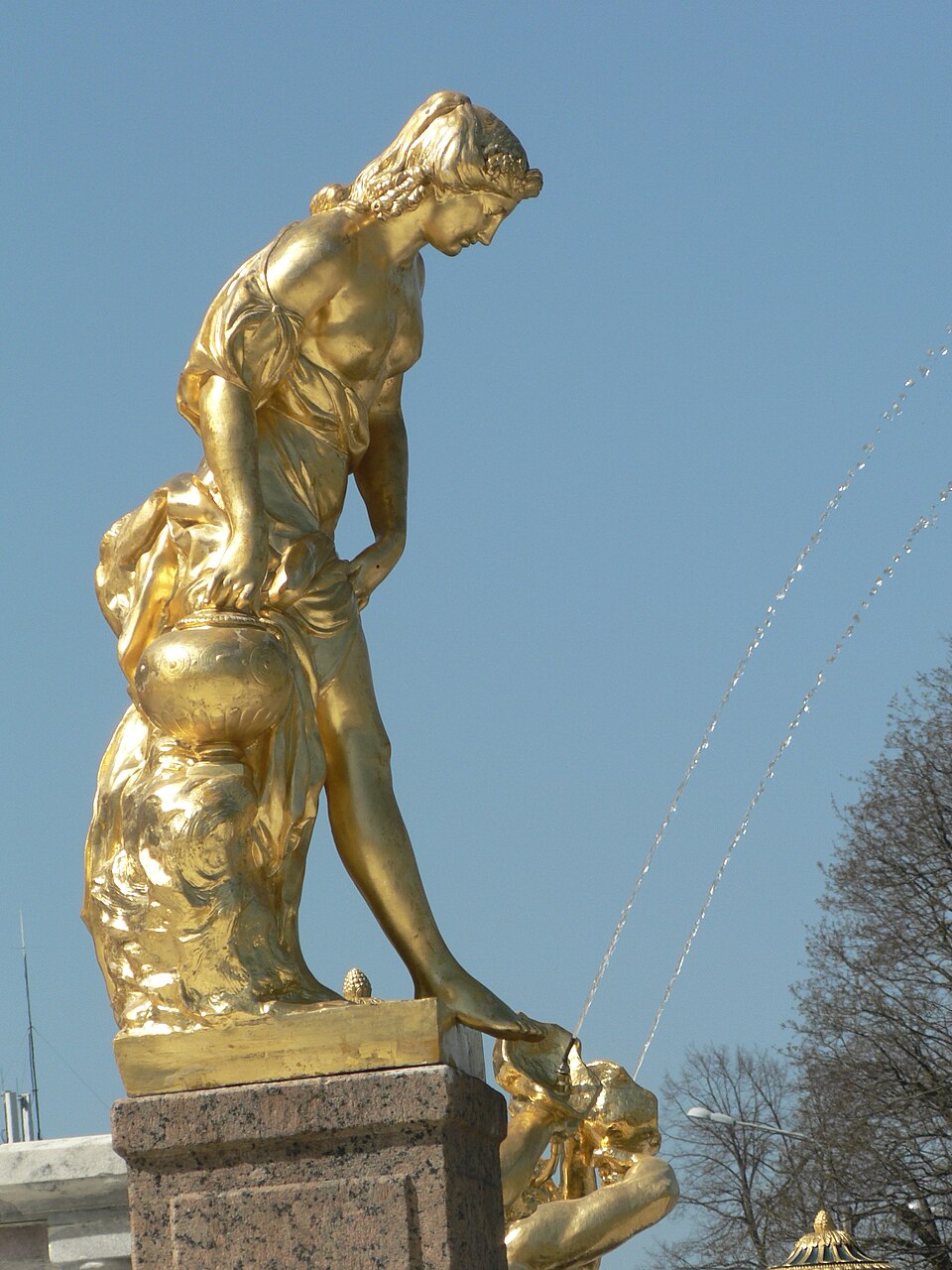
The Jar That Held All the World's Troubles
A gift too beautiful to refuse, a lid too tempting to leave shut — and inside, everything that would ever make humans suffer.

The Clay Man of Prague: Birth of the Golem
A rabbi shapes mud into a servant, writes one Hebrew word on its forehead, and watches it rise. Erase a single letter, and truth becomes death.
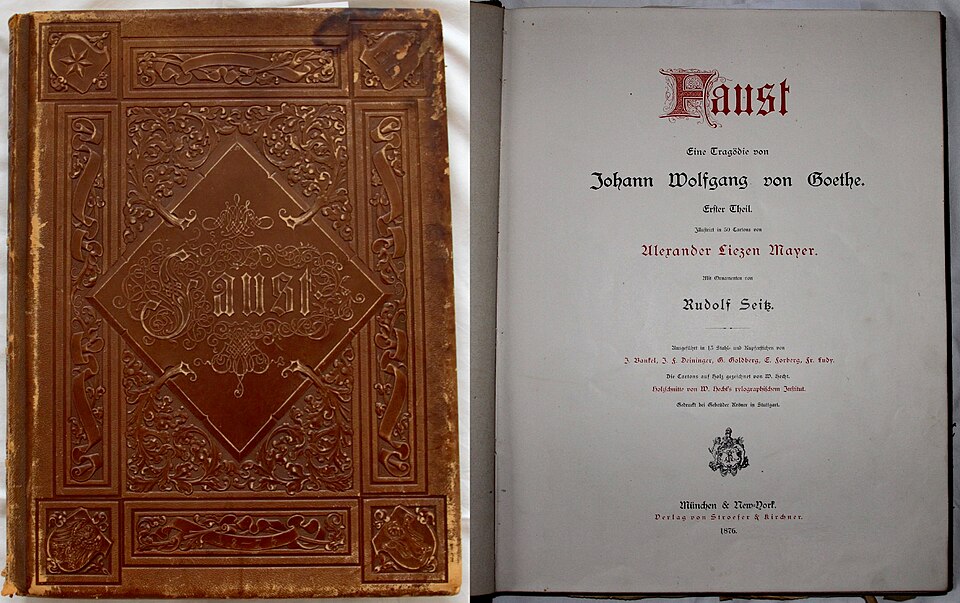
The Scholar Who Bargained With the Devil
At a crossroads, a man tired of everything he knew struck a deal that would echo through five centuries of art, music, and nightmares.
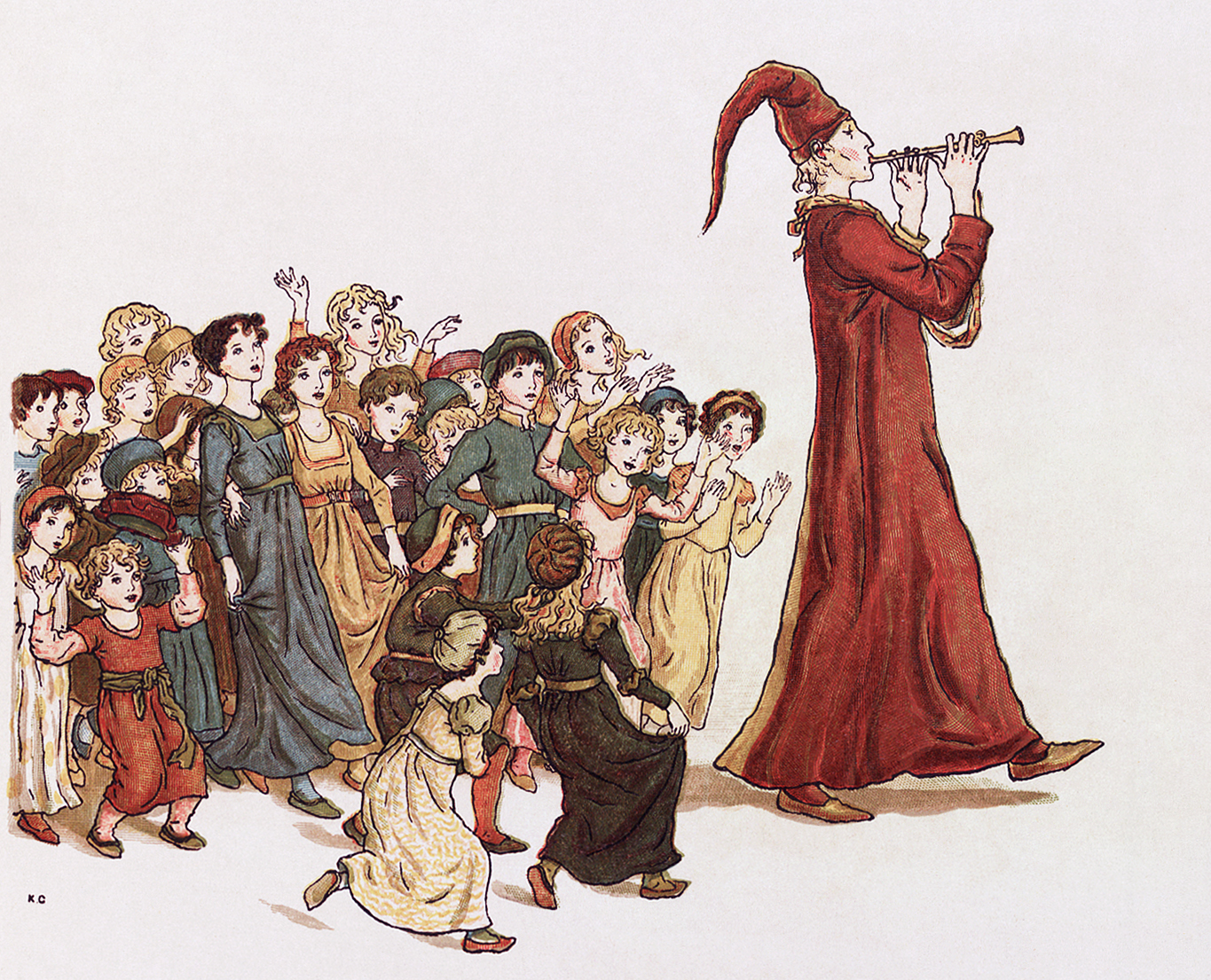
The Piper Who Vanished With the Children of Hamelin
On a summer feast day in 1284, a stranger in strange colours walked into a German town — and 130 of its children walked out with him, never to return.

The Outlaw Who Would Not Die
He robbed the rich to feed the poor, hid in a forest with a band of merry outcasts, and defied a corrupt sheriff — but did he ever actually exist?
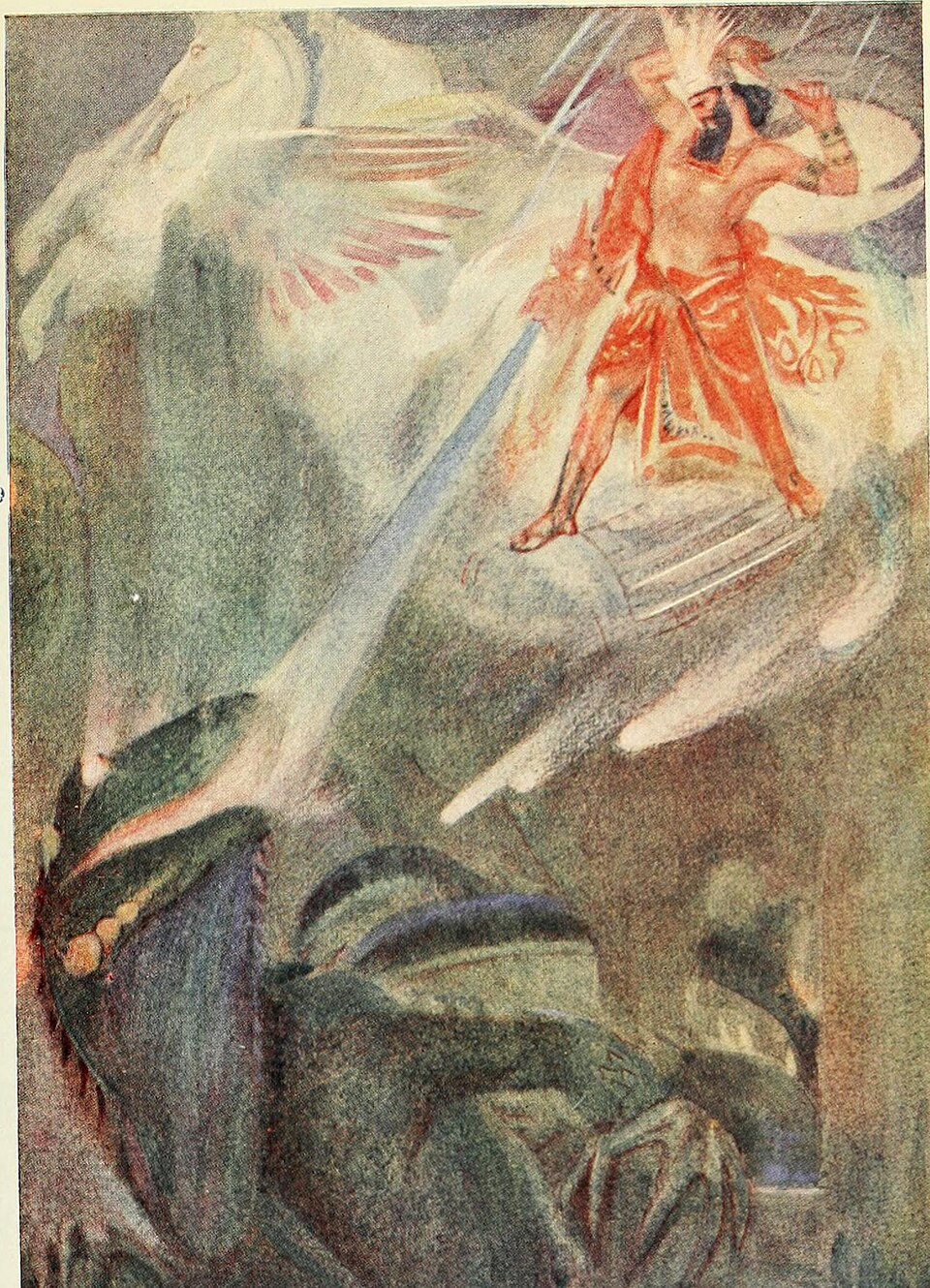
Marduk and Tiamat: The War That Made the World
Before there was sky or earth, there was only the mingling of two waters — until the noise of new gods provoked a silence-breaking murder, and murder provoked a war that would carve the cosmos itself.
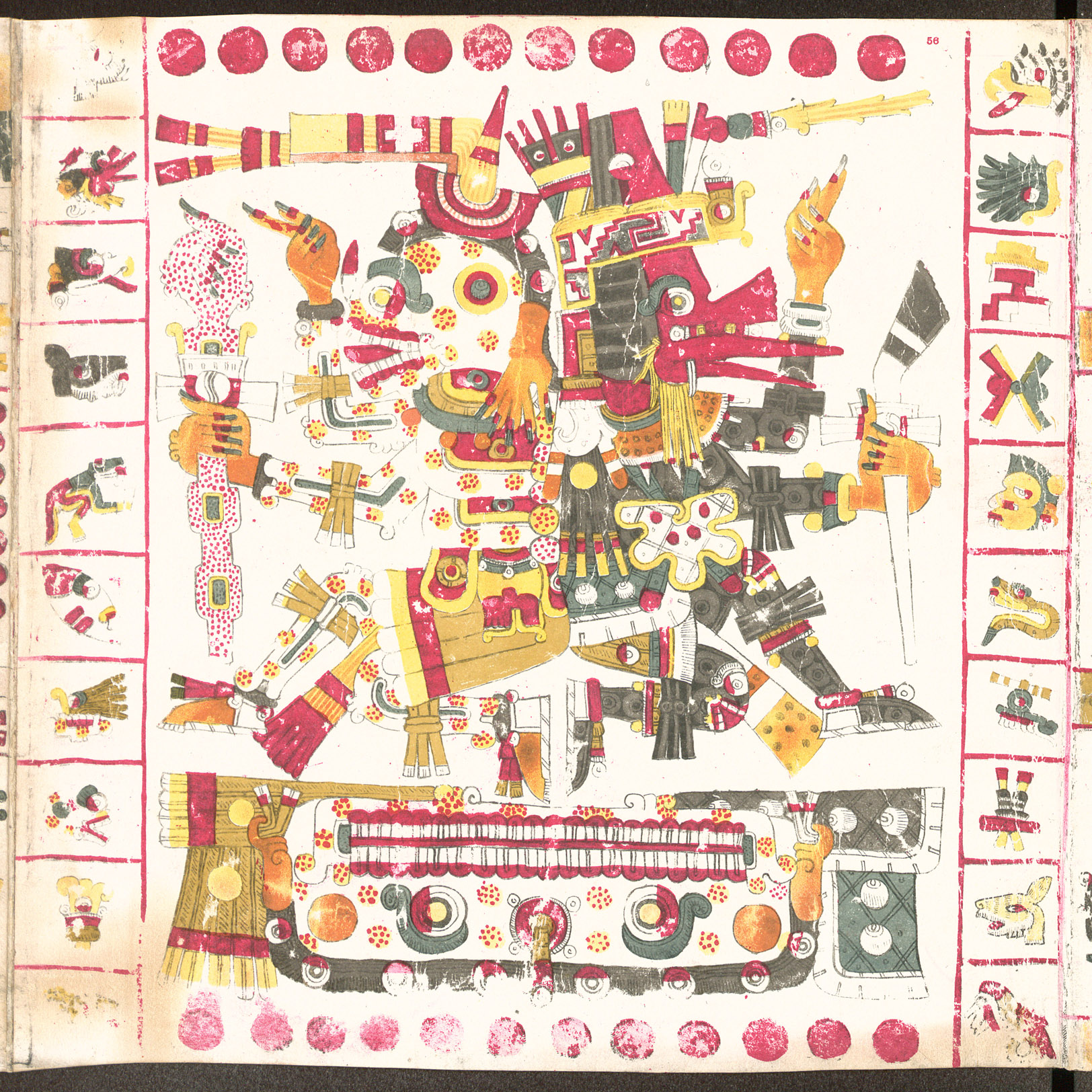
The Stone That Counted the Suns
Carved into a single slab of basalt lies the memory of four ruined worlds — and the terrifying birth of a fifth.
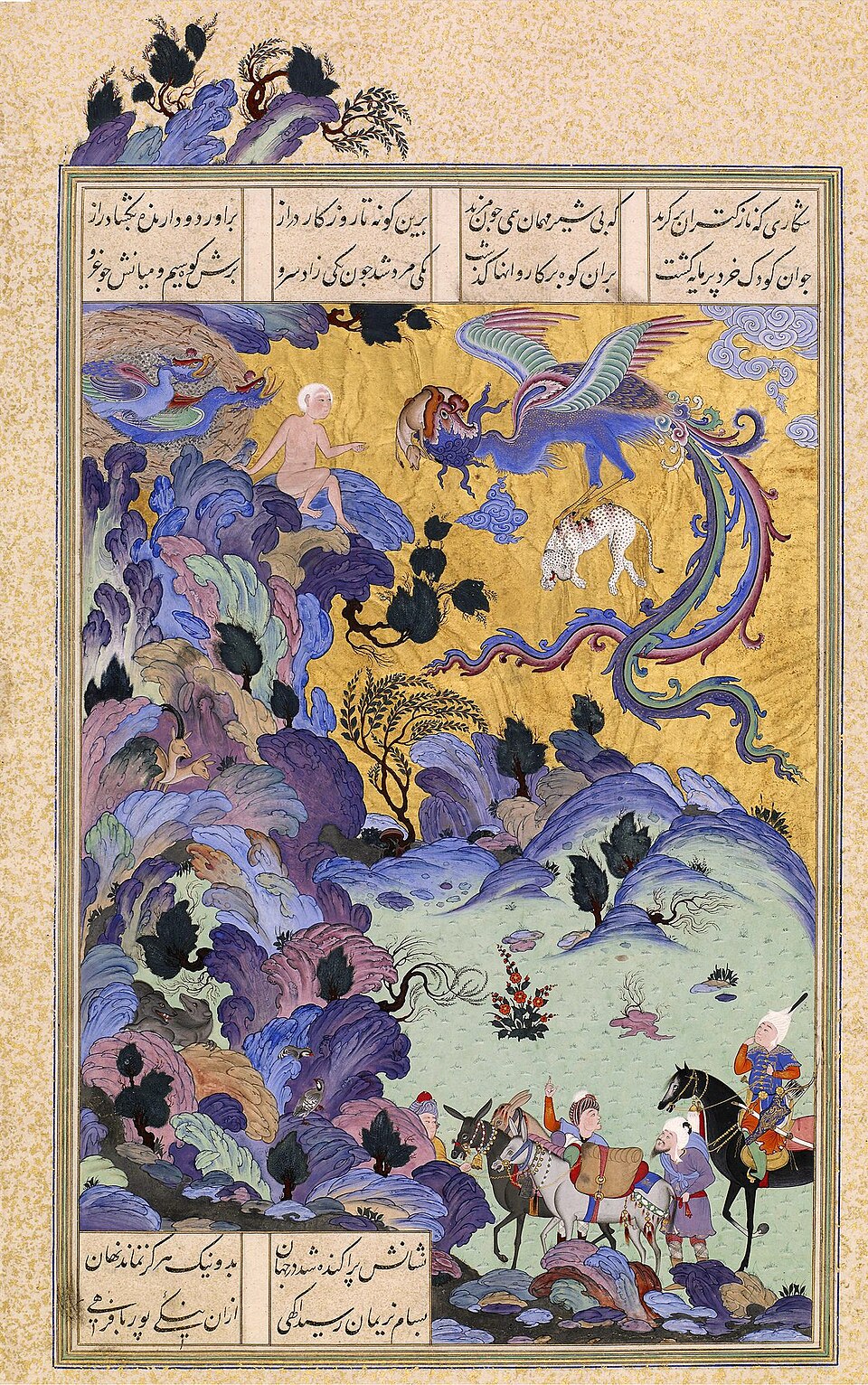
The Bird Who Remembered the World's Endings
A creature old enough to have watched the world burn three times over, nesting in a tree that seeds all of creation — and once, it saved a mortal child left to die on a mountainside.
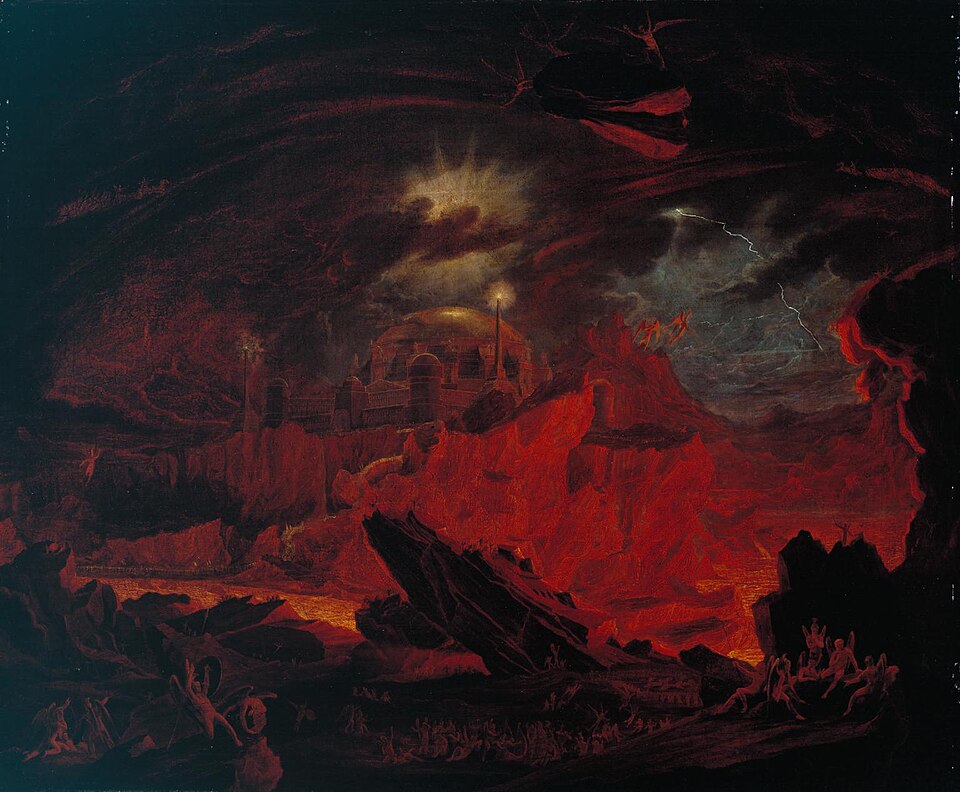
Erlik Han: Lord of the Nine-Layered Underworld
Somewhere beneath the ninth layer of the earth sits a copper palace, its throne carved of silver, lit by a dim red sun that gives almost no light. This is the domain of the being the Turkic peoples feared most.

Tengri: The Eternal Blue Sky That Ruled the Steppe
Long before empires bowed to written law, nomads on the Eurasian steppe answered to a force with no face, no temple, and no rival — only sky.

The Tree at the Center of Everything
An ash tree so vast that gods rode to it daily, its branches touching the heavens and its roots gnawed by a dragon — this is the tree the Norse believed held the universe together.
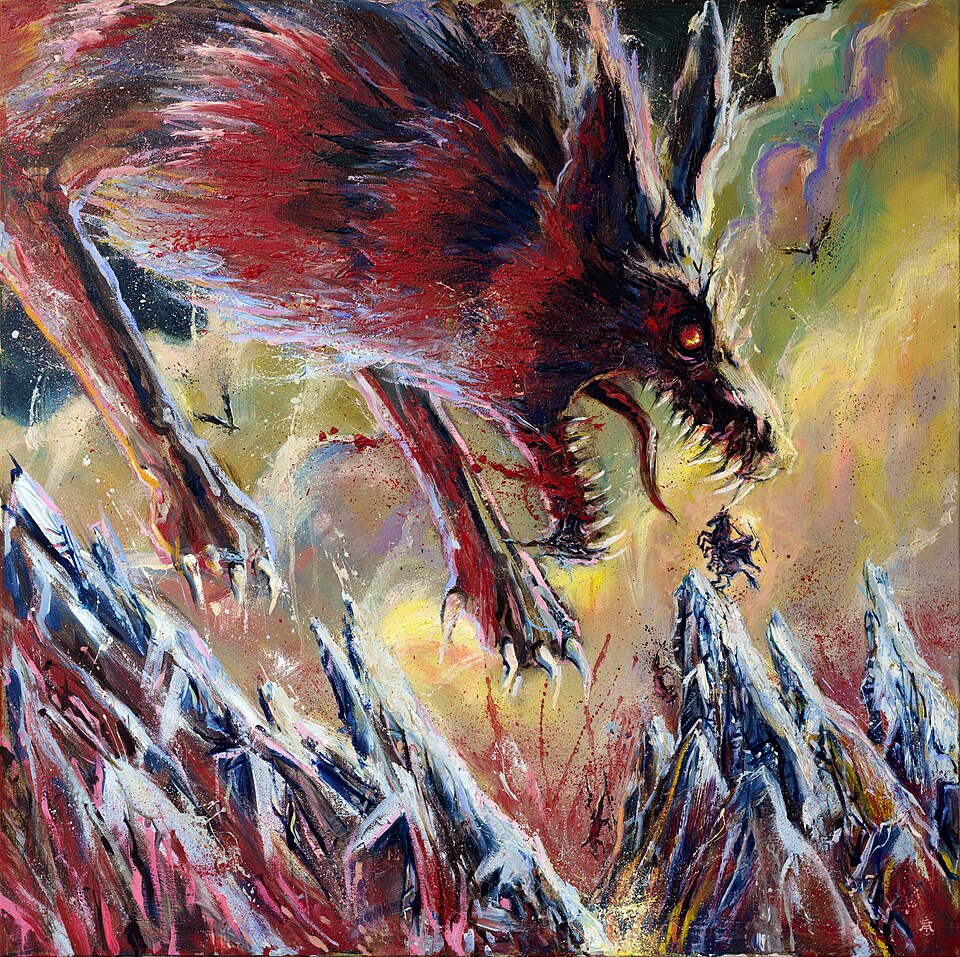
The Day the Gods Were Foretold to Die
A seer speaks to Odin of roosters that will crow before the end, of a wolf that will swallow the sky's king whole — and of a world that will drown, only to rise again.
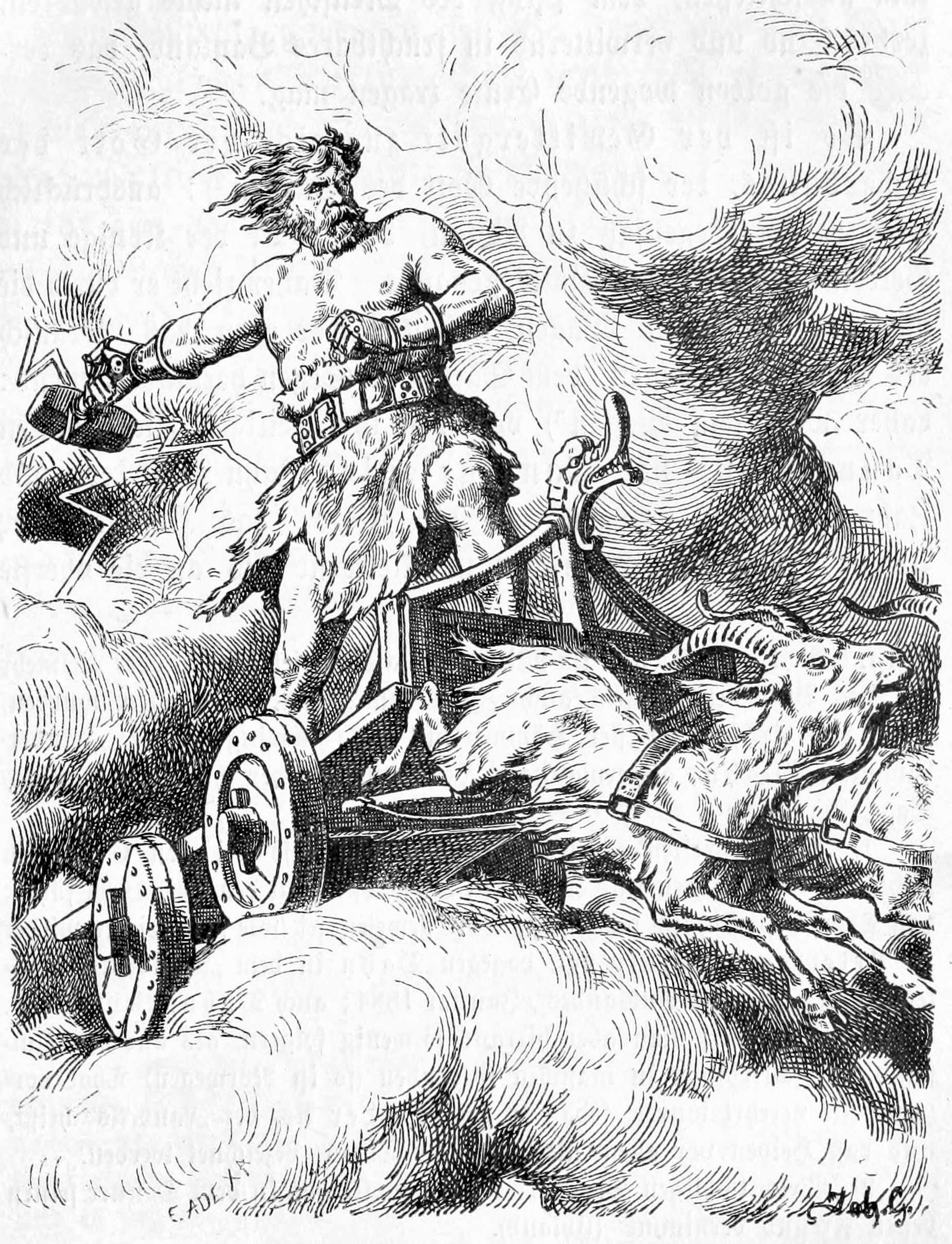
The Hammer That Held Up the Sky
A giant stole it once, and thunder itself fell silent. To get it back, the strongest of the gods put on a wedding dress.
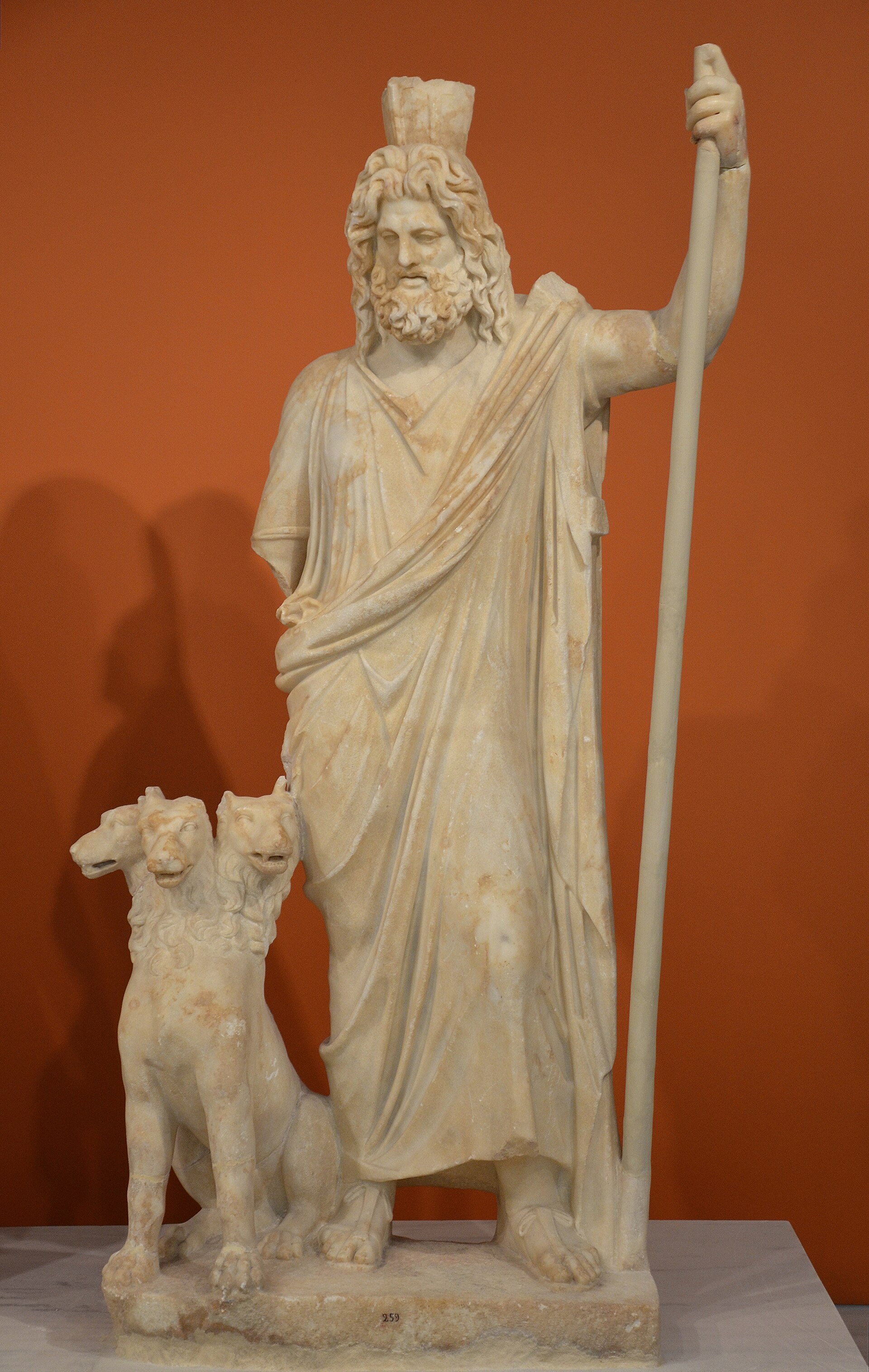
Hades and Persephone: How the Seasons Were Born
He was the god no one dared name aloud — and the story that made him unforgettable began not with death, but with an abduction.
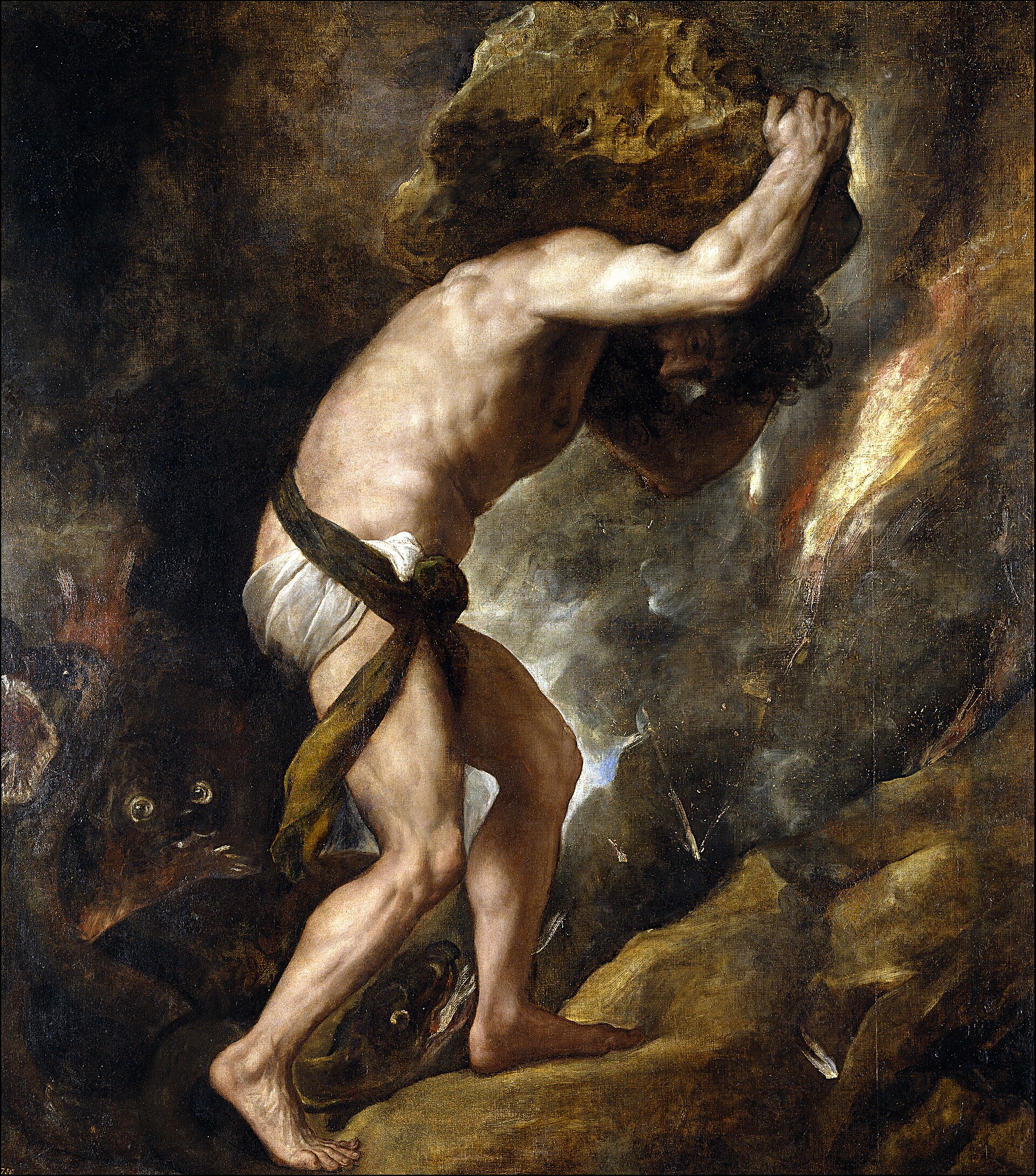
Sisyphus and the Boulder That Never Stayed
He outwitted Death itself and walked free from the Underworld — but the gods always collect their debts.
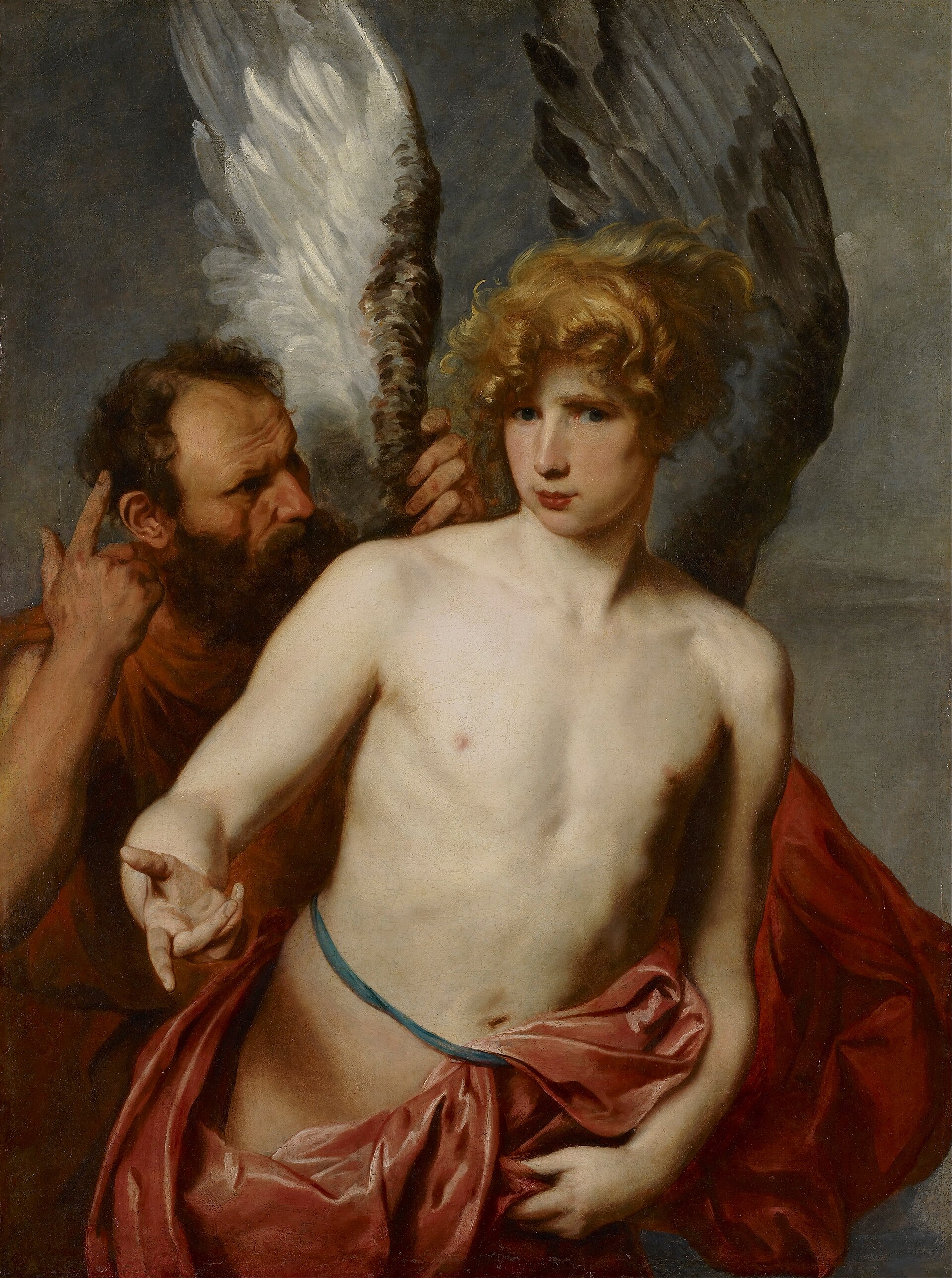
The Boy Who Flew Too Close to the Sun
Given wings of feather and wax, a father's warning was simple: not too low, not too high. His son heard only the sky.
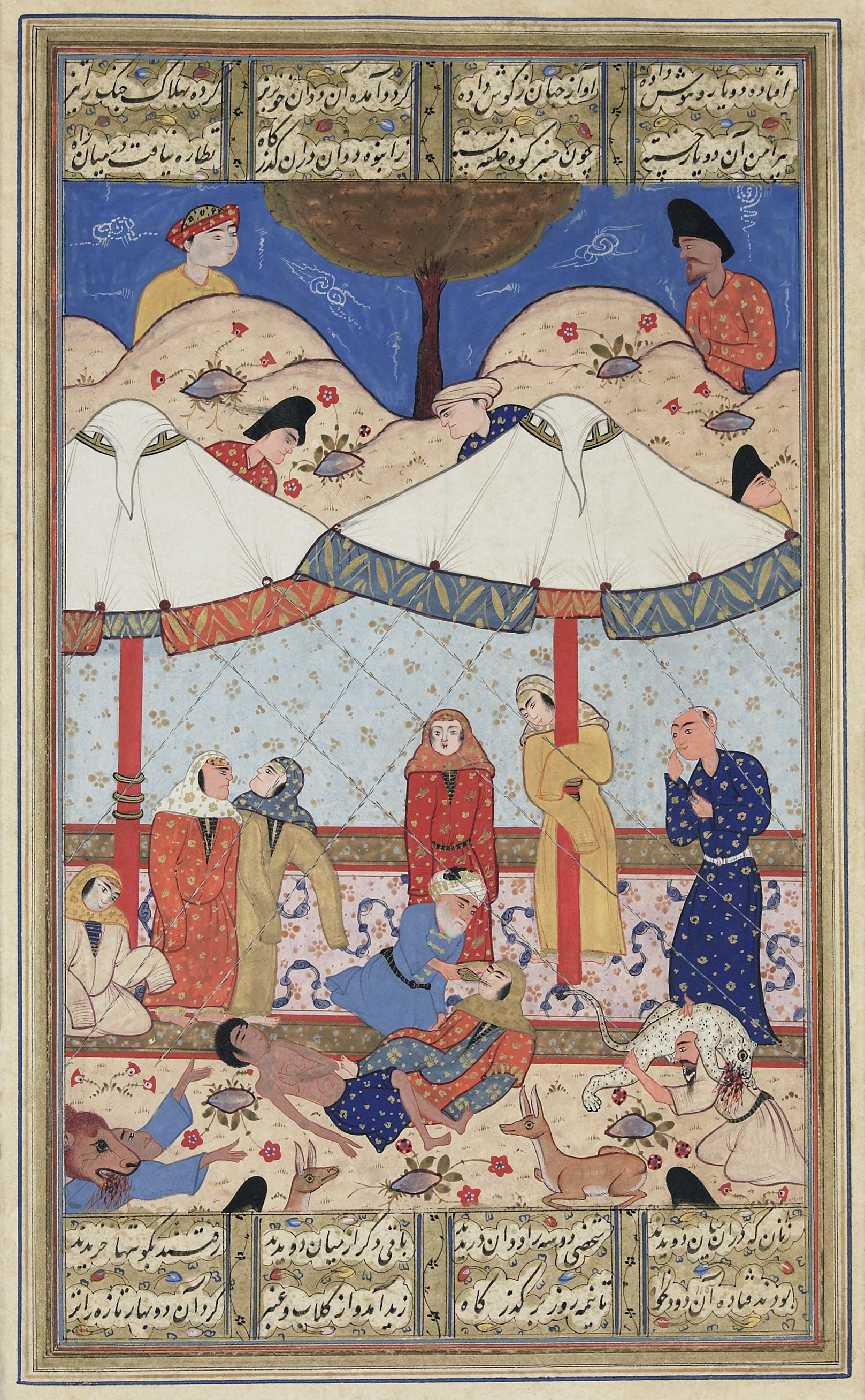
Layla and Majnun: The Madness of a Desert Love
He carved three lines of poetry into a rock beside her grave — and then he died there, in the sand, having already lost everything else.
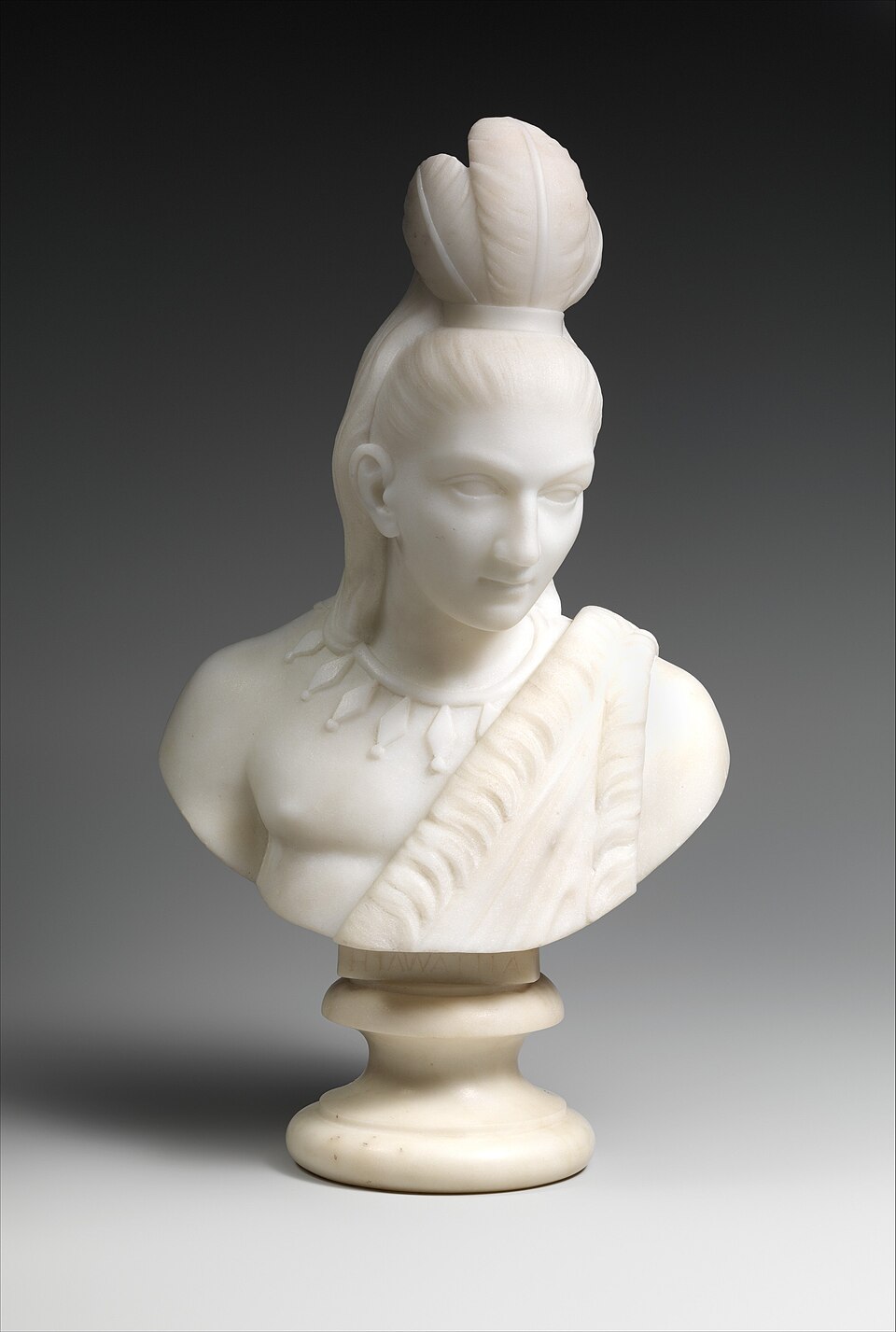
The Poem That Invented an American Legend
In 1855, a Boston professor sat down to write an Indian Edda — and ended up giving America a hero whose name never actually belonged to the tribe he wrote about.
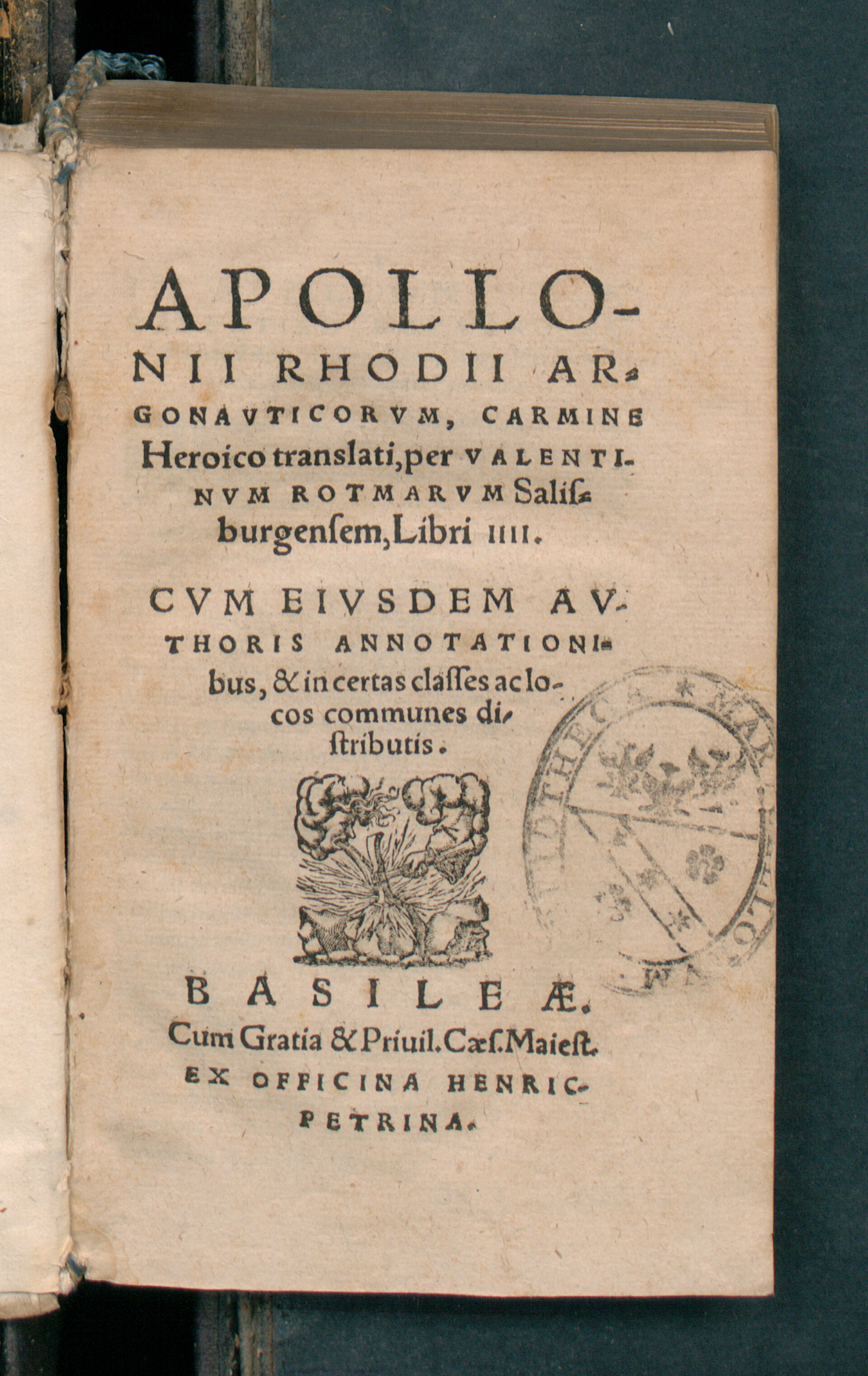
The Argonautica: Chasing the Golden Fleece
A prince arrives in a strange city with one bare foot, unaware that a prophecy has already marked him for a doomed voyage — and an epic poet in Alexandria will spend centuries making sure the world never forgets it.
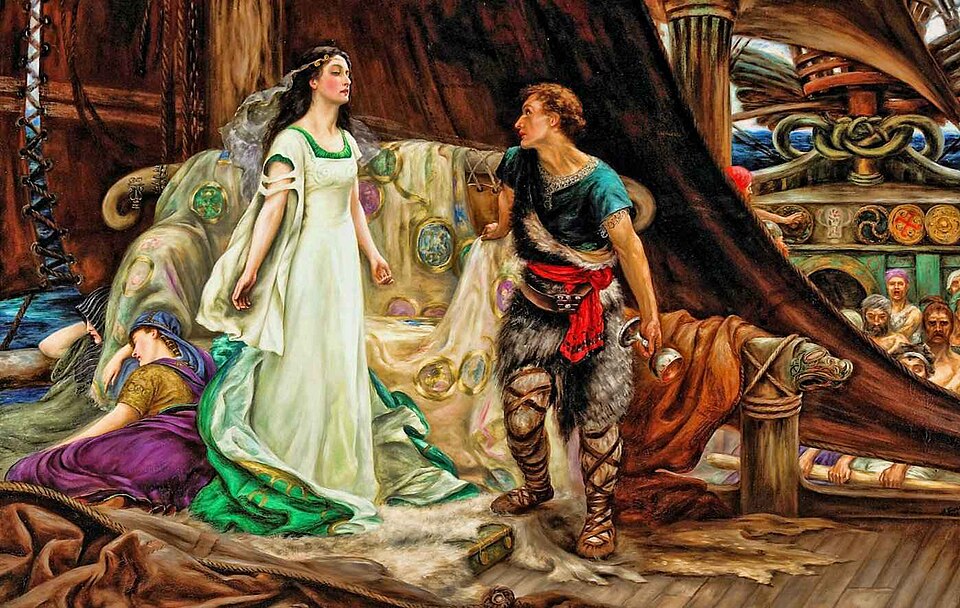
The Potion That Could Not Be Undone
A cup of wine, mistaken for another, binds a knight and a queen in a love neither crown nor exile can break.
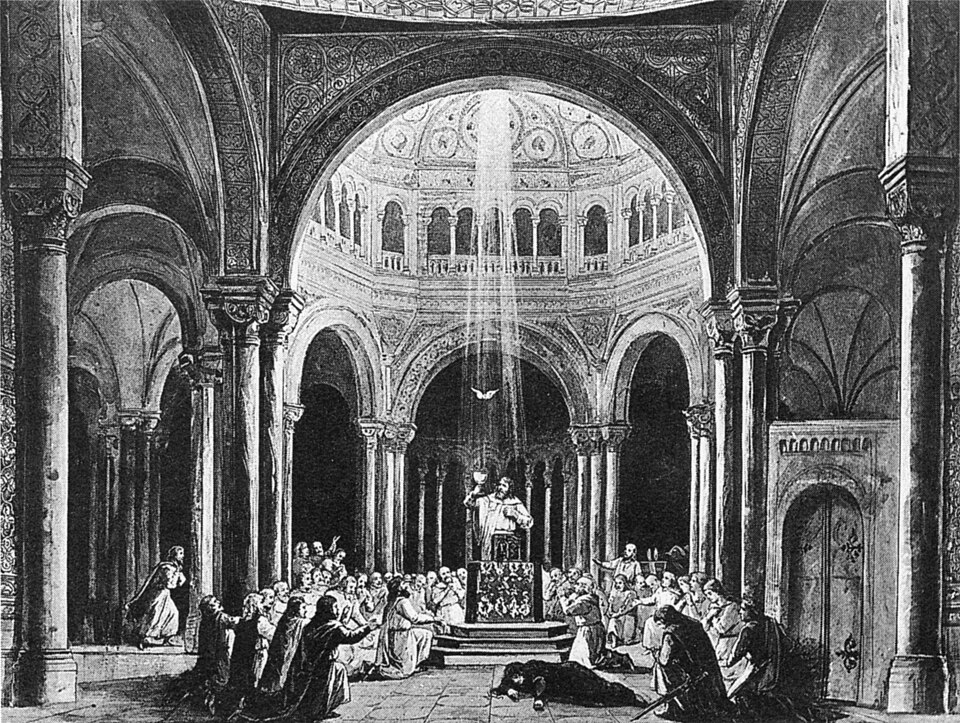
The Fool Who Waited Twenty-Five Years
On what he believed was a Good Friday morning, a composer glimpsed a whole drama in a flash of sunlight — then took roughly twenty-five years to finish it.
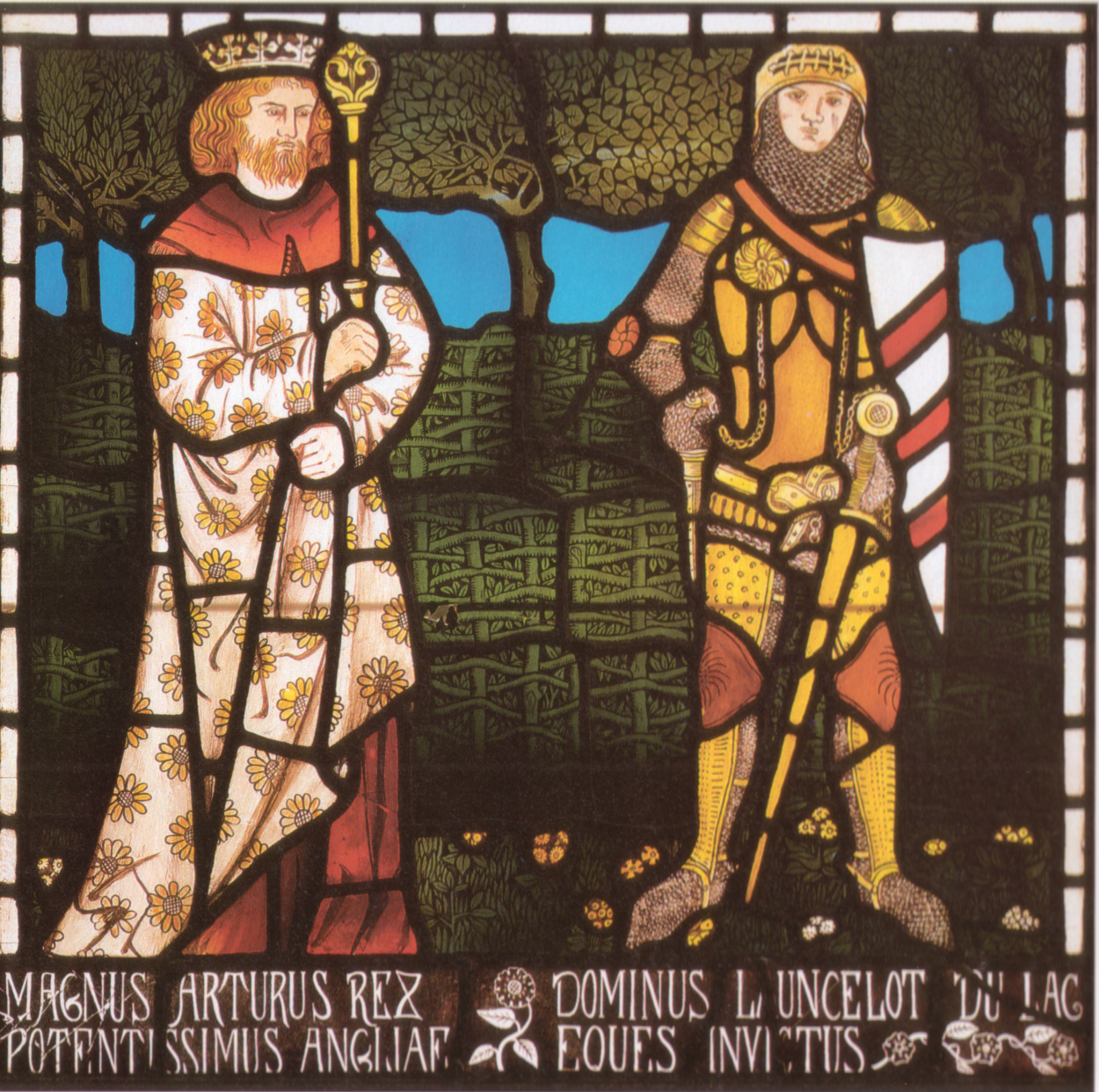
King Arthur: The Sword, the Sorcerer, and the Kingdom That Never Was
A boy pulls a sword from a stone and becomes king — but no historian can prove he ever lived. So why has his story outlasted empires?
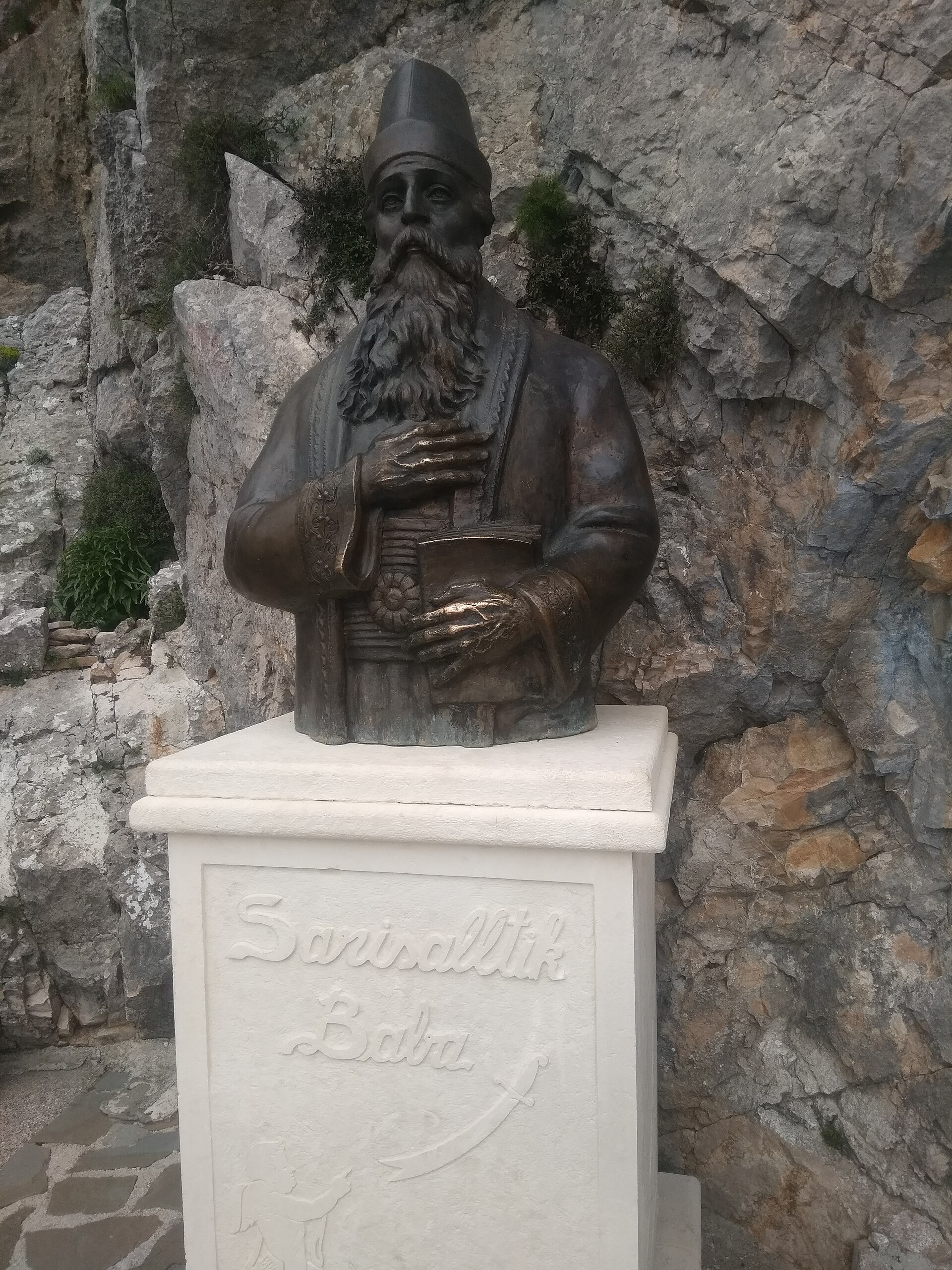
The Blond Dervish Who Was Buried in Seven Coffins
A wandering dervish died once, but legend insisted he was buried seven times over — in towns scattered across lands he never technically conquered. How does a single man become a saint claimed by Muslims and Christians alike, from Crete to Crimea?

The Blind Man's Son: Köroğlu and the Legend of the Avenger
A father's eyes are put out for the crime of gifting two scrawny horses — and from that cruelty rises one of the most enduring rebel-heroes of the Turkic world.
Alp Er Tunga: The Warrior-Prince the Steppe Never Stopped Mourning
Somewhere beneath a hundred iron pillars lies a warrior whose name outlived empires — and whose death, ambushed on a battlefield centuries ago, still echoes as a lament sung by the descendants of khans.
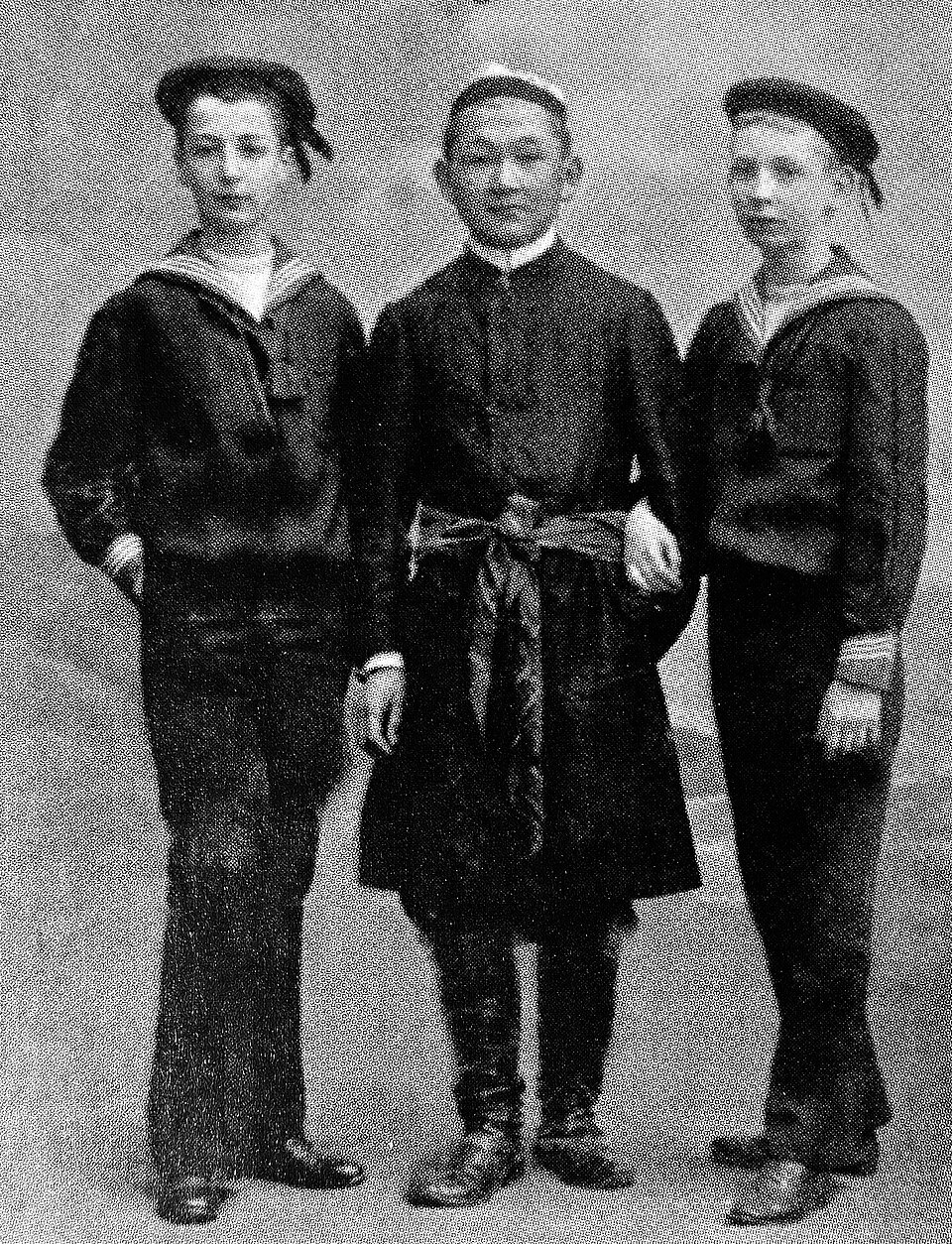
Manas: The Half-Million-Line Epic Sung Without a Single Book
Somewhere on the steppe, a chanter once recited for 111 hours across five days without a musical instrument in sight — and that was just one telling of a story that has none.
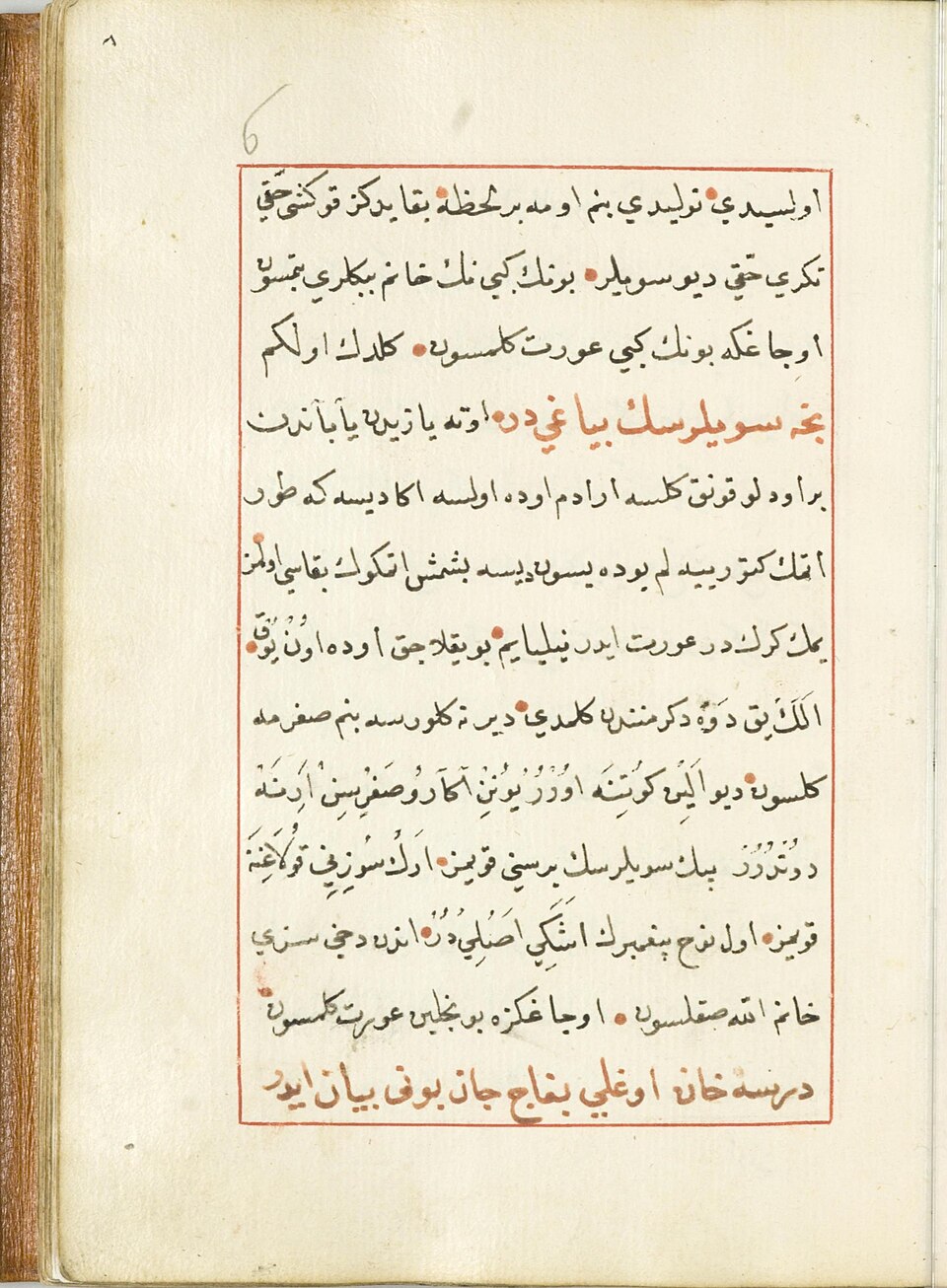
Dede Korkut: The White-Bearded Voice of the Oghuz
For centuries a single blind bard's tales rode across steppe and mountain, surviving in only two manuscripts — until a third turned up decades ago, older than the rest and hiding a hidden thirteenth story.
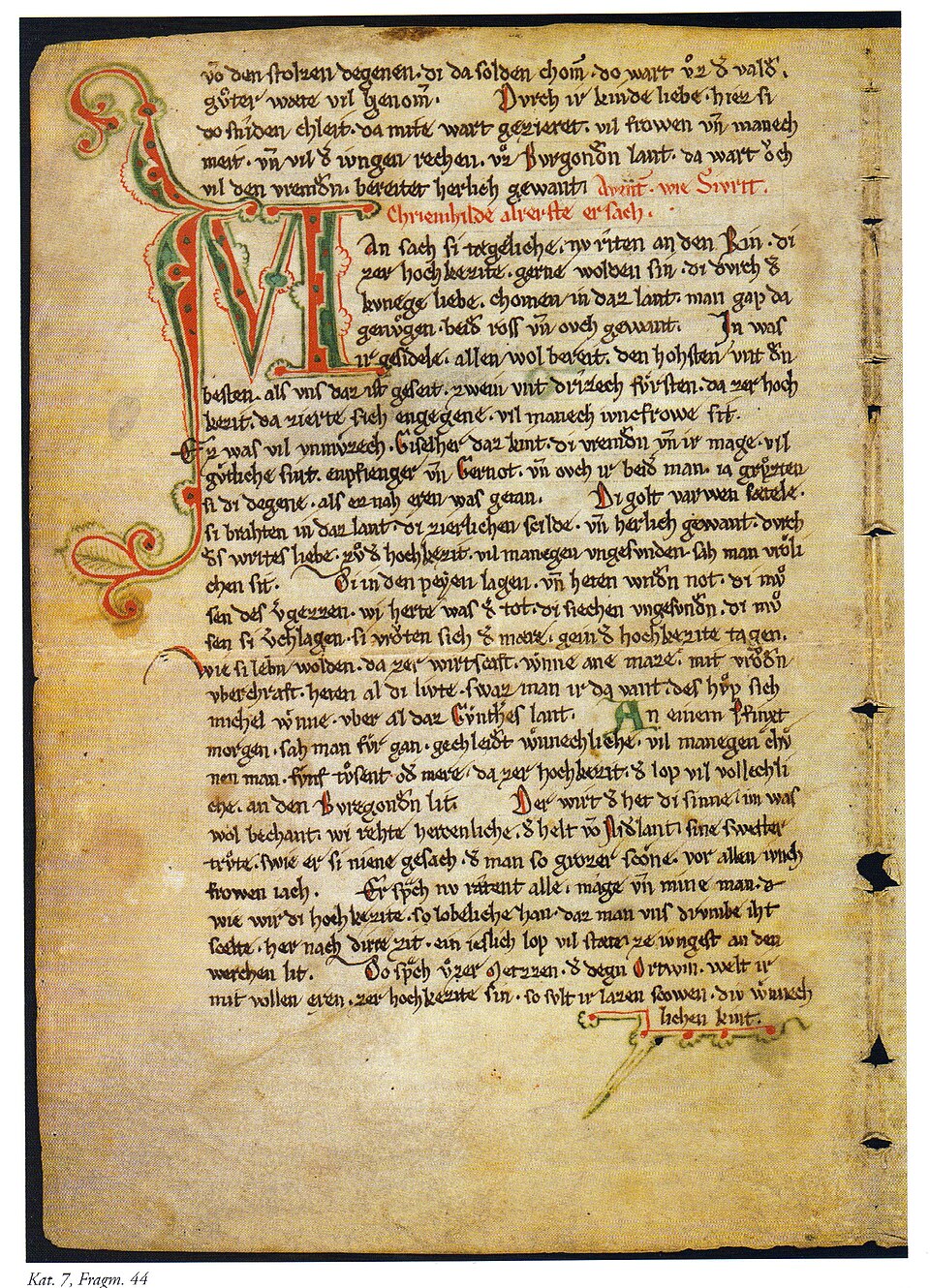
Siegfried, the Dragon's Blood, and the Curse of the Nibelung Hoard
A prince swings a blacksmith's hammer so hard the anvil sinks into the earth — and from that single blow unfolds one of Europe's darkest and most enduring tragedies.
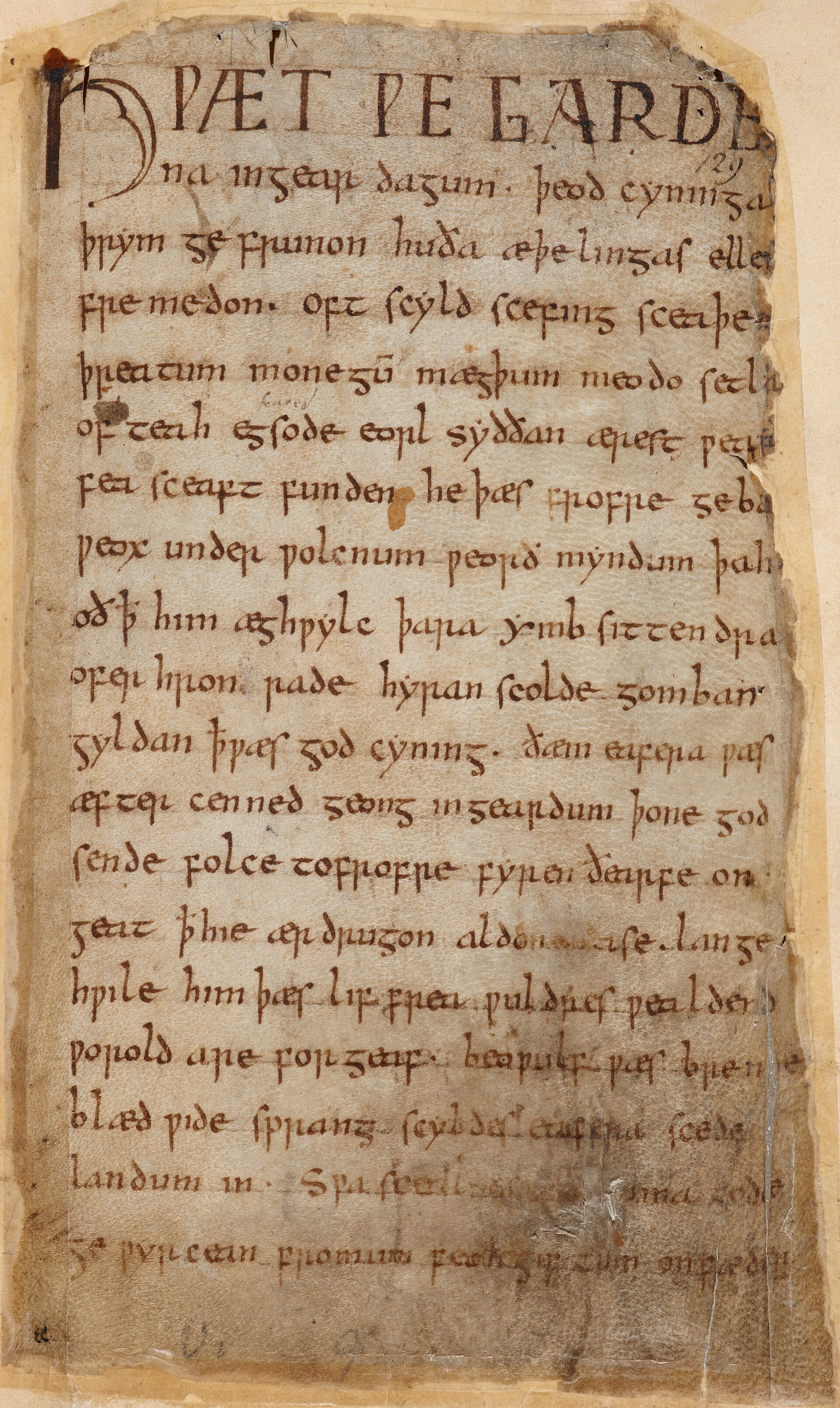
Beowulf: The Song of the Monster-Slayer
For twelve years, a monster terrorized a king's hall each night — until a stranger from across the sea arrived to end it.

Gilgamesh: The King Who Chased Eternity
Buried under the sands of Nineveh for over two millennia, a king's search for immortality would outlast every empire that tried to bury it.
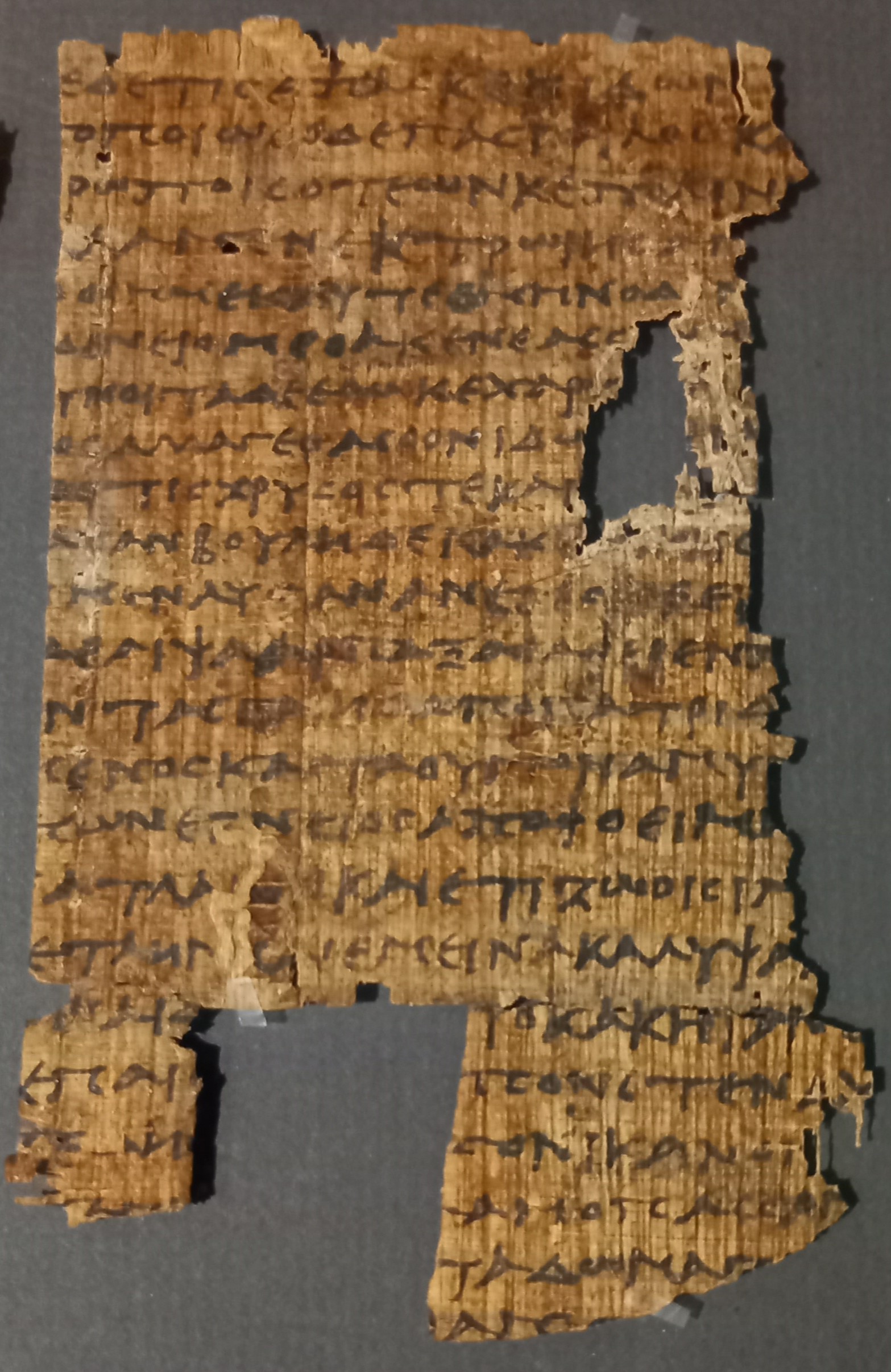
The Ten-Year Voyage Home
A war of ten years was only the beginning. To get home, one man would need ten more, crossing seas that would eventually claim every man who sailed with him.
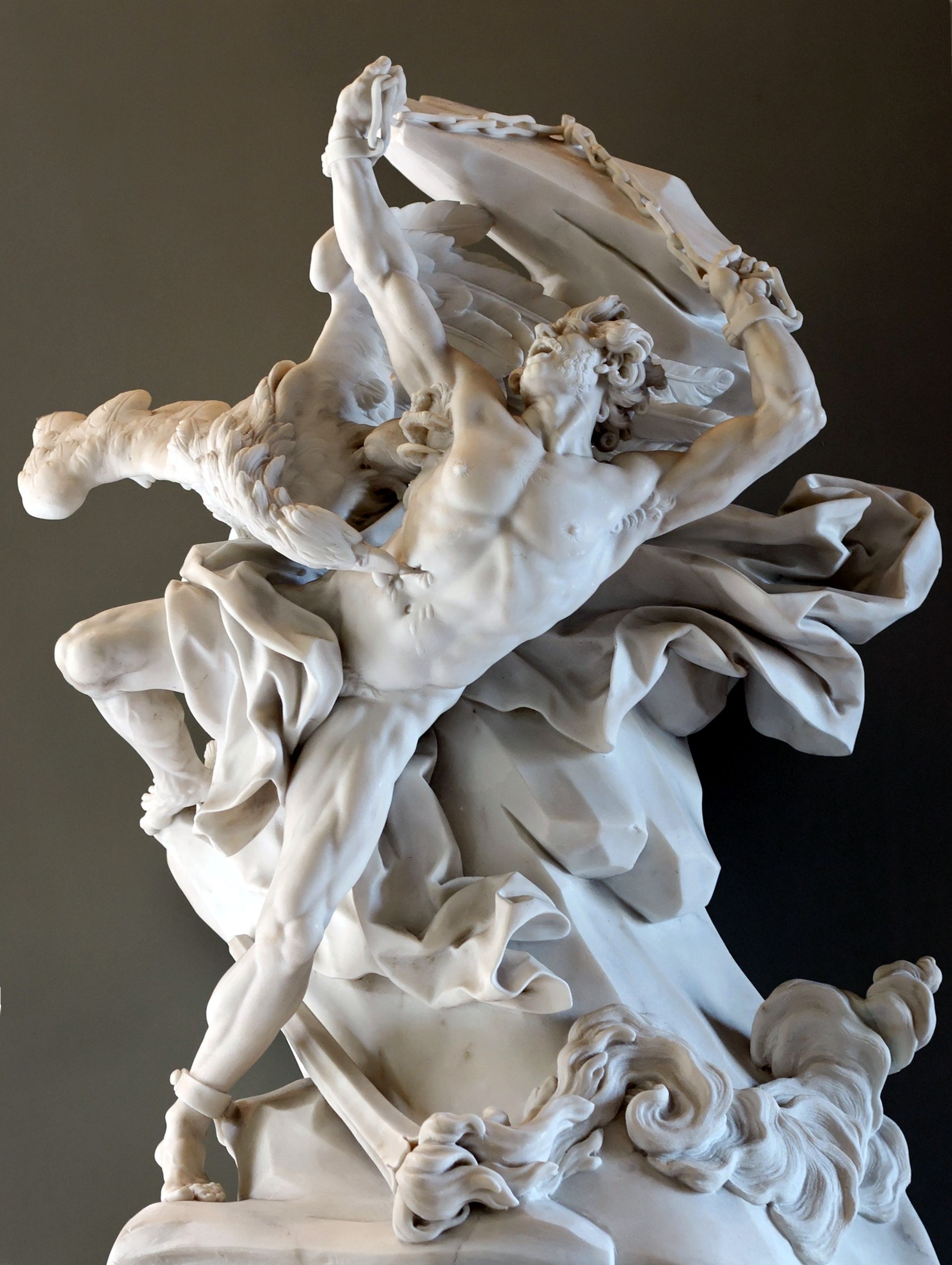
The Titan Who Stole Fire for Mankind
He tricked the king of the gods at a feast, stole the one thing Olympus refused to share, and paid for it with his liver — every single day, forever.
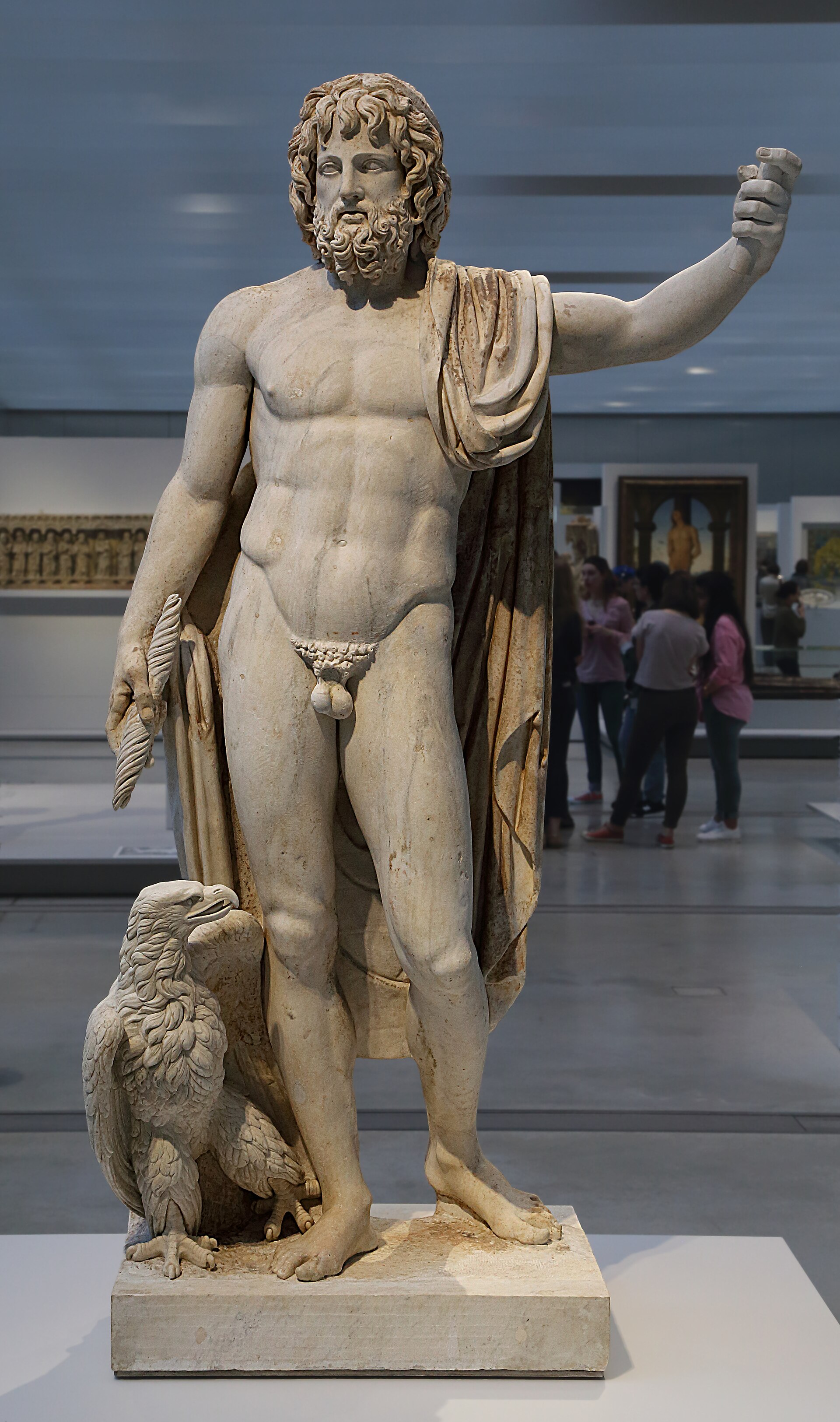
Zeus and the War That Made a King of the Gods
A stone wrapped like a newborn, a hidden cave, and a boy raised on goat's milk — this is how the ruler of Olympus survived his own father's hunger.
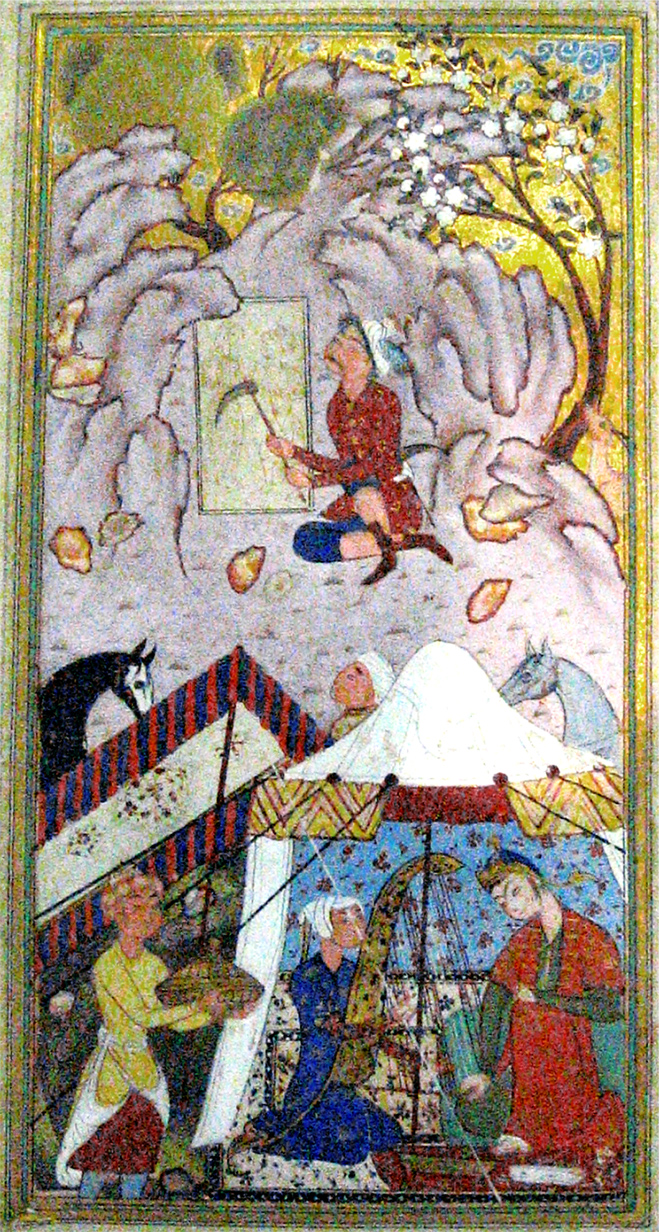
Ferhat and Shirin: The Love That Carved a Mountain
A young craftsman falls in love with a princess he glimpsed inside a color-changing pavilion — and spends decades trying to earn her with nothing but a chisel and a mountain.
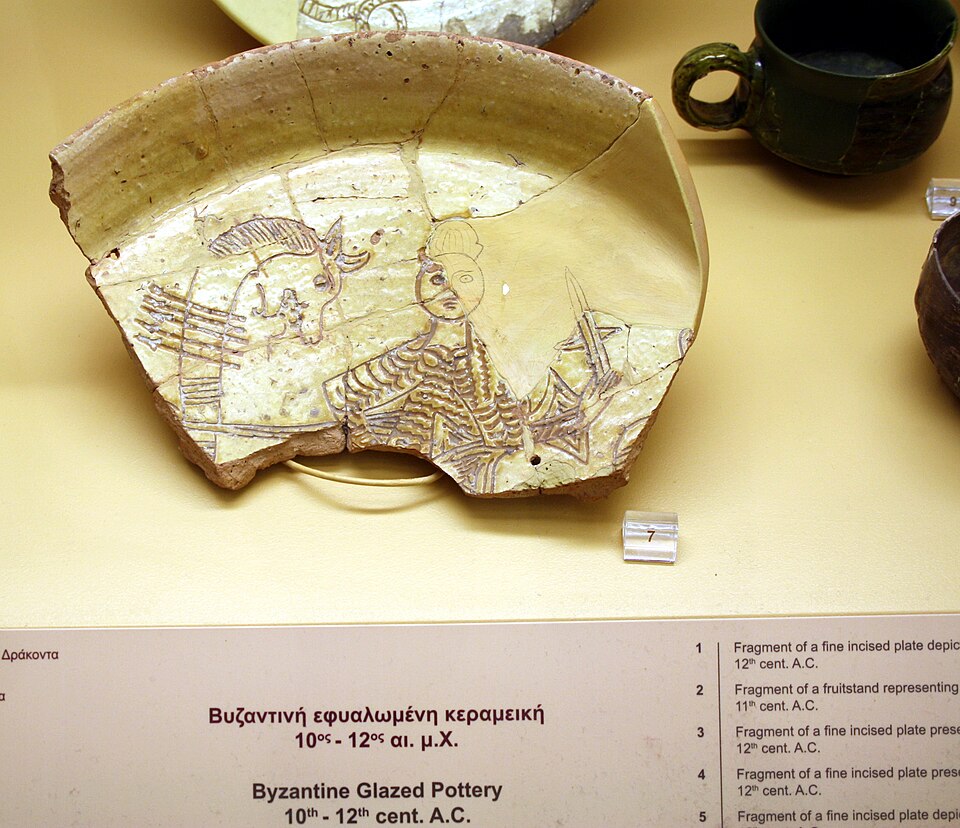
The Two-Blood Border Lord: Byzantium's Only Epic
He was born of an abduction and a conversion, raised on the wild edge of an empire — and Byzantium never produced another hero quite like him.
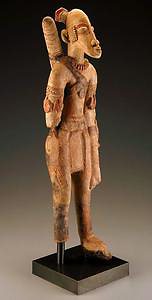
Sundiata: The Lion King Who Walked Out of Prophecy
A hunchbacked boy who could not walk, mocked by his own father's court, was destined by a hunter's prophecy to become one of West Africa's greatest kings. His name was Sundiata, and his rise would become the founding legend of an empire.
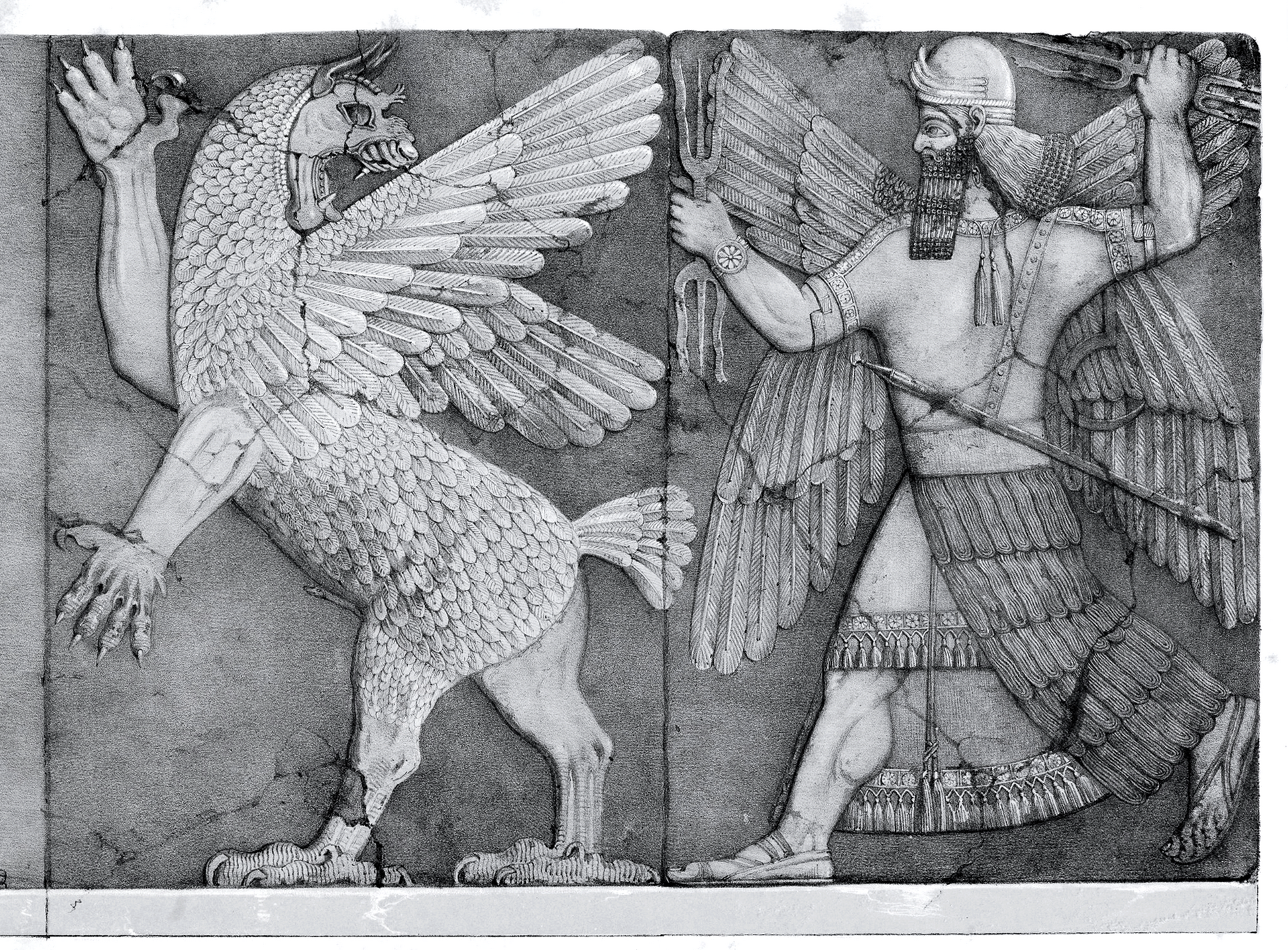
When on High: The Clay Tablets That Rewrote Creation
Buried for over two thousand years beneath the ruins of an Assyrian palace, seven broken tablets held a story of gods, chaos, and a slain goddess that would shake Victorian certainties about the Bible itself.
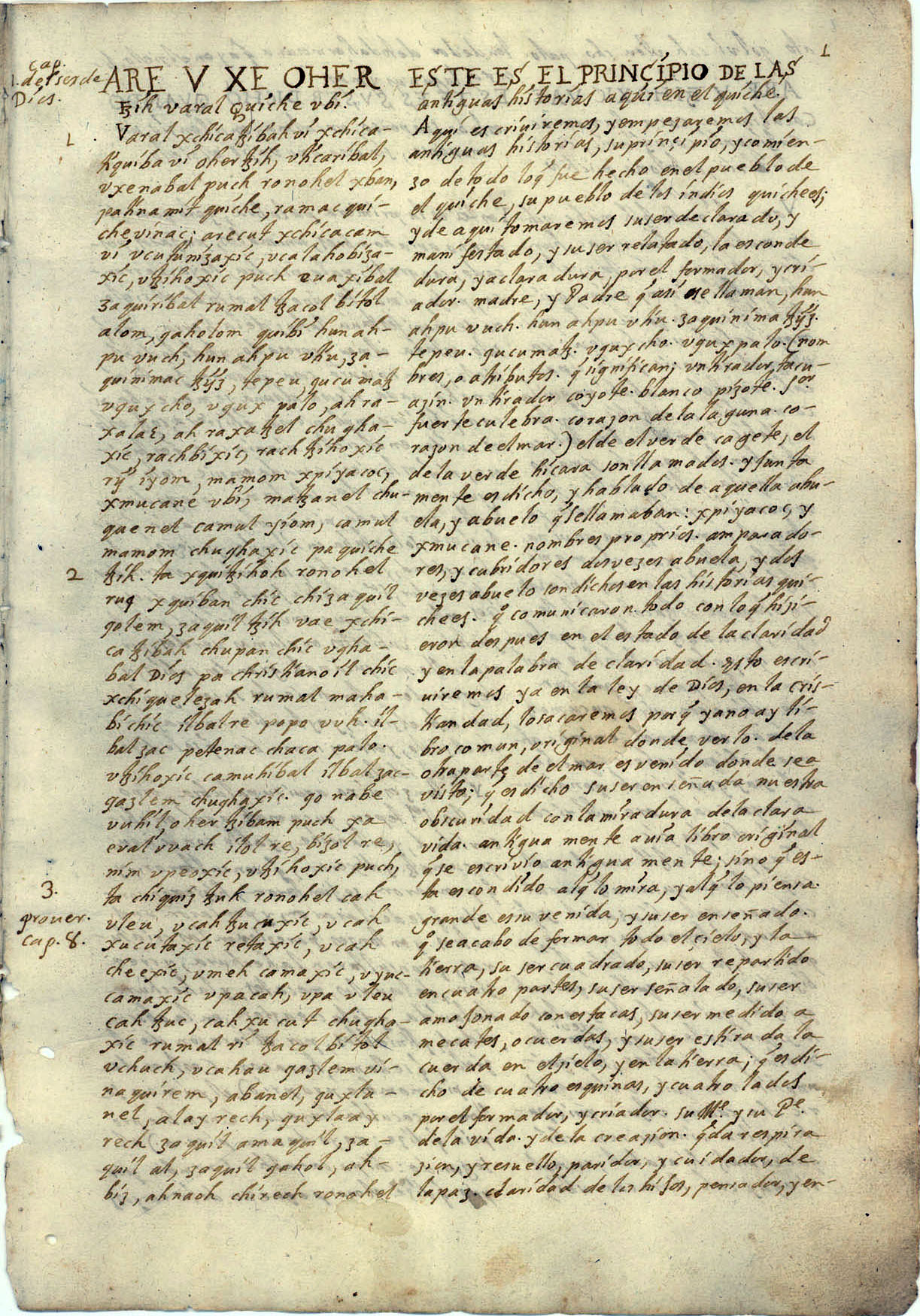
The Book That Refused to Disappear
A priest in a small Guatemalan town copied down words that were never meant to be written — and in doing so, saved a civilization's memory of its own creation.
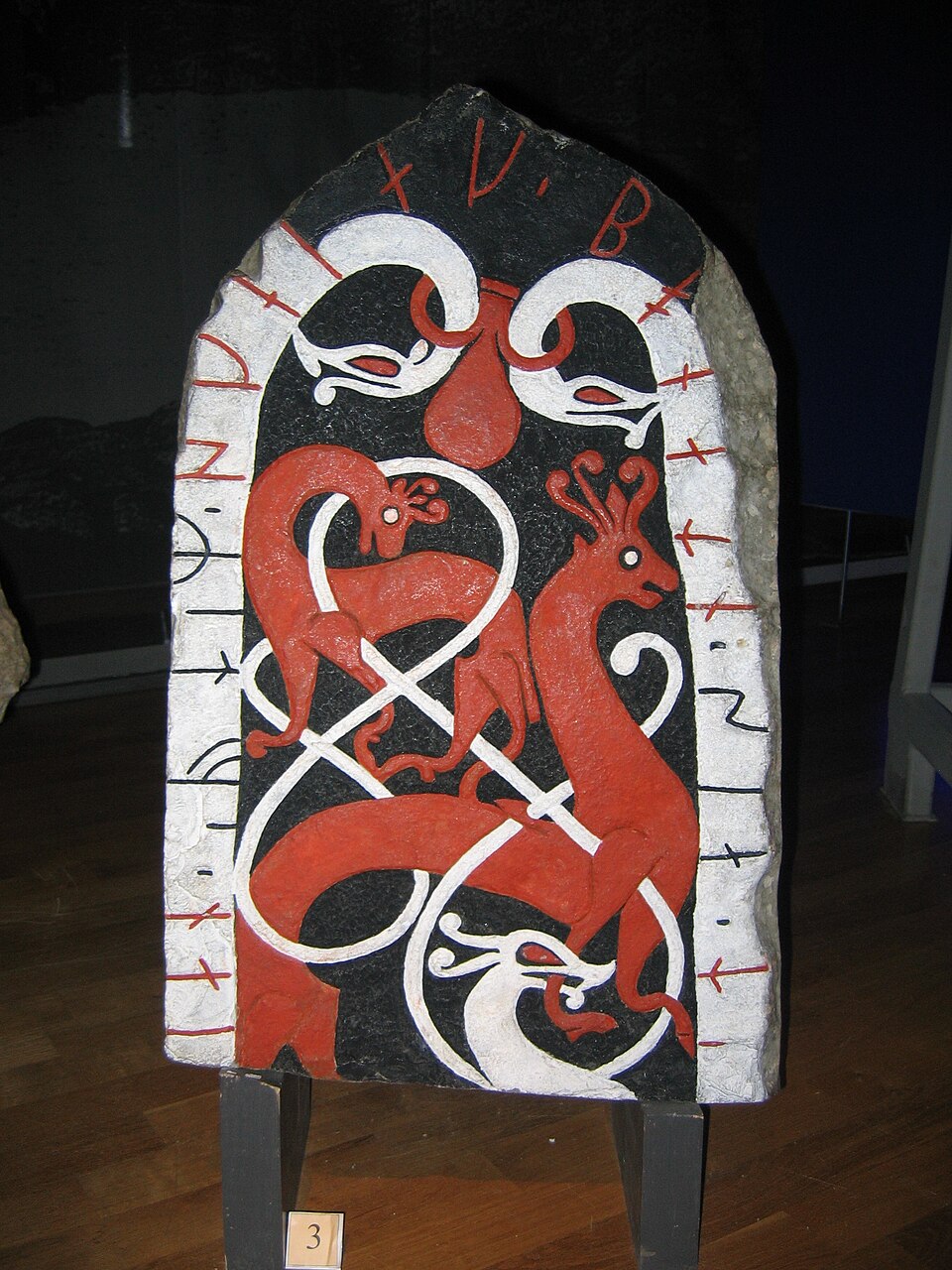
The Saga of the Dragon-Slayer: Völsunga Saga
Long before a hobbit ever eyed a dragon's hoard, an Icelandic scribe was already setting down a tale of cursed gold, broken oaths, and a hero named Sigurd.
The Book That Saved the Norse Gods
In 13th-century Iceland, a lawspeaker sat down to write a textbook — and accidentally preserved the memory of an entire pantheon.

The Song That Almost Burned Twice
A doomed prince's raid against the steppe. A manuscript found, then lost to fire. A poem that refused to disappear.
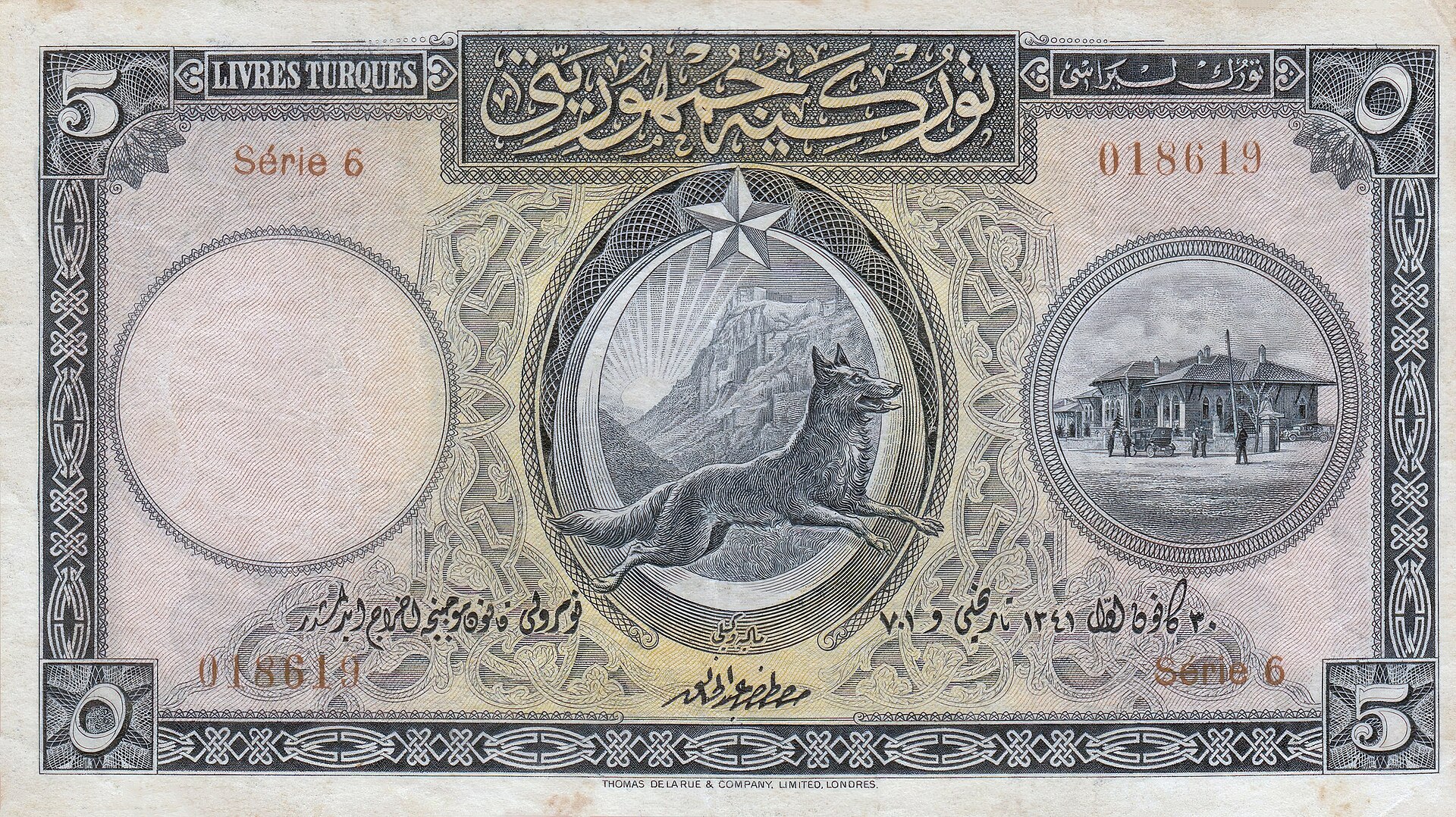
The She-Wolf Who Led a Nation Out of the Mountain
A crippled boy left for dead in a swamp. A she-wolf who fed him meat. From that unlikely pairing, an entire people trace their birth.
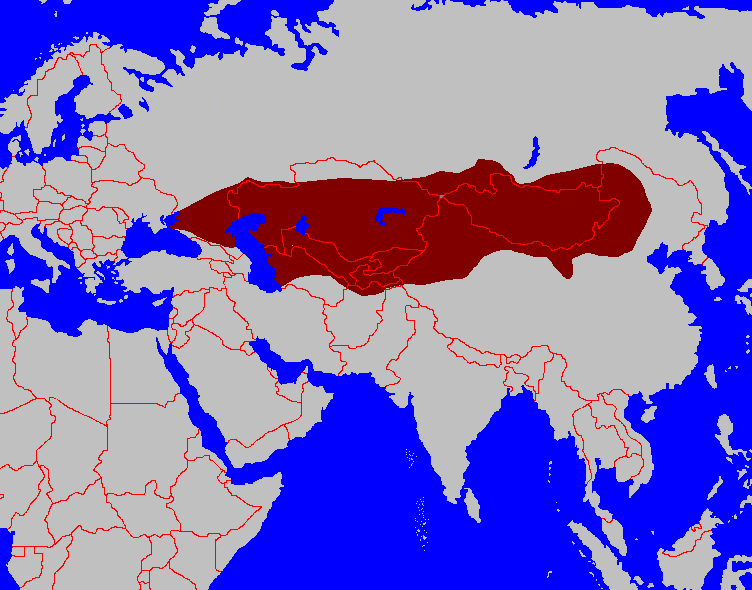
Ergenekon: The Valley That Fed a Nation for Four Hundred Years
Trapped behind a wall of stone for four centuries, a defeated people waited — until a blacksmith found a way to melt a mountain.

Oğuz Kağan Destanı: The Manuscripts That Chased a Legend
A single fragile scroll in Paris, written in a script few can read, may hold the oldest surviving trace of a legend that claims to explain where the Turks came from. Piecing it together took a century of philologists, forgers of verse, and one determined historian chasing echoes across Persian chronicles.
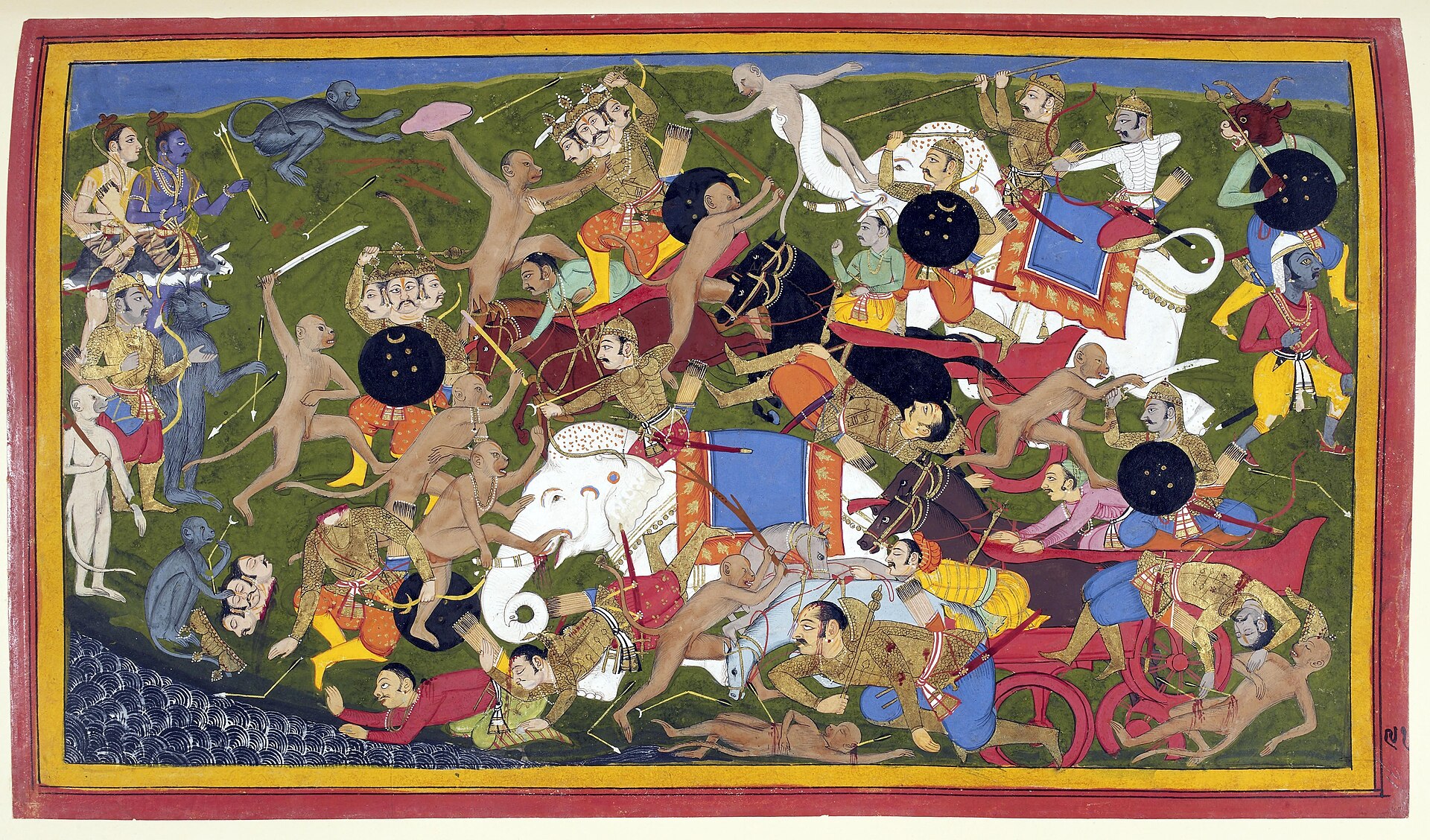
Rama's Journey: The Epic That Shaped a Civilization
A bow no man could bend, a bride won by a single pull of the string, and a fourteen-year exile that would become one of the most influential poems ever composed — this is the story the Ramayana tells.
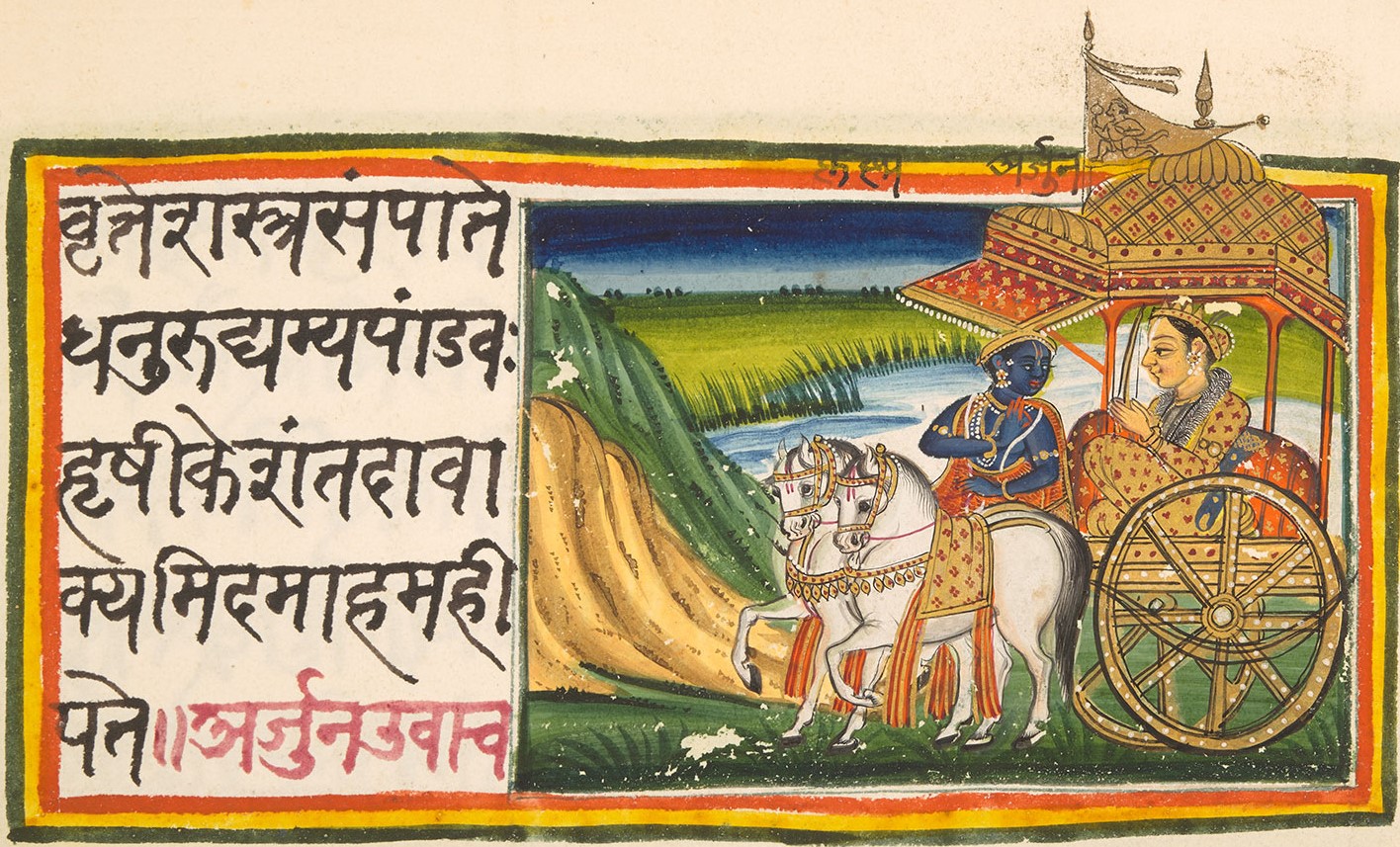
The Song on the Battlefield: How the Bhagavad Gita Was Born
Two armies stand ready to slaughter each other, and in the space between them, a warrior lays down his bow and asks a question that has echoed for over two thousand years.
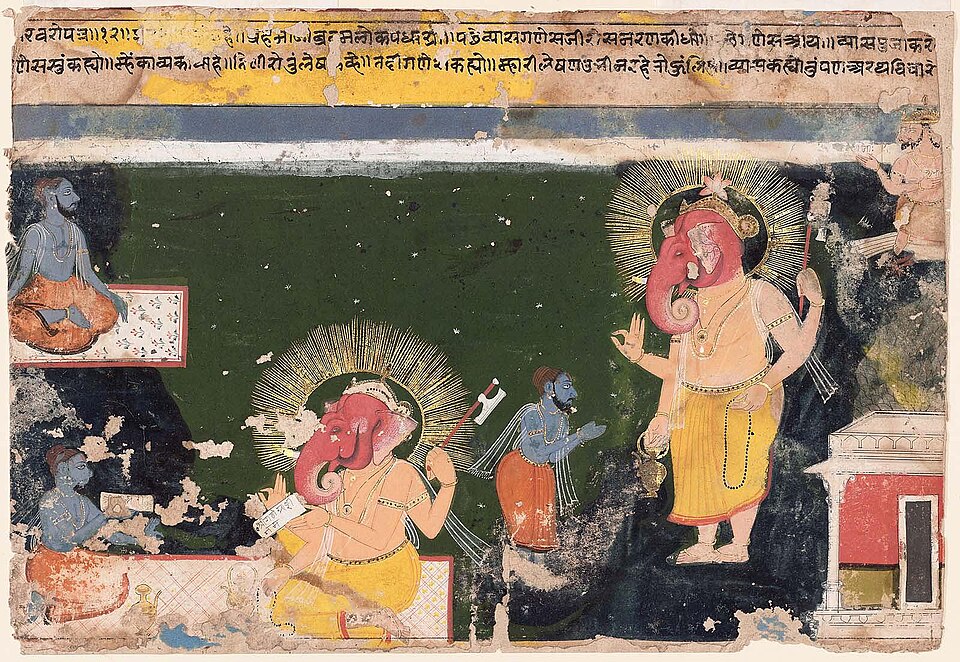
The Poem That Swallowed a World
Ten times longer than the Iliad and Odyssey combined, it claims to hold every truth ever needed — and somehow still keeps growing.
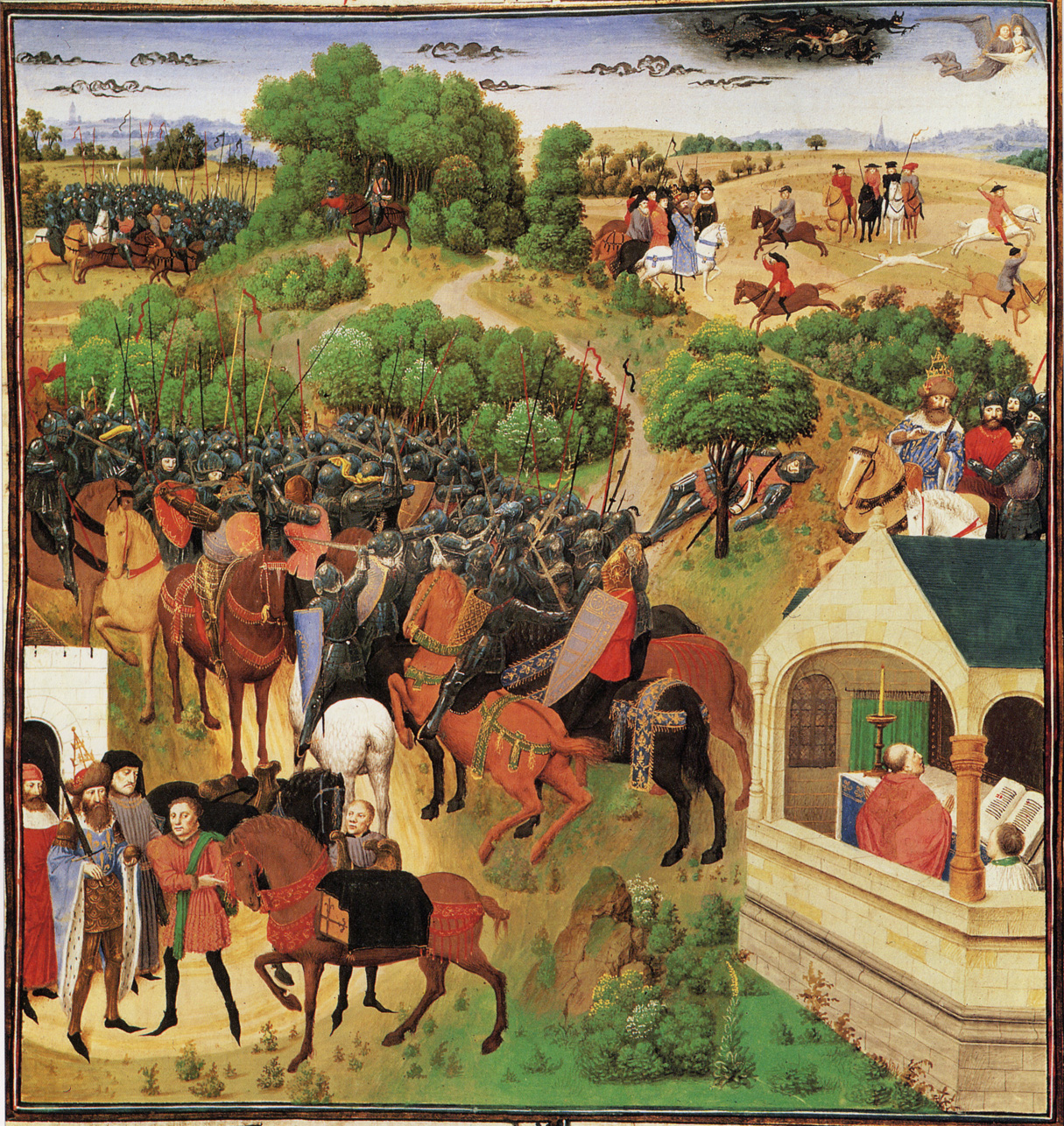
The Song of Roland: Legend Born from a Mountain Ambush
A doomed rear guard, a horn blown too late, and a betrayal by a stepfather — this is the tale that became France's founding epic.
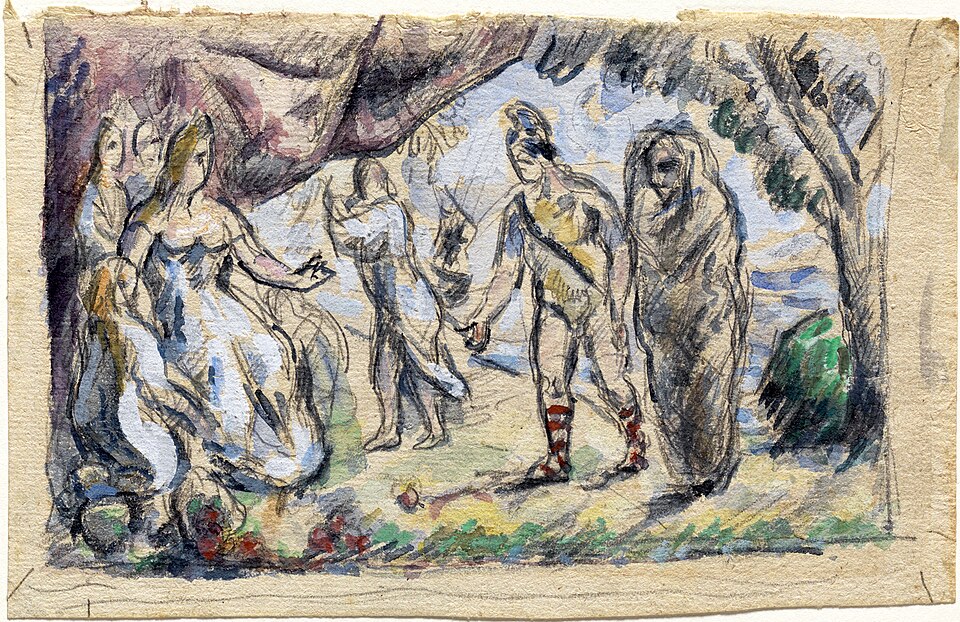
The Song That Built Rome
A Trojan survivor, a furious goddess, and a storm at sea — from these ingredients Virgil forged the myth that would justify an empire.
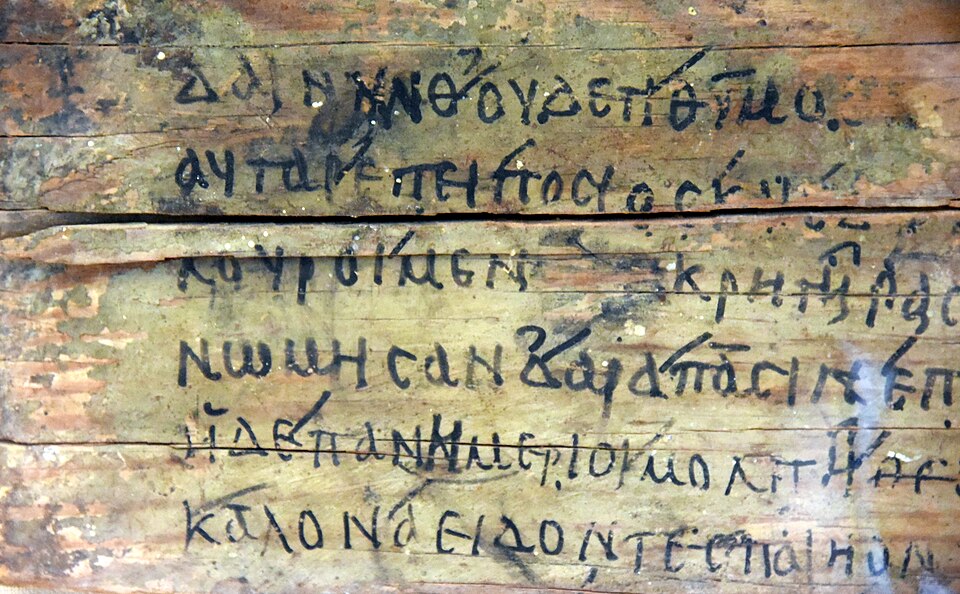
The Wrath of Achilles: Inside the Iliad's Fifty-One Days at Troy
A stolen woman, a father's curse, a plague on the ships — and one warrior's fury sets a war on fire. This is the story the ancient Greeks never stopped telling.