Queen of Heaven, Naked in the Underworld
To seize her sister's throne, the goddess of love and war walked willingly into death — and left instructions for her own resurrection before she went.
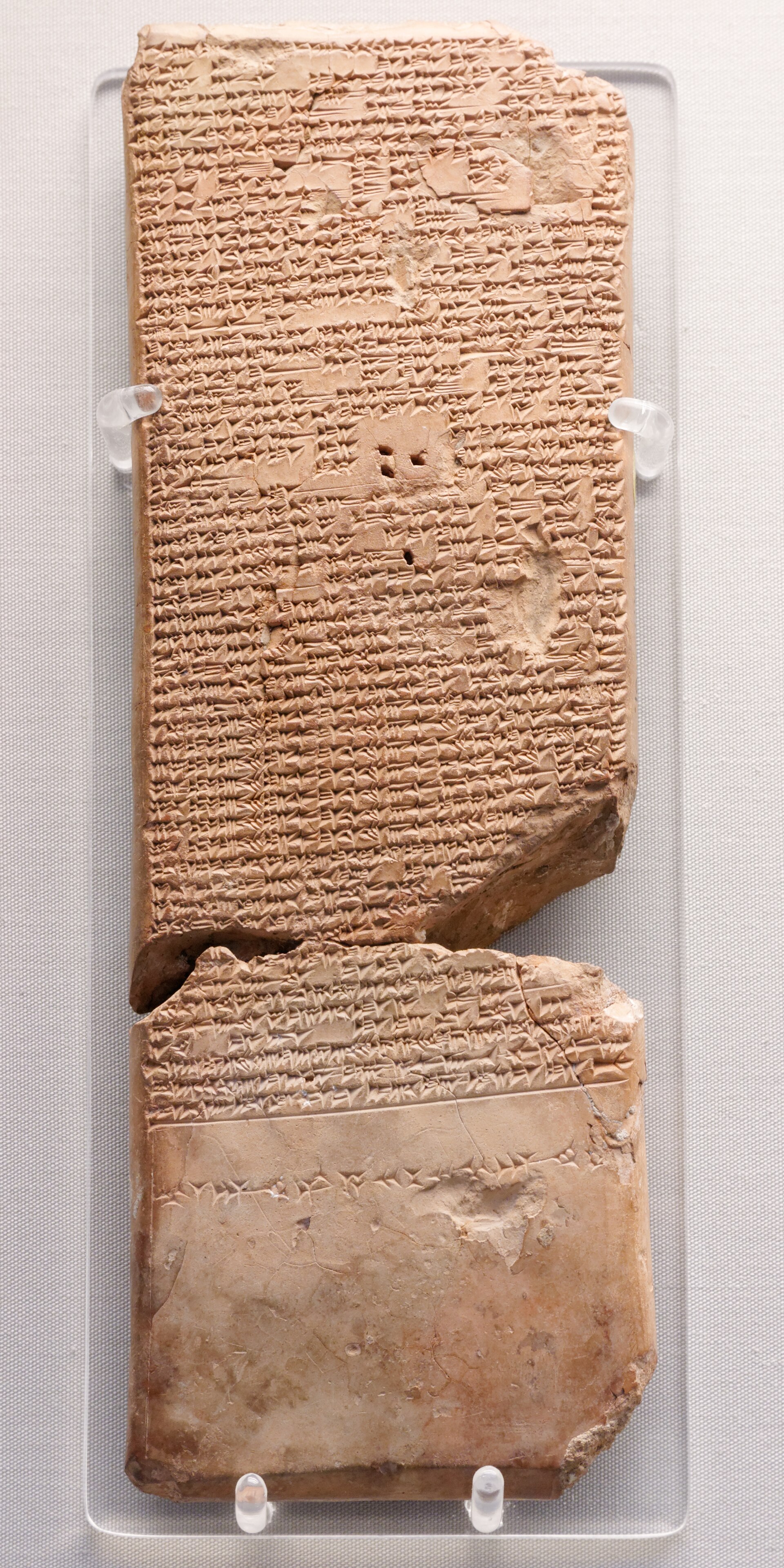
Inanna, the Lady of Heaven, decided to descend into the Underworld, the realm ruled by her sister Ereshkigal. She was not going to search for a lost husband, as later readers of the shorter Akkadian version once assumed — she went to extend her power over her sister's domain. Before leaving, she prepared carefully, instructing her servant Ninshubur on what to do should she fail to return, and gathering the seven divine ornaments and garments that marked her royal and divine authority.
At each of the seven gates of the Underworld, the gatekeeper Neti forced her to remove one item of her regalia — her crown, her jewelry, her robe — until she stood before Ereshkigal stripped of everything, reduced to nothing. The Anna, the seven judges of the Underworld, passed judgment on her. Inanna perished, and her corpse was hung from a stake.
Her servant Ninshubur, following the instructions given before the descent, sought help among the gods. Enki, the god of wisdom and fresh water, intervened — not by confronting Ereshkigal directly, but through cunning. He fashioned two small creatures who slipped into the Underworld and, by echoing Ereshkigal's own laments back to her, won her favor. In exchange, they were granted Inanna's corpse, which they restored to life using substances Enki had given them.
But resurrection came with a price: the laws of the Underworld demanded that no one leave without providing a substitute. Inanna, escorted by demons ready to drag someone else down in her place, wandered back through her own cities. Her attendants, dressed in mourning, threw themselves at her feet, and she spared them. But when she found her husband Dumuzi seated on a throne, seemingly untouched by grief, she chose him.
Dumuzi was seized and dragged down to the Underworld in Inanna's place. His sister Geshtinanna pleaded on his behalf, refusing to reveal his hiding place to the demons even under duress. Her pleas eventually led to a compromise: Dumuzi would remain in the Underworld for only part of the year, while Geshtinanna would take his place for the remainder — a cycle later scholars have connected to the turning of the seasons.
More from Mythology

The Doctor Who Sang a Nation Into Being
A country doctor rode into the forests of Karelia armed with nothing but a notebook — and rode out with the soul of a nation.

The Boat That Carried the Sun
Every sunset, the ancient Egyptians believed, the sun climbed into a boat and sailed straight into the realm of the dead — only to fight a monstrous serpent before dawn could return.

The Wild Man of the Snows
At 21,000 feet, a colonel found tracks in the snow that he blamed on a wolf — but his guides knew better, and gave the world a name that would echo for a century.

The Knight Who Went Mad for Love: Orlando Furioso
A hero so devoted to duty he was Charlemagne's greatest paladin loses his mind—not to a sword wound, but to heartbreak. To cure him, a friend must ride a flying horse to the Moon.

The Book That Turned the World Into Myth
A poet condemned to exile spent his final years in Rome finishing a poem that would outlive empires—a poem about nothing standing still, not gods, not lovers, not even the shape of a man.

Paradise Lost: Milton's Rebel Angel
A blind poet, dictating verses in the dark, dared to explain the ways of God to men — and in doing so, made Hell's ruler unforgettable.