The Wild Man of the Snows
At 21,000 feet, a colonel found tracks in the snow that he blamed on a wolf — but his guides knew better, and gave the world a name that would echo for a century.

In 1921, Lieutenant-Colonel Charles Howard-Bury led the first British reconnaissance of Mount Everest, and while crossing the Lhagpa La pass at 21,000 ft, he came upon strange footprints pressed into the soft snow. He guessed they belonged to a large loping grey wolf. His Sherpa guides disagreed at once: these, they said, were the tracks of 'The Wild Man of the Snows,' which they called metoh-kangmi — 'man-bear snowman.'
The story might have stayed a footnote in an expedition journal, but a journalist in Calcutta named Henry Newman, writing under the pen name Kim, interviewed the returning porters and mistranslated metoh as 'filthy.' He rendered it as 'Abominable Snowman,' a phrase he later admitted was almost too good a story to resist sending to the papers. The name stuck in the West, even as scholars later pointed out that the word 'metch,' used in a rival account by climber Bill Tilman, does not even exist in the Tibetan language.
Long before Western mountaineers arrived, Himalayan peoples already had rich traditions about such beings. The word Yeti itself comes from the Tibetan g.ya' dred, combining 'rocky place' and 'bear.' Tibetan lore described three distinct types: the fifteen-foot-tall, black-furred Nyalmo, the fiercest of the three; the eight-foot Chuti, dwelling between 8,000 and 10,000 feet; and the smaller, reddish-brown Rang Shim Bombo, standing only three to five feet tall.
Other names carried other meanings. Michê meant 'man-bear.' Dzu-teh, or 'cattle bear,' likely referred to the real Himalayan brown bear. Migoi meant 'wild man,' and Mirka carried a darker legend — that anyone who saw one would die or be killed, a claim recorded from Frank Smythe's Sherpa companions in 1937. According to scholar H. Siiger, the Yeti predates Buddhism in the region entirely: the Lepcha people once worshipped a 'Glacier Being' as a god of the hunt, and followers of the Bön religion believed the blood of the 'wild man' held ceremonial power.
Evidence offered for the Yeti's existence has always been shaky. The 1951 photograph of footprints near the Menlung Basecamp, taken during a Himalayan climbing expedition, remains one of the most cited pieces of purported proof. Investigators have also compared the Yeti to reports of similar creatures worldwide — the Chuchuna of Siberia, described by Yakut and Tungus tribes as a Neanderthal-like, pelt-wearing figure with a white patch on its forearm, sometimes said to eat human flesh.
More from Mythology

The Doctor Who Sang a Nation Into Being
A country doctor rode into the forests of Karelia armed with nothing but a notebook — and rode out with the soul of a nation.

The Boat That Carried the Sun
Every sunset, the ancient Egyptians believed, the sun climbed into a boat and sailed straight into the realm of the dead — only to fight a monstrous serpent before dawn could return.

The Knight Who Went Mad for Love: Orlando Furioso
A hero so devoted to duty he was Charlemagne's greatest paladin loses his mind—not to a sword wound, but to heartbreak. To cure him, a friend must ride a flying horse to the Moon.

The Book That Turned the World Into Myth
A poet condemned to exile spent his final years in Rome finishing a poem that would outlive empires—a poem about nothing standing still, not gods, not lovers, not even the shape of a man.

Paradise Lost: Milton's Rebel Angel
A blind poet, dictating verses in the dark, dared to explain the ways of God to men — and in doing so, made Hell's ruler unforgettable.
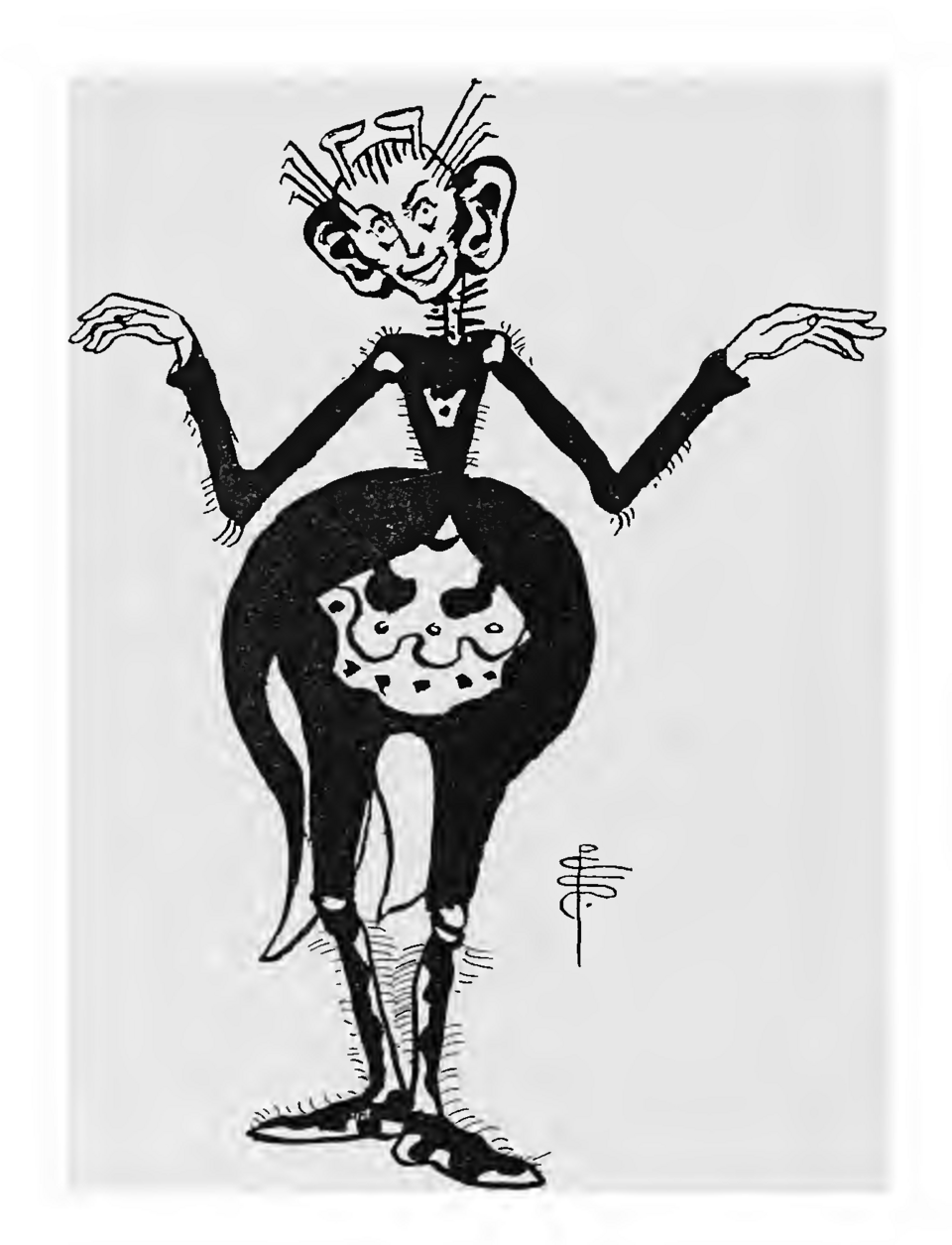
The Spider Who Outwitted the World
He is small, eight-legged, and rarely the strongest in the room — yet no one in his stories ever truly gets the better of him. How did a spider become the cleverest storyteller of an ocean-crossing culture?