The Doctor Who Sang a Nation Into Being
A country doctor rode into the forests of Karelia armed with nothing but a notebook — and rode out with the soul of a nation.

In January 1833, Elias Lönnrot took up his post as district health officer of Kainuu, a remote region in the eastern part of what was then the Grand Duchy of Finland. By day he treated the sick; but he carried another obsession with him, one that had taken root years earlier at the Imperial Academy of Turku, where his master's thesis had been on Väinämöinen, a divinity of the ancient Finns. That thesis's second volume had been destroyed in the Great Fire of Turku, but the fascination survived the flames.
Lönnrot was born in 1802 in the village of Sammatti, Uusimaa, the son of a tailor. After earning his first master's degree in 1826, he set out in the spring of 1828 to collect folk songs and poetry, before pausing to complete medical studies at Imperial Alexander University in Helsinki. Once settled in Kainuu, he resumed his true calling in earnest. Over fifteen years he made eleven field trips, traveling through Finland and Karelia to seek out singers who still carried the old runic songs in memory.
This oral tradition, known as Kalevala poetry or runic song, had once been common across Finland and Karelia but had begun disappearing in the 18th century, first in the west, as European rhymed poetry took its place. Some of it had been written down as early as the 17th century, but most survived only in the mouths of singers passed from generation to generation. Nationalist linguist Carl Axel Gottlund had dreamed of compiling such songs into a Finnish epic comparable to the Iliad or the Nibelungenlied, hoping it might awaken a sense of nationhood. Reinhold von Becker's 1820 articles on Väinämöinen had already planted that seed in young Lönnrot's mind.
Before the Kalevala itself took shape, Lönnrot produced several related works: the three-part Kantele between 1829 and 1831, and later the Kanteletar in 1840, a more lyrical sister collection. His travels brought joy not only to himself but to the people he visited, who delighted in his retellings of songs he'd gathered and in trading new verses with him.
The first fruit of this labor, the Old Kalevala, was published in 1835, comprising 12,078 verses. Lönnrot kept working, and in 1849 he released the version most widely known today: 22,795 verses divided into fifty runot, or folk poems. A shorter, abridged edition with all fifty poems but only 9,732 verses followed in 1862.
More from Mythology

The Boat That Carried the Sun
Every sunset, the ancient Egyptians believed, the sun climbed into a boat and sailed straight into the realm of the dead — only to fight a monstrous serpent before dawn could return.

The Wild Man of the Snows
At 21,000 feet, a colonel found tracks in the snow that he blamed on a wolf — but his guides knew better, and gave the world a name that would echo for a century.

The Knight Who Went Mad for Love: Orlando Furioso
A hero so devoted to duty he was Charlemagne's greatest paladin loses his mind—not to a sword wound, but to heartbreak. To cure him, a friend must ride a flying horse to the Moon.

The Book That Turned the World Into Myth
A poet condemned to exile spent his final years in Rome finishing a poem that would outlive empires—a poem about nothing standing still, not gods, not lovers, not even the shape of a man.

Paradise Lost: Milton's Rebel Angel
A blind poet, dictating verses in the dark, dared to explain the ways of God to men — and in doing so, made Hell's ruler unforgettable.
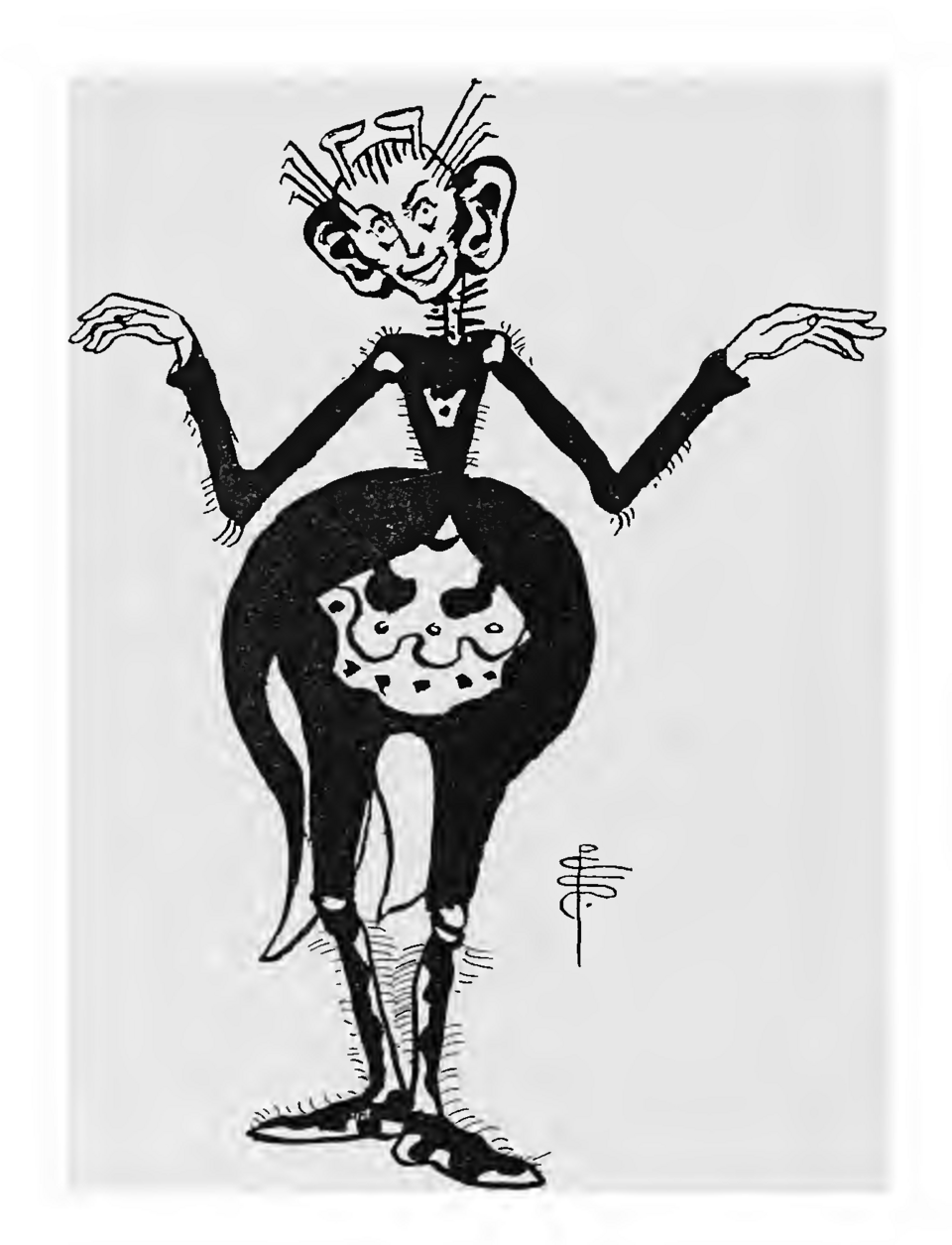
The Spider Who Outwitted the World
He is small, eight-legged, and rarely the strongest in the room — yet no one in his stories ever truly gets the better of him. How did a spider become the cleverest storyteller of an ocean-crossing culture?