The Spider Who Outwitted the World
He is small, eight-legged, and rarely the strongest in the room — yet no one in his stories ever truly gets the better of him. How did a spider become the cleverest storyteller of an ocean-crossing culture?
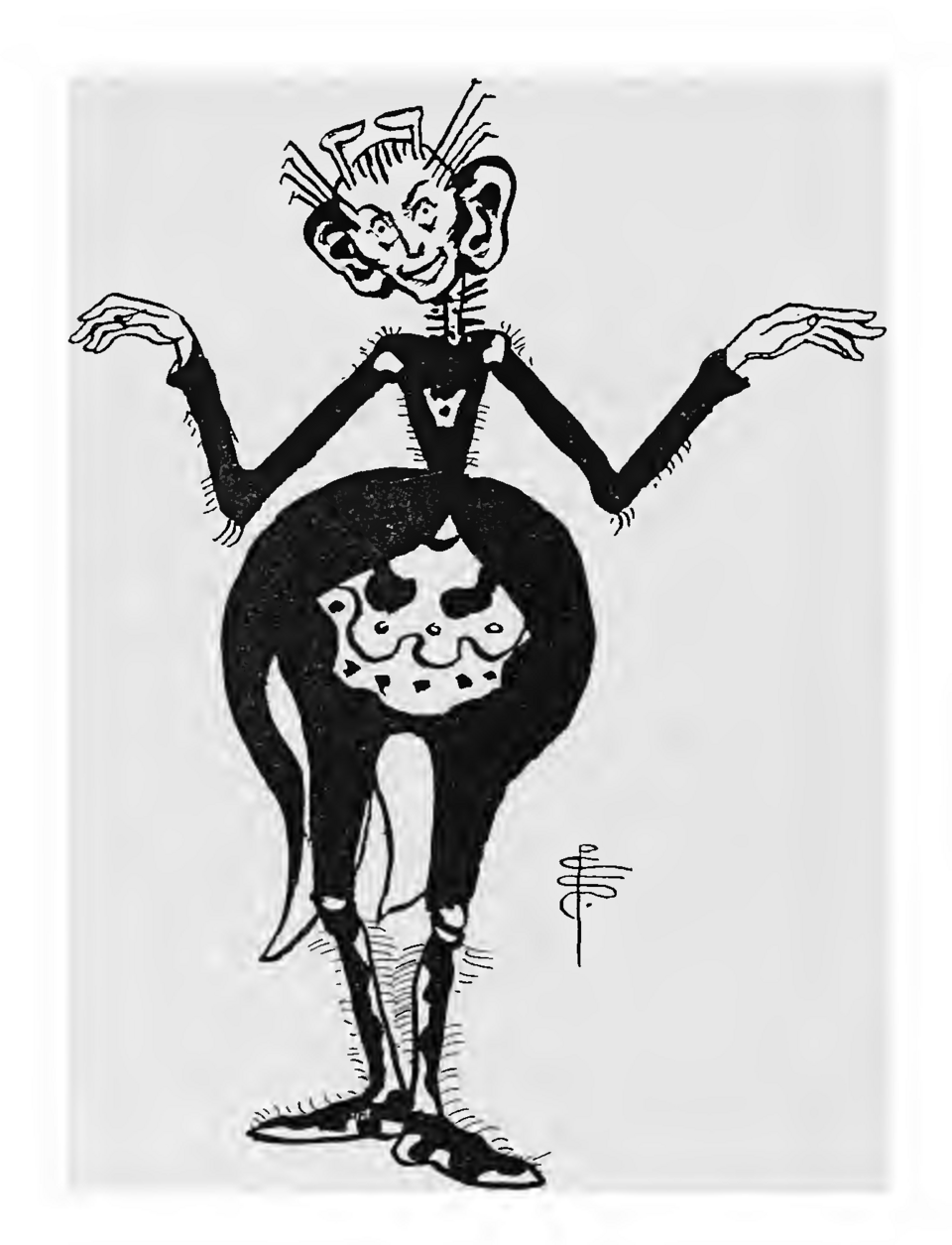
Among the Akan people of what is now southern Ghana, there lived — in story, if not in flesh — a spider named Anansi. His name simply means 'spider' in the Akan language, but over centuries it came to mean something much larger: wit, mischief, and the particular kind of intelligence that lets the small outmaneuver the strong.
Anansi is a paradox. The Akan are a close-knit society that prizes social order, and their tales usually reinforce that order. Yet Anansi's stories are full of rebellion, deception, and rule-breaking. Rather than undermining Akan values, his mischief seems to strengthen them — doubt and disorder woven into the fabric of belief until they became part of its endurance.
He appears in many guises: an anthropomorphic spider with a human face, a human with eight spindly legs, sometimes simply 'Kwaku Ananse.' He has a family too — his wife Okonore Yaa (called Aso, Crooky, or Shi Maria elsewhere), his sons Ntikuma, Tikelenkelen, Nankonhwea, and Afudohwedohwe, and in some tales, most notably those written by Efua Sutherland, a daughter named Anansewa, whose search for a worthy suitor becomes its own story.
Some Akan traditions tie him even closer to the divine, associating him with Odomankoma, called Ananse Kokuroko — the 'Great Spider' — a name that blurs the line between trickster and creator, kin and reflection.
For generations, Anansi lived entirely in the mouths of storytellers. The Akan believed 'the wisdom of the spider is greater than that of all the world together,' and skillful speech itself became associated with him. So central was he to Ashanti oral culture that the entire genre of folktales told to Ghanaian children came to be called anansesem — 'spider tales' — a fact recorded by scholars such as R.S. Rattray and Peggy Appiah, who preserved many stories in English and Twi.
More from Mythology

The Doctor Who Sang a Nation Into Being
A country doctor rode into the forests of Karelia armed with nothing but a notebook — and rode out with the soul of a nation.

The Boat That Carried the Sun
Every sunset, the ancient Egyptians believed, the sun climbed into a boat and sailed straight into the realm of the dead — only to fight a monstrous serpent before dawn could return.

The Wild Man of the Snows
At 21,000 feet, a colonel found tracks in the snow that he blamed on a wolf — but his guides knew better, and gave the world a name that would echo for a century.

The Knight Who Went Mad for Love: Orlando Furioso
A hero so devoted to duty he was Charlemagne's greatest paladin loses his mind—not to a sword wound, but to heartbreak. To cure him, a friend must ride a flying horse to the Moon.

The Book That Turned the World Into Myth
A poet condemned to exile spent his final years in Rome finishing a poem that would outlive empires—a poem about nothing standing still, not gods, not lovers, not even the shape of a man.

Paradise Lost: Milton's Rebel Angel
A blind poet, dictating verses in the dark, dared to explain the ways of God to men — and in doing so, made Hell's ruler unforgettable.