The Boat That Carried the Sun
Every sunset, the ancient Egyptians believed, the sun climbed into a boat and sailed straight into the realm of the dead — only to fight a monstrous serpent before dawn could return.

Picture the sky as a river, and the sun as a vessel drifting along its current. That was the image at the heart of one of ancient Egypt's oldest and most enduring myths: the journey of Ra, the sun god, aboard his solar barque. By day he sailed the Mandjet, also called the Boat of Millions of Years, casting light across the world. By night he transferred to a different vessel, the Mesektet, and descended into darkness.
The myth held that Ra had once ruled directly on earth, but as he grew old and weary he withdrew to the heavens, choosing instead to govern the world from above by sailing across the sky. His daily voyage was divided into twelve parts, mirroring the twelve Egyptian hours of daylight. Each of these hours had its own guardian deity, watching over that stretch of Ra's passage as though the sky itself were a sequence of guarded checkpoints.
When evening came, Ra and his boat reached the akhet — the horizon — in the west. This was no ordinary boundary. The Egyptians sometimes described it as a gate, a threshold opening directly into the Duat, the underworld. Passing through it, Ra left the world of the living behind and entered a hidden Nile flowing beneath the earth itself.
That subterranean river was no gentler than the underworld surrounding it. To complete his nightly crossing, Ra had to pass through twelve gates and twelve regions, one for each hour of the night, each overseen by its own protective god. It was less a peaceful float downstream than a structured, perilous pilgrimage through the realm of the dead.
And every night, the crossing was contested. Apophis, the great serpent embodying isfet — chaos itself — rose to attack Ra's boat and attempt to halt its progress. Only by defeating this monstrous adversary could Ra continue his journey. Emerging victorious, he would at last reach the eastern horizon at dawn, returning to the world above and lighting the day anew.
More from Mythology

The Doctor Who Sang a Nation Into Being
A country doctor rode into the forests of Karelia armed with nothing but a notebook — and rode out with the soul of a nation.

The Wild Man of the Snows
At 21,000 feet, a colonel found tracks in the snow that he blamed on a wolf — but his guides knew better, and gave the world a name that would echo for a century.

The Knight Who Went Mad for Love: Orlando Furioso
A hero so devoted to duty he was Charlemagne's greatest paladin loses his mind—not to a sword wound, but to heartbreak. To cure him, a friend must ride a flying horse to the Moon.

The Book That Turned the World Into Myth
A poet condemned to exile spent his final years in Rome finishing a poem that would outlive empires—a poem about nothing standing still, not gods, not lovers, not even the shape of a man.

Paradise Lost: Milton's Rebel Angel
A blind poet, dictating verses in the dark, dared to explain the ways of God to men — and in doing so, made Hell's ruler unforgettable.
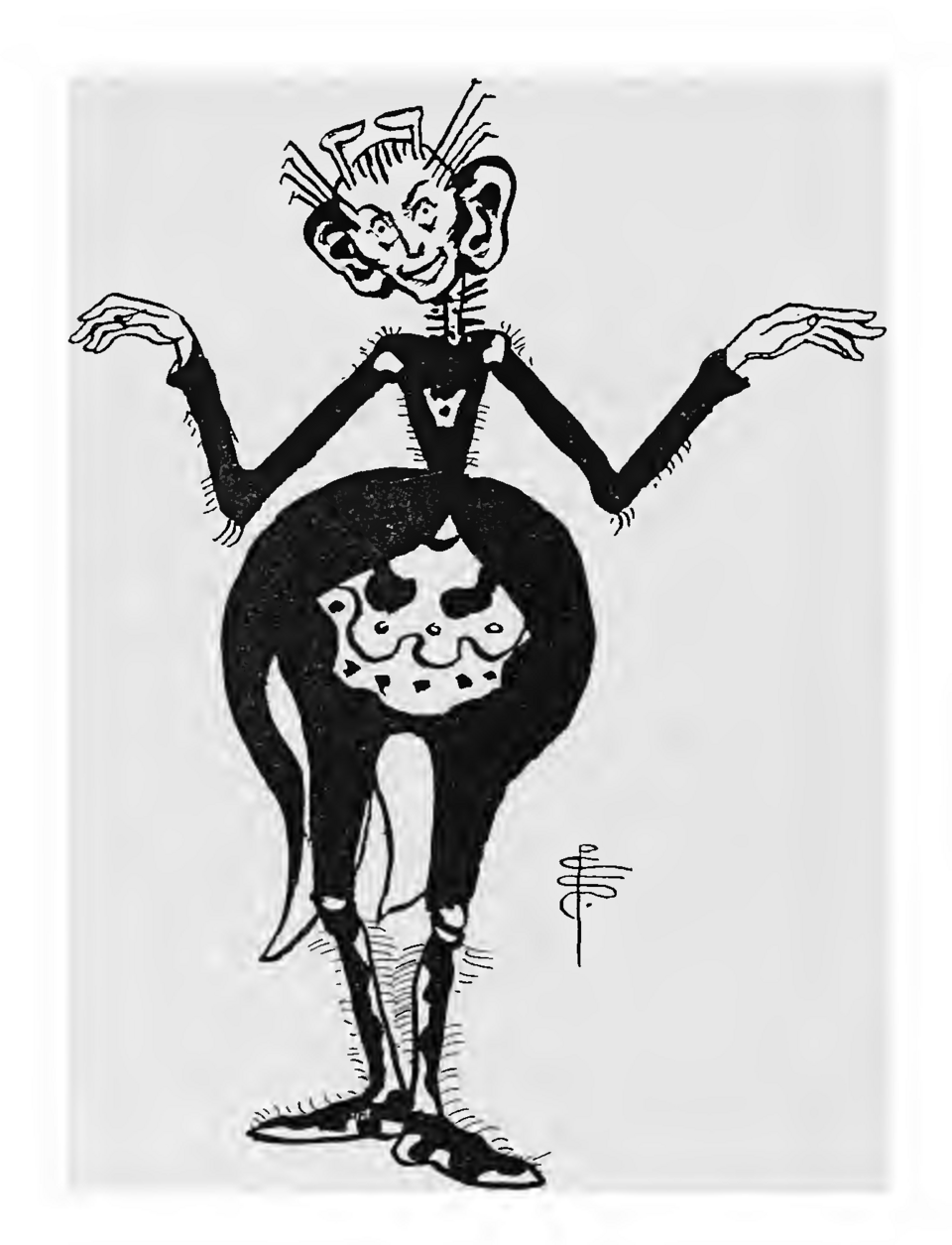
The Spider Who Outwitted the World
He is small, eight-legged, and rarely the strongest in the room — yet no one in his stories ever truly gets the better of him. How did a spider become the cleverest storyteller of an ocean-crossing culture?