Paradise Lost: Milton's Rebel Angel
A blind poet, dictating verses in the dark, dared to explain the ways of God to men — and in doing so, made Hell's ruler unforgettable.

In 1667, a blind English poet named John Milton published an epic in ten books, over ten thousand lines of unrhymed verse. Seven years later, in 1674, a second edition appeared, reorganized into twelve books in the manner of Virgil's Aeneid, with minor revisions throughout. That poem was Paradise Lost, and it would become Milton's masterpiece, cementing his place among the greatest poets in the English language.
The story plunges in medias res, beginning not at the world's creation but after Satan and his fellow rebel angels have already been defeated in their war against God and cast down into Hell, also called Tartarus. In Pandæmonium, Hell's capital, Satan rallies his followers with rhetorical skill, aided by Beelzebub, and joined by Moloch, Belial, and Mammon. At the close of their debate, Satan volunteers to travel alone to corrupt God's newest creation: Mankind.
His journey echoes the wanderings of Odysseus or the Argonauts. He crosses the Chaos beyond Hell and reaches God's newly made World. God, watching from Heaven, foresees that Satan will succeed in causing humanity's fall. But because this fall will come through deception rather than mankind's own initiative, God offers a path to redemption — the Son of God volunteers to die for man's sin. Satan continues on, reaching Eden, where he is briefly discovered by angelic guards before God intervenes to stop a battle whose outcome Satan already knows he would lose.
The Archangel Raphael later recounts the full War in Heaven, a three-day battle between the faithful angels and Satan's rebel forces, ending when the Son of God single-handedly defeats the entire rebel legion and banishes them. Only after this does God create the Universe, culminating in Adam and Eve, given total freedom over the Earth save one command: they must not eat from the tree of the knowledge of good and evil.
Milton renders Adam and Eve as fully human — passionate, distinct in personality, bound in a romantic and sexual relationship even before sin enters the world. Satan, disguised in the body of a serpent, tempts Eve by preying on her vanity and twisting her with rhetoric. When Adam learns what Eve has done, he knowingly eats the fruit too, declaring that since she was made from his flesh, their fates are joined — if she dies, he must die also. Milton frames Adam as heroic yet more culpable than Eve, since he acts in full awareness of wrongdoing.
More from Mythology

The Doctor Who Sang a Nation Into Being
A country doctor rode into the forests of Karelia armed with nothing but a notebook — and rode out with the soul of a nation.

The Boat That Carried the Sun
Every sunset, the ancient Egyptians believed, the sun climbed into a boat and sailed straight into the realm of the dead — only to fight a monstrous serpent before dawn could return.

The Wild Man of the Snows
At 21,000 feet, a colonel found tracks in the snow that he blamed on a wolf — but his guides knew better, and gave the world a name that would echo for a century.

The Knight Who Went Mad for Love: Orlando Furioso
A hero so devoted to duty he was Charlemagne's greatest paladin loses his mind—not to a sword wound, but to heartbreak. To cure him, a friend must ride a flying horse to the Moon.

The Book That Turned the World Into Myth
A poet condemned to exile spent his final years in Rome finishing a poem that would outlive empires—a poem about nothing standing still, not gods, not lovers, not even the shape of a man.
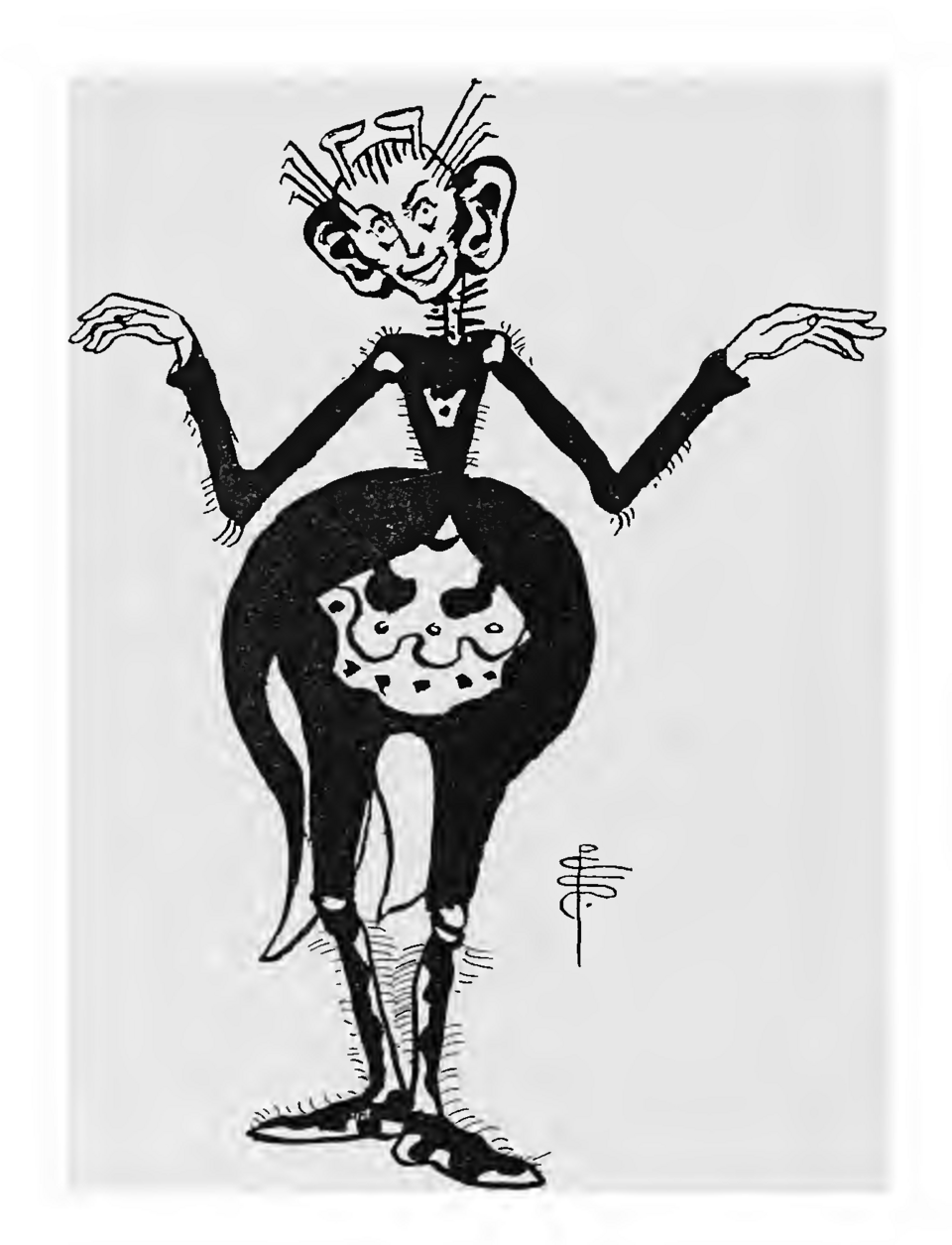
The Spider Who Outwitted the World
He is small, eight-legged, and rarely the strongest in the room — yet no one in his stories ever truly gets the better of him. How did a spider become the cleverest storyteller of an ocean-crossing culture?