Archaeology
66 stories. Each one follows a single moment, a single object or a single decision.

The Bronze Disc That Rewrote the Sky
Two looters with a metal detector dug up something illegal, invisible in value, and older than Stonehenge's final stones — a map of the heavens buried for over three thousand years.

The Faceless Women of the Ice Age
Long before writing, before cities, before the wheel, someone carved a woman's body into stone and ivory — and left no name, no face, no explanation.

The Pebble That Might Be Human
A palm-sized stone found on a Moroccan riverbank may be humanity's oldest attempt to see itself — or simply a trick of erosion.

The Crown That Vanished: Deshret and the Red Land
A crown worn by kings for three thousand years has never once been found in a tomb — not one. So where did it go?

The Face That Traveled Between Empires
A farm worker's shovel struck stone in 1897 and unearthed a face so striking it would be sold to France, seized as war booty, and finally traded back for a Velázquez.

The Boy in the Dark Tunnel
A schoolboy fell into black water inside an ancient tunnel and surfaced with his fingers brushing letters no one had noticed for 2,600 years.
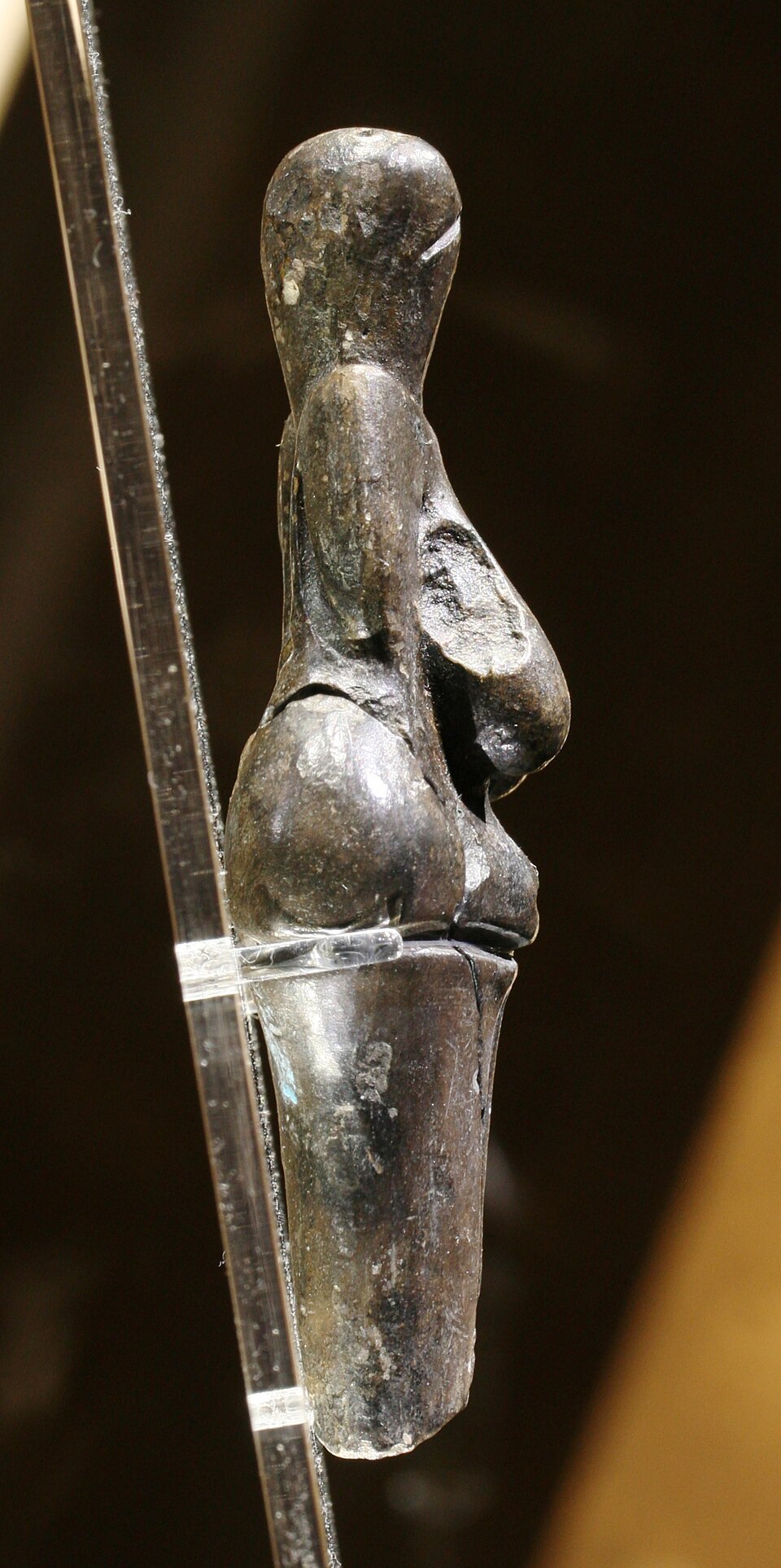
The Woman Made of Fire and Earth
Buried in ash for tens of thousands of years, a fist-sized clay woman would turn out to be older than pottery itself was thought to exist — and she still bears the fingerprint of a child.
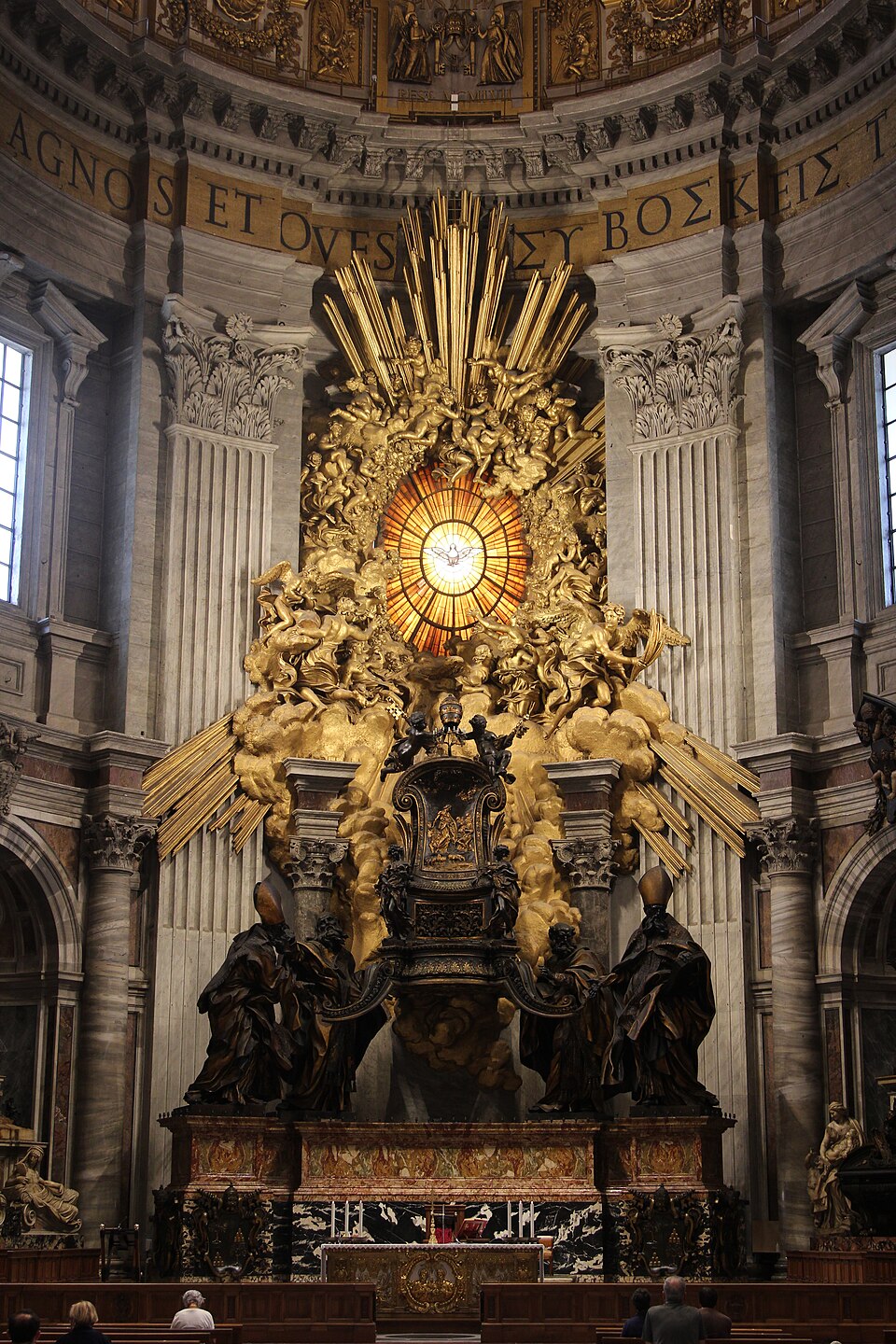
The Throne That Floats on Bronze Clouds
For 157 years it stayed hidden inside a golden cage of Bernini's making — until one autumn afternoon in 2024, it came out into the light.
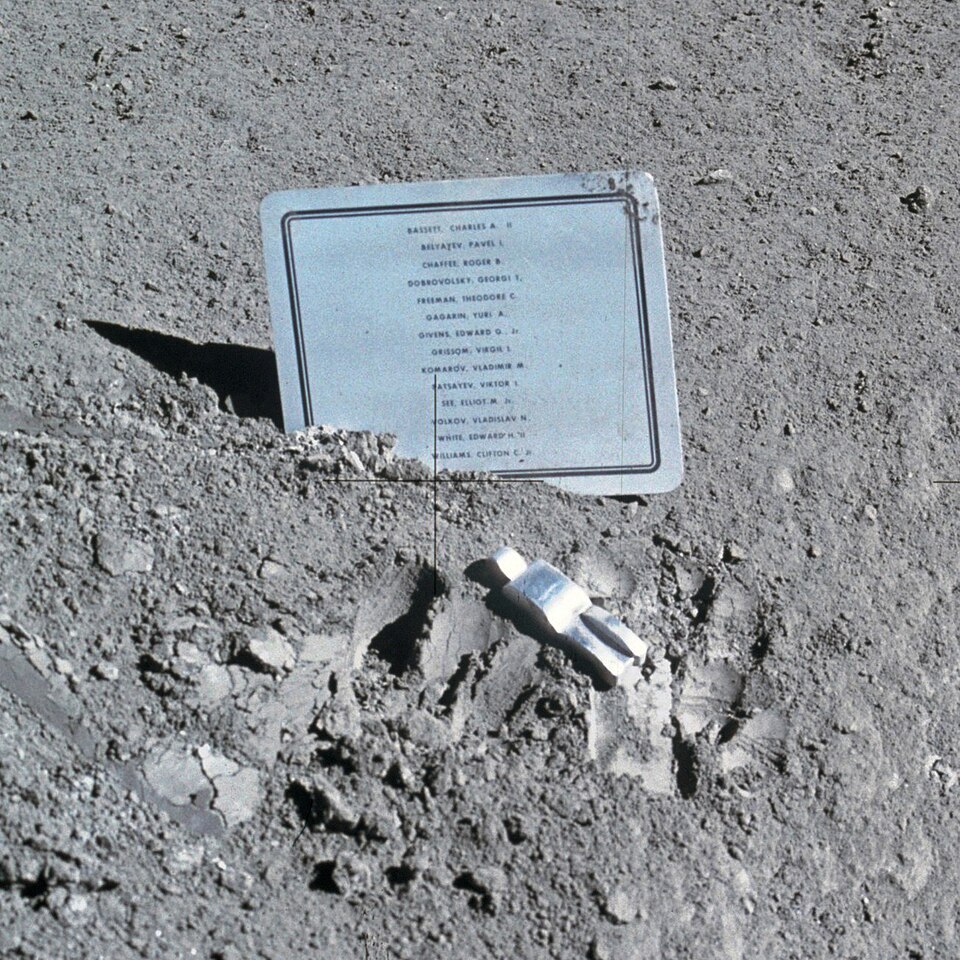
The Smallest Statue on the Moon
On the dusty grey surface of Hadley Rille lies an 8.9-centimeter aluminum figure — the only sculpture ever placed on another world, and for months, nobody on Earth knew it was there.
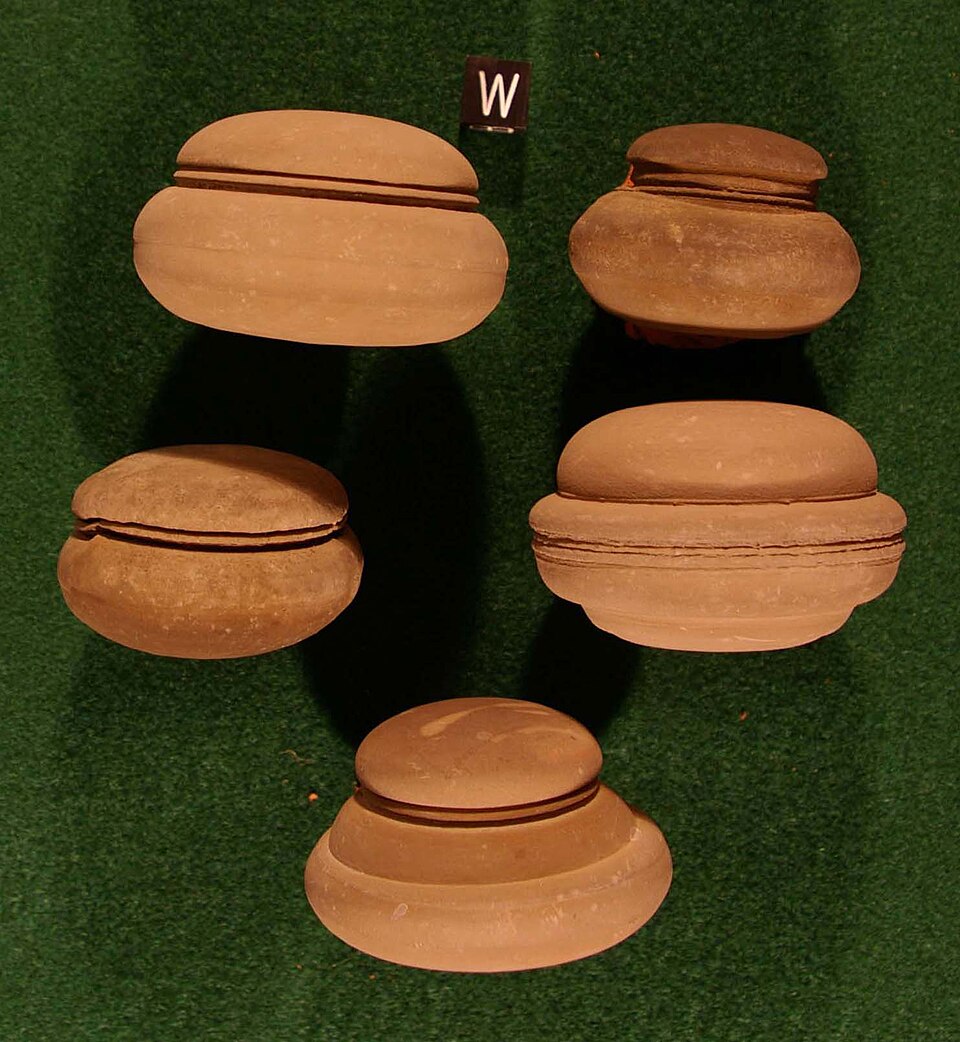
The Grooved Stones of Ottosdal
Miners pulled them from three-billion-year-old rock — perfectly rounded, ridged like tiny planets. Some claimed they couldn't be natural. Geologists disagreed.
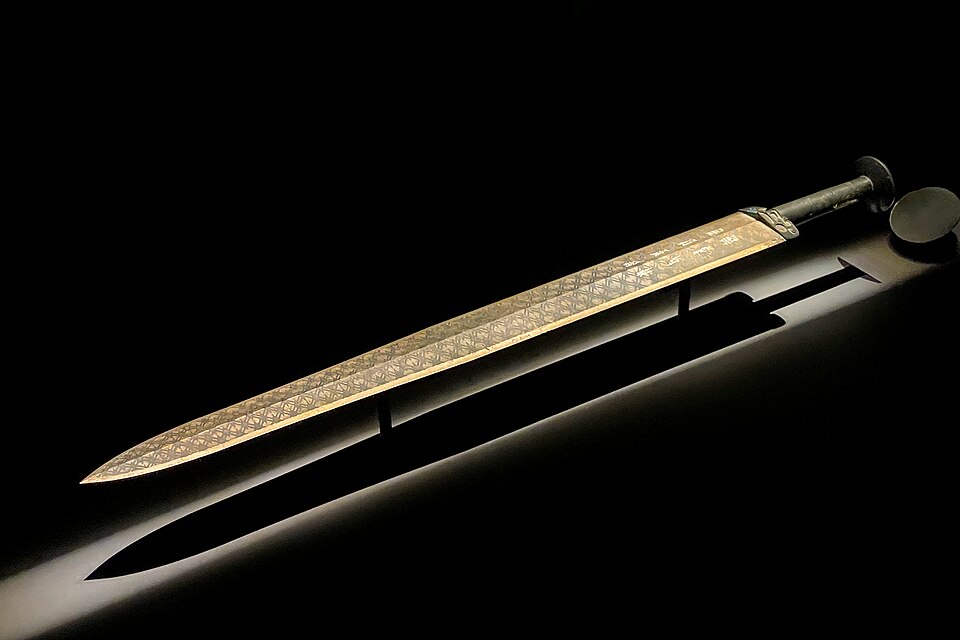
The King's Blade That Refused to Rust
Buried for over two millennia in water-logged earth, this bronze sword still had an edge sharp enough to draw blood the moment it was drawn. How did it survive perfectly intact for 2,000 years?
The Ivory Woman of Hohle Fels
Buried three meters below a German cave floor lay a figure no larger than a thumb — and it would rewrite the timeline of human art.
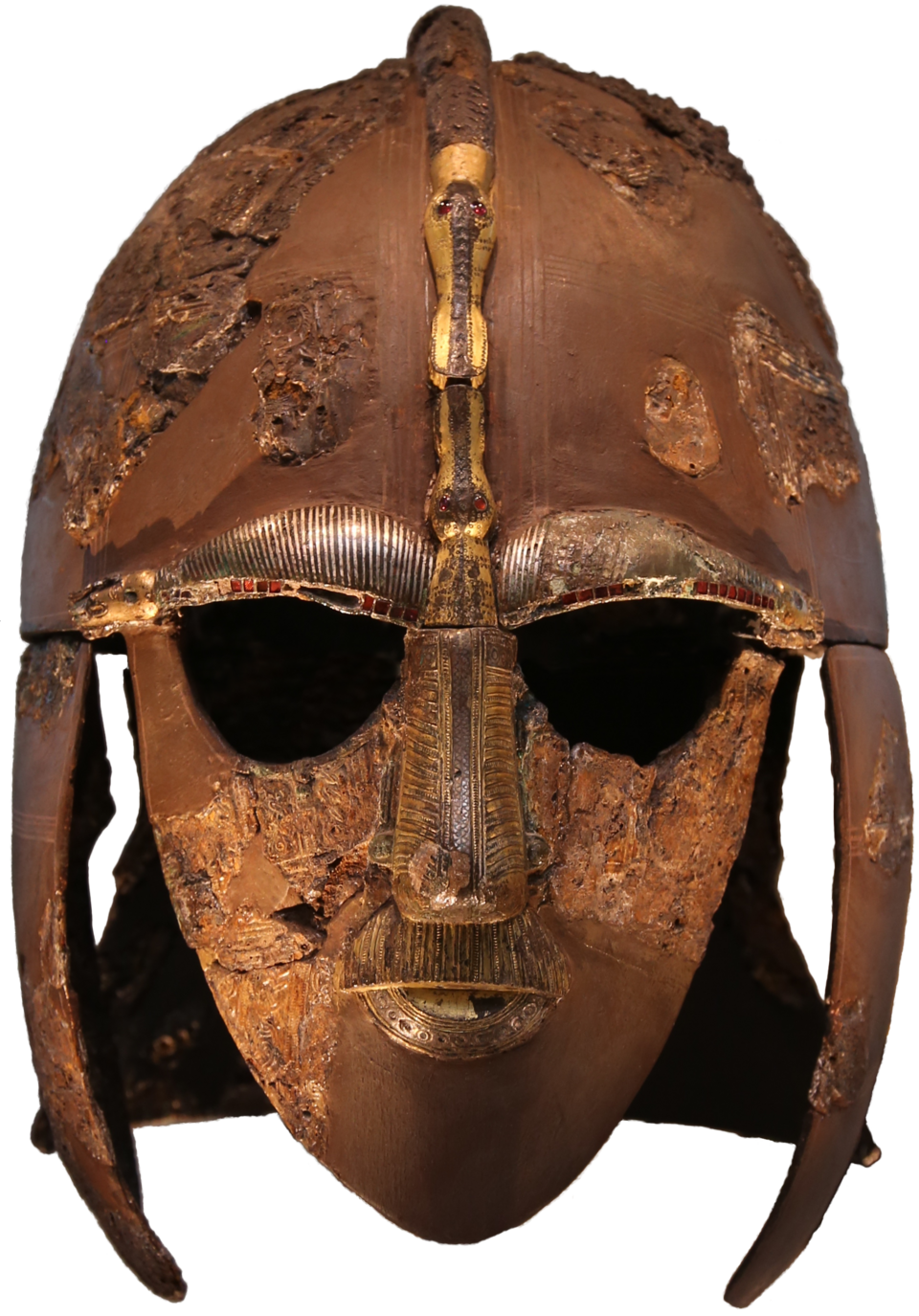
The Face That Became a Dragon
Buried in a ship, crushed under a hill of earth, and pieced back together from hundreds of rusted shards — this helmet still stares back at us fourteen centuries later.
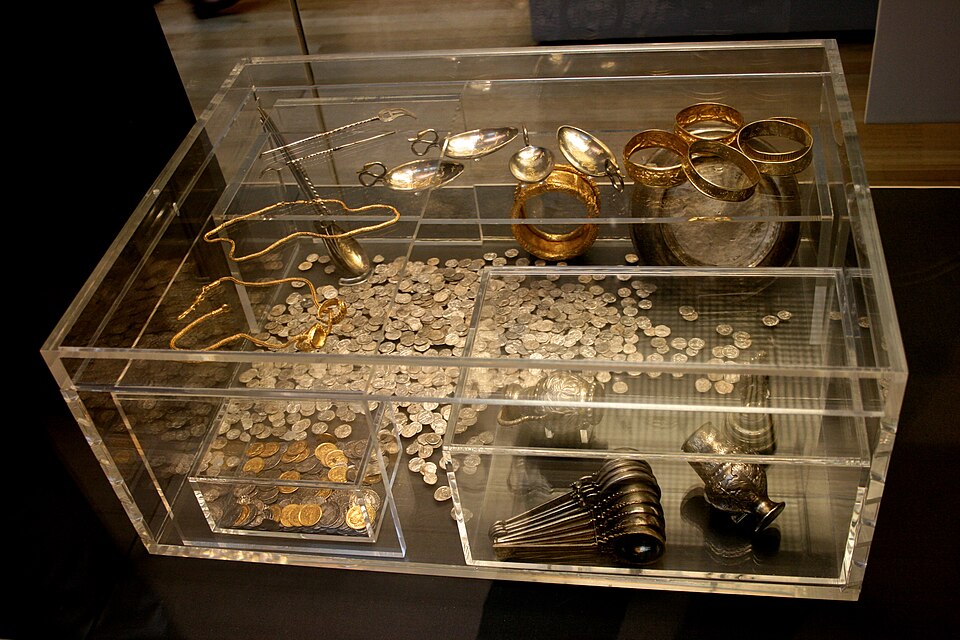
The Chest in the Suffolk Field
A lost hammer led one retired gardener to the richest hoard of Roman gold and silver ever unearthed in Britain — and to a discovery that changed the law itself.
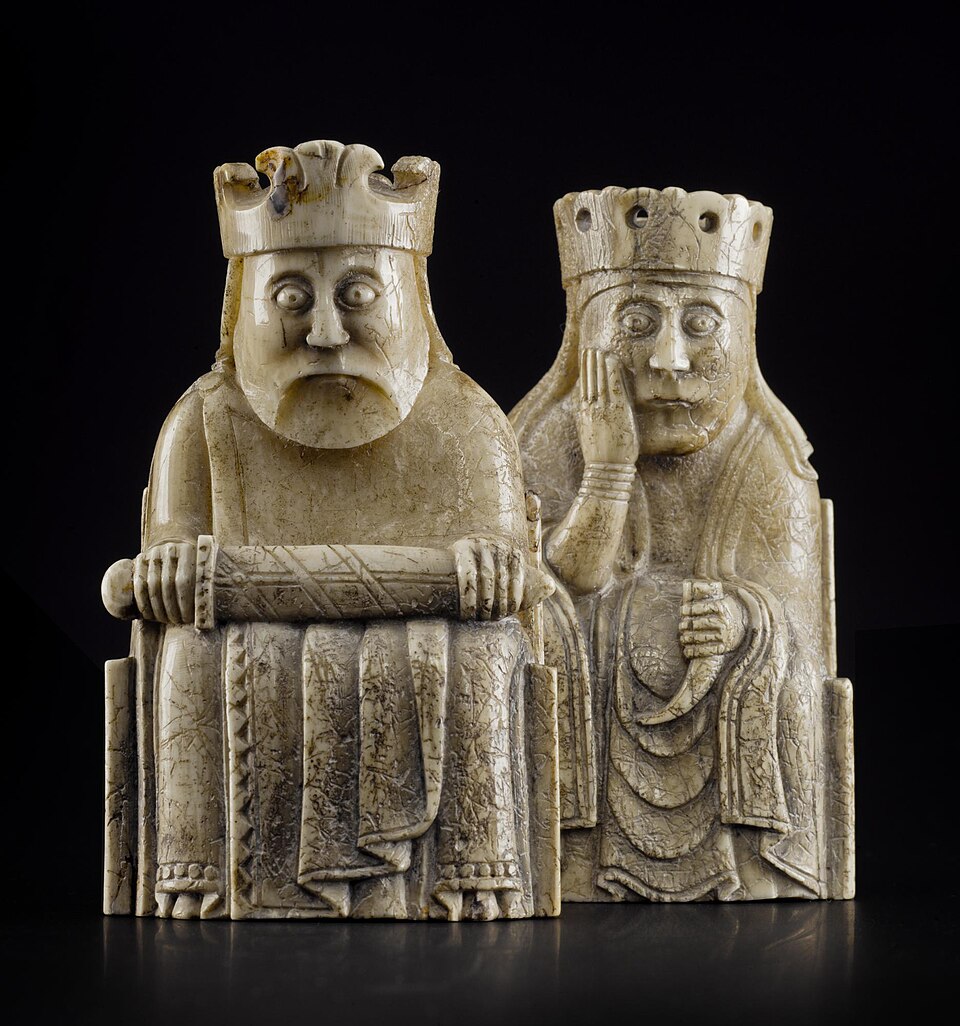
The Kings Who Came Ashore
A sandbank on a remote Scottish island once hid a chamber of walrus-ivory kings, queens, and berserker warriors — and no one knows quite how they got there.
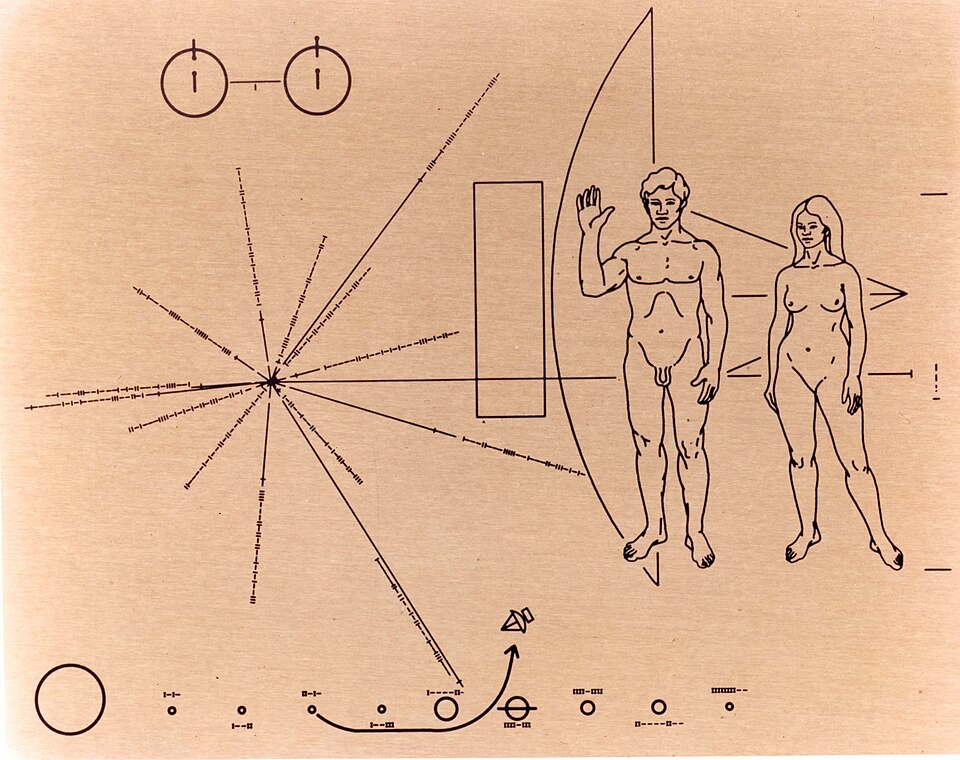
A Golden Postcard Bound for the Stars
Two spacecraft carry humanity's only physical message to the cosmos — a gold-plated drawing of a naked man and woman, encoded with the secrets of hydrogen and pulsars. Three weeks. That's all Carl Sagan had to explain our species to whoever might find it.
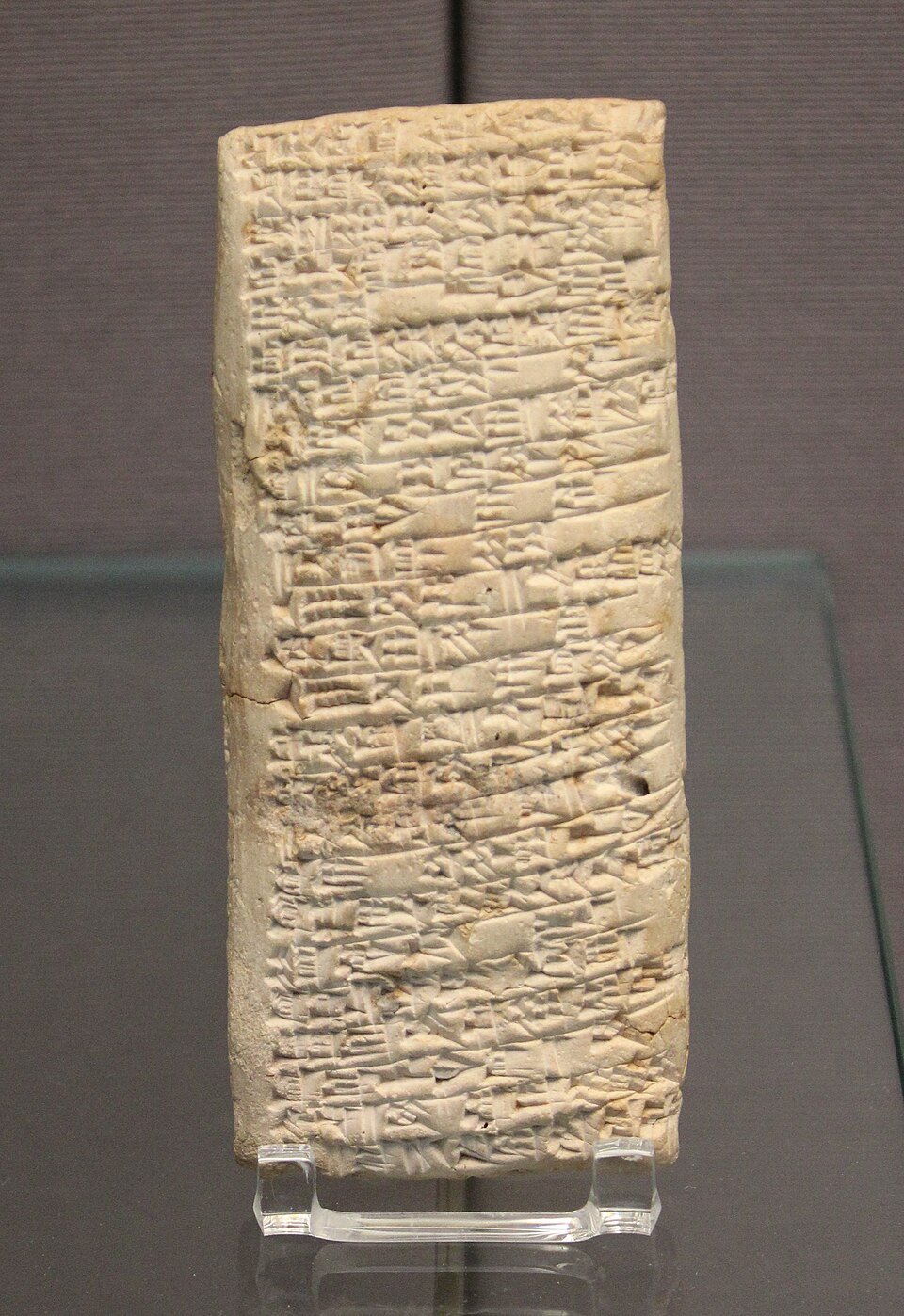
The World's Oldest Customer Complaint
Nearly 4,000 years before online reviews, one furious buyer put his grievance in clay — and it's still being read today.
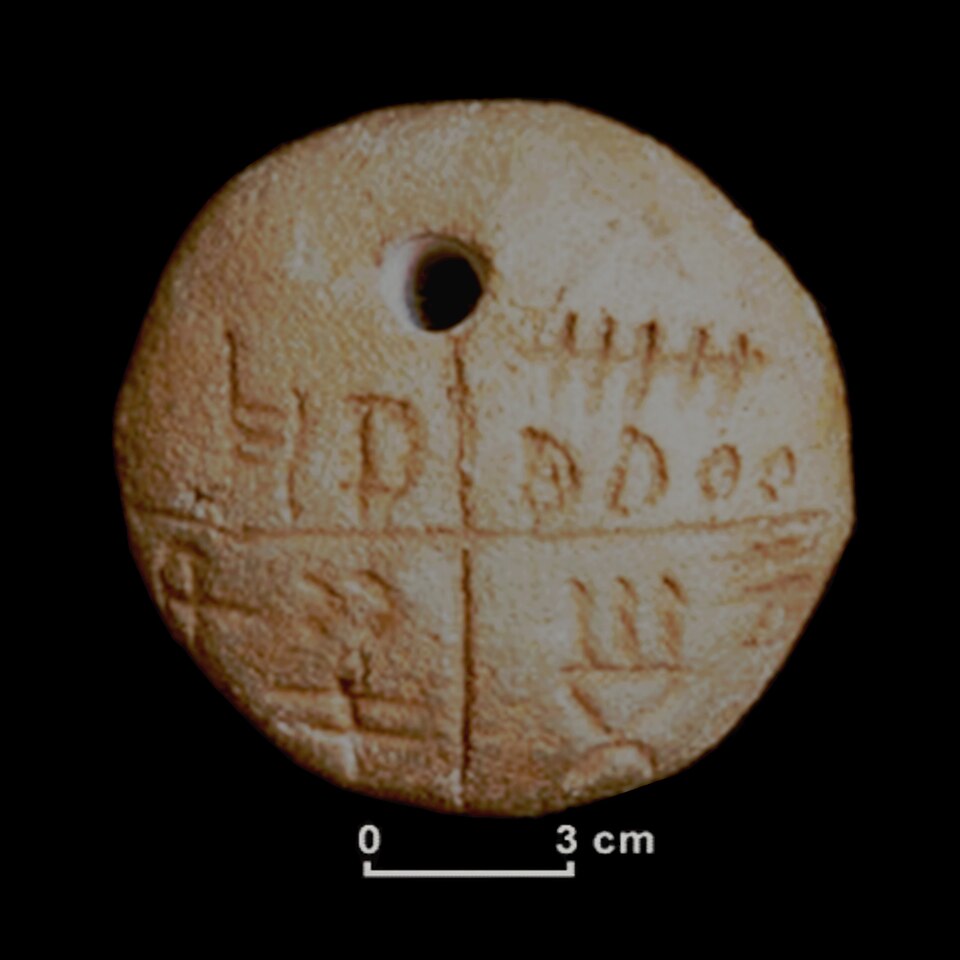
The Clay Tablets That Shook the History of Writing
Buried with a burned, dismembered woman in a Transylvanian village, three small clay tablets have haunted archaeology for over sixty years — are they the world's first writing, or an elaborate illusion?
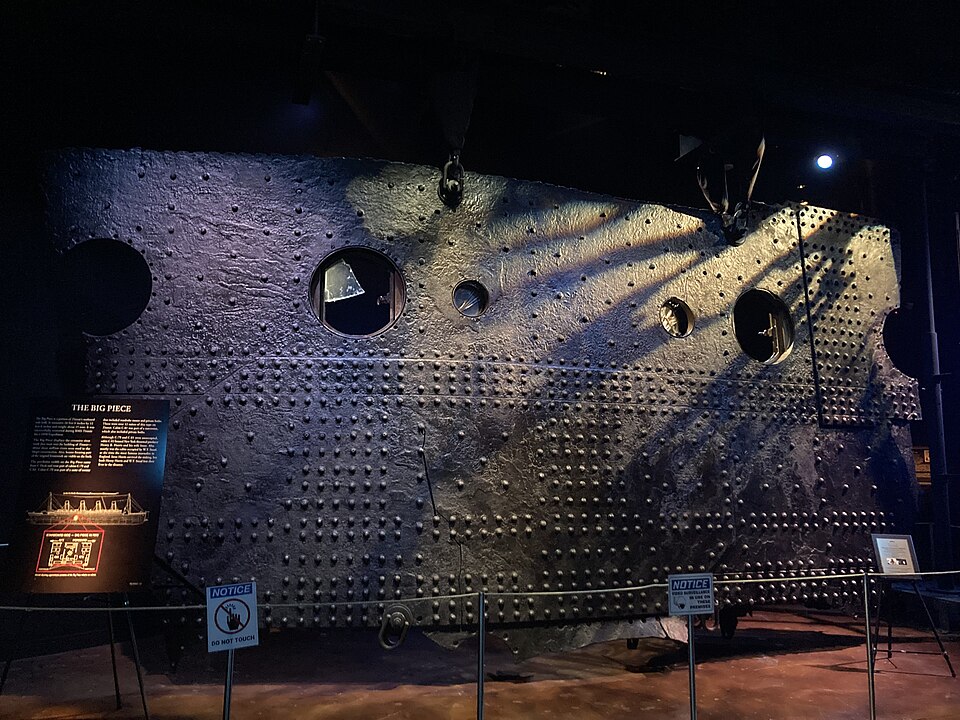
The Big Piece: Raising Titanic's Hull from the Deep
A fifteen-ton slab of steel, torn from the Titanic's flank and lost once to a hurricane, finally rose from the Atlantic — and became the centerpiece of an exhibition millions would walk through.
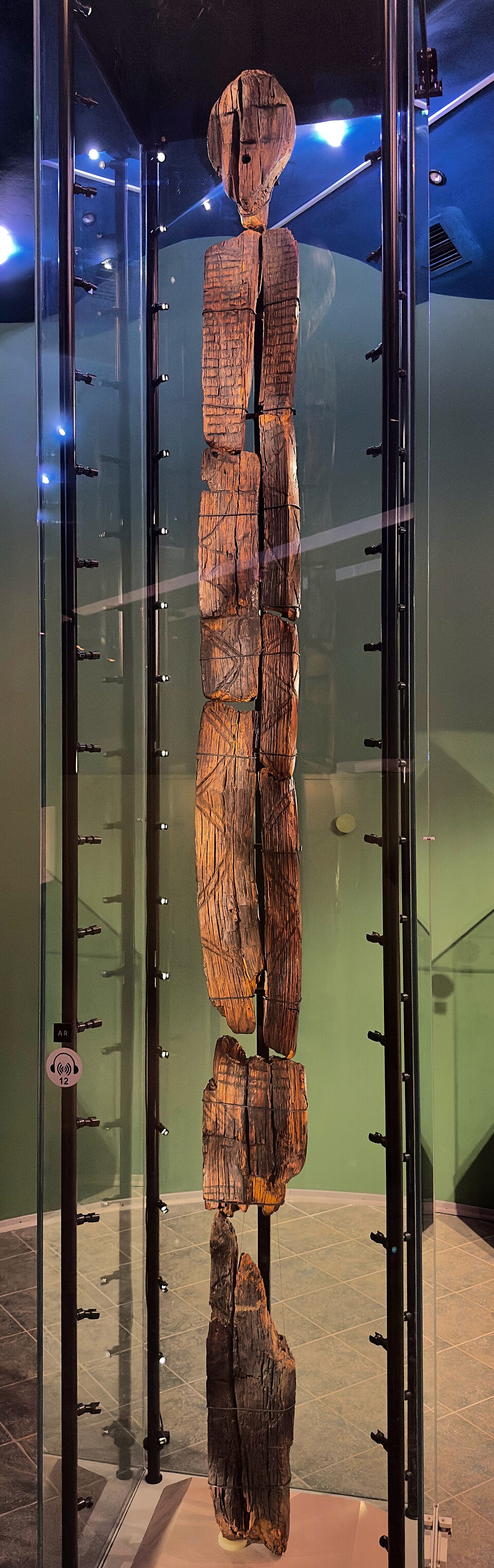
The Wooden Face Twice as Old as the Pyramids
Buried in a Siberian peat bog for eleven and a half millennia, a carved larch pole outlived stone, bronze, and every empire that followed it — and nobody quite agrees on what its faces mean.
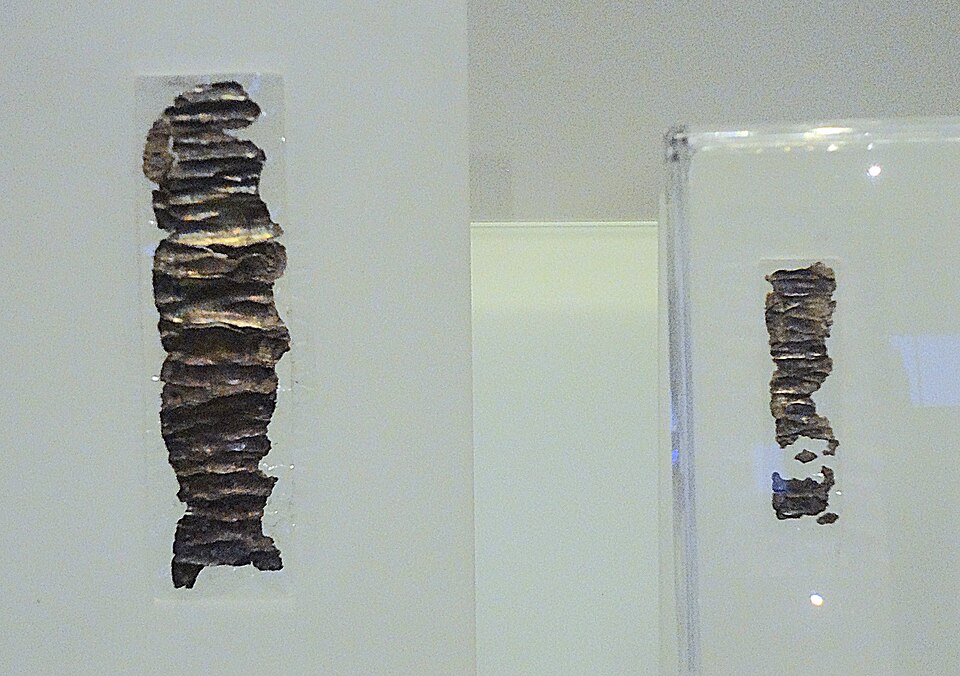
The Silver Scrolls of Ketef Hinnom
In a tomb full of ash and forgotten rifles, a thirteen-year-old volunteer's stray discovery would rewrite the timeline of the Bible itself.
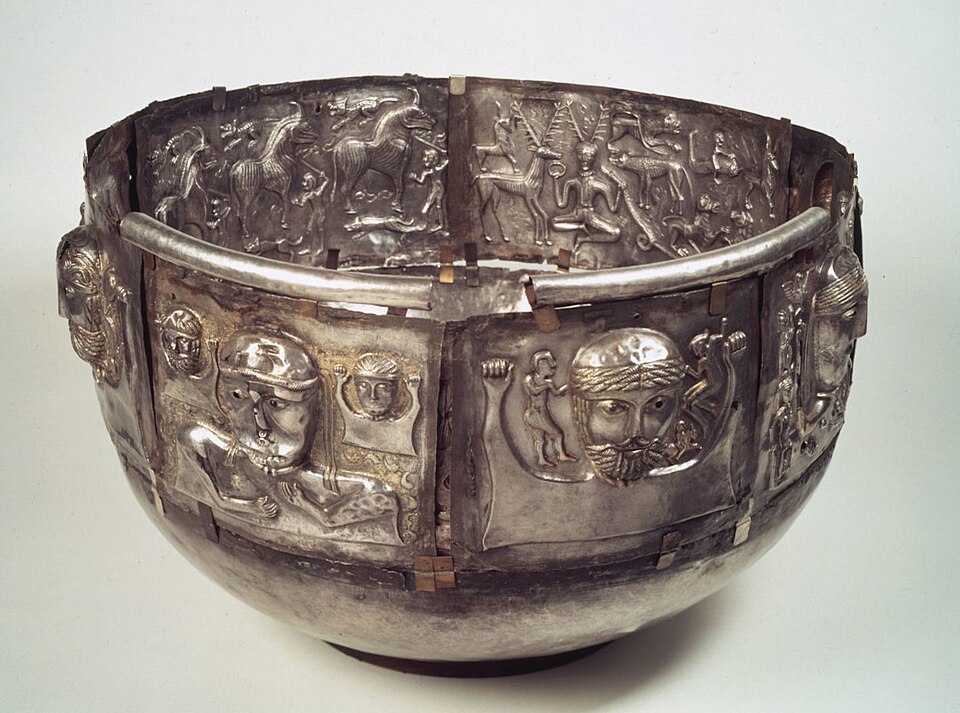
The Bog That Kept a Silver Secret
In 1891, Danish peat cutters pulled a treasure from the mud so strange that scholars are still arguing about who made it — and why it was buried at all.
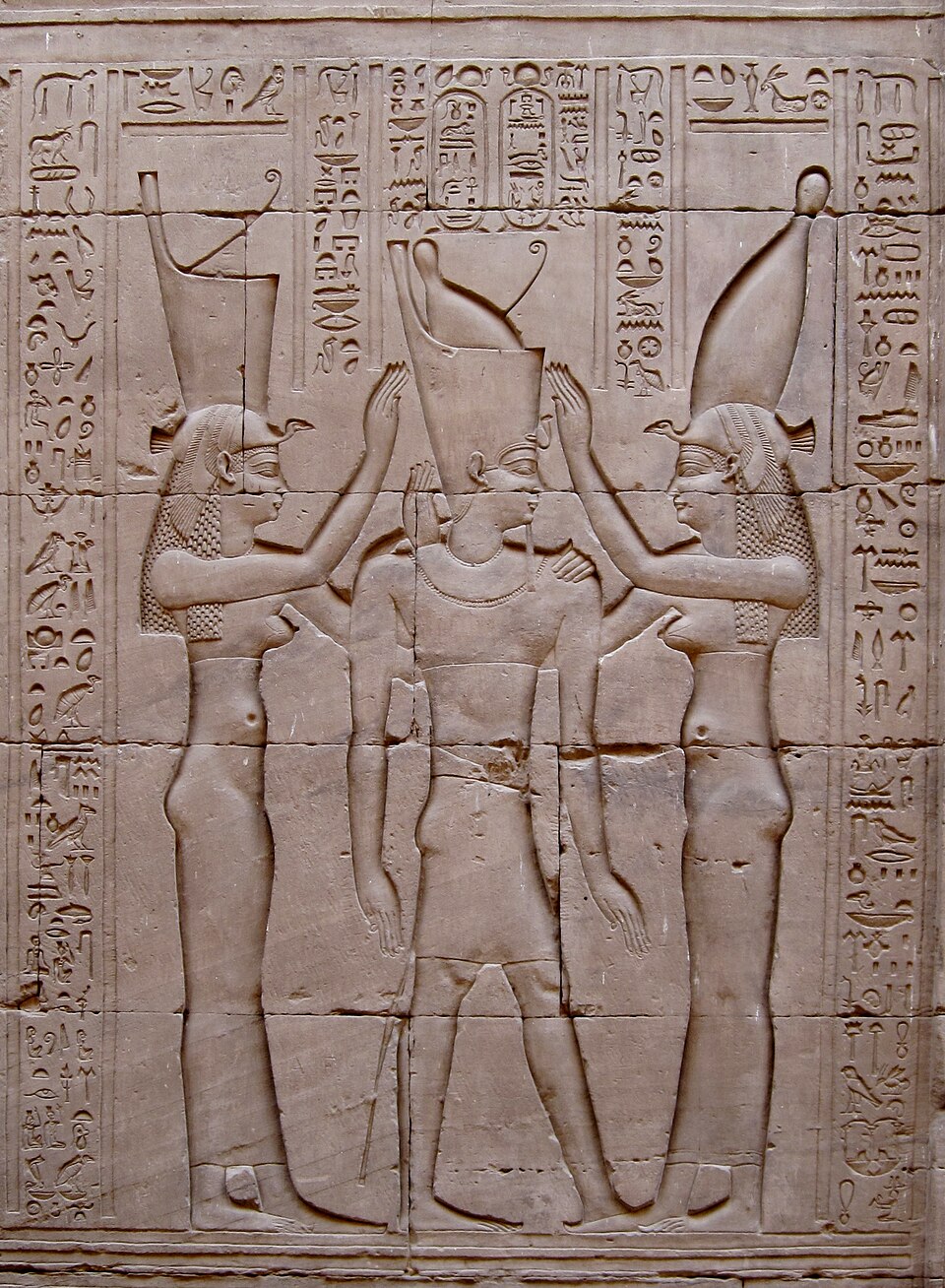
The Two Powerful Ones: Egypt's Double Crown
No one has ever held it in their hands — no example has survived the centuries — yet for three thousand years it sat atop the most powerful head in the ancient world. What was this crown that existed everywhere except in reality?
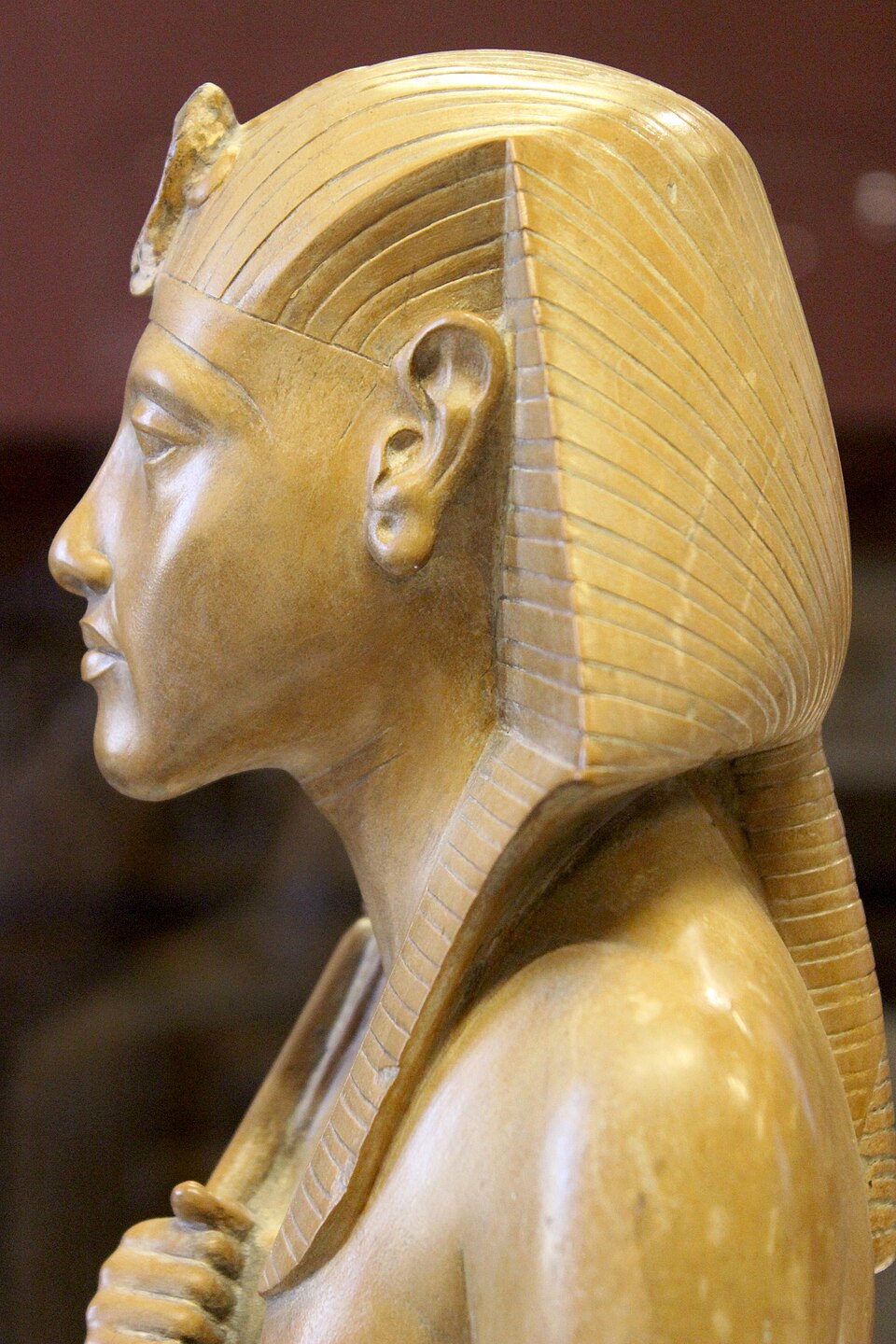
The Cloth That Crowned a God
Striped linen, folded just so, turned a mortal skull into the mask of a living god. Few objects have carried so much power with so little material.
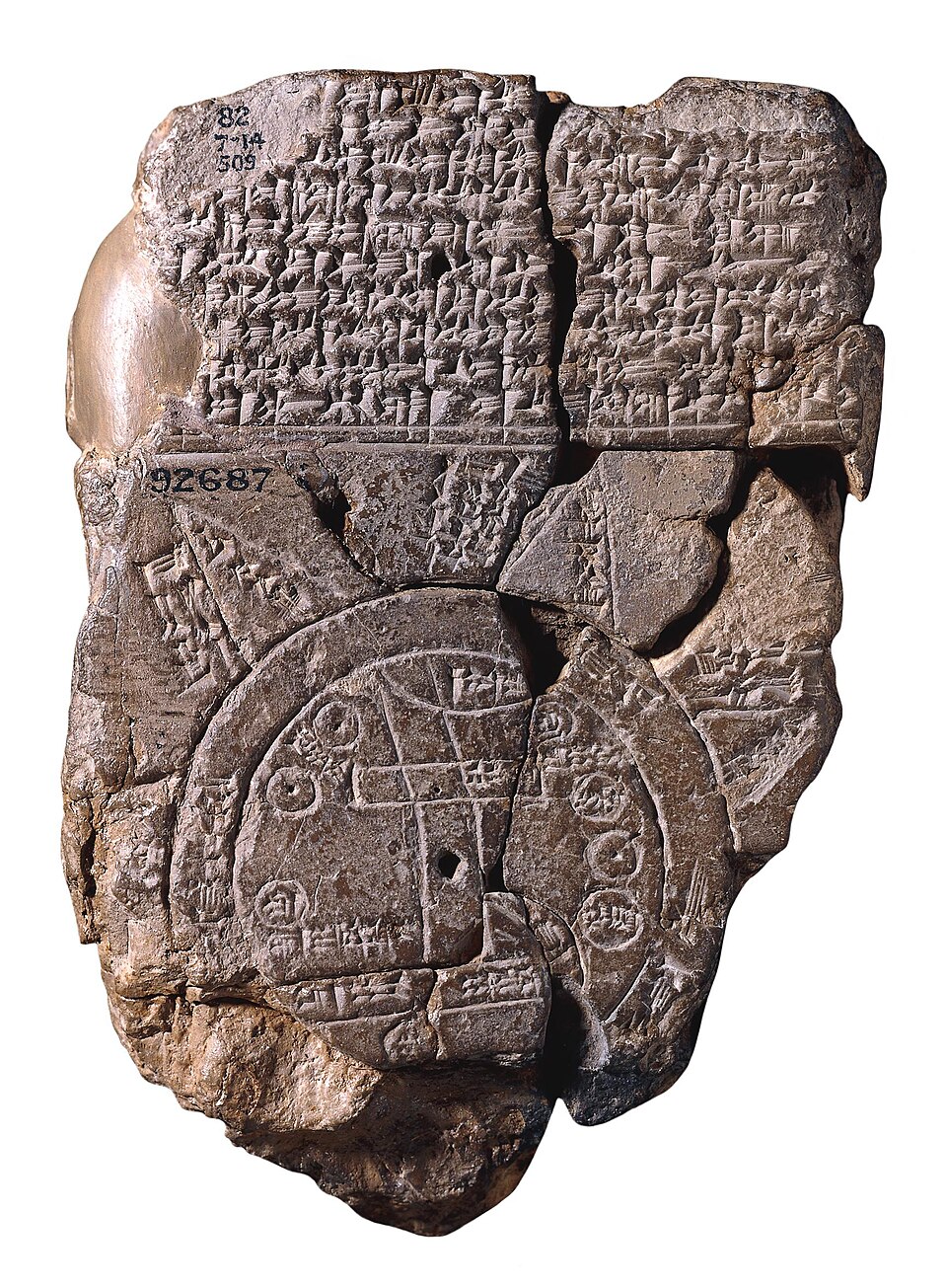
The Clay Tablet That Held the Whole World
A small circle of baked clay claims to show everything beyond the horizon — Babylon at the center, monsters at the edge, and Noah's ark somewhere in between.
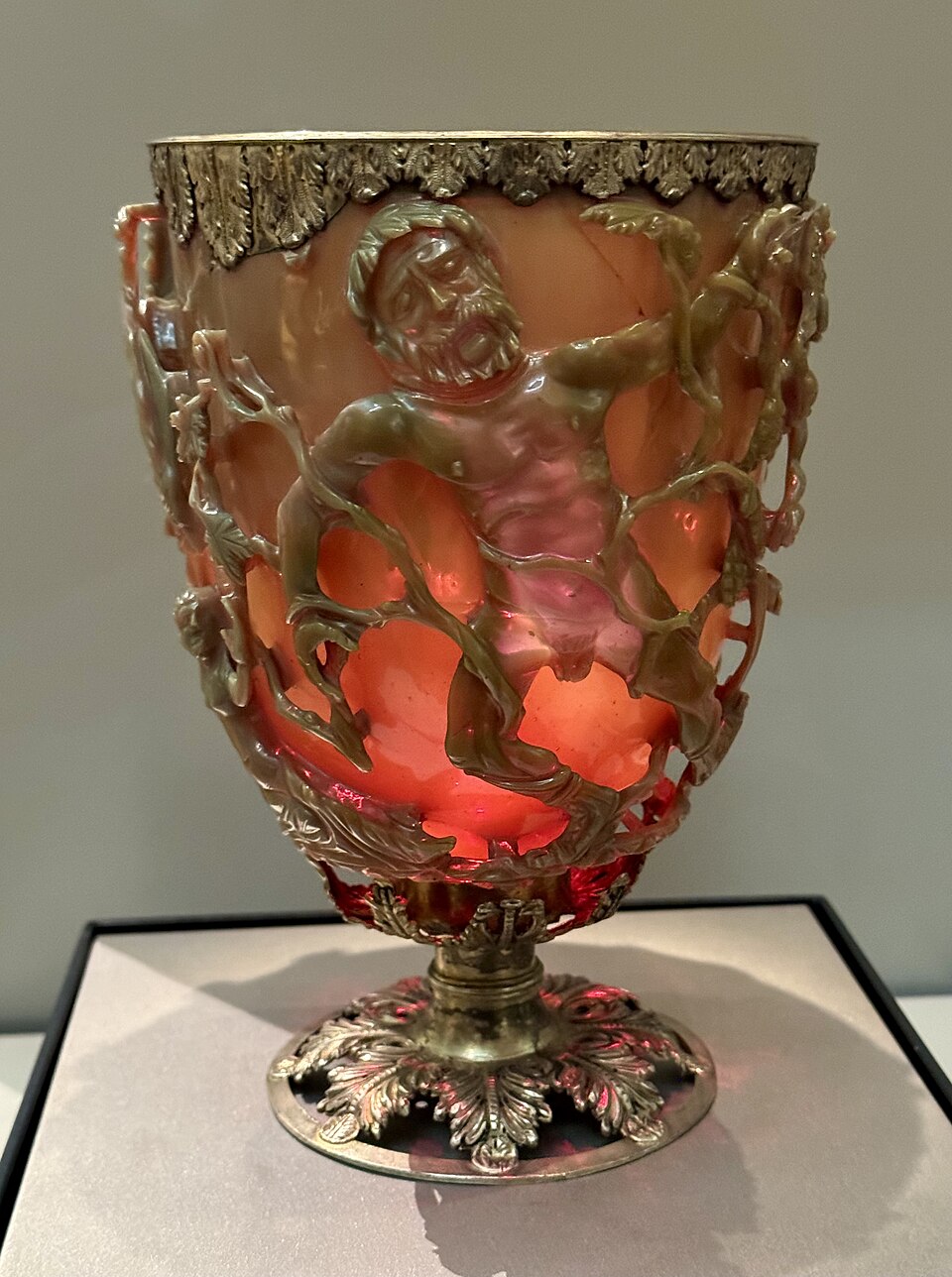
The Cup That Changes Color With Light
A Roman drinking cup turns from jade green to blood red depending on which way the light strikes it — and for sixteen centuries, no one quite understood why.
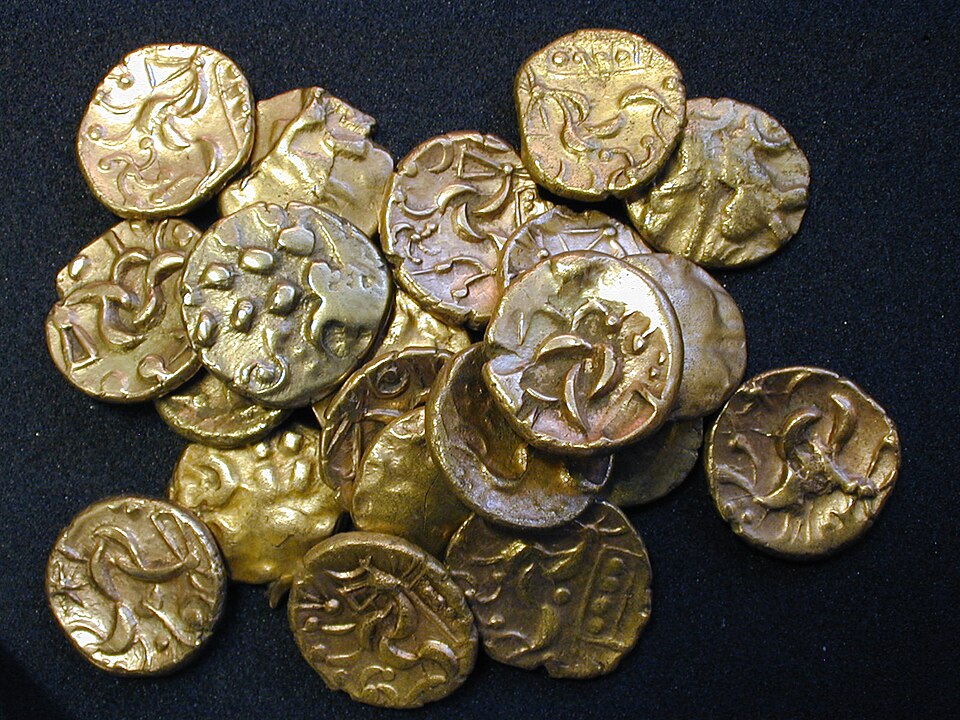
The Gold Under the Old Tin Can
A couple walking their dog on their own land noticed a rusty can poking from the dirt near an oddly shaped rock — and stumbled onto the largest buried treasure ever found in America.
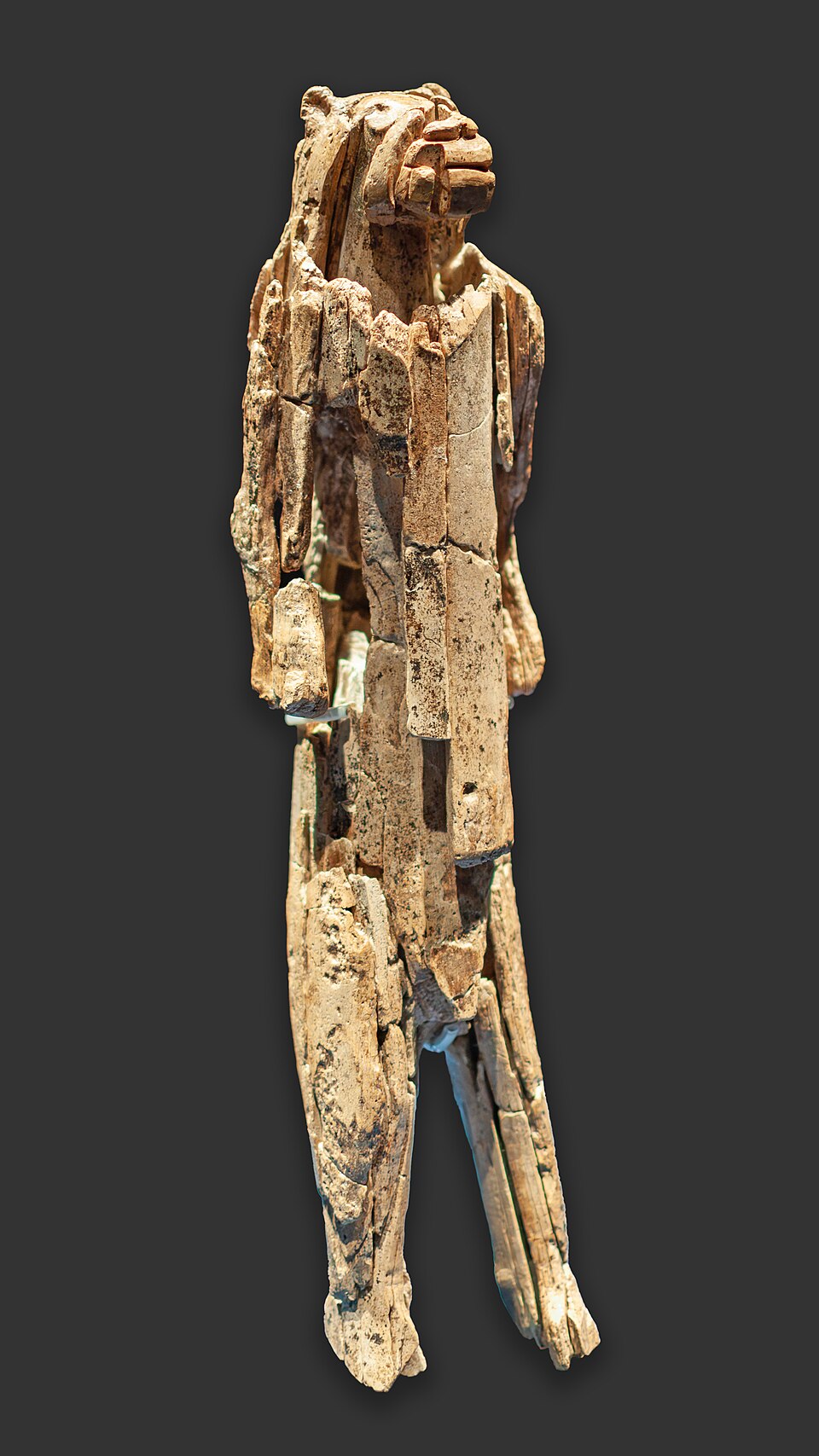
The Oldest Dream Ever Carved
Forty thousand years ago, someone took a mammoth's tusk and a flint blade and imagined a creature that never existed — half lion, half human. Then war buried the truth for thirty years.
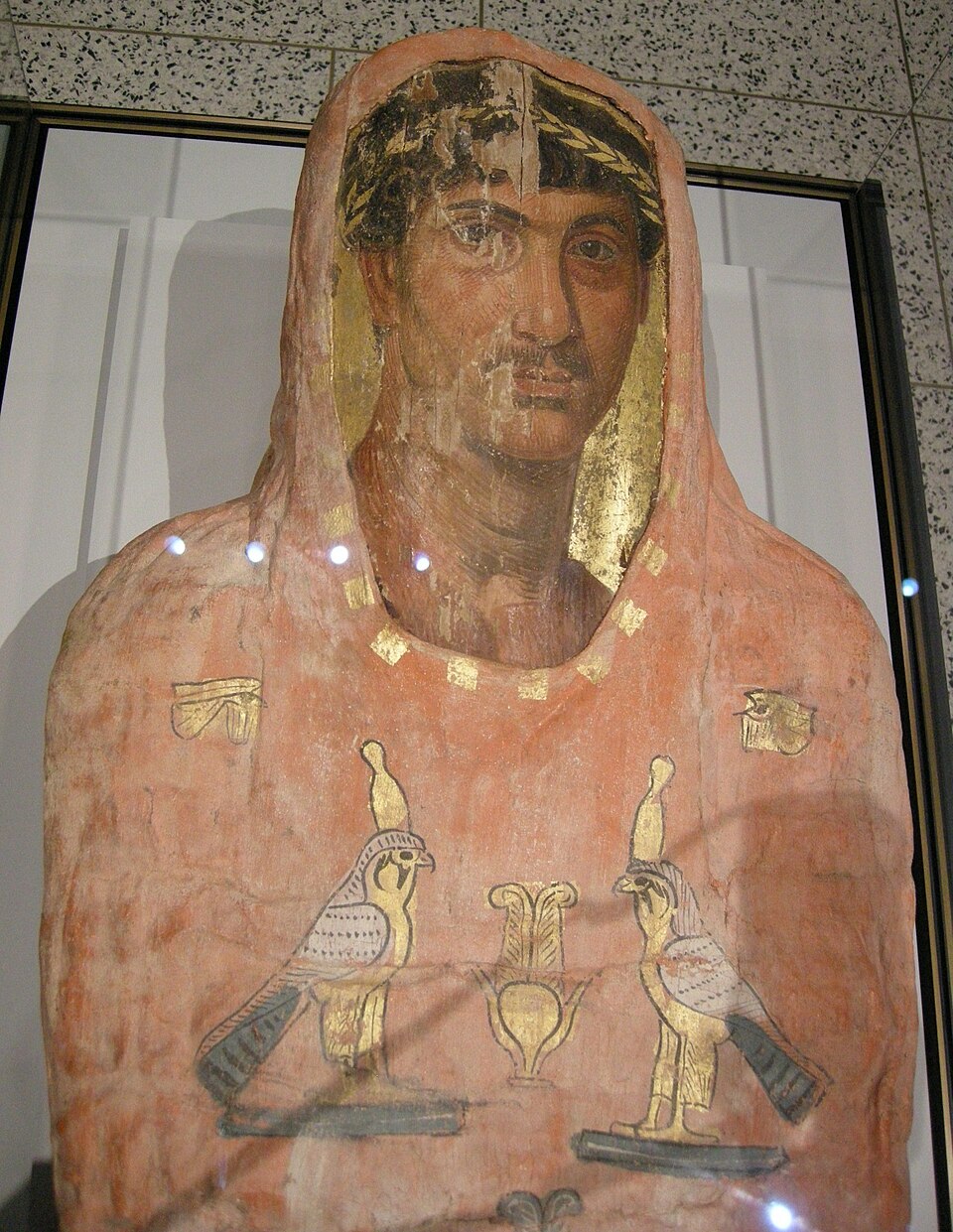
The Faces That Refused to Fade
Wrapped inside linen bandages for two thousand years, hundreds of painted faces stared out from Egyptian tombs — as vivid as the day the wax was still warm.
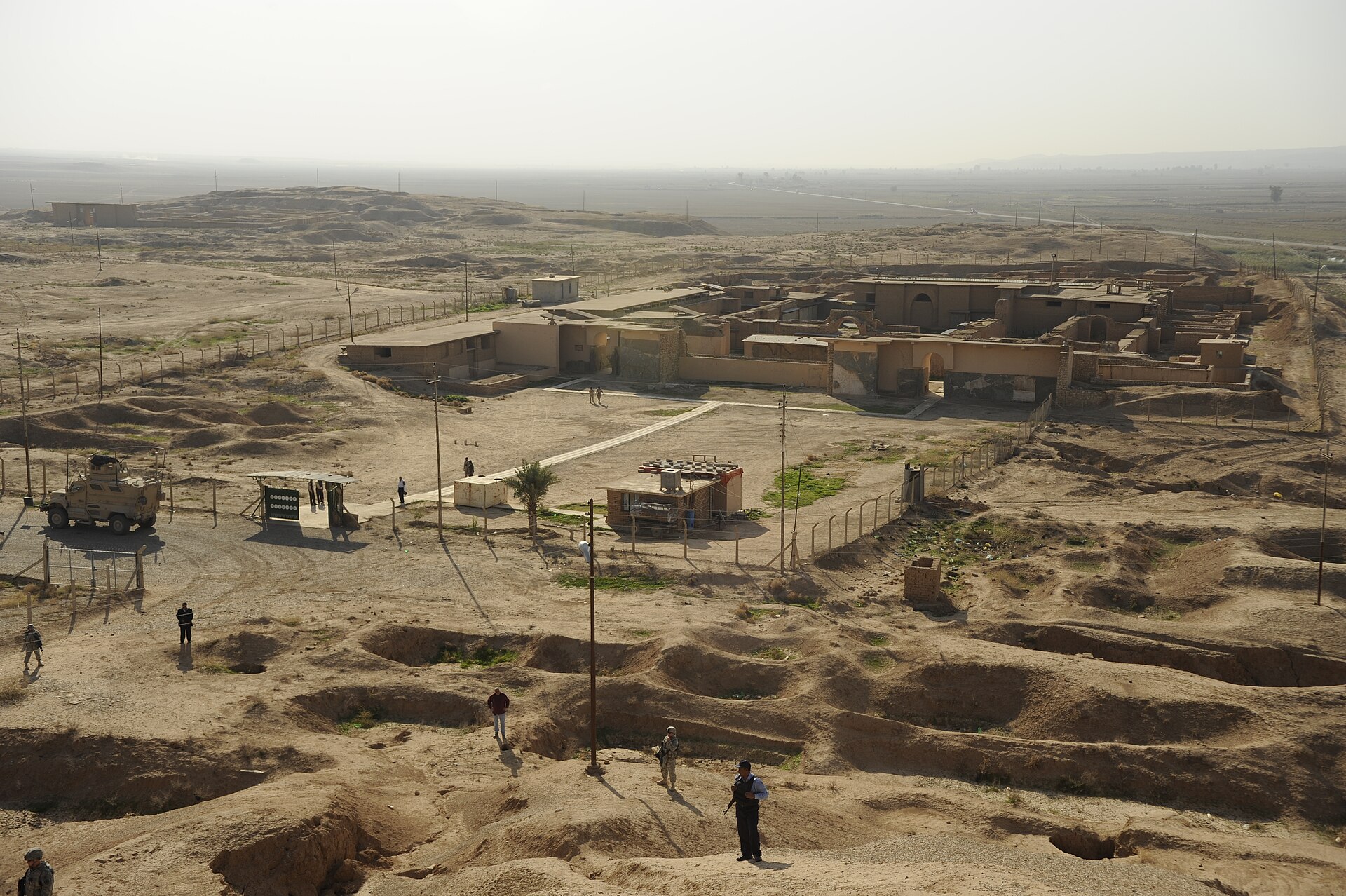
The Gold the Desert Kept Secret
Beneath the mudbrick ruins of an Assyrian capital, archaeologists found something the ancient kings never mentioned in their inscriptions: the tombs of their queens, glittering with gold.
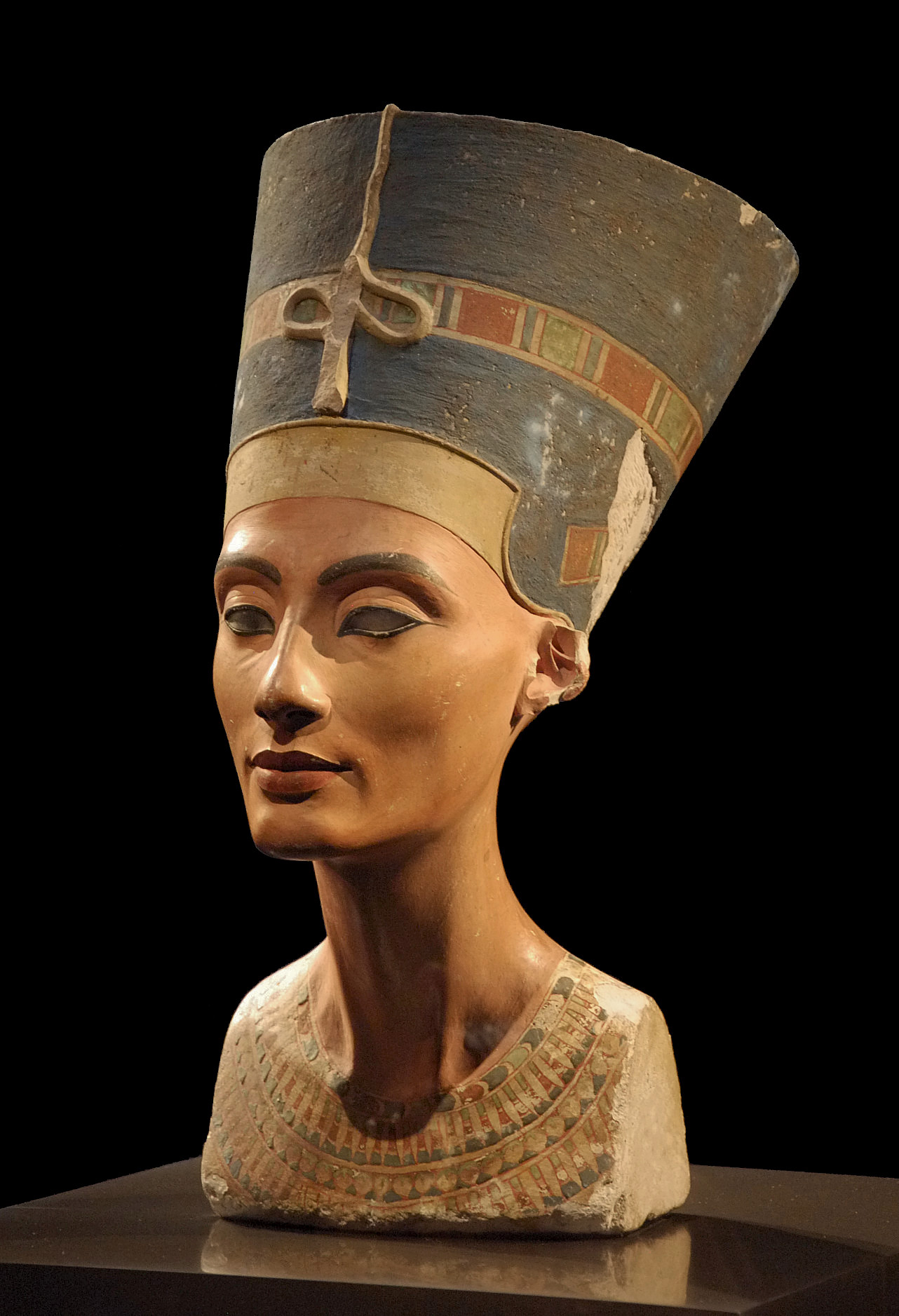
The Queen Who Vanished: Searching for Nefertiti's Tomb
Her face is one of the most reproduced images in human history — yet three thousand years later, no one knows where her body lies.
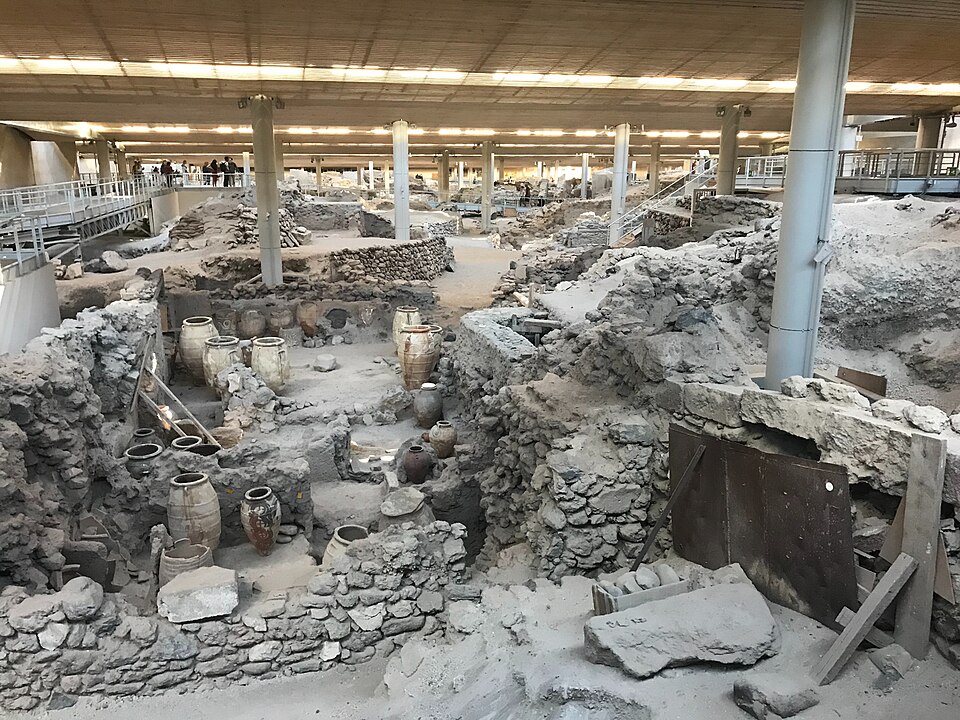
The City the Ash Remembered
No bodies. No skeletons. Just a city frozen mid-breath beneath layers of volcanic ash — what happened to the people of Akrotiri, and how did they know to leave?
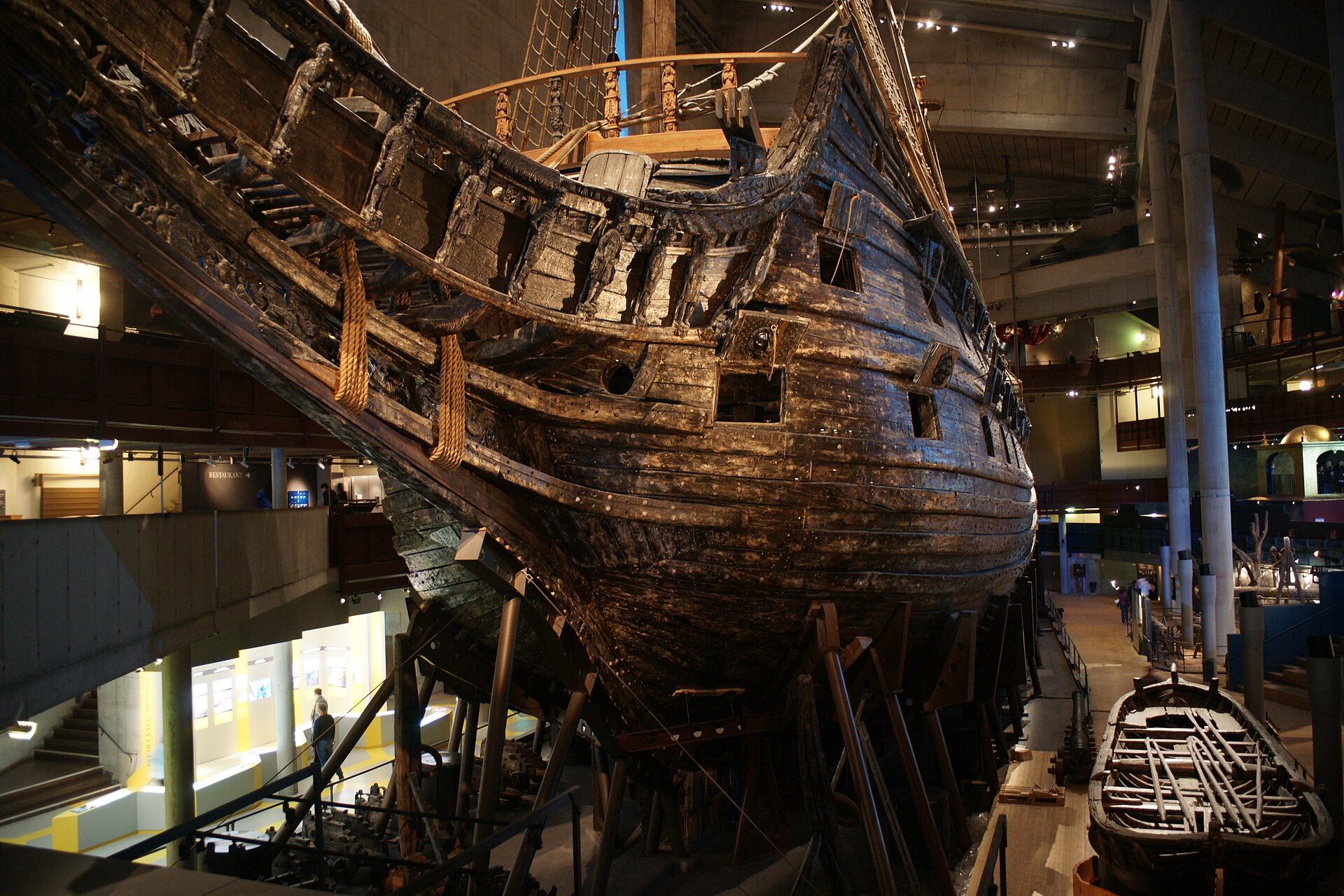
The Warship That Sank in Sight of Its Own Shipyard
She was the pride of an empire, built to terrify enemies across the Baltic — and she made it barely a kilometer before rolling over and drowning.
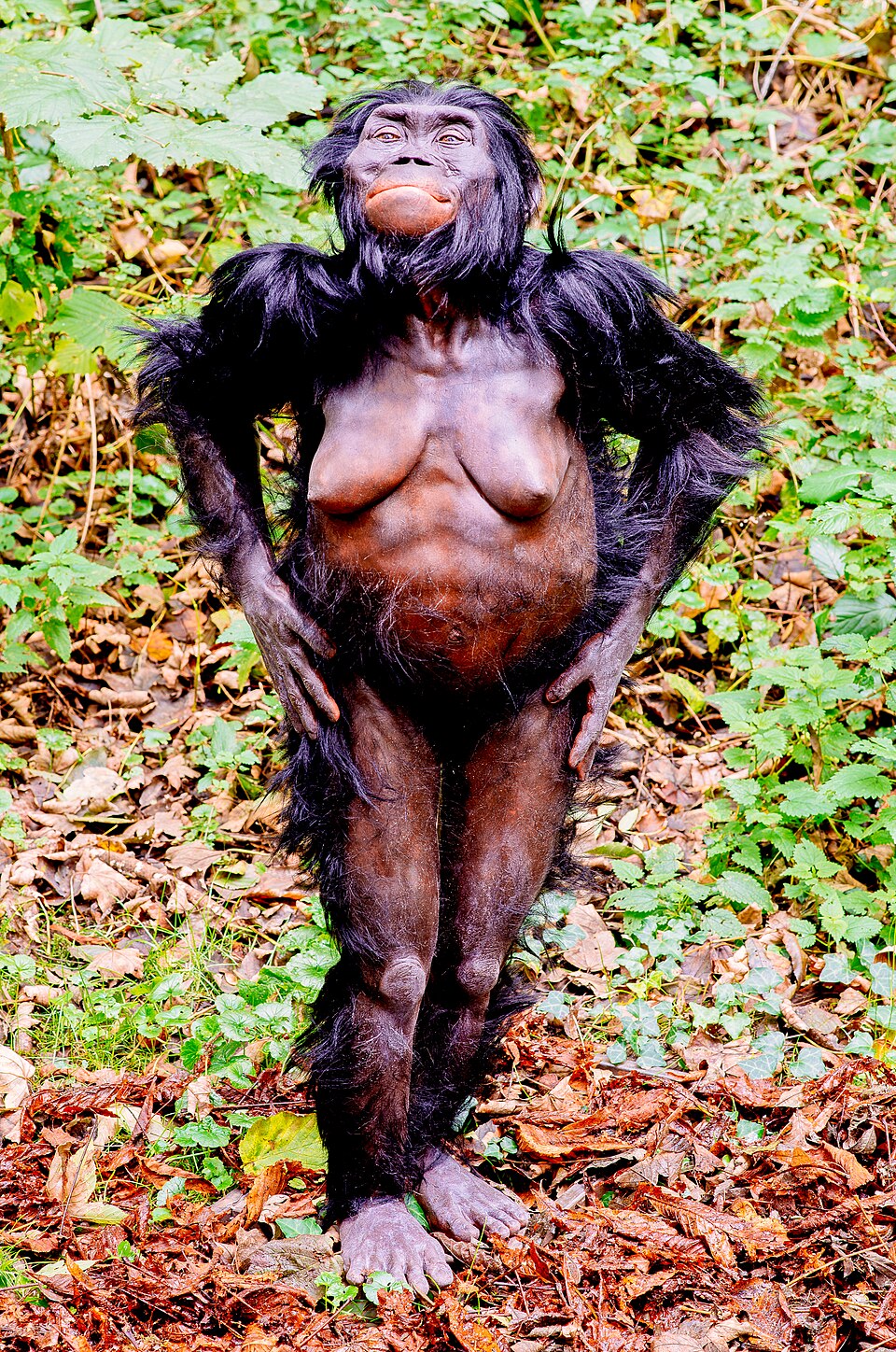
Lucy: Grandmother of Humankind
In 1974, in the dust of Ethiopia's Afar desert, researchers uncovered fragments of bone that would rewrite the story of how humans learned to walk upright.
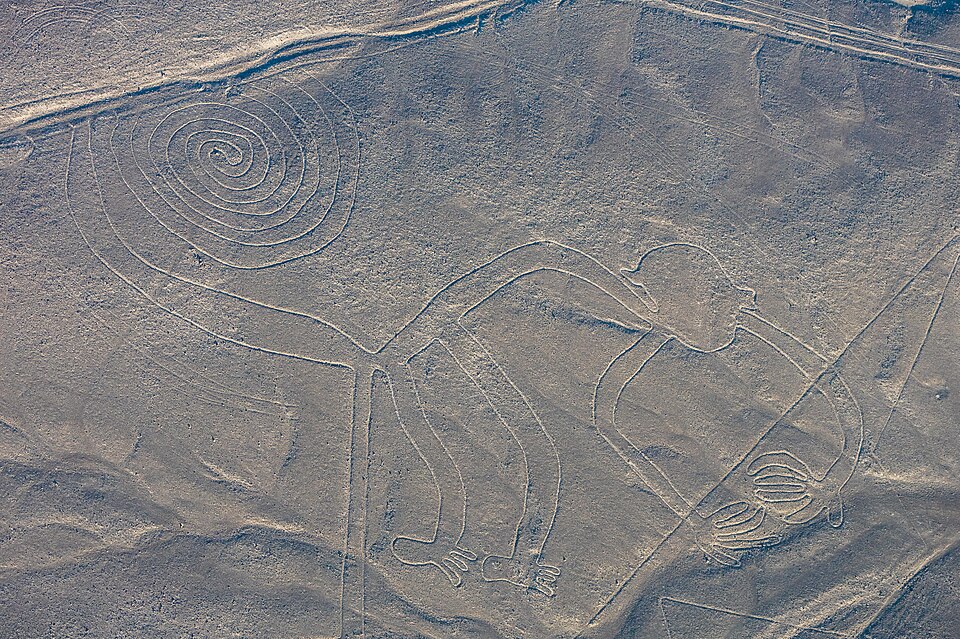
Nazca Lines: Art Meant Only for the Sky
For centuries, farmers and shepherds walked across giant drawings without ever knowing they existed. Only from the air did the desert reveal its secret.
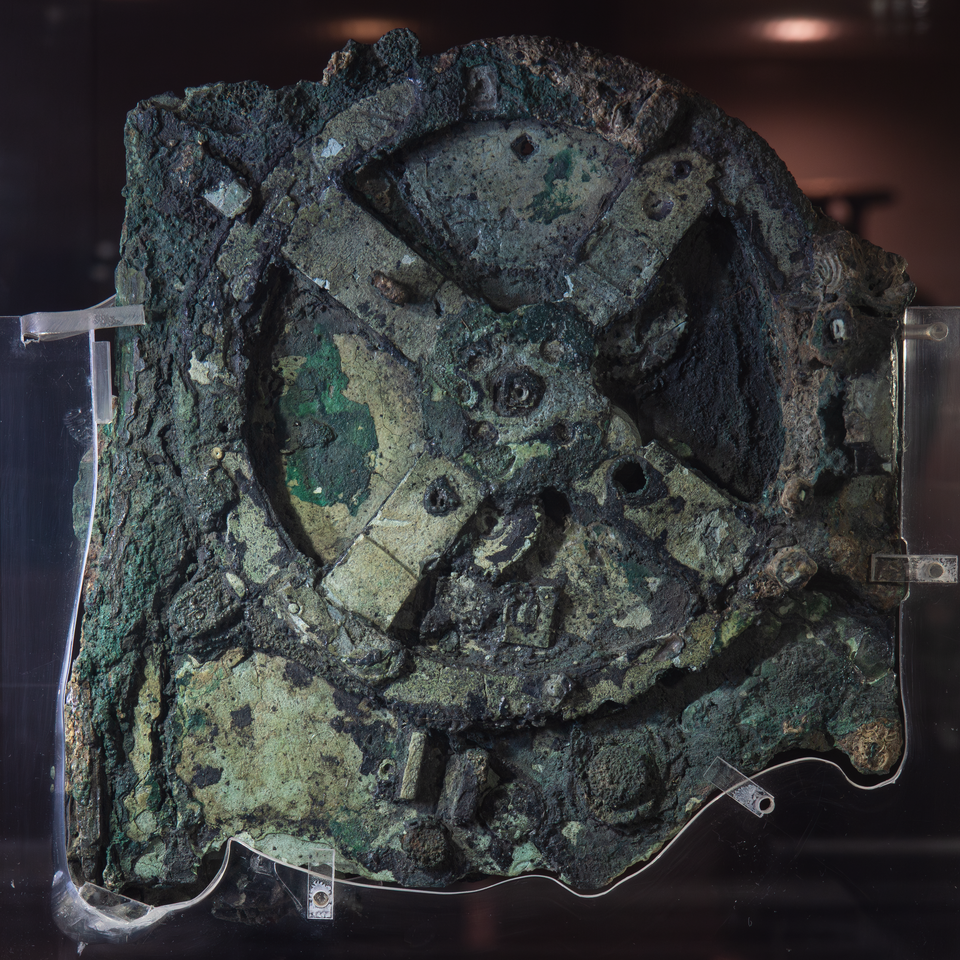
The Corroded Box That Held the Cosmos
Sponge divers pulled a lump of green-crusted bronze from a Roman shipwreck — no one guessed it was a machine that could predict eclipses decades in advance.
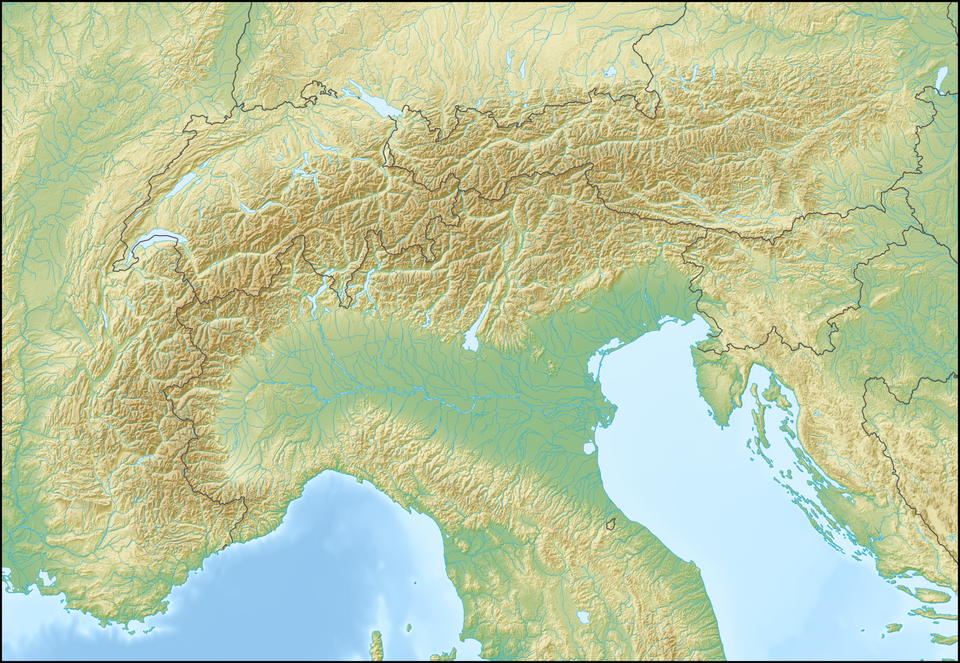
Ötzi: The Man Who Fell Into Time
Two hikers thought they had stumbled on a dead mountaineer. They had actually found a murder victim who died more than 5,000 years ago.
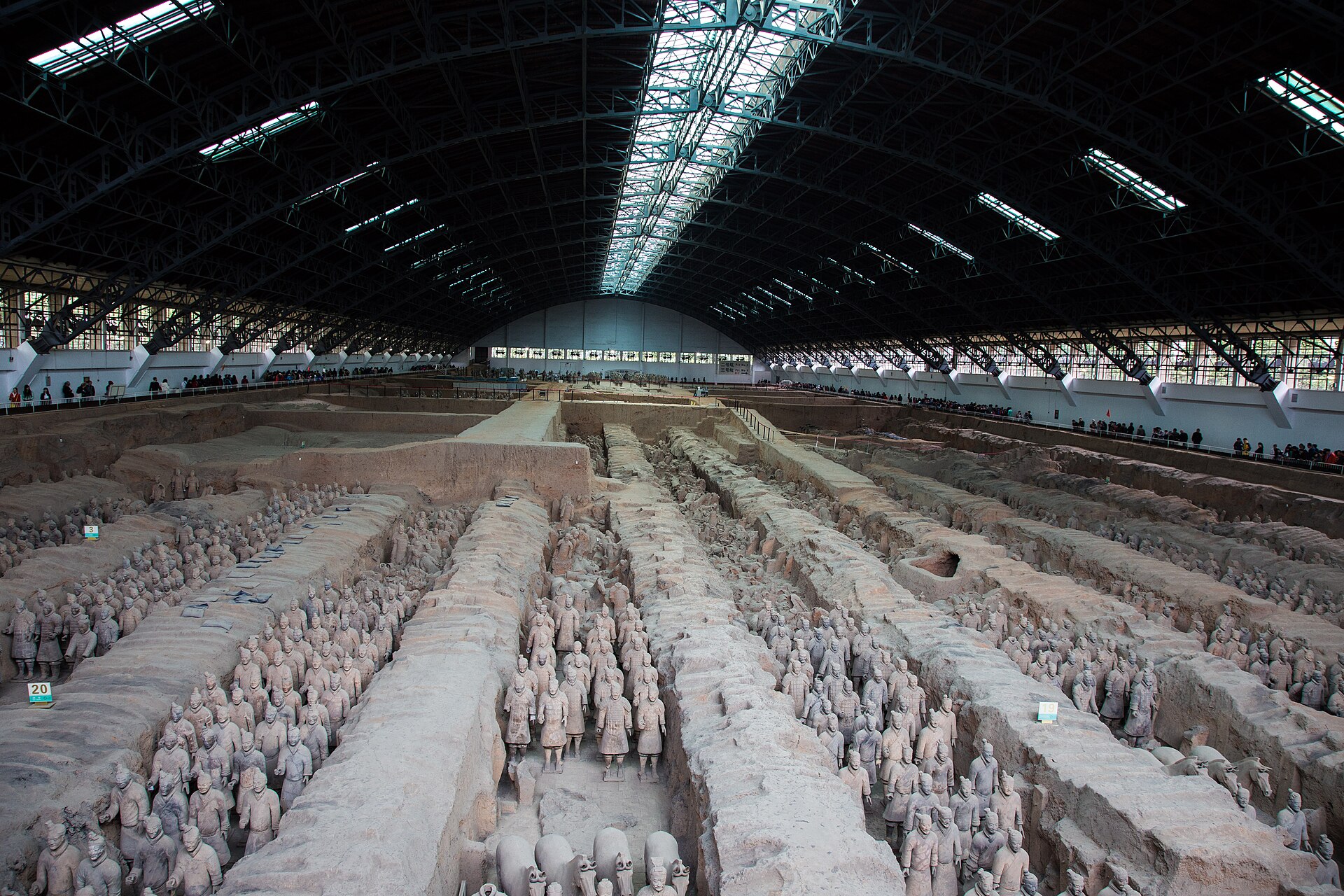
The Emperor's Buried Army
Digging a well in 1974, farmers struck something no shovel had touched in over two thousand years — the silent face of an ancient soldier.
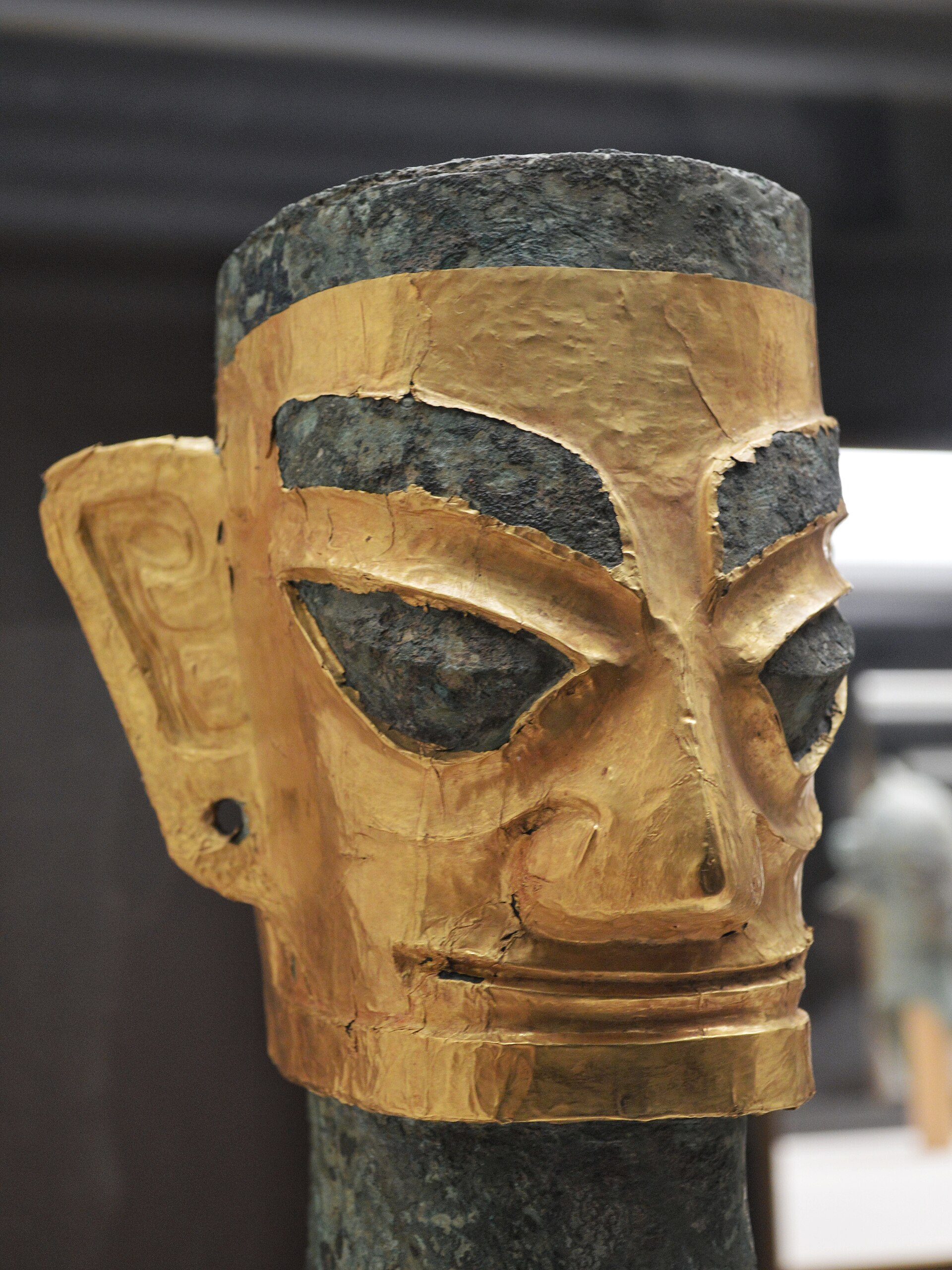
The Bronze Faces Buried in Sichuan
In 1986, workers digging in a Sichuan field struck something that shouldn't have existed: gold masks and bronze faces with eyes bulging out on stalks, buried and burned in pits no one had ever recorded. What civilization made them — and why did they smash their own treasures and bury the pieces?
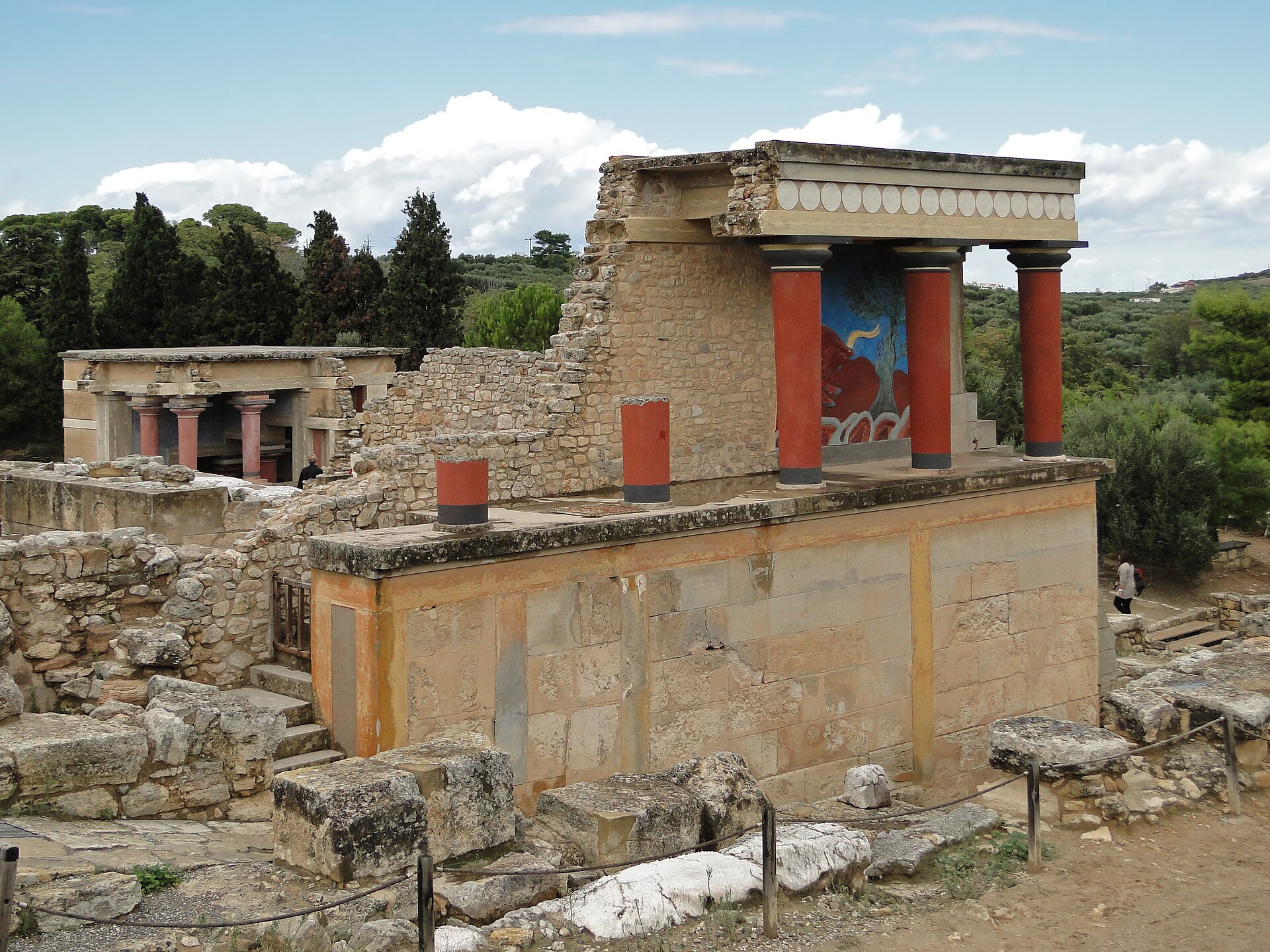
Knossos: The Palace That Became a Labyrinth
Beneath a hill on Crete lies nearly nine thousand years of continuous human life — and at its heart, a palace so vast and winding the Greeks turned it into myth.
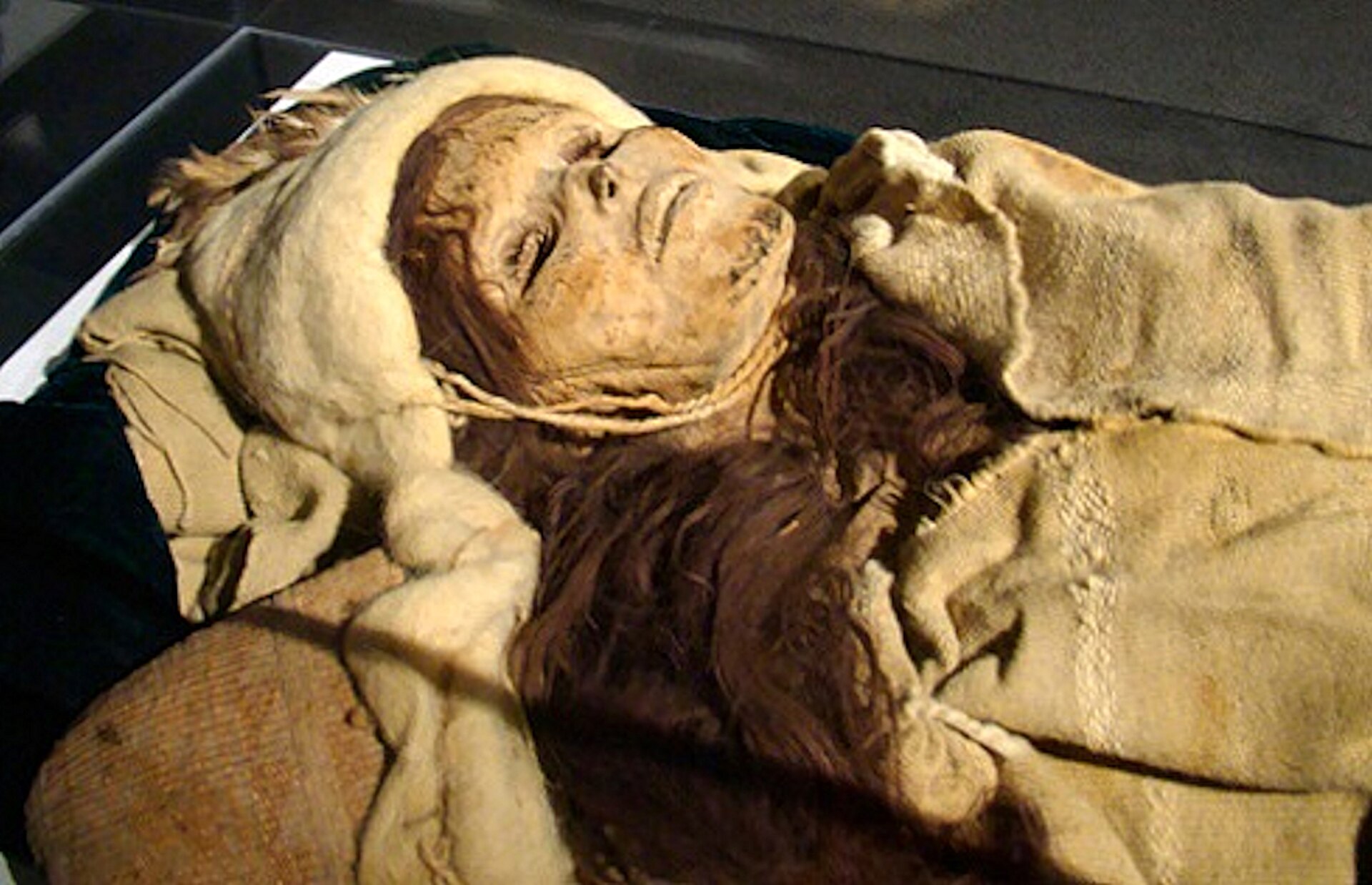
The Faces the Desert Kept: Secrets of the Tarim Mummies
In a desert that swallows rivers whole, a red-haired man in tartan leggings has waited three thousand years to tell his story — but his DNA speaks a language no one expected.
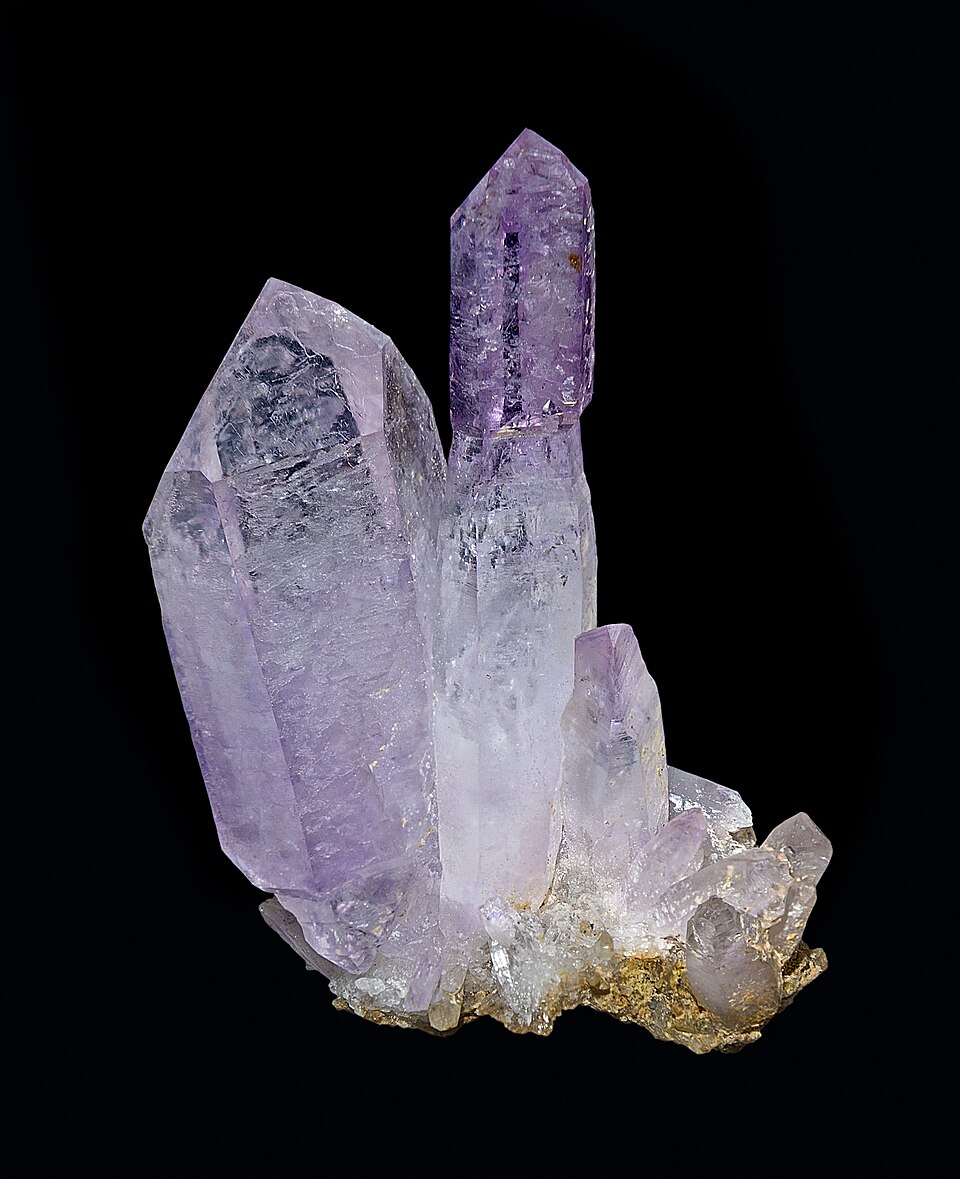
Gold in the Furrow: The Staffordshire Hoard
A man with a metal detector swept a freshly ploughed field near Lichfield and, within hours, uncovered the largest hoard of Anglo-Saxon gold ever found. What came out of the earth would rewrite what historians thought they knew about a lost kingdom.
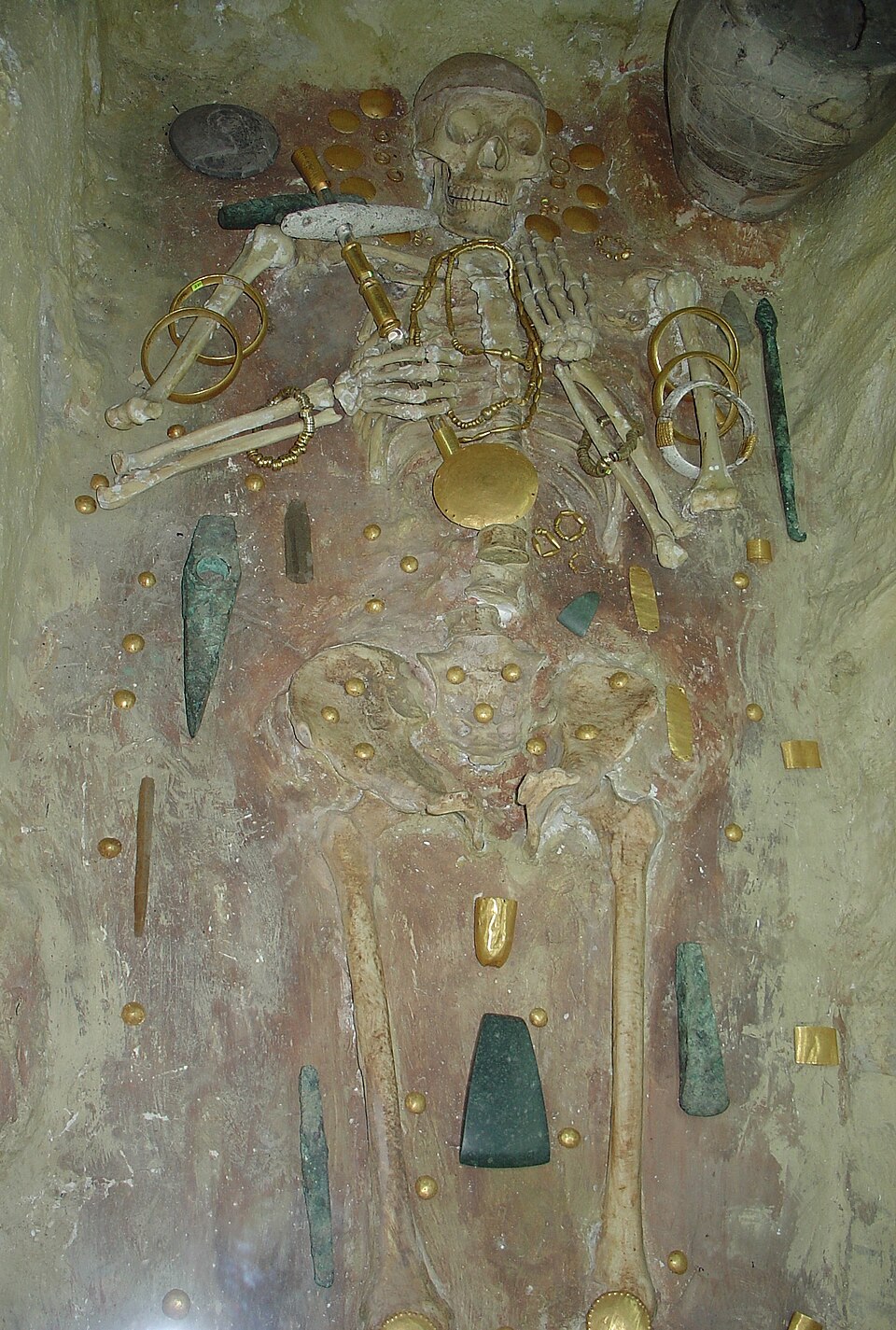
The Grave That Rewrote the Bronze Age
In October 1972, an excavator operator digging in an industrial zone near Varna struck something that would rewrite the timeline of human civilization: gold older than Egypt's pyramids, older than Mesopotamia's ziggurats.
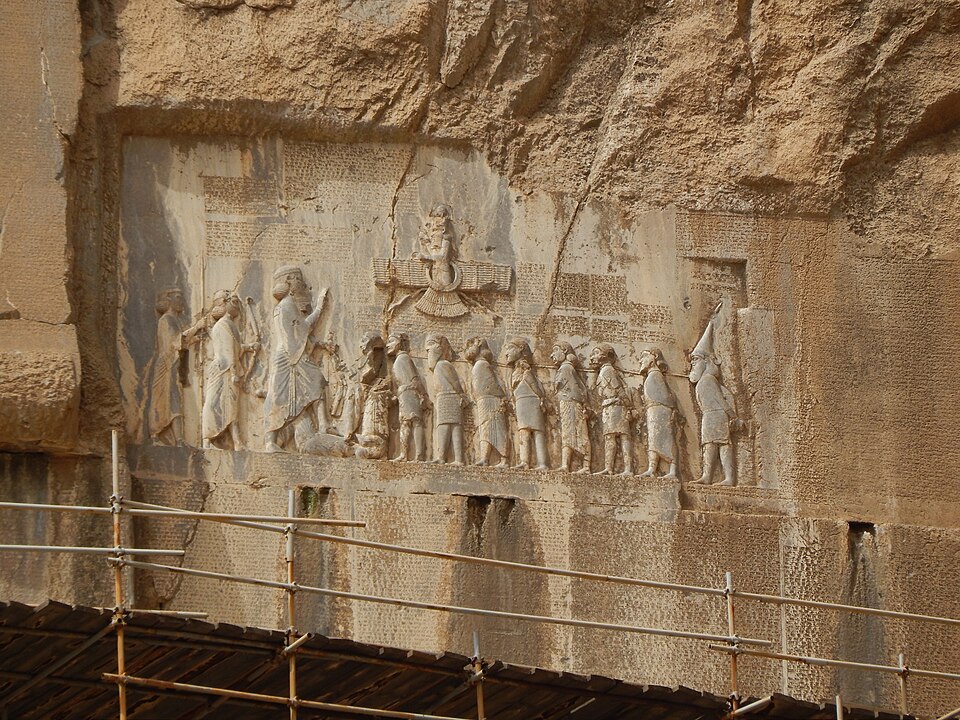
The Cliff That Taught the World to Read Cuneiform
High on a limestone cliff in western Iran, a Persian king carved his own victory story in three languages — and for two thousand years, no one could read a word of it.
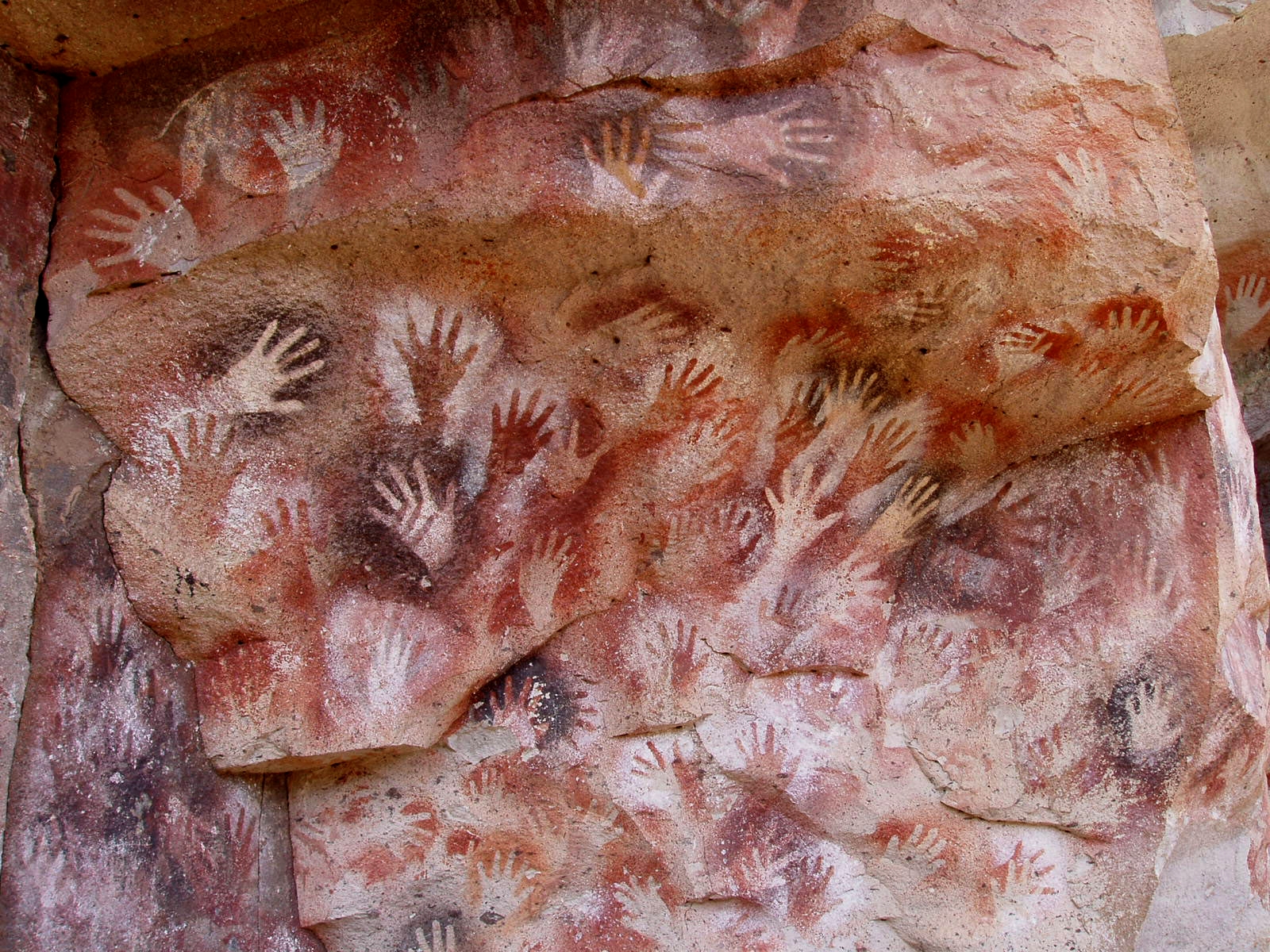
The Wall of a Thousand Hands
For nearly eight thousand years, hunters kept returning to the same rock wall in Patagonia to leave the same mark: the outline of a hand. No one knows exactly why.
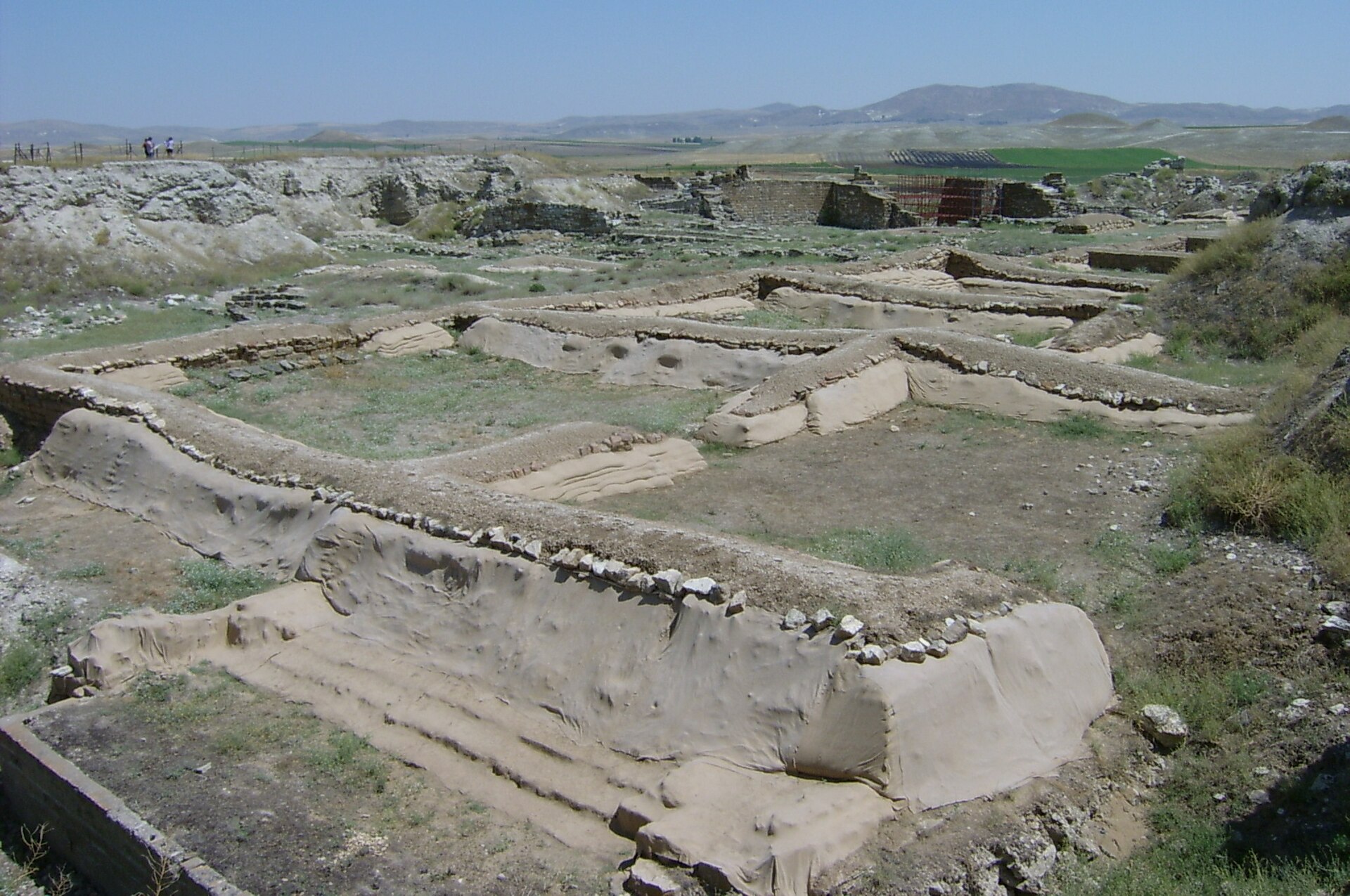
Gordion: The King's Tomb Beneath Midas Mound
Beneath a earthen mound outside Ankara lies a wooden chamber untouched for nearly three thousand years — and a name that still echoes through legend: Midas.
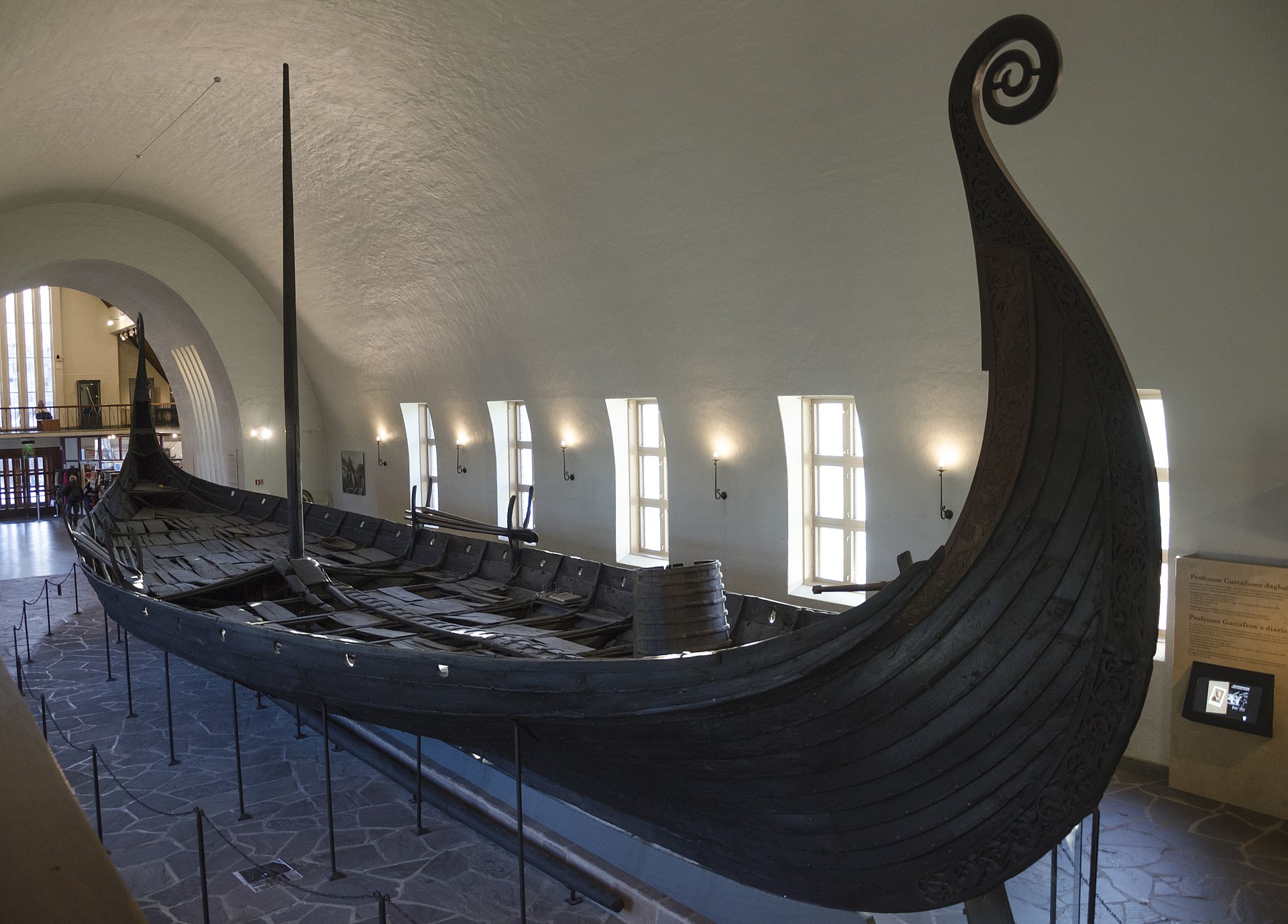
The Oseberg Ship: A Viking Queen's Grave
In 1904, diggers in a Norwegian field struck oak — and pulled a Viking ship, two women's skeletons, and a lost world out of the earth.
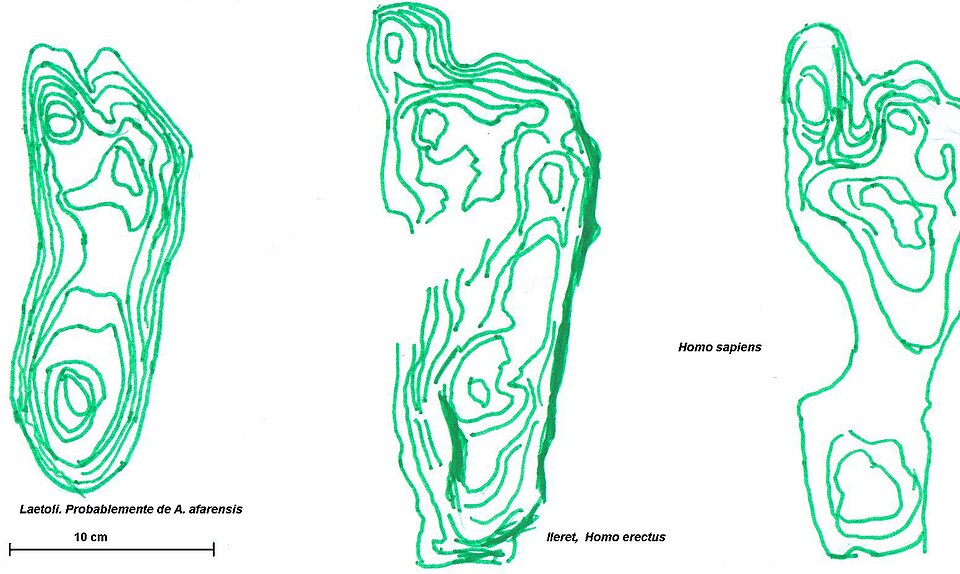
The Footprints in the Ash: Laetoli's 3.7-Million-Year Walk
Frozen mid-stride in volcanic ash for millions of years, a set of footprints would one day rewrite the story of how humans learned to walk.
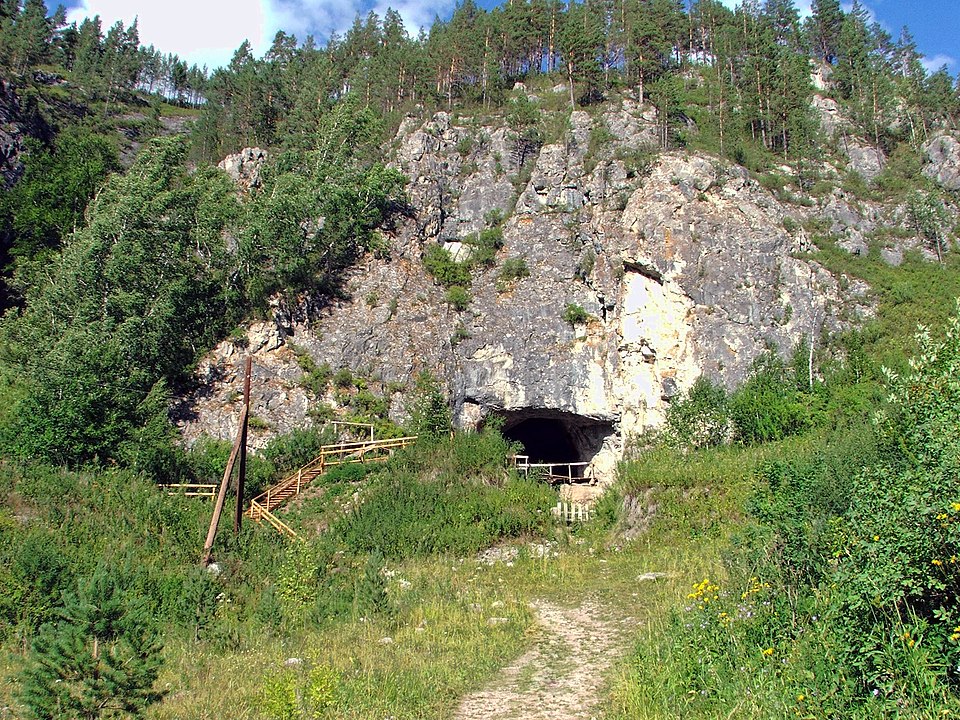
The Cave That Held Three Kinds of Human
A single pinky bone, no bigger than a pebble, and its mitochondrial DNA forced scientists to rewrite the human family tree.
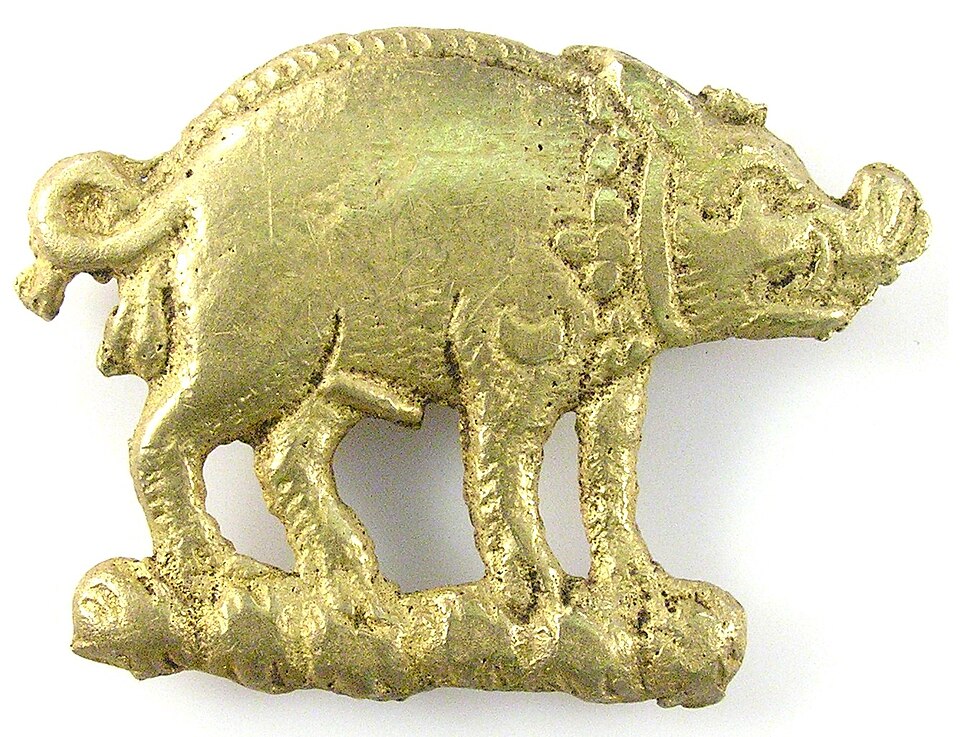
Richard III: The King Beneath the Car Park
He died on a muddy field, was buried without ceremony, and vanished for over five centuries — only to be found under a parking lot.
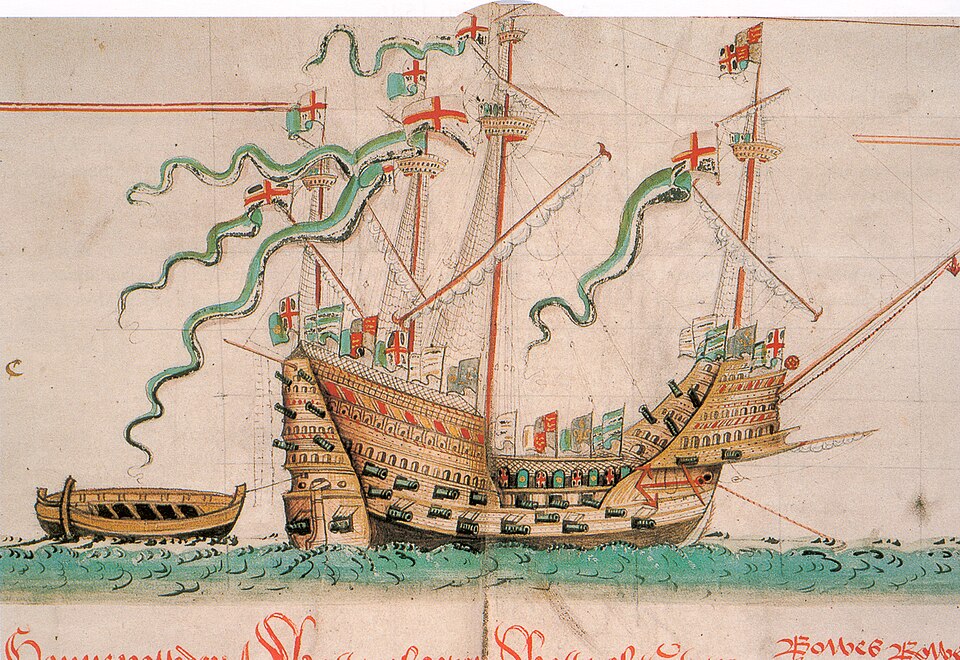
The Mary Rose: A Tudor Warship's Long Voyage Home
She sank in minutes before her king's eyes — and rose again 437 years later, carrying a sealed world of Tudor life inside her timbers.
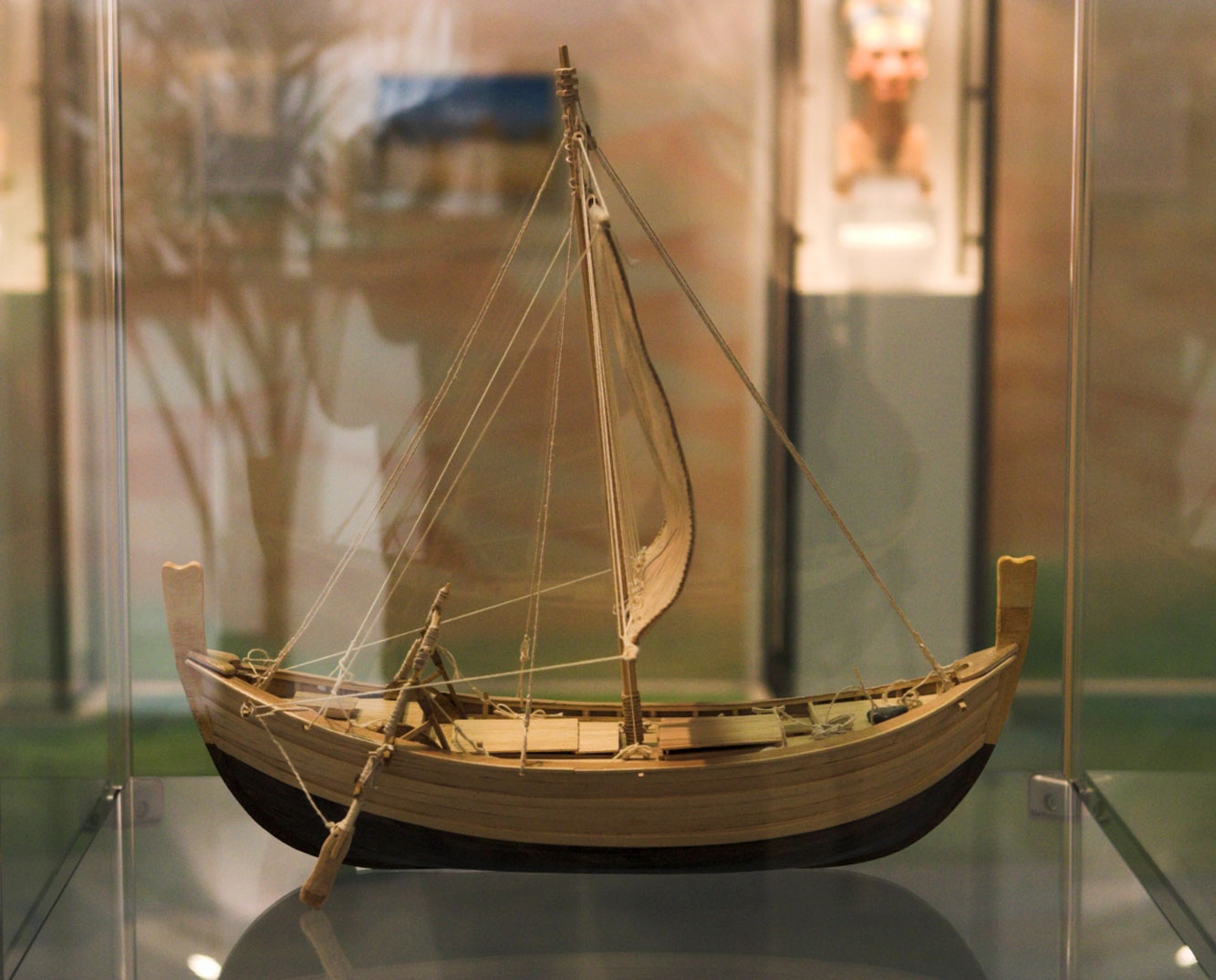
The Ship That Carried the Bronze Age
A sponge diver's sketch of strange metal biscuits with ears would uncover the richest cargo the ancient Mediterranean ever lost to the sea.
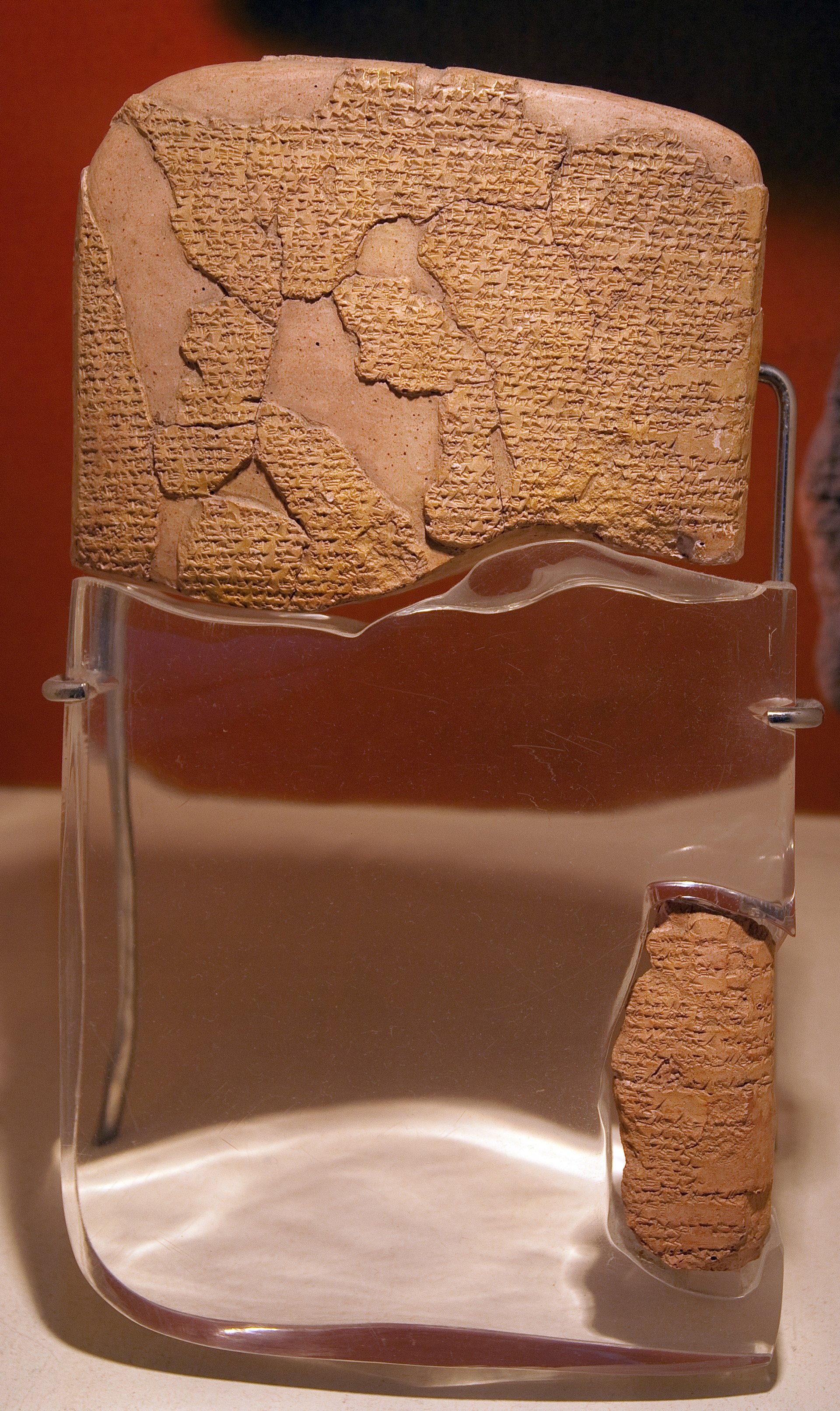
The Peace That Outlasted the War
Two empires fought for a century over a stretch of Syrian land — and then made peace in a treaty so old, and so remarkable, that a copy of it now hangs on the wall of the United Nations.
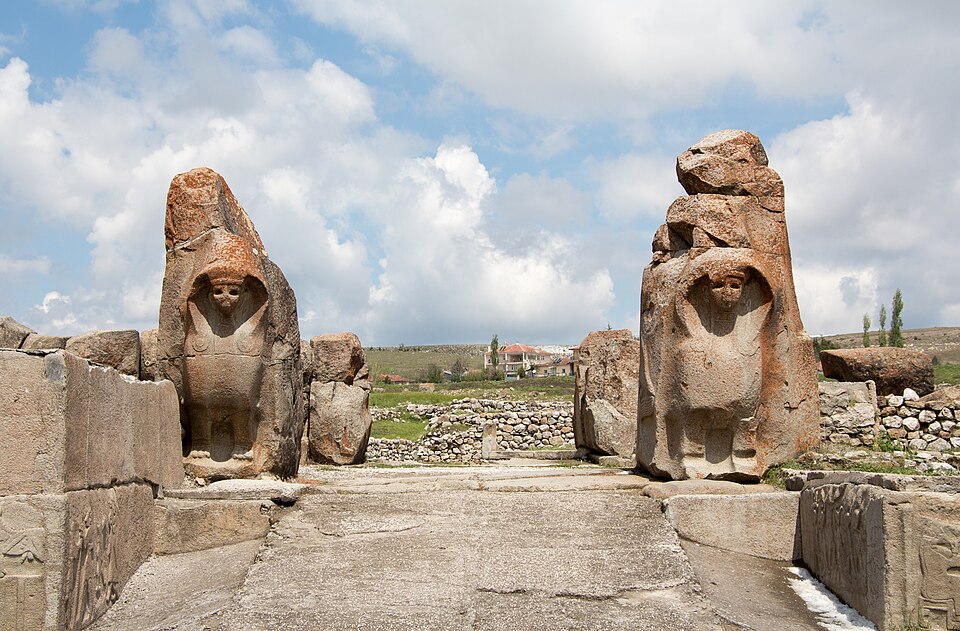
Alacahöyük: The Sun Discs of the Hittite Kings
In shaft graves barely deeper than a modern basement, archaeologists found gold sun discs, bronze stags, and a dagger forged from a fallen star. Who were the people buried with the heavens themselves?
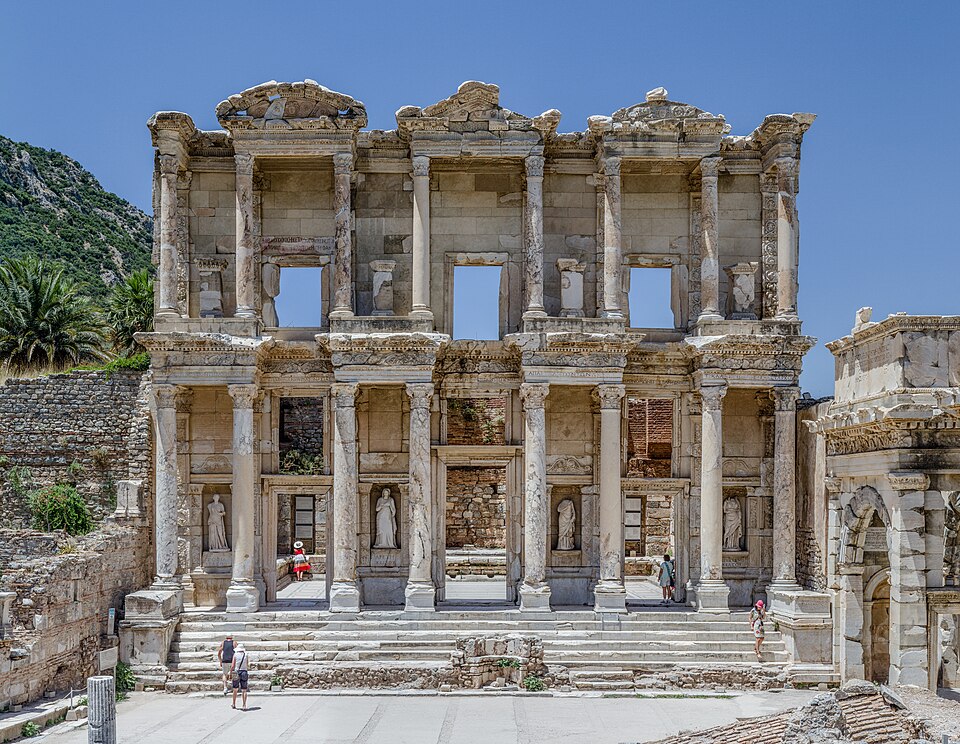
Ephesus: The City the Sea Left Behind
A fish, a wild boar, and a exiled prince — that is how legend says one of the ancient world's greatest cities was born. Its ruins still stand, though the sea that made it rich vanished centuries ago.
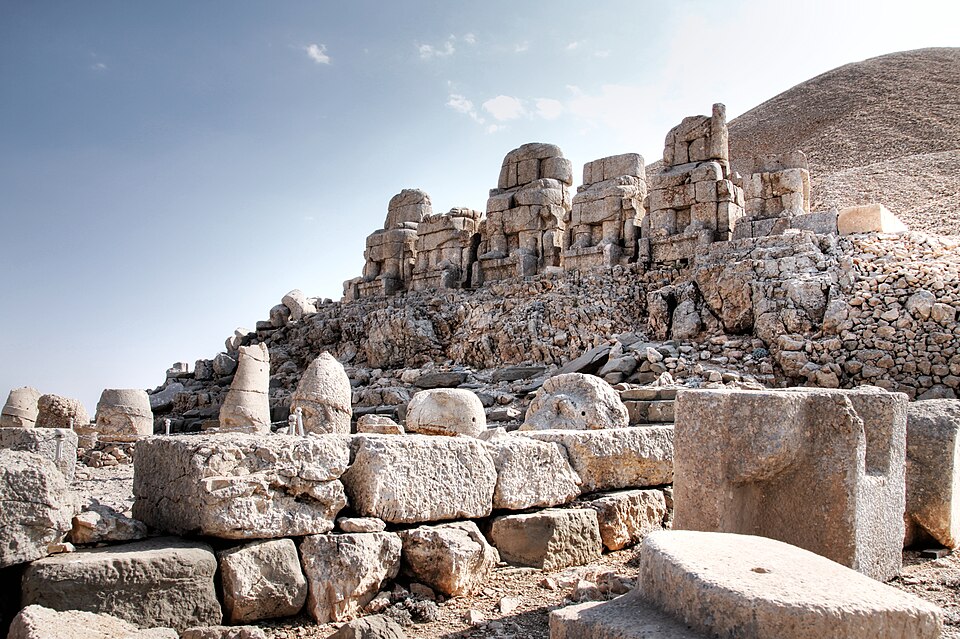
The Mountain of Severed Gods
On a windswept summit in southeastern Turkey, giant stone heads lie scattered in the grass — their bodies still seated nearby, waiting for faces that iconoclasts tore away two thousand years ago.
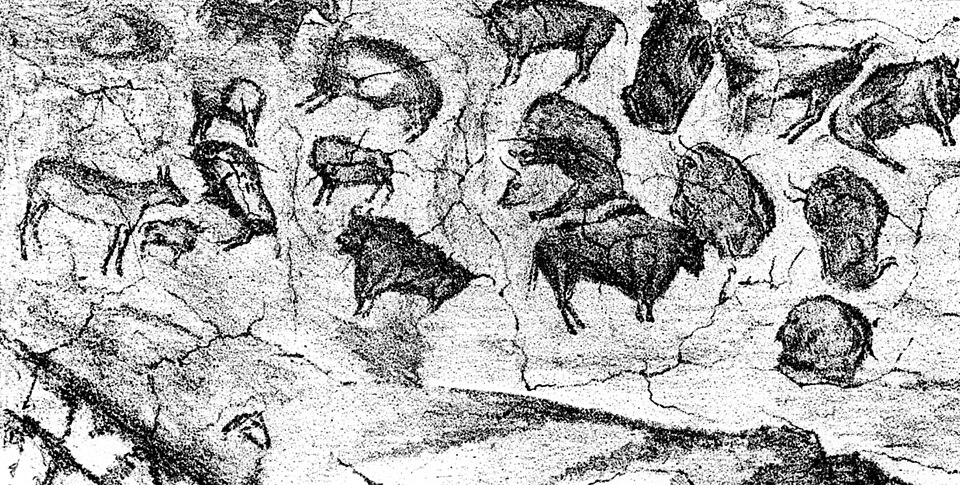
The Cave That a Little Girl Found
A fallen tree disturbed a pile of rocks near a Cantabrian hillside, and a tiler's sharp eye caught the opening beneath — but it took an eight-year-old girl's gaze to reveal what was painted above.
The Boy, the Dog, and the First Gallery
A dog's curious nose in 1940 led four teenagers into a hole in the ground — and into a 17,000-year-old world no living eye had seen.
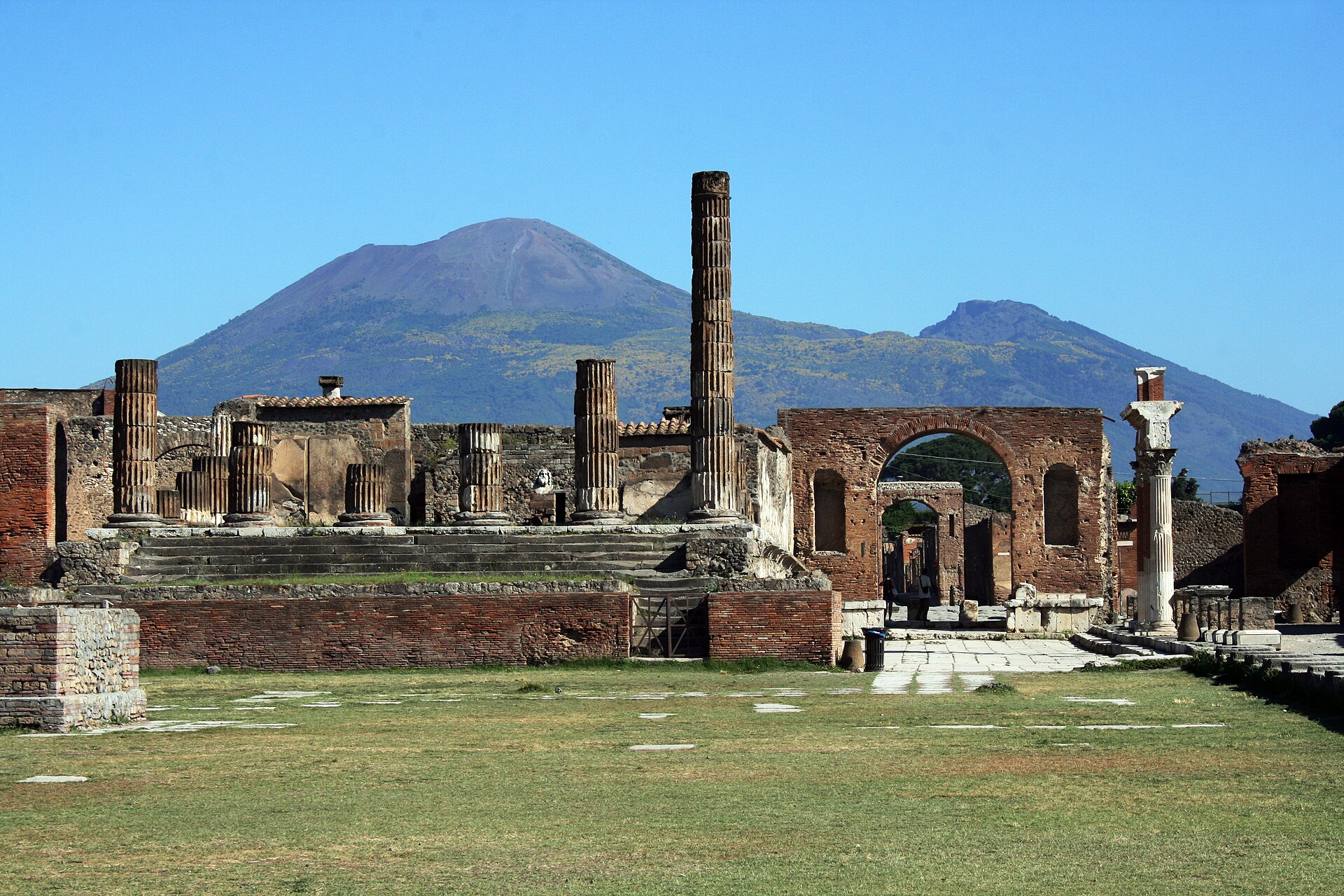
Pompeii: A City Frozen in Ash
On an autumn afternoon in 79 AD, a market town near Naples was going about its business — until the mountain above it decided otherwise.
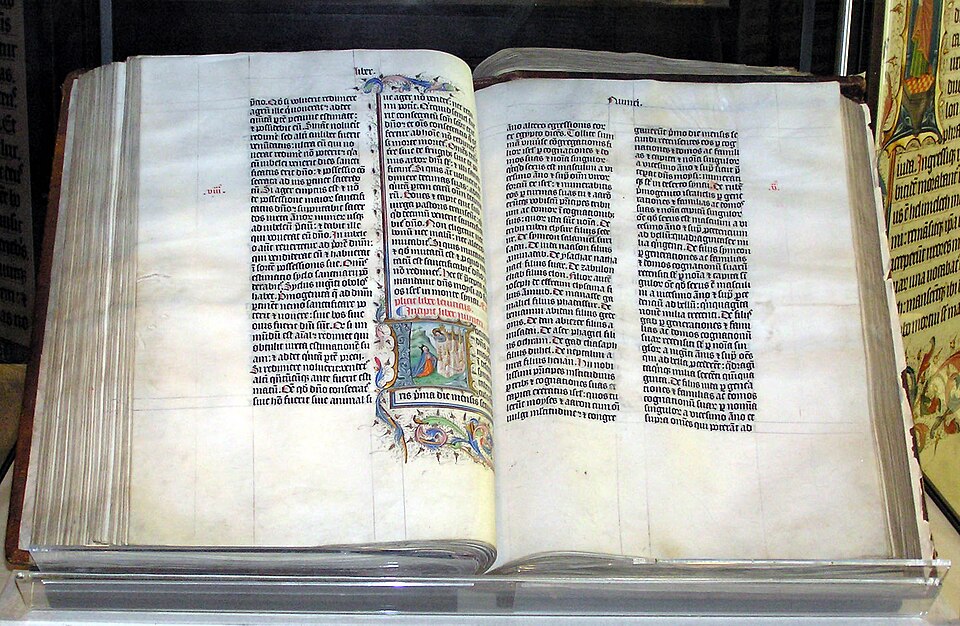
The Shepherd, the Jar, and the Library of the Wilderness
A thrown stone, the crack of shattering clay, and a goat that was never found — this is how the modern world stumbled into a library buried for nearly two thousand years.
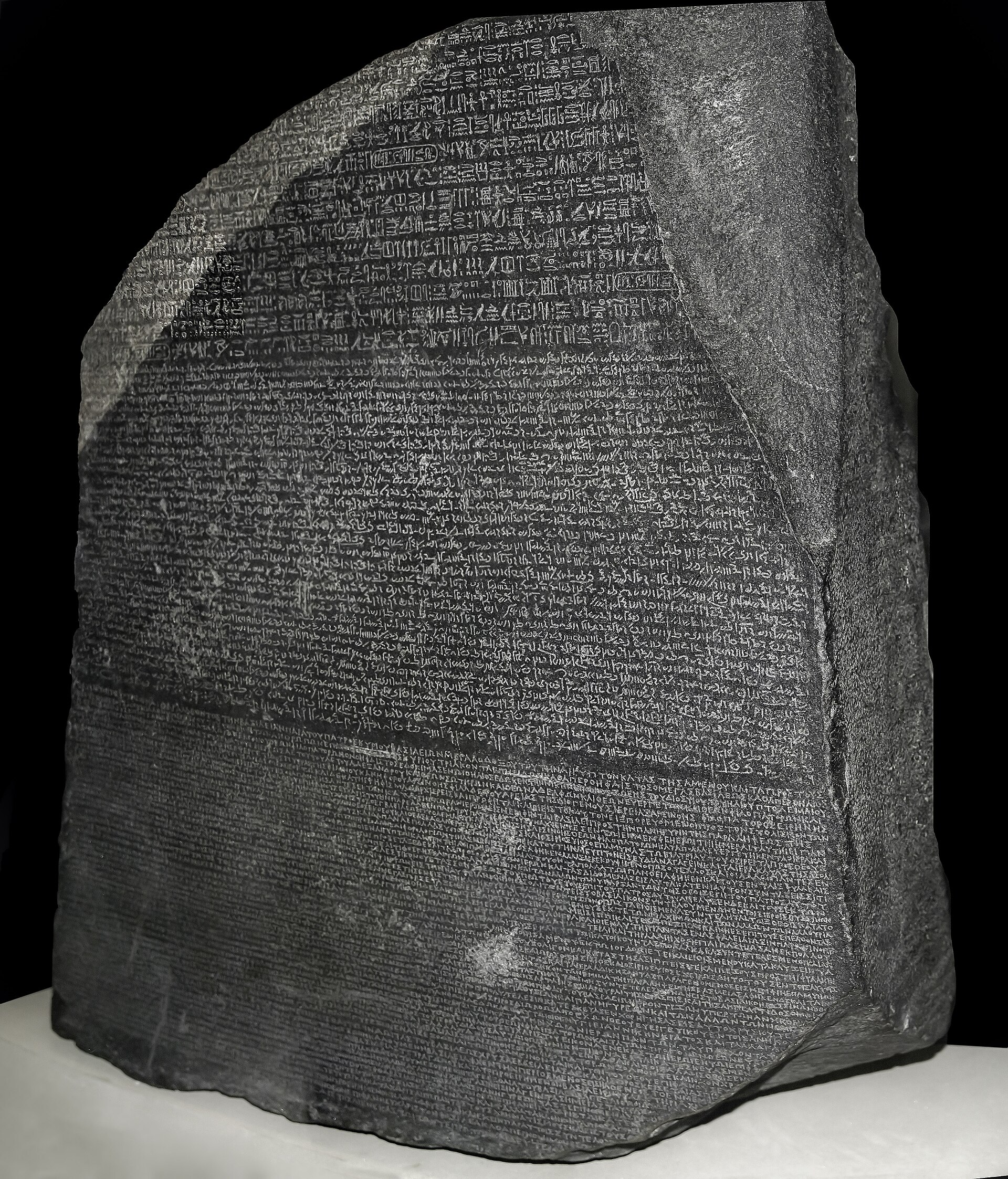
The Stone That Spoke Three Tongues
A slab of dark granodiorite lay buried under a fort's foundations for centuries — until a French soldier's shovel struck the key that would unlock four thousand years of silence.
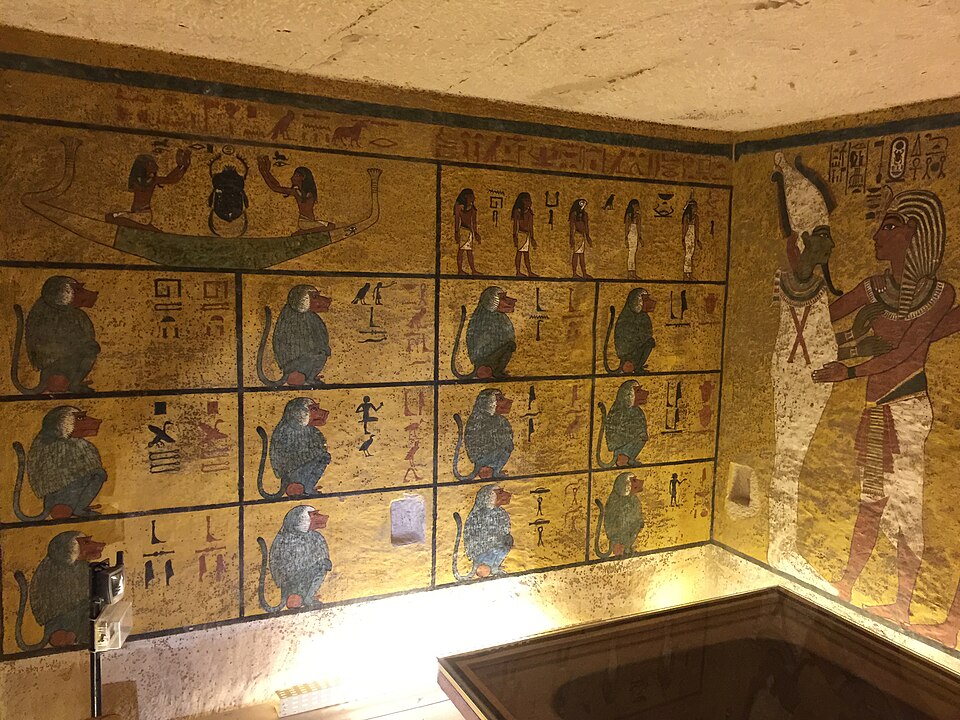
Tutankhamun's Tomb: Carter's 'Wonderful Things'
For over three thousand years a boy-king's tomb lay buried under flood silt and workmen's huts, waiting undisturbed for a candlelight and a single word: 'wonderful.'
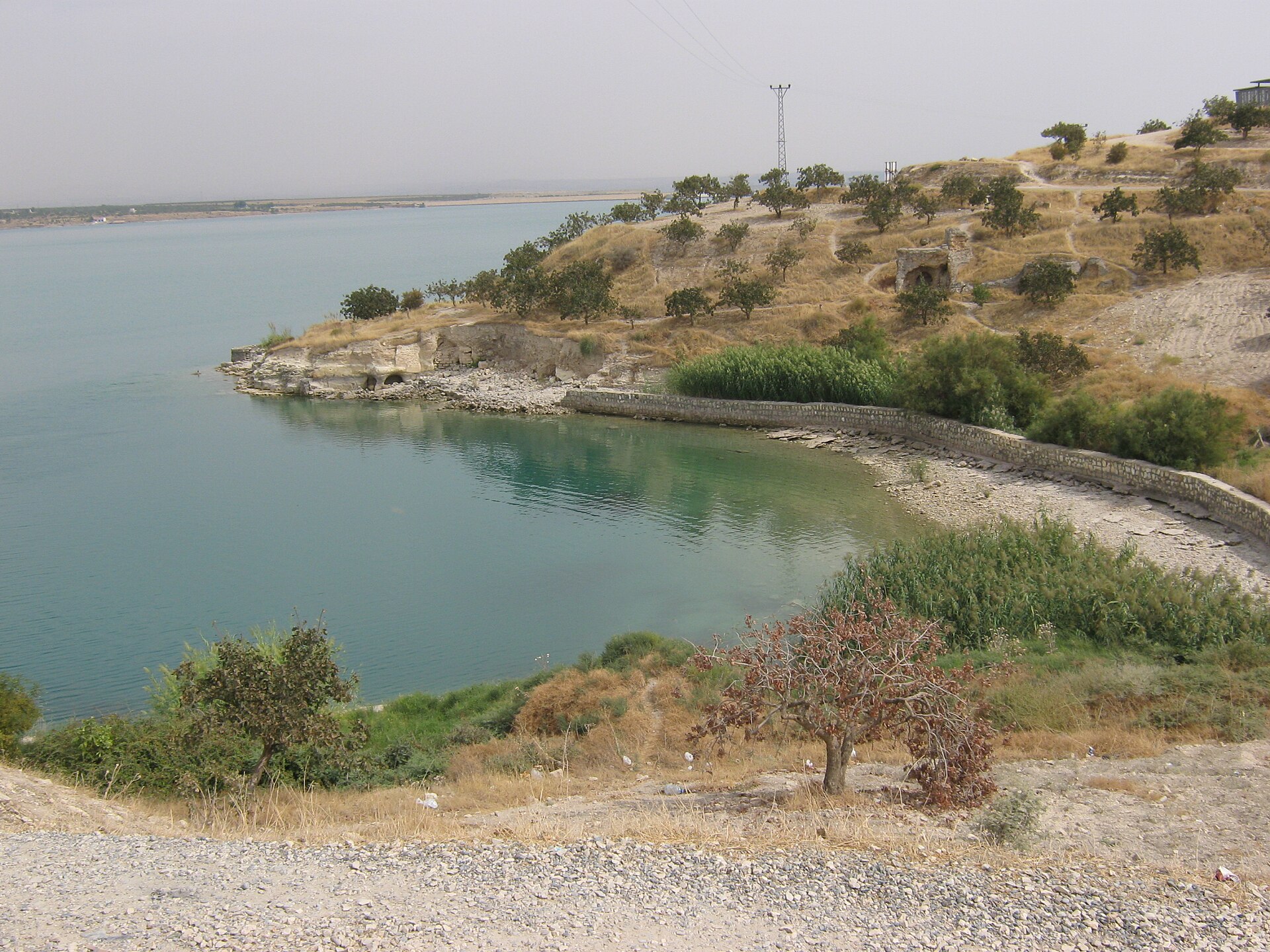
Zeugma: The Mosaics Rescued from the Rising Waters
A city built to guard a bridge over the Euphrates vanished for centuries — until a dam threatened to erase what was left of it, and a race against rising water began.
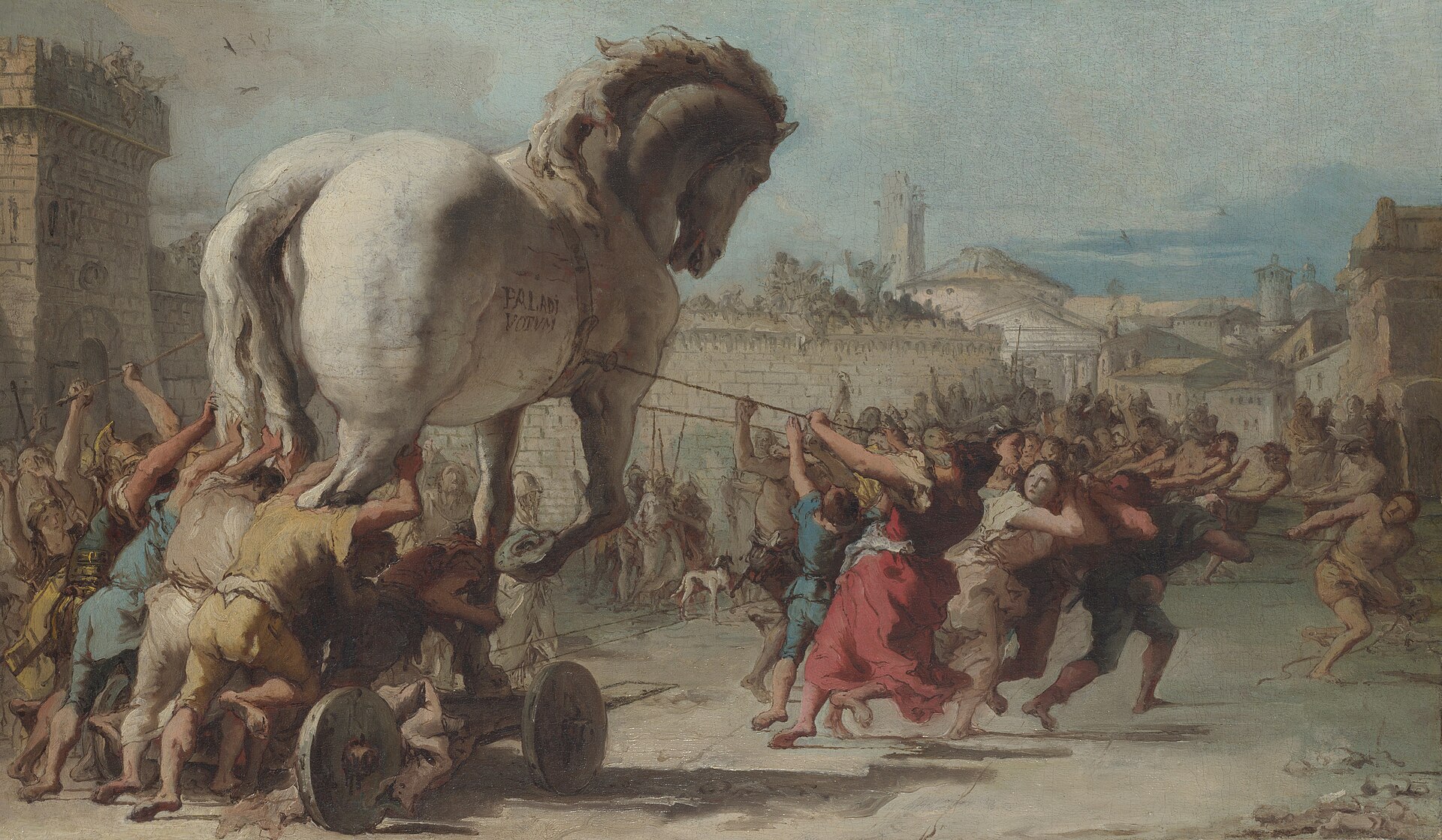
Digging for Troy: Schliemann's Obsession
For centuries scholars dismissed Troy as a poet's fantasy. Then a German businessman, guided by a forgotten archaeologist's hunch, put a shovel to a hill in Turkey and the myth began to bleed real dust.
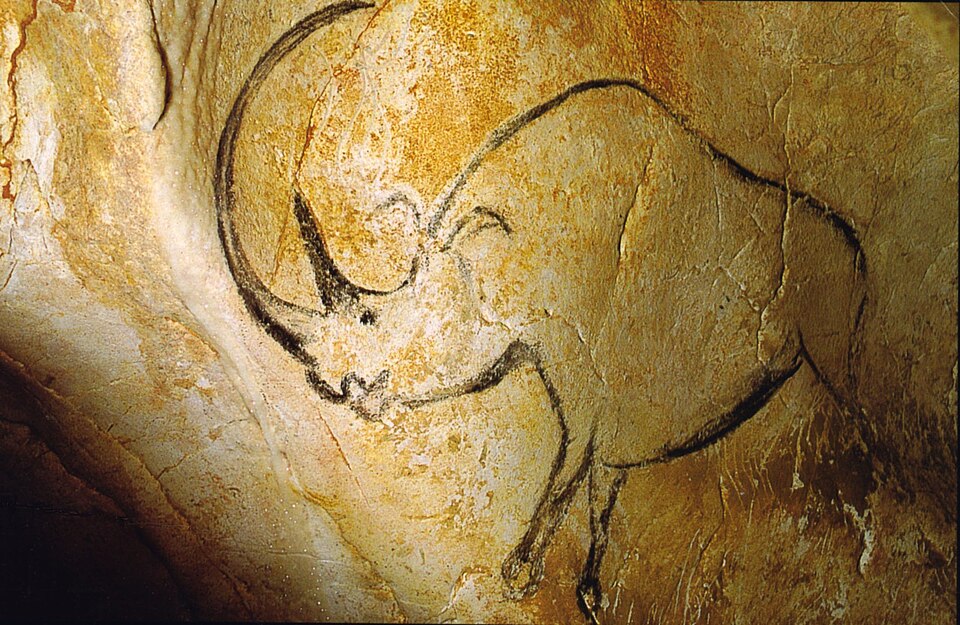
The Cave That Time Sealed Shut
A hole in a cliff, a rush of cold air, and three cavers with a flashlight stumbled into a gallery of lions no human had seen in over 20,000 years.
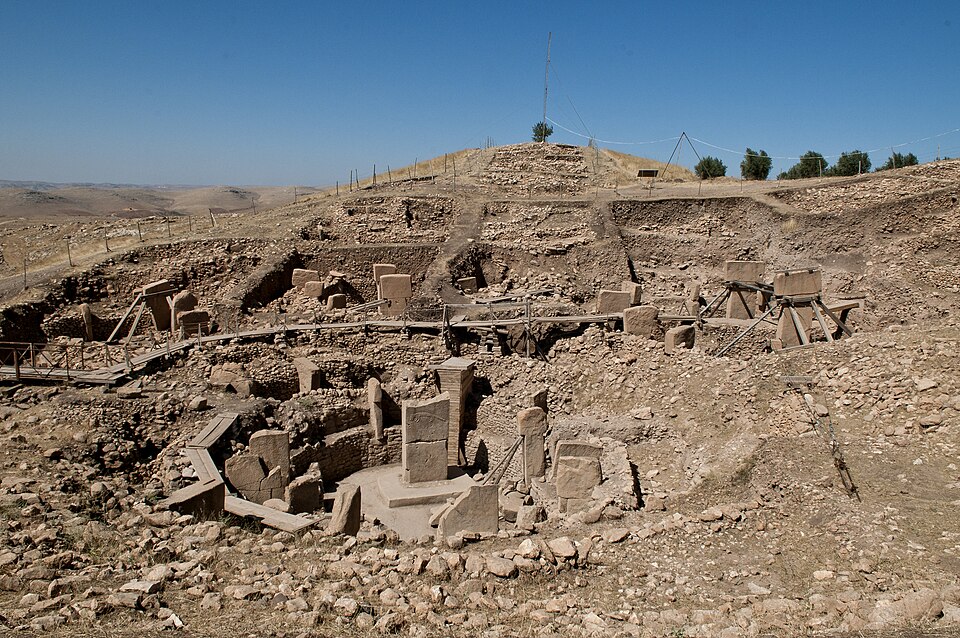
The Hill That Rewrote History
Long before the wheel, before pottery, before a single brick city, hunter-gatherers on a limestone ridge in southeastern Turkey raised carved stone pillars taller than a man. What they built there upends everything we thought we knew about civilization's beginnings.