Zeugma: The Mosaics Rescued from the Rising Waters
A city built to guard a bridge over the Euphrates vanished for centuries — until a dam threatened to erase what was left of it, and a race against rising water began.
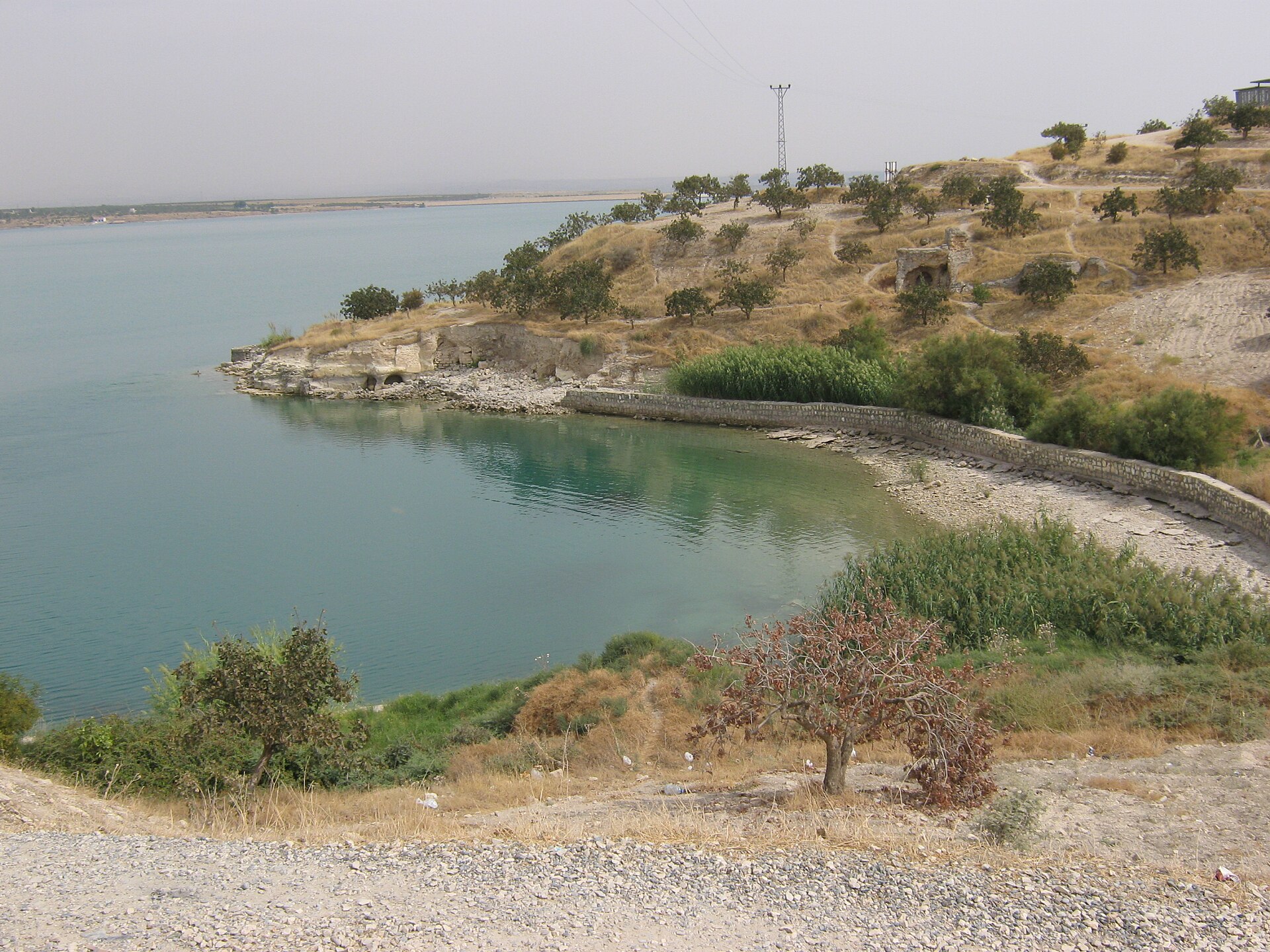
Zeugma was born as a bridge. Soon after 300 BC, Seleucus I Nicator, one of Alexander the Great's generals and founder of the Seleucid Kingdom, built the first crossing over the Euphrates at this spot and raised a city beside it. The name Zeugma itself comes from the Greek word for the bridge of boats that once tied its two banks together, a city defined from its very founding by the act of crossing.
For centuries Zeugma thrived on its location. In 64 BC the Roman Republic took control, and the city became one of the empire's most important eastern outposts — a military base and a commercial hub where, at its height, as many as 70,000 people lived. Its position on the Euphrates made it strategically vital to Rome, a frontier city where soldiers, traders, and administrators all converged.
That importance also made it a target. In 253 AD, the Sassanids destroyed Zeugma, though the city was later rebuilt. In late antiquity it served as a diocese of the early Roman church, but the raids continued — first Sassanid Persian incursions, then Arab campaigns under the Umayyad Caliphate — and by the 7th century, Zeugma was largely abandoned. Arabs settled there temporarily in the Middle Ages, and by the 17th century, the Ottoman Turkish village of Belkis had grown up near the ruins, with little memory left of the great city beneath it.
For a long time, Zeugma's remains were excavated only sporadically, a footnote of ancient history half-buried near a quiet village. Then, in 2000, everything changed: construction of the Birecik Dam threatened to flood the site entirely. With only a fraction of Zeugma excavated, archaeologists feared that its mosaics — remarkable works of Roman-era art — would be lost forever beneath the water.
The rescue came from an unexpected source. American philanthropist David W. Packard read about Zeugma's plight in The New York Times and, with only months before the flooding, donated USD 5 million to fund an emergency excavation. It was a race against the rising reservoir: archaeologists worked as fast as they could to lift mosaics from villa floors before the water closed over them for good.
More from Archaeology

The Bronze Disc That Rewrote the Sky
Two looters with a metal detector dug up something illegal, invisible in value, and older than Stonehenge's final stones — a map of the heavens buried for over three thousand years.

The Faceless Women of the Ice Age
Long before writing, before cities, before the wheel, someone carved a woman's body into stone and ivory — and left no name, no face, no explanation.

The Pebble That Might Be Human
A palm-sized stone found on a Moroccan riverbank may be humanity's oldest attempt to see itself — or simply a trick of erosion.

The Crown That Vanished: Deshret and the Red Land
A crown worn by kings for three thousand years has never once been found in a tomb — not one. So where did it go?

The Face That Traveled Between Empires
A farm worker's shovel struck stone in 1897 and unearthed a face so striking it would be sold to France, seized as war booty, and finally traded back for a Velázquez.

The Boy in the Dark Tunnel
A schoolboy fell into black water inside an ancient tunnel and surfaced with his fingers brushing letters no one had noticed for 2,600 years.