The Cave That Time Sealed Shut
A hole in a cliff, a rush of cold air, and three cavers with a flashlight stumbled into a gallery of lions no human had seen in over 20,000 years.
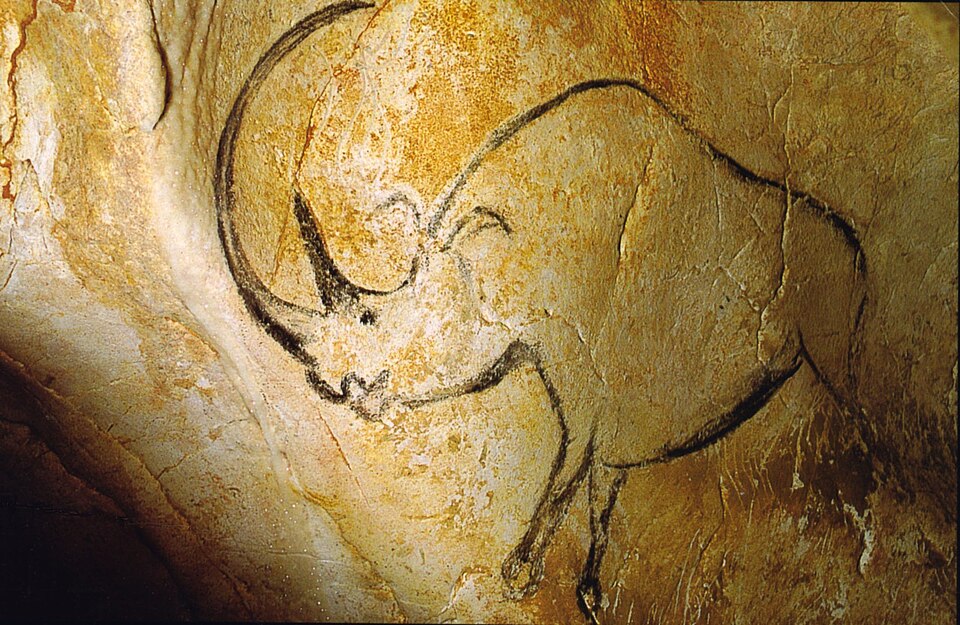
On December 18, 1994, three speleologists — Eliette Brunel-Deschamps, Christian Hillaire, and Jean-Marie Chauvet — followed a narrow opening called 'Le Trou de Baba', discovered earlier by Michel Rosa, into the limestone cliffs above the old bed of the Ardèche River in southeastern France. What they found inside would rewrite assumptions about how old human art could be.
The cave, later named Chauvet-Pont-d'Arc after one of its discoverers, sits in the Gorges de l'Ardèche near the commune of Vallon-Pont-d'Arc. As the group pushed deeper, another member, Michel Chabaud, along with two others, ventured further still and found the Gallery of the Lions and the End Chamber — rooms covered in painted animals that had waited in darkness since the Ice Age.
Radiocarbon analysis eventually revealed the cave had been visited by humans in two distinct periods. A 2016 study using 88 radiocarbon dates found occupation between 37,000 and 33,500 years ago, and again between 31,000 and 28,000 years ago, with most of the black drawings belonging to the earlier phase. A 2012 study had placed the art within the Aurignacian period, roughly 32,000 to 30,000 years ago. One sample, taken from a zone labeled 'zone 10', dated to 32,900 ± 490 years before present — among the oldest directly dated cave art known.
What makes Chauvet remarkable isn't only its age but its subjects. Unlike most Paleolithic art, dominated by horses, aurochs, and mammoths, Chauvet's walls are crowded with predators: cave lions, leopards, bears, cave hyenas, and rhinoceroses. Hundreds of paintings depict at least 13 species, some rarely seen in ice age art elsewhere.
The artists worked with unusual sophistication. Many surfaces were scraped clean of debris before painting, creating a lighter canvas. Outlines were incised to suggest three-dimensionality and movement. One panel shows two woolly rhinoceroses locking horns, an animal 'scene' rare in cave art of this age. Elsewhere, red ochre hand stencils were made by blowing pigment over hands pressed to the rock — and abstract lines and dots recur throughout the cave, alongside two partial 'Venus' figures, one paired with a bison head in what some call a Minotaur-like composite image.
More from Archaeology

The Bronze Disc That Rewrote the Sky
Two looters with a metal detector dug up something illegal, invisible in value, and older than Stonehenge's final stones — a map of the heavens buried for over three thousand years.

The Faceless Women of the Ice Age
Long before writing, before cities, before the wheel, someone carved a woman's body into stone and ivory — and left no name, no face, no explanation.

The Pebble That Might Be Human
A palm-sized stone found on a Moroccan riverbank may be humanity's oldest attempt to see itself — or simply a trick of erosion.

The Crown That Vanished: Deshret and the Red Land
A crown worn by kings for three thousand years has never once been found in a tomb — not one. So where did it go?

The Face That Traveled Between Empires
A farm worker's shovel struck stone in 1897 and unearthed a face so striking it would be sold to France, seized as war booty, and finally traded back for a Velázquez.

The Boy in the Dark Tunnel
A schoolboy fell into black water inside an ancient tunnel and surfaced with his fingers brushing letters no one had noticed for 2,600 years.