The Boy, the Dog, and the First Gallery
A dog's curious nose in 1940 led four teenagers into a hole in the ground — and into a 17,000-year-old world no living eye had seen.
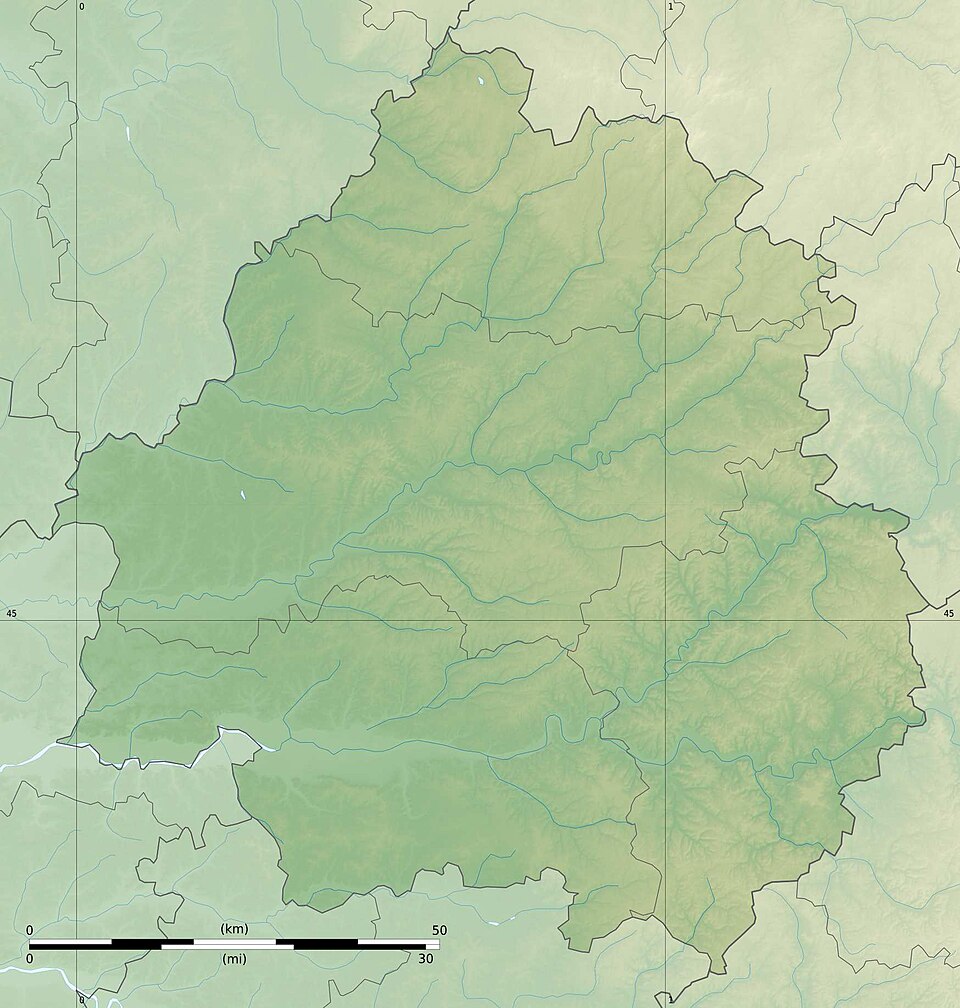
On 12 September 1940, near the village of Montignac in southwestern France, an 18-year-old named Marcel Ravidat was out walking when his dog began investigating a hole left by an uprooted tree. Curiosity got the better of him. He returned to the spot with three friends — Jacques Marsal, Georges Agnel, and Simon Coencas — and together they descended a shaft roughly 15 metres deep, believing they might be entering a legendary secret passage to the nearby Lascaux Manor.
What they found instead was staggering: cave walls covered in depictions of animals, painted in reds, yellows, and blacks. The teenagers had stumbled into what would become known as one of the greatest troves of prehistoric art ever discovered. They gave names to the different chambers as they explored — the Hall of the Bulls, the Passageway, the Shaft, the Nave, the Apse, and the Chamber of Felines — names that are still used today.
Word spread quickly. On 21 September 1940, the boys returned with Abbé Henri Breuil, a scholar who would spend hours sketching the walls. Those sketches later proved invaluable, since many of the original paintings would degrade over time. Breuil was joined by Denis Peyrony, curator of the National Museum of Prehistory at Les Eyzies, along with Jean Bouyssonie and Dr Cheynier — a small team beginning to grasp the scale of what had been found.
The cave contains nearly 6,000 figures in total, grouped into animals, human figures, and abstract signs. Notably absent is any depiction of landscape or vegetation — the artists focused entirely on the animals that shared their world, rendered with a complex mixture of mineral pigments including iron oxide, charcoal, and ochre. Debate continues over exact dating, but the paintings are usually estimated at 17,000 to 22,000 years old, belonging to the early Magdalenian period.
Lascaux opened to the public on 14 July 1948, and for years visitors marveled at the ancient gallery in person. But that access came at a cost. By 1955, the carbon dioxide, heat, and humidity generated by as many as 1,200 visitors a day had visibly damaged the paintings, and fungi and lichen began creeping across the walls. In 1963 the cave was closed to the public entirely, the paintings were restored, and a strict daily monitoring system was put in place.
More from Archaeology

The Bronze Disc That Rewrote the Sky
Two looters with a metal detector dug up something illegal, invisible in value, and older than Stonehenge's final stones — a map of the heavens buried for over three thousand years.

The Faceless Women of the Ice Age
Long before writing, before cities, before the wheel, someone carved a woman's body into stone and ivory — and left no name, no face, no explanation.

The Pebble That Might Be Human
A palm-sized stone found on a Moroccan riverbank may be humanity's oldest attempt to see itself — or simply a trick of erosion.

The Crown That Vanished: Deshret and the Red Land
A crown worn by kings for three thousand years has never once been found in a tomb — not one. So where did it go?

The Face That Traveled Between Empires
A farm worker's shovel struck stone in 1897 and unearthed a face so striking it would be sold to France, seized as war booty, and finally traded back for a Velázquez.

The Boy in the Dark Tunnel
A schoolboy fell into black water inside an ancient tunnel and surfaced with his fingers brushing letters no one had noticed for 2,600 years.