The Ship That Carried the Bronze Age
A sponge diver's sketch of strange metal biscuits with ears would uncover the richest cargo the ancient Mediterranean ever lost to the sea.
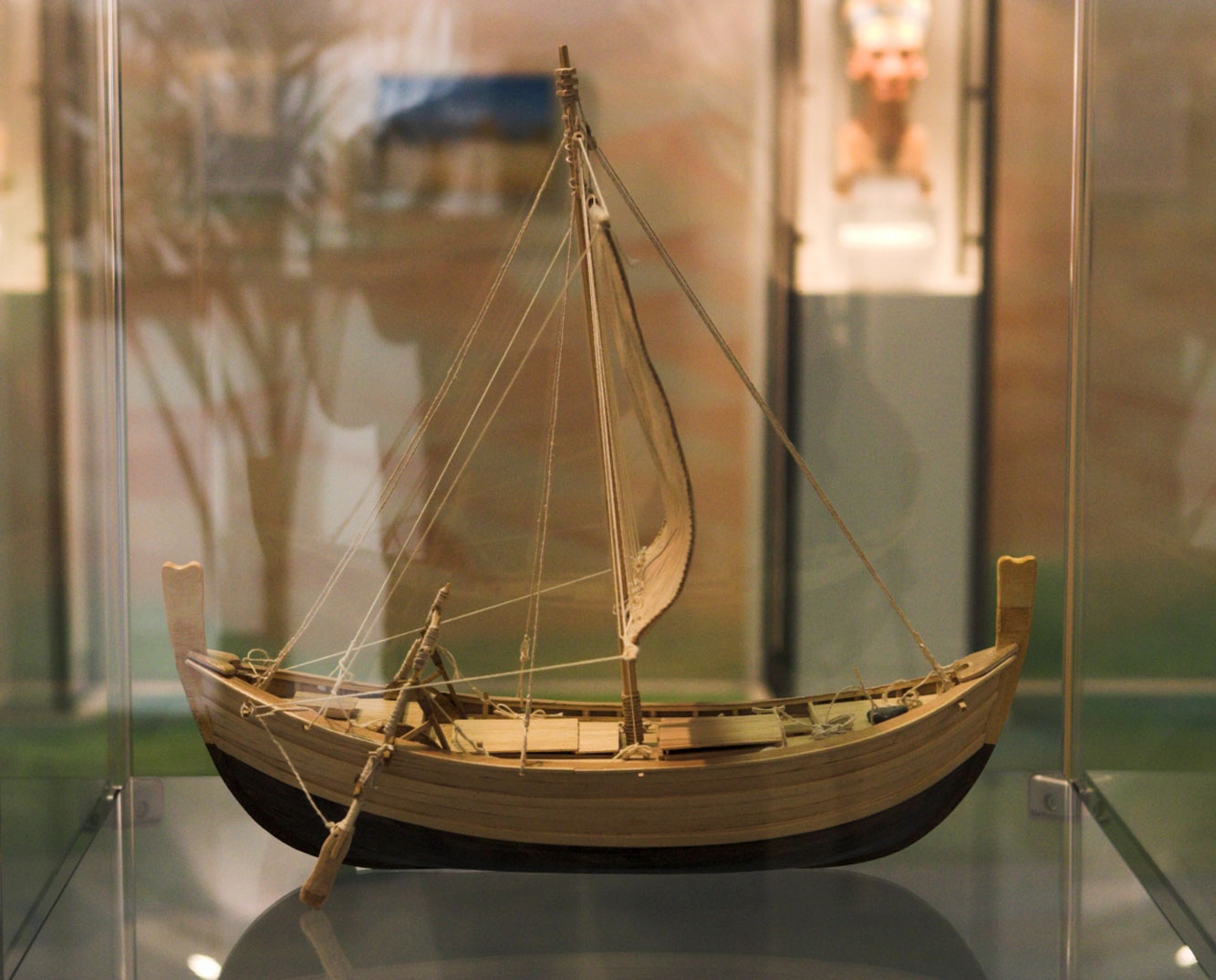
In the summer of 1982, a sponge diver named Mehmed Çakır from the village of Yalıkavak near Bodrum surfaced with a curious observation: metal objects on the seabed near Uluburun, shaped like biscuits with ears. Turkish sponge divers were often consulted by survey teams from the Institute of Nautical Archaeology on how to identify ancient wrecks, and Çakır's sketch was enough to alert Oğuz Alpözen, director of the Bodrum Museum of Underwater Archaeology. An inspection team was dispatched, and just fifty metres from shore they found copper ingots scattered on the seafloor — the first trace of what would become one of the most important Bronze Age discoveries ever made underwater.
What followed was eleven excavation campaigns between 1984 and 1994, each lasting three to four months, totaling 22,413 dives. The wreck lay close to the eastern shore of Uluburun, and its remains and scattered cargo suggested a ship between 15 and 16 metres long, built shell-first with mortise-and-tenon joints — a technique that would echo through Graeco-Roman shipbuilding centuries later. Its planks and keel were Lebanese cedar, joined with oak tenons, and it carried 24 stone anchors of a type foreign to the Aegean but common in Syro-Canaanite and Cypriot temples.
Dating the wreck required patience and multiple methods. Peter Kuniholm of Cornell University examined a branch aboard the ship using dendrochronology, finding tree-rings as late as 1305 BC, though without surviving bark the true felling date remained uncertain; he later revised his estimate to around 1327 BC. Radiocarbon testing of the cedar keel and of perishable materials like rope and dunnage, combined with Bayesian statistical modeling, pointed to a likely sinking date of 1320 BC, give or take fifteen years. Ceramic evidence suggested the ship sank near the end of the Amarna period, and a gold scarab bearing Nefertiti's name confirmed it could not have gone down before her time. The end of the 14th century BC is now the accepted date.
The cargo itself was staggering in scale and diversity. Ten tons of raw copper filled the hold in 354 oxhide ingots, alongside 121 copper buns and ingots of other shapes, plus roughly a ton of tin — enough, combined with the copper, to produce about eleven tons of bronze. At least 149 Canaanite jars, made in the northern part of what is now Israel, held olives, glass beads, and mostly Pistacia resin, an ancient form of turpentine. Around 175 glass ingots in cobalt blue, turquoise, and lavender represent the oldest known glass ingots ever found, their cobalt-blue chemistry matching glasswork from both Egypt and Mycenaean Greece.
Beyond metals and jars, the ship carried a bewildering array of luxury and utilitarian goods: African blackwood logs the Egyptians called ebony, ivory, more than a dozen hippopotamus teeth, tortoise shell, ostrich eggshells, Cypriot pottery and lamps, bronze vessels shaped like goat heads, ivory cosmetic boxes shaped like ducks, amber beads of Baltic origin, and quantities of gold, silver, faience, and precious stones including agate, carnelian, and quartz. Among the gold objects was a biconical chalice, the largest gold piece recovered, and a bronze female figurine with head, neck, hands, and feet covered in gold leaf.
More from Archaeology

The Bronze Disc That Rewrote the Sky
Two looters with a metal detector dug up something illegal, invisible in value, and older than Stonehenge's final stones — a map of the heavens buried for over three thousand years.

The Faceless Women of the Ice Age
Long before writing, before cities, before the wheel, someone carved a woman's body into stone and ivory — and left no name, no face, no explanation.

The Pebble That Might Be Human
A palm-sized stone found on a Moroccan riverbank may be humanity's oldest attempt to see itself — or simply a trick of erosion.

The Crown That Vanished: Deshret and the Red Land
A crown worn by kings for three thousand years has never once been found in a tomb — not one. So where did it go?

The Face That Traveled Between Empires
A farm worker's shovel struck stone in 1897 and unearthed a face so striking it would be sold to France, seized as war booty, and finally traded back for a Velázquez.

The Boy in the Dark Tunnel
A schoolboy fell into black water inside an ancient tunnel and surfaced with his fingers brushing letters no one had noticed for 2,600 years.