Pompeii: A City Frozen in Ash
On an autumn afternoon in 79 AD, a market town near Naples was going about its business — until the mountain above it decided otherwise.
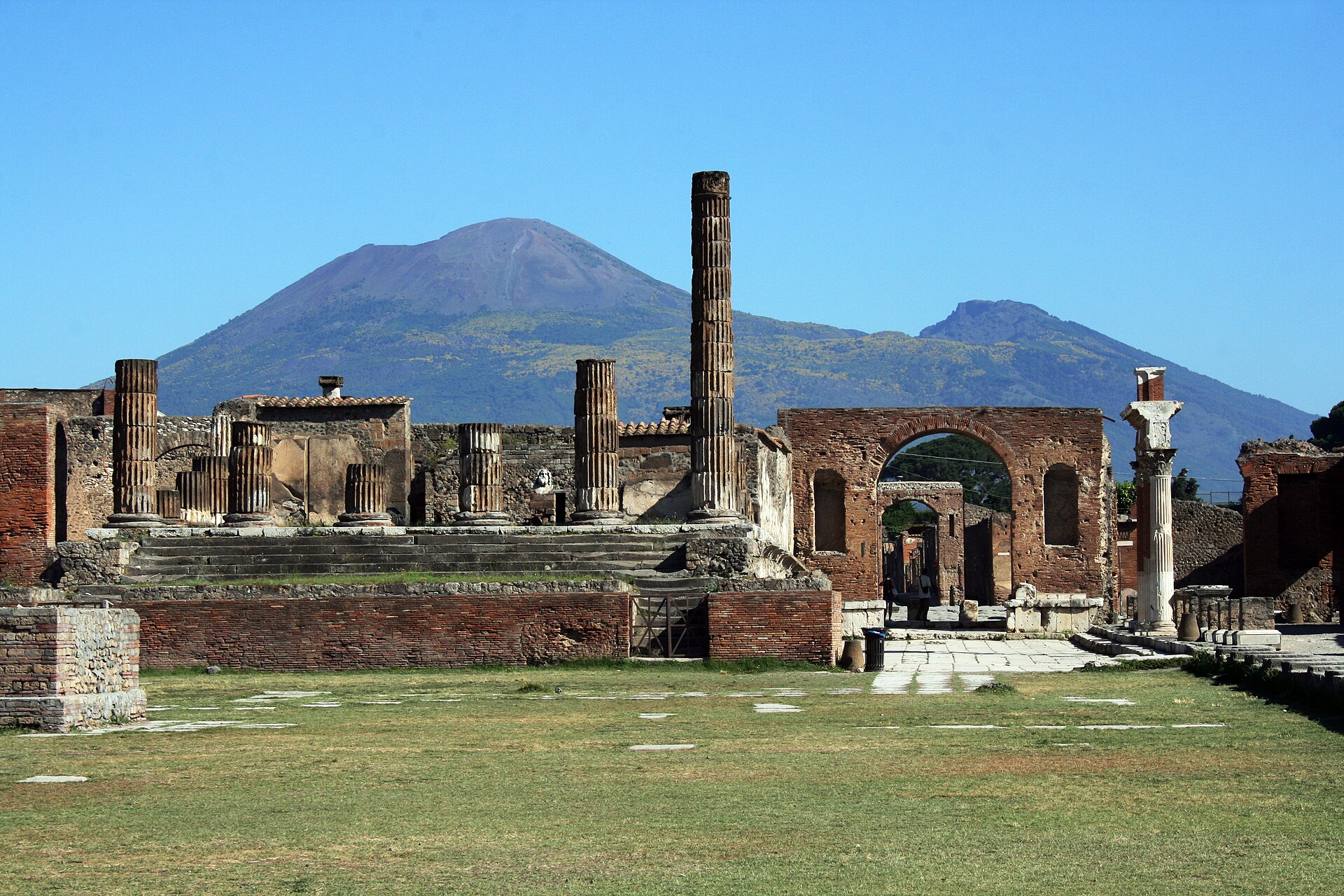
On 24 August in 79 AD — a date later corrected by modern researchers to late October, based on fruit found in shops and the heavier clothing worn by victims — Mount Vesuvius erupted with a fury that would seal an entire Roman city into silence for nearly 1,700 years. Pompeii, a prosperous town of some 11,000 to 11,500 residents in Italy's Campania region, was buried under 4 to 6 meters of volcanic ash and pumice within two days, alongside its neighbor Herculaneum.
The eruption unfolded in two brutal phases. The first was an 18-hour rain of pumice, giving many residents a chance to flee. The second phase was far deadlier: pyroclastic flows of superheated, fast-moving ash clouds that collapsed buildings and killed or asphyxiated those who remained. A 2010 study revealed that heat, not suffocation by ash, was the primary cause of death for many victims — a grim but revealing detail about those final moments.
Long before Vesuvius sealed its fate, Pompeii had already lived several lives. The first stable settlements date to the 8th century BC, when the Oscans founded five villages in the area. Around 740 BC, Greek sailors arrived, drawing Pompeii into the Hellenic world and leaving behind structures like the Doric Temple and the cult of Apollo. The city's strategic position — near the mouth of the navigable Sarno River — made it a natural harbor for Greek and Phoenician sailors alike.
By the early 6th century BC, the scattered settlements merged into a single fortified community, its tufa walls enclosing far more land than the town itself needed, hinting at the site's growing wealth and importance. Etruscan influence followed around 524 BC, bringing a rudimentary forum, the Temple of Apollo, and houses built with the distinctive Tuscan atrium. Pompeii even joined the Etruscan League before Greek Cumae, allied with Syracuse, defeated the Etruscans at the Battle of Cumae in 474 BC and seized control of the region.
Roman rule eventually followed, though not without resistance. During the Social Wars, Pompeii rebelled against Rome, and in 89 BC the general Sulla besieged the city — the pockmarks of thousands of ballista strikes on the walls near the Herculaneum Gate still testify to that assault. Pompeii surrendered and became a Roman colony, Colonia Cornelia Veneria Pompeianorum. Loyalists to Rome were rewarded with land, while resisters lost their property, yet all Pompeians ultimately received Roman citizenship and were rapidly absorbed into Roman society. The town flourished with new public buildings, an amphitheater, and, under Augustus, structures like the Eumachia Building and the Macellum market.
More from Archaeology

The Bronze Disc That Rewrote the Sky
Two looters with a metal detector dug up something illegal, invisible in value, and older than Stonehenge's final stones — a map of the heavens buried for over three thousand years.

The Faceless Women of the Ice Age
Long before writing, before cities, before the wheel, someone carved a woman's body into stone and ivory — and left no name, no face, no explanation.

The Pebble That Might Be Human
A palm-sized stone found on a Moroccan riverbank may be humanity's oldest attempt to see itself — or simply a trick of erosion.

The Crown That Vanished: Deshret and the Red Land
A crown worn by kings for three thousand years has never once been found in a tomb — not one. So where did it go?

The Face That Traveled Between Empires
A farm worker's shovel struck stone in 1897 and unearthed a face so striking it would be sold to France, seized as war booty, and finally traded back for a Velázquez.

The Boy in the Dark Tunnel
A schoolboy fell into black water inside an ancient tunnel and surfaced with his fingers brushing letters no one had noticed for 2,600 years.