La Llorona: The Woman Who Weeps by the River
Somewhere along a dark riverbank, a woman in white is still crying for children she drowned centuries ago — and to hear her wail, legend says, is to be marked for misfortune.
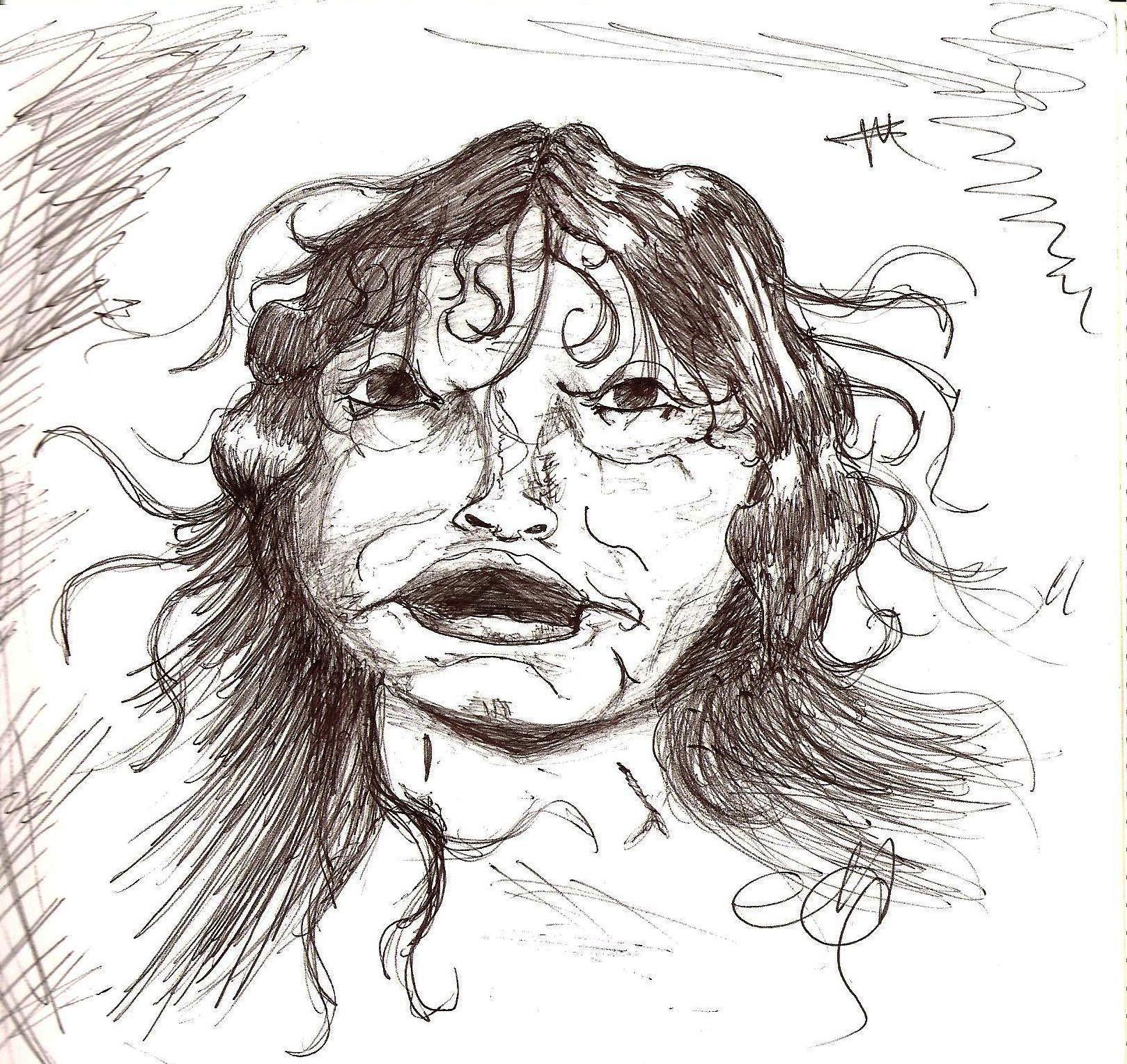
Along the rivers of Mexico, the American Southwest, and much of Central and northern South America, mothers have long used one story to keep children from wandering too close to the water at night: the tale of La Llorona, the Weeping Woman. She is a ghost, dressed in white, doomed to roam near bodies of water, mourning the children she herself drowned. Whoever hears her cry, the legend warns, will suffer misfortune, failure, or even death.
The most widespread version of her story tells of a beautiful woman named Maria. After drowning her own two children — in some tellings to be free to pursue a lover who did not want them, in others after being betrayed by her husband — she threw herself into the river in despair. Her soul was left trapped between worlds, unable to pass on, condemned to search forever for the children she killed. In some versions, she can only cross into the afterlife if she finds and brings her children with her, and so she lures other children who wander alone after dark.
Other retellings give her a different motive: a woman betrayed by her husband who, after killing her children and herself, waits by lonely roads at night to seduce men, punishing them for the infidelities of others before killing them in turn. Across every version, the ending is the same warning: to see her, or to hear her wail, is to be marked for coming misfortune.
La Llorona's tale is sometimes tangled together with the historical figure of La Malinche, the Nahua woman who served as Hernán Cortés's interpreter and bore his son. La Malinche occupies a strange dual place in Mexican memory — honored as a mother of the modern Mexican people, yet condemned as a symbol of betrayal for her role in aiding the Spanish conquest. That double burden of motherhood and treachery echoes in La Llorona's own story of children lost and a woman cast out.
Scholars trace the legend's roots deep into the pre-Columbian world, long before Spanish ships arrived. Ghostly women weeping by rivers appear across Mesoamerican mythologies under many names: Auicanime among the Purépecha, goddess of hunger and of women who died in childbirth; Xonaxi Queculla among the Zapotecs, a death deity who seduced men before revealing herself as a skeleton and dragging their spirits to the underworld; and Xtabay among the Lacandon Maya, a beautiful spirit with a hollow tree for a back who lured men to madness and death.
More from Mythology

The Doctor Who Sang a Nation Into Being
A country doctor rode into the forests of Karelia armed with nothing but a notebook — and rode out with the soul of a nation.

The Boat That Carried the Sun
Every sunset, the ancient Egyptians believed, the sun climbed into a boat and sailed straight into the realm of the dead — only to fight a monstrous serpent before dawn could return.

The Wild Man of the Snows
At 21,000 feet, a colonel found tracks in the snow that he blamed on a wolf — but his guides knew better, and gave the world a name that would echo for a century.

The Knight Who Went Mad for Love: Orlando Furioso
A hero so devoted to duty he was Charlemagne's greatest paladin loses his mind—not to a sword wound, but to heartbreak. To cure him, a friend must ride a flying horse to the Moon.

The Book That Turned the World Into Myth
A poet condemned to exile spent his final years in Rome finishing a poem that would outlive empires—a poem about nothing standing still, not gods, not lovers, not even the shape of a man.

Paradise Lost: Milton's Rebel Angel
A blind poet, dictating verses in the dark, dared to explain the ways of God to men — and in doing so, made Hell's ruler unforgettable.