Dede Korkut: The White-Bearded Voice of the Oghuz
For centuries a single blind bard's tales rode across steppe and mountain, surviving in only two manuscripts — until a third turned up decades ago, older than the rest and hiding a hidden thirteenth story.
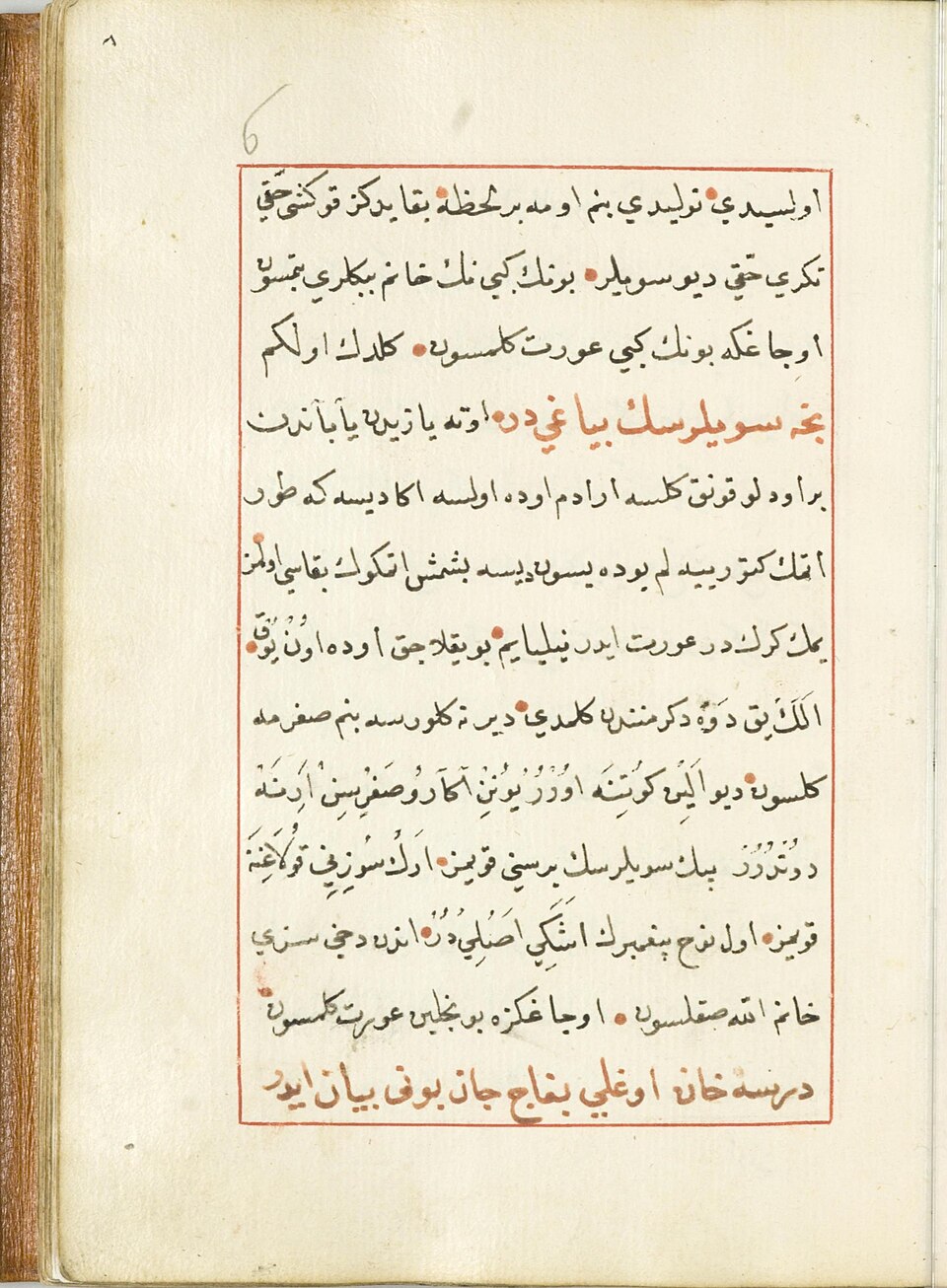
Somewhere between the Syr Darya's banks and the river valleys of eastern Anatolia, a body of stories took shape that would outlive empires. The Book of Dede Korkut, the great dastan of the Oghuz Turks, gathers twelve heroic tales — plus a thirteenth chapter of collected sayings — that carry the values, customs, and half-remembered pre-Islamic beliefs of a nomadic people learning to live as settled Muslims. It is not one story but a mosaic, stitched together by the recurring presence of a single figure: Dede Korkut himself.
Dede Korkut is no ordinary narrator. Within the tales he appears as the aksakal, the 'white-beard' — a soothsayer, bard, and advisor who solves the tribe's disputes, names its children, and links its episodes into a coherent whole. The historian Rashid-al-Din Hamadani, who died in 1318, insisted Korkut was a real man who lived 295 years, served as ambassador from the Oghuz ruler Inal Syr Yavkuy Khan to the Prophet, converted to Islam, and advised the Great Khan at his election. Legend and history blur completely in him, which is perhaps exactly the point.
The stories themselves are full of blood, cunning, and improbable rescue. In 'Boghach Khan Son of Dirse Khan,' a miraculous birth leads to a warrior's rise, a father's near-murder by treacherous men, and a son's rescue of that same father. In 'How Salur Kazan's House was Pillaged,' the Georgian King Shökli raids an undefended camp, and it falls to a shepherd named Karajuk, alongside Kazan's wife Lady Burla and son Uruz, to turn captivity into heroism. In 'Bamsi Beyrek of the Grey Horse,' a young man wins his name, wins a bride against her brother's resistance, is captured for sixteen years, and escapes just in time to reclaim her.
One tale in particular has traveled far beyond the Turkic world in scholarly imagination: the story of Tepegöz, 'Goggle-Eye,' a one-eyed monster whose confrontation with a hero bears an uncanny resemblance to Odysseus's encounter with the Cyclops. Whether this reflects direct influence from Homer's epic or a shared ancient Anatolian root, no one can say for certain — but the resemblance has fascinated readers for generations.
The tales also double as a window into a vanished physical culture. Dede Korkut describes, in real detail, the athletic prowess of Oghuz men and women alike: horse-riding, archery, cirit (javelin throwing), wrestling, and polo — activities still claimed today as Turkish national sports. Beneath the heroics and magic lies a document of how a people moved, competed, and measured worth.
More from Mythology

The Doctor Who Sang a Nation Into Being
A country doctor rode into the forests of Karelia armed with nothing but a notebook — and rode out with the soul of a nation.

The Boat That Carried the Sun
Every sunset, the ancient Egyptians believed, the sun climbed into a boat and sailed straight into the realm of the dead — only to fight a monstrous serpent before dawn could return.

The Wild Man of the Snows
At 21,000 feet, a colonel found tracks in the snow that he blamed on a wolf — but his guides knew better, and gave the world a name that would echo for a century.

The Knight Who Went Mad for Love: Orlando Furioso
A hero so devoted to duty he was Charlemagne's greatest paladin loses his mind—not to a sword wound, but to heartbreak. To cure him, a friend must ride a flying horse to the Moon.

The Book That Turned the World Into Myth
A poet condemned to exile spent his final years in Rome finishing a poem that would outlive empires—a poem about nothing standing still, not gods, not lovers, not even the shape of a man.

Paradise Lost: Milton's Rebel Angel
A blind poet, dictating verses in the dark, dared to explain the ways of God to men — and in doing so, made Hell's ruler unforgettable.