Mem and Zin: The Love That Even Death Could Not Unite
Two lovers, two rings exchanged in a moment of disguise and festivity, and a rivalry so bitter that even the ground beneath their graves refuses to let them rest side by side.
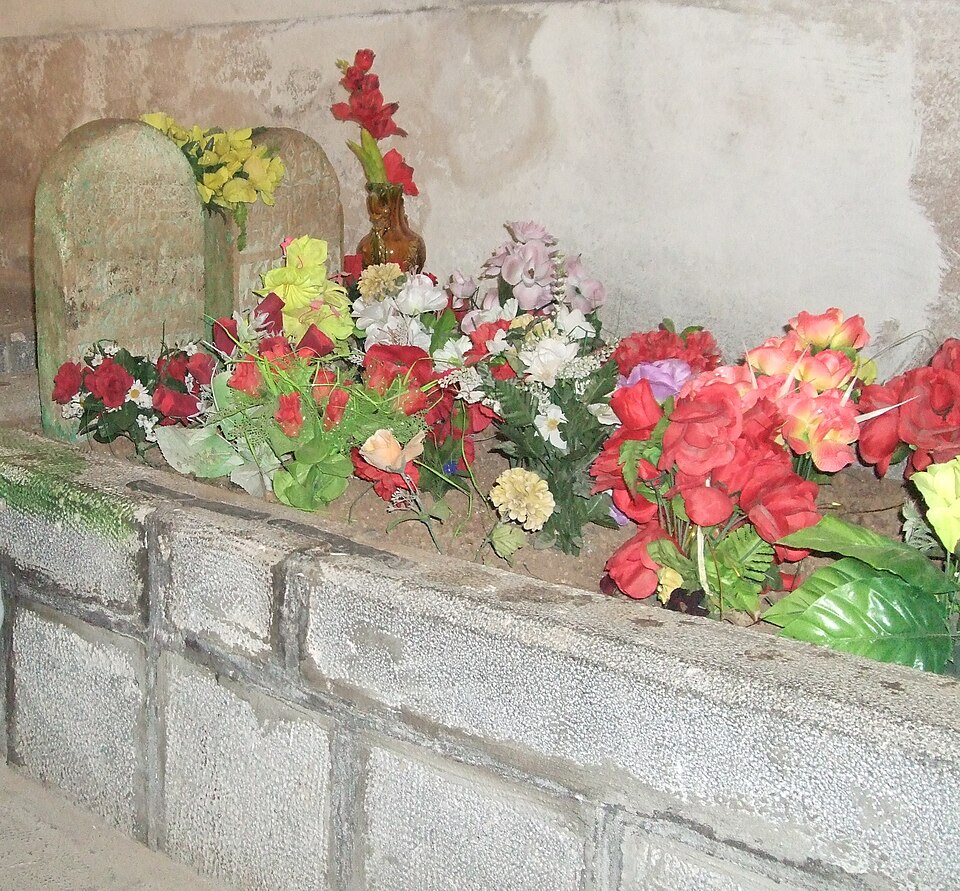
In the town of Cizre, sometime around 1450, a young man named Mem and a young woman named Zin fell in love in a story so vivid it would echo through Kurdish oral tradition for centuries. Mem was said to be the son of a court secretary, and Zin the sister of Mir Zeynuddin, the ruling bey of Cizre. Their romance began, according to the legend, during a springtime gathering, the kind shaped by local custom, where young men and women disguised themselves and mingled in the fields outside the city.
At that gathering, Mem's close friend Tacdin fell for Zin's sister Sitî, while Mem himself became entranced by Zin. In the confusion and excitement of the festival, the young people exchanged rings. When the haze of the moment cleared, Tacdin found a ring inscribed with Sitî's name on his finger, and Mem found one bearing Zin's. Word of the exchange reached the bey's nurse, Hezebun, who disguised herself as a healer to track down the young lovers and demand the rings back. Tacdin returned his. Mem refused.
As the love between Mem and Zin became known throughout Cizre, the city's notables interceded on the young men's behalf, asking the bey to give his sisters in marriage. The bey agreed to give Sitî to Tacdin, and a wedding was celebrated for seven days and seven nights. But convention held that two weddings should not occur together, so Mem and Zin's union was postponed. Into this delay stepped Beko, the bey's gatekeeper, a man history and legend remember only as duplicitous and full of malice. Beko worked to poison the bey's mind against the match, and eventually the bey refused to give Zin to Mem at all.
While the bey was away hunting, Mem and Zin managed to meet secretly. When the bey returned, Tacdin, who had ridden out with him, set his own house ablaze as a diversion so the bey would not notice the lovers together, a gesture repaying the debt of love Mem had once shown him. It was a small, desperate act of loyalty in a story dense with betrayal.
Beko was not finished. He lured Mem into a high-stakes chess match against the bey himself. Mem won the first three games, but Beko manipulated his position so that Mem would glimpse Zin and lose himself in thought, costing him the match. Cornered, Mem was forced to confess his love for Zin openly, and the bey threw him into prison. There, consumed by longing, Mem died.
More from Mythology

The Doctor Who Sang a Nation Into Being
A country doctor rode into the forests of Karelia armed with nothing but a notebook — and rode out with the soul of a nation.

The Boat That Carried the Sun
Every sunset, the ancient Egyptians believed, the sun climbed into a boat and sailed straight into the realm of the dead — only to fight a monstrous serpent before dawn could return.

The Wild Man of the Snows
At 21,000 feet, a colonel found tracks in the snow that he blamed on a wolf — but his guides knew better, and gave the world a name that would echo for a century.

The Knight Who Went Mad for Love: Orlando Furioso
A hero so devoted to duty he was Charlemagne's greatest paladin loses his mind—not to a sword wound, but to heartbreak. To cure him, a friend must ride a flying horse to the Moon.

The Book That Turned the World Into Myth
A poet condemned to exile spent his final years in Rome finishing a poem that would outlive empires—a poem about nothing standing still, not gods, not lovers, not even the shape of a man.

Paradise Lost: Milton's Rebel Angel
A blind poet, dictating verses in the dark, dared to explain the ways of God to men — and in doing so, made Hell's ruler unforgettable.