Bigfoot: The Giant Footprints in the Forest
A bulldozer operator finds 16-inch footprints sunk deep in the mud of a California forest — and by the time the newspapers are done with the story, an American legend is born.
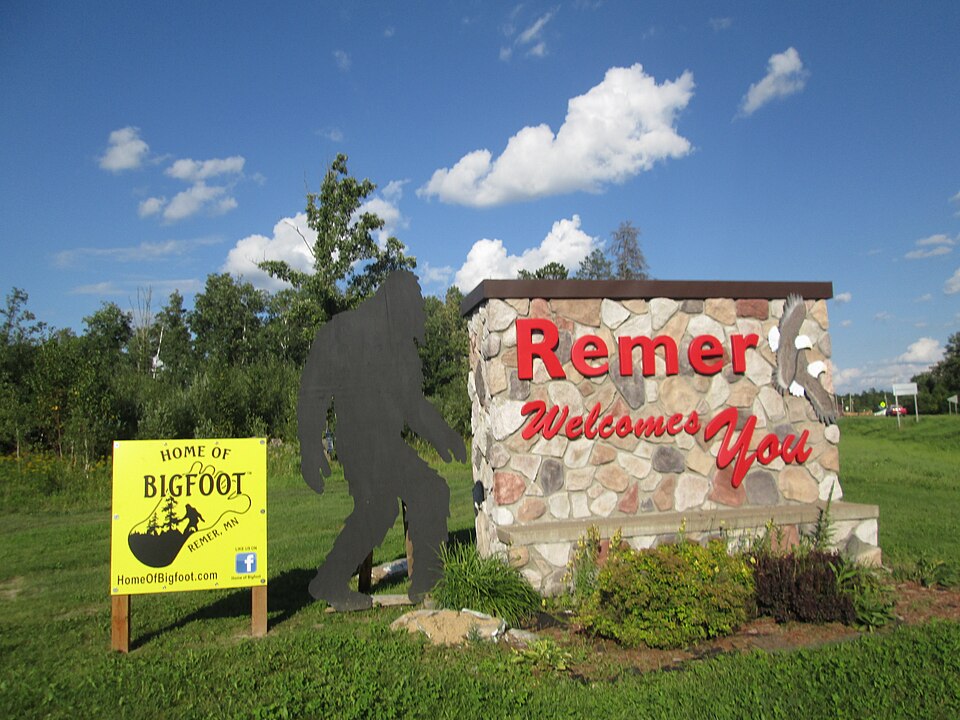
In 1958, Jerry Crew was clearing land for a logging company in Humboldt County, California, when he came upon something that stopped him cold: a set of massive, human-like footprints pressed into the mud of the Six Rivers National Forest. Sixteen inches long, they belonged to nothing he could identify. When he mentioned it to his coworkers, several said they had seen similar tracks before, along with stranger incidents, like a 450-pound oil drum moved without explanation.
The loggers began calling the mystery culprit 'Bigfoot.' Crew, convinced at first that someone was playing a prank, eventually made a plaster cast of one footprint and brought it to reporter Andrew Genzoli of the Humboldt Times. On October 6, 1958, the newspaper ran a front-page photo of Crew holding the cast. The story spread fast, picked up by the New York Times and Los Angeles Times, and the name Bigfoot entered the American vocabulary almost overnight.
The creature wasn't new to North American folklore, though the name was. In 1929, Indian agent J.W. Burns had published stories collected from the Sts'ailes Nation in Maclean's magazine, coining the term 'Sasquatch' from the Halq'emeylem word sasq'ets, meaning 'hairy man.' Burns described a tribe of hairy people believed to live in the mountains, in tunnels and caves. According to Turkish-language sources, the first person said to have seen the creature's footprints was British explorer David Thompson, in 1811.
Over the decades, descriptions of Bigfoot have varied but converge on certain features: a large, muscular, bipedal figure covered in black, dark brown, or dark reddish hair, standing anywhere from 6 to 9 feet tall by most accounts, with some claims stretching to 10 or even 15 feet. Witnesses often describe broad shoulders, no visible neck, and long arms — traits skeptics say match a bear standing upright more than any unknown primate.
In 1971, the strangeness reached an official level: multiple residents of The Dalles, Oregon, filed a police report describing an 'overgrown ape.' One man claimed he'd had the creature in his rifle scope but couldn't pull the trigger because, in his words, it looked more human than animal. Michael Rugg, who runs the Bigfoot Discovery Museum, has claimed to have smelled the creature, comparing it to a skunk that had rolled in dead animals and garbage.
More from Mythology

The Doctor Who Sang a Nation Into Being
A country doctor rode into the forests of Karelia armed with nothing but a notebook — and rode out with the soul of a nation.

The Boat That Carried the Sun
Every sunset, the ancient Egyptians believed, the sun climbed into a boat and sailed straight into the realm of the dead — only to fight a monstrous serpent before dawn could return.

The Wild Man of the Snows
At 21,000 feet, a colonel found tracks in the snow that he blamed on a wolf — but his guides knew better, and gave the world a name that would echo for a century.

The Knight Who Went Mad for Love: Orlando Furioso
A hero so devoted to duty he was Charlemagne's greatest paladin loses his mind—not to a sword wound, but to heartbreak. To cure him, a friend must ride a flying horse to the Moon.

The Book That Turned the World Into Myth
A poet condemned to exile spent his final years in Rome finishing a poem that would outlive empires—a poem about nothing standing still, not gods, not lovers, not even the shape of a man.

Paradise Lost: Milton's Rebel Angel
A blind poet, dictating verses in the dark, dared to explain the ways of God to men — and in doing so, made Hell's ruler unforgettable.