The Wrath of Achilles: Inside the Iliad's Fifty-One Days at Troy
A stolen woman, a father's curse, a plague on the ships — and one warrior's fury sets a war on fire. This is the story the ancient Greeks never stopped telling.
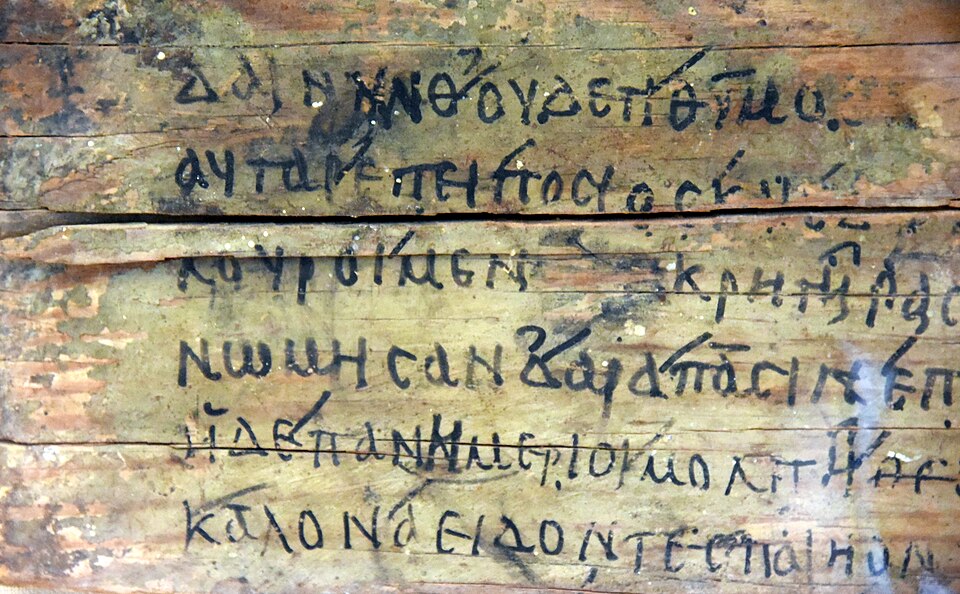
The Iliad opens not with a battle cry but with an invocation to the Muse, asking her to sing of a single word: menis, the wrath of Achilles. Attributed to Homer and composed in dactylic hexameter around the 8th century BC (though some scholars argue for the mid-7th century BC), the poem runs 24 books and 15,693 lines in its standard edition. It is one of the oldest works of literature still widely read today, and it does not, contrary to popular belief, depict the fall of Troy or the Trojan Horse — those belong to later sources. Instead, it captures a narrow window near the end of a ten-year siege: in the Turkish tradition, fifty-one days in the ninth year of the war.
The trouble begins in the Achaean camp outside Troy. After nine years of fighting, the besieging Greeks — called interchangeably Achaeans, Argives, or Danaans by Homer — have sacked towns allied with Troy and seized two women, Chryseis and Briseis. Agamemnon, king of Mycenae and commander of the united Greek armies, keeps Chryseis as his prize; Achilles, the Achaeans' greatest warrior, keeps Briseis.
When Chryses, a priest of Apollo and father of Chryseis, offers a ransom for his daughter, Agamemnon refuses and insults him. Chryses prays to Apollo, who answers by sending a plague upon the Achaean army. For nine days it rages. Achilles, leader of the Myrmidons and called aristos achaion — best of the Greeks — calls an assembly to confront the crisis.
Under pressure, Agamemnon agrees to return Chryseis, but demands Briseis as compensation, stripping Achilles of his prize in front of the entire army. Furious at the public dishonor, Achilles withdraws himself and his men from the fighting altogether. Odysseus is sent to return Chryseis to her father, ending the plague, but the deeper wound — Achilles's wrath — has only begun.
Grieving the loss of Briseis, Achilles turns to his mother, Thetis, a minor sea goddess, and asks her to plead with Zeus: let the Achaeans suffer defeat after defeat, driven back toward their burning ships, until Agamemnon understands how much he needs Achilles. Zeus agrees, provoking a quarrel with his wife Hera, who favors the Greeks, until Hephaistos intervenes to calm the gods.
More from Mythology

The Doctor Who Sang a Nation Into Being
A country doctor rode into the forests of Karelia armed with nothing but a notebook — and rode out with the soul of a nation.

The Boat That Carried the Sun
Every sunset, the ancient Egyptians believed, the sun climbed into a boat and sailed straight into the realm of the dead — only to fight a monstrous serpent before dawn could return.

The Wild Man of the Snows
At 21,000 feet, a colonel found tracks in the snow that he blamed on a wolf — but his guides knew better, and gave the world a name that would echo for a century.

The Knight Who Went Mad for Love: Orlando Furioso
A hero so devoted to duty he was Charlemagne's greatest paladin loses his mind—not to a sword wound, but to heartbreak. To cure him, a friend must ride a flying horse to the Moon.

The Book That Turned the World Into Myth
A poet condemned to exile spent his final years in Rome finishing a poem that would outlive empires—a poem about nothing standing still, not gods, not lovers, not even the shape of a man.

Paradise Lost: Milton's Rebel Angel
A blind poet, dictating verses in the dark, dared to explain the ways of God to men — and in doing so, made Hell's ruler unforgettable.