The Saga of the Dragon-Slayer: Völsunga Saga
Long before a hobbit ever eyed a dragon's hoard, an Icelandic scribe was already setting down a tale of cursed gold, broken oaths, and a hero named Sigurd.
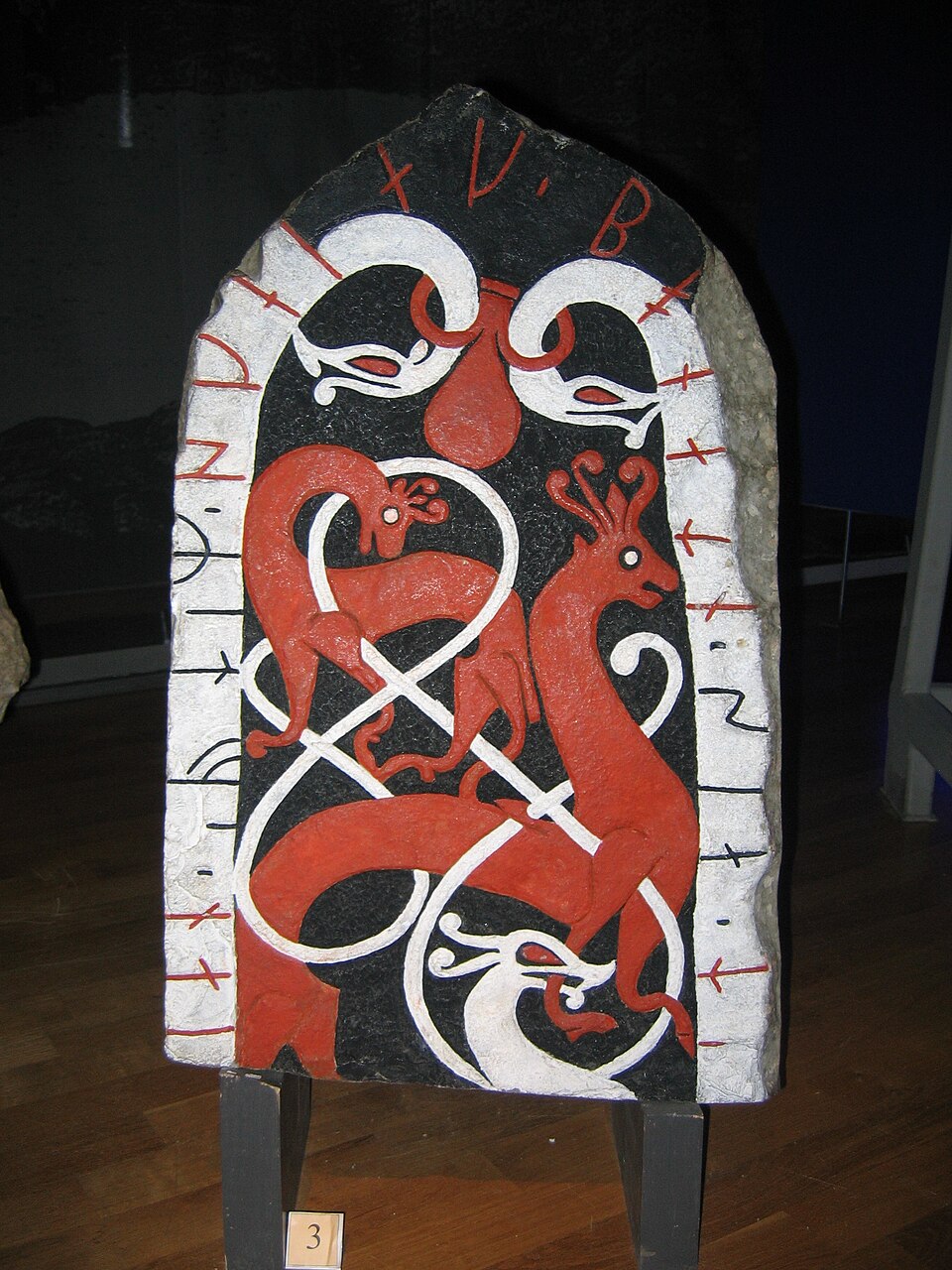
Sometime around the year 1270, in Iceland, an anonymous writer sat down to record a story that did not belong to Iceland at all. It was a tale from the Continent, from the deep, half-remembered past before Iceland was even settled — the story of the Völsung family, their feuds, their loves, and their doom. The result was Völsunga saga, one of the most celebrated works of a genre modern scholars call the fornaldarsögur, or 'legendary sagas.'
Legendary sagas are different from the more famous Sagas of Icelanders, which describe farmers and feuding families in the years after Iceland's settlement in the 870s. Instead, these sagas reach further back and further afield, set on the European mainland in a hazy, pre-Icelandic age. Their purpose was not strict historical record but lively storytelling — narratives meant to entertain while casting Scandinavia's pagan past as proud and heroic.
Völsunga saga stands out among these legendary tales for a specific literary feature: it quotes verse, as sagas often do, but the verse it quotes is Eddaic — the older, more mythic poetic form associated with gods and legendary heroes, distinct from the skaldic verse favored in the kings' sagas and the Sagas of Icelanders. This choice of poetic form signals the saga's ambition: it is reaching into the oldest layers of Norse legend.
At the heart of that legend stands Sigurd, the dragon-slayer, whose story is bound up with cursed treasure, tragic love, and the destruction of his family line. The material Völsunga saga draws upon is the same broad legendary tradition that, on the Continental side, produced the German Nibelungenlied — the epic of the Nibelungs. Icelandic and German storytellers were, in effect, reaching for the same ancient well of legend and drawing up different vessels of it.
The saga was composed in Old Norse, the vernacular language of Iceland and Scandinavia, at a time when most of learned Europe still wrote its histories in Latin. This was itself significant: sagas represent one of medieval Europe's great vernacular literary traditions, told in the everyday language of the people who composed and heard them, rather than the language of the church and the university.
More from Mythology

The Doctor Who Sang a Nation Into Being
A country doctor rode into the forests of Karelia armed with nothing but a notebook — and rode out with the soul of a nation.

The Boat That Carried the Sun
Every sunset, the ancient Egyptians believed, the sun climbed into a boat and sailed straight into the realm of the dead — only to fight a monstrous serpent before dawn could return.

The Wild Man of the Snows
At 21,000 feet, a colonel found tracks in the snow that he blamed on a wolf — but his guides knew better, and gave the world a name that would echo for a century.

The Knight Who Went Mad for Love: Orlando Furioso
A hero so devoted to duty he was Charlemagne's greatest paladin loses his mind—not to a sword wound, but to heartbreak. To cure him, a friend must ride a flying horse to the Moon.

The Book That Turned the World Into Myth
A poet condemned to exile spent his final years in Rome finishing a poem that would outlive empires—a poem about nothing standing still, not gods, not lovers, not even the shape of a man.

Paradise Lost: Milton's Rebel Angel
A blind poet, dictating verses in the dark, dared to explain the ways of God to men — and in doing so, made Hell's ruler unforgettable.