A Thousand and One Nights: Scheherazade's Art of Survival
Every dawn brought an execution — until one bride found a way to make the killing wait until tomorrow.
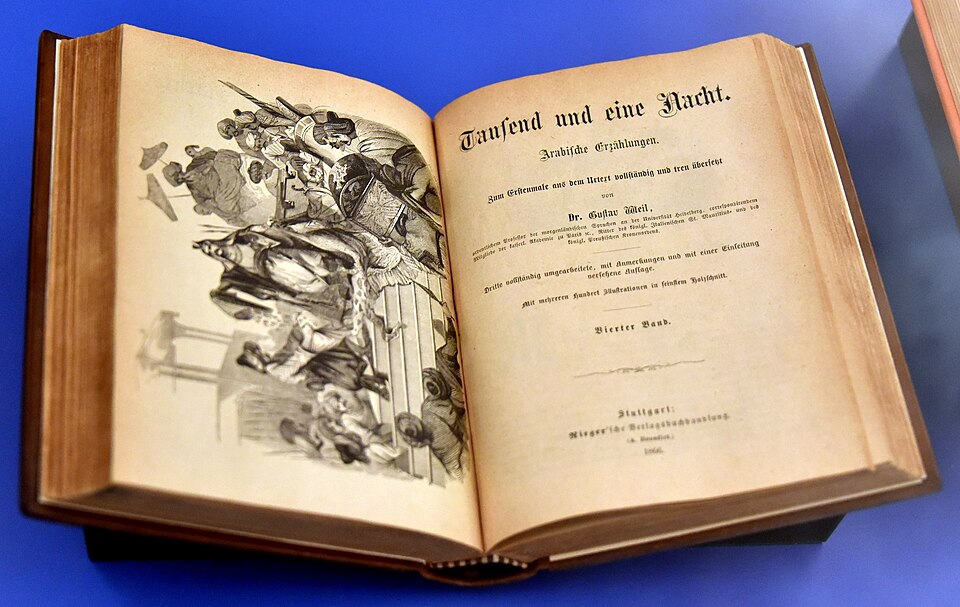
The story begins not with Scheherazade but with betrayal. Shahriyar, a Persian king ruling an empire stretching from Persia to India, discovers his wife's infidelity. His brother Shahzaman, the King of Samarkand, has already suffered the same humiliation, and together the brothers wander the world in bitterness. By the seashore they encounter a jinn who keeps a captive woman locked in a chest — a woman who forces both kings to sleep with her or risk waking her captor, then shows them a vast collection of rings taken from countless other lovers. The brothers conclude that even the jinn is more miserable than they are, and return home resolved that all women are the same.
Shahriyar's response is merciless. He marries a new virgin each night and has her executed at dawn, before she can dishonor him. Night after night this continues, until his vizier — the very official tasked with supplying brides — can find no more virgins in the kingdom.
Into this crisis steps Scheherazade, the vizier's own daughter. Against her father's reluctance, she offers herself as the next bride. On their wedding night, she begins telling the king a story, but stops before its end. Curious, Shahriyar postpones her execution to hear how it concludes. The next night, she finishes that tale and immediately begins another, again leaving it unresolved at dawn. This pattern repeats for one thousand and one nights — the origin of the collection's name.
The tales themselves range across historical narratives, love stories, tragedies, comedies, poetry, and erotica, populated by jinn, ghouls, sorcerers, and legendary places woven together with real historical figures. The Abbasid caliph Harun al-Rashid, his vizier Jafar al-Barmaki, and the poet Abu Nuwas recur throughout, despite living some two centuries after the Sassanid era in which Scheherazade's frame story is set. Some stories nest within other stories, told by characters within Scheherazade's own tales, creating layered narratives within narratives.
By the time the thousand and first night arrives, Scheherazade has borne Shahriyar three sons. Endings vary between versions — in some she asks for a pardon, in others the king simply relents upon seeing his children — but all conclude with the king sparing her life, his fury toward women dissolved by years of her storytelling and loyalty.
More from Mythology

The Doctor Who Sang a Nation Into Being
A country doctor rode into the forests of Karelia armed with nothing but a notebook — and rode out with the soul of a nation.

The Boat That Carried the Sun
Every sunset, the ancient Egyptians believed, the sun climbed into a boat and sailed straight into the realm of the dead — only to fight a monstrous serpent before dawn could return.

The Wild Man of the Snows
At 21,000 feet, a colonel found tracks in the snow that he blamed on a wolf — but his guides knew better, and gave the world a name that would echo for a century.

The Knight Who Went Mad for Love: Orlando Furioso
A hero so devoted to duty he was Charlemagne's greatest paladin loses his mind—not to a sword wound, but to heartbreak. To cure him, a friend must ride a flying horse to the Moon.

The Book That Turned the World Into Myth
A poet condemned to exile spent his final years in Rome finishing a poem that would outlive empires—a poem about nothing standing still, not gods, not lovers, not even the shape of a man.

Paradise Lost: Milton's Rebel Angel
A blind poet, dictating verses in the dark, dared to explain the ways of God to men — and in doing so, made Hell's ruler unforgettable.