The She-Wolf Who Led a Nation Out of the Mountain
A crippled boy left for dead in a swamp. A she-wolf who fed him meat. From that unlikely pairing, an entire people trace their birth.
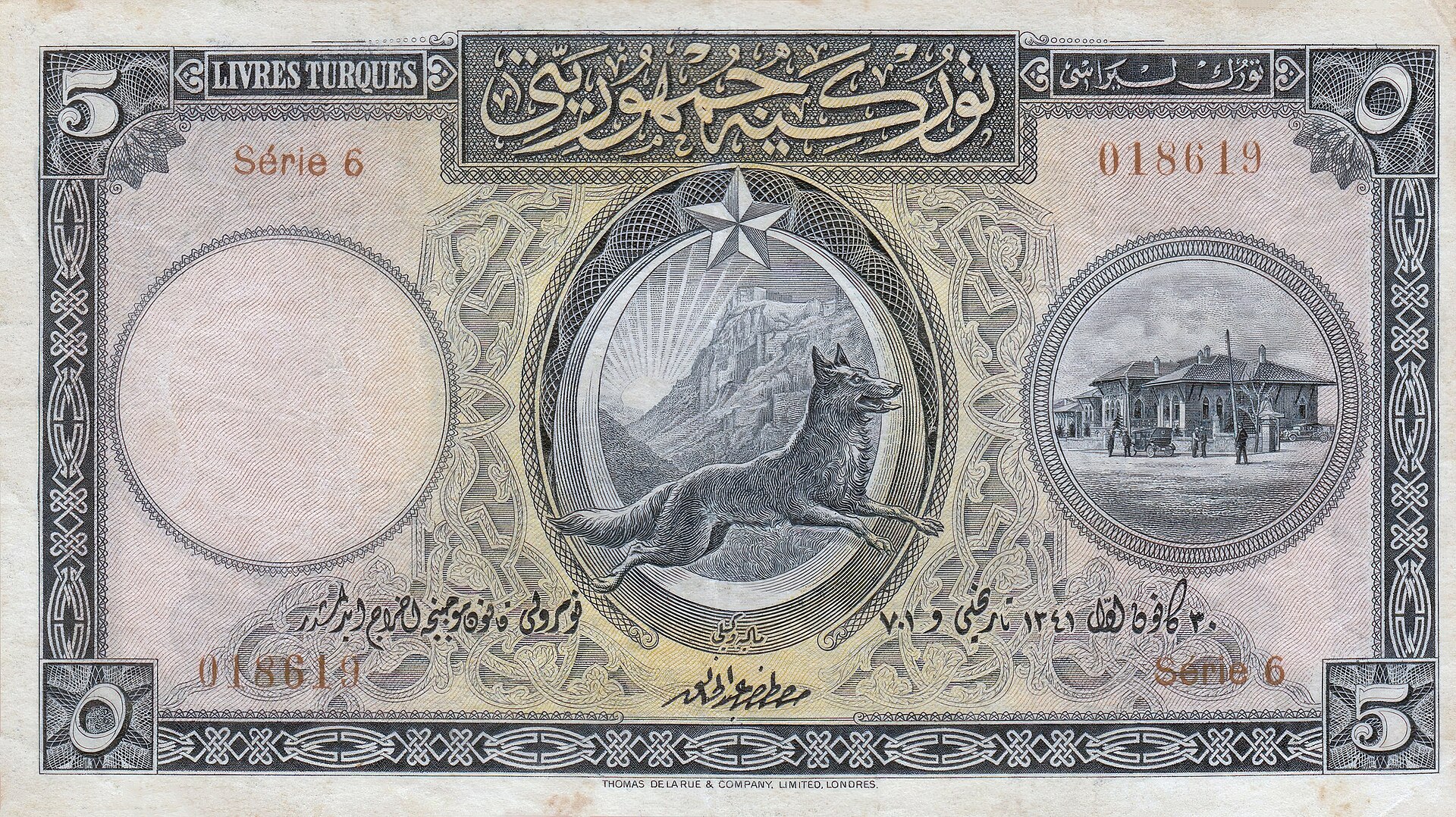
Across the steppes of Turkic and Mongolian mythology, one animal appears again and again as guide, ancestor, and protector: the grey wolf, known in Old Turkic as Böri and in Turkish as Bozkurt. Sacred to nearly every tribe that rode those grasslands, the wolf was believed by many clans to be the origin of their bloodline — often paired with a Sky Deer, the wolf representing the heavens and the deer the earth.
The Göktürks painted a wolf's head on their sky-blue banners and raised poles topped with golden wolf heads before their tents. The animal embodied their fighting spirit, freedom, speed, and battlefield intelligence. A sixth-century stone monument even shows a boy suckling milk from a wolf, and elders and saints were said to occasionally take wolf form themselves.
Folk belief wrapped around the creature everywhere. Carrying a wolf's tooth was thought to ward off the evil eye. The Yakuts called their guardian wolf Bosko. For the Kyrgyz, spotting a wolf on the steppe — or even dreaming of one — was a sign of good fortune, and wolf teeth or skin were placed under a pregnant woman's pillow for protection. The Bashkirs took their very name, meaning 'with a wolf on their heads,' from a legend in which a wolf appeared before their ancestors and showed them the way. Even Turkic military strategy bore the wolf's mark: the crescent tactic, luring an enemy into a center and closing around it, was said to have been learned by watching wolves hunt.
The most enduring version of this belief is the Epic of Asena, preserved in the Chinese chronicles the Book of Chou, the History of the Northern Dynasties, and the Book of Sui. In one telling, enemies destroy a Turkic settlement, leaving only a young boy alive. Unable to bring themselves to kill a child, the soldiers instead cut off his feet — and in some versions his arms — and abandon him in a swamp. There, a she-wolf named Asena finds him and feeds him meat until he grows into a teenager, at which point he impregnates her.
When the neighboring nation learns the boy survived, they send men to kill both him and the wolf. Asena flees to Bogda Shan, in the country of Gaochang, where a cave in the mountain opens onto a hidden plain — meadows stretching for hundreds of miles, ringed on all sides by mountains. Hidden there, she gives birth to ten sons. The boys grow up, marry, and each founds a lineage; one of them establishes the Ashina clan. After several generations multiply within the sheltered valley, their descendants finally leave the cave and become blacksmiths for the Rouran Khaganate.
More from Mythology

The Doctor Who Sang a Nation Into Being
A country doctor rode into the forests of Karelia armed with nothing but a notebook — and rode out with the soul of a nation.

The Boat That Carried the Sun
Every sunset, the ancient Egyptians believed, the sun climbed into a boat and sailed straight into the realm of the dead — only to fight a monstrous serpent before dawn could return.

The Wild Man of the Snows
At 21,000 feet, a colonel found tracks in the snow that he blamed on a wolf — but his guides knew better, and gave the world a name that would echo for a century.

The Knight Who Went Mad for Love: Orlando Furioso
A hero so devoted to duty he was Charlemagne's greatest paladin loses his mind—not to a sword wound, but to heartbreak. To cure him, a friend must ride a flying horse to the Moon.

The Book That Turned the World Into Myth
A poet condemned to exile spent his final years in Rome finishing a poem that would outlive empires—a poem about nothing standing still, not gods, not lovers, not even the shape of a man.

Paradise Lost: Milton's Rebel Angel
A blind poet, dictating verses in the dark, dared to explain the ways of God to men — and in doing so, made Hell's ruler unforgettable.