The Tree at the Center of Everything
An ash tree so vast that gods rode to it daily, its branches touching the heavens and its roots gnawed by a dragon — this is the tree the Norse believed held the universe together.
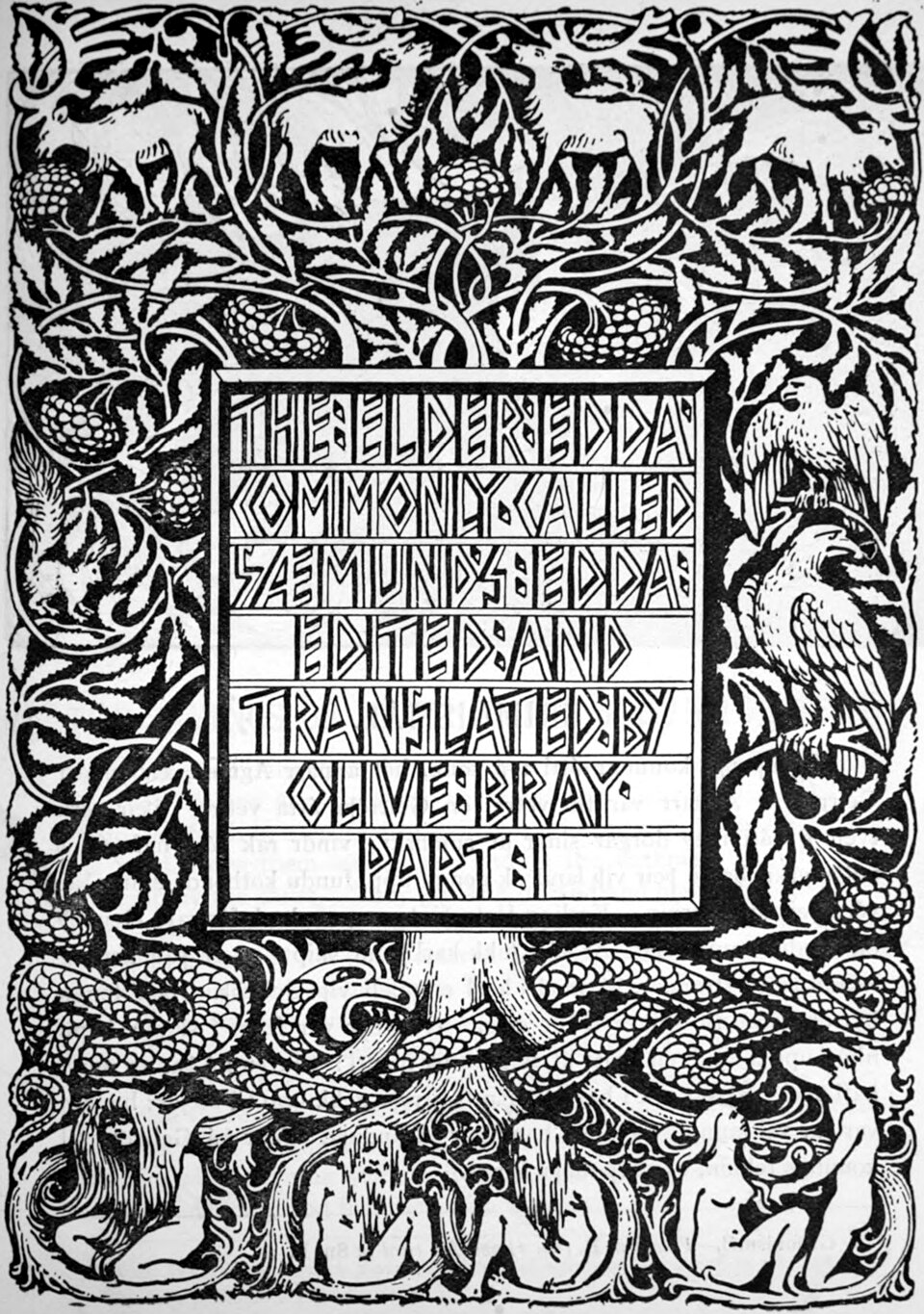
At the middle of the Norse cosmos stood an ash tree of impossible size, its trunk piercing through the world of men and its crown lost among the heavens. Its name was Yggdrasil, and around it, the old poems say, all else existed. Nine worlds hung within its reach, and the gods themselves rode there each day to hold their governing assemblies, as if even divine order needed a fixed point to gather around.
The tree's name likely means 'Odin's horse' — a chilling kenning once used for gallows. The Poetic Edda poem Hávamál tells how Odin hanged himself from a tree, taking no food or drink, staring downward until he seized the secret of the runes and fell back from the branches, screaming as he took them. Scholars widely accept that this tree was Yggdrasil itself, meaning the world tree's very name commemorates a god's self-sacrifice for hidden knowledge.
Three roots anchored Yggdrasil to distant realms. One reached the well Urðarbrunnr in the heavens, where three maidens named Urðr, Verðandi, and Skuld incised wood, laid down laws, and chose the fates of humankind. Another root stretched to the spring Hvergelmir, and a third to the well Mímisbrunnr, home to hidden wisdom. The tree was not merely a plant but a living map of fate, memory, and origin.
Life swarmed within its branches and roots. The dragon Níðhöggr gnawed at the roots below. The squirrel Ratatoskr scurried along the trunk. A hawk named Veðrfölnir perched somewhere in the heights, and four stags — Dáinn, Dvalinn, Duneyrr, and Duraþrór — wandered among the branches. Even the god Heimdallr's hearing, the Völuspá says, lay couched beneath this bright, holy tree.
In the poem Grímnismál, Odin, disguised as Grímnir, describes how the god Thor must wade through several rivers just to reach Yggdrasil and sit as judge beneath the ash. Other gods rode named horses to the same council. The tree was not static scenery; it was the site of divine judgment, a courtroom stretching between worlds.
More from Mythology

The Doctor Who Sang a Nation Into Being
A country doctor rode into the forests of Karelia armed with nothing but a notebook — and rode out with the soul of a nation.

The Boat That Carried the Sun
Every sunset, the ancient Egyptians believed, the sun climbed into a boat and sailed straight into the realm of the dead — only to fight a monstrous serpent before dawn could return.

The Wild Man of the Snows
At 21,000 feet, a colonel found tracks in the snow that he blamed on a wolf — but his guides knew better, and gave the world a name that would echo for a century.

The Knight Who Went Mad for Love: Orlando Furioso
A hero so devoted to duty he was Charlemagne's greatest paladin loses his mind—not to a sword wound, but to heartbreak. To cure him, a friend must ride a flying horse to the Moon.

The Book That Turned the World Into Myth
A poet condemned to exile spent his final years in Rome finishing a poem that would outlive empires—a poem about nothing standing still, not gods, not lovers, not even the shape of a man.

Paradise Lost: Milton's Rebel Angel
A blind poet, dictating verses in the dark, dared to explain the ways of God to men — and in doing so, made Hell's ruler unforgettable.