The Fox That Wore a Human Face
In the mountains after dark, travelers still lose their way — and for centuries, the Japanese have known exactly who to blame.
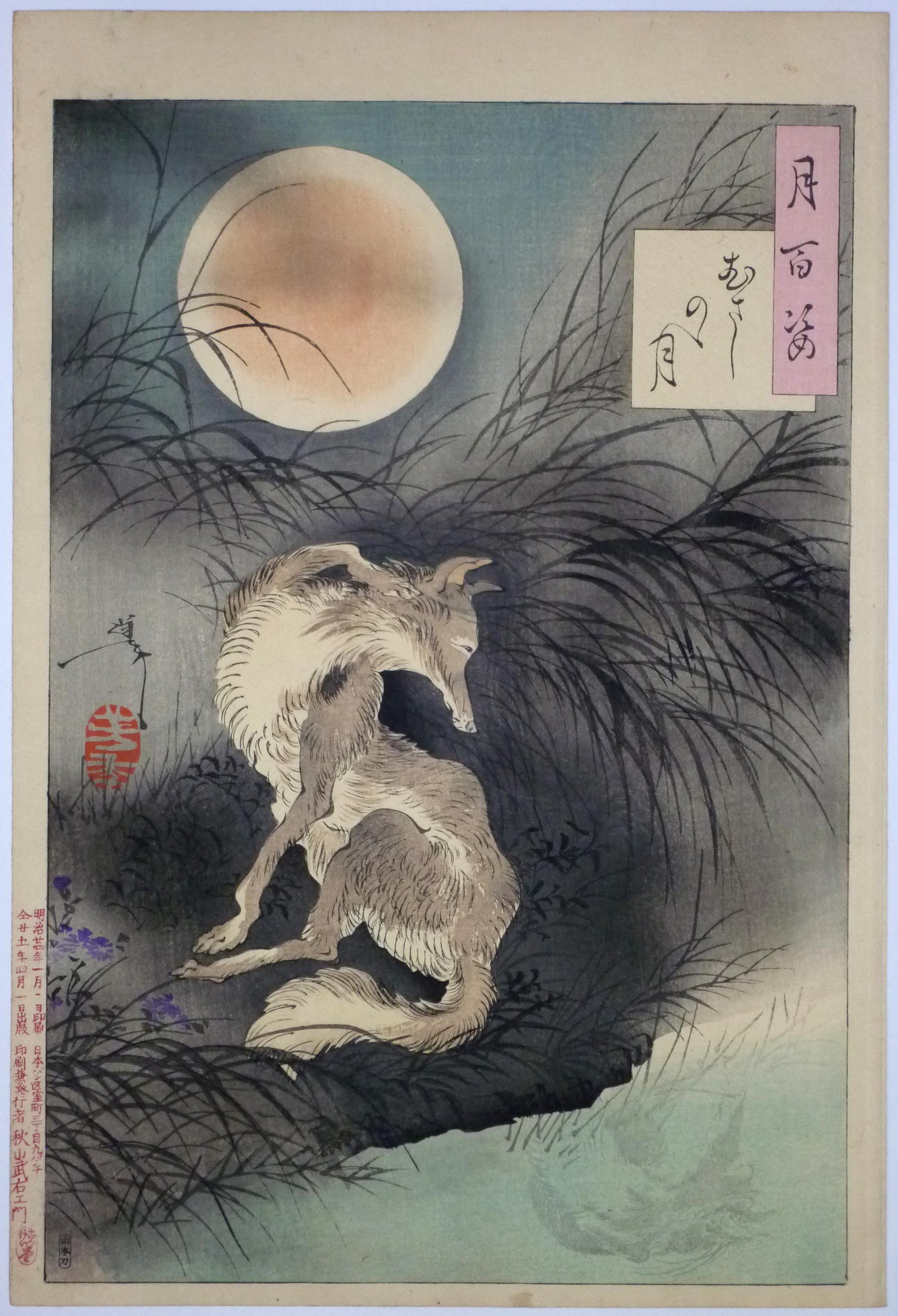
Somewhere between a walk home at dusk and a wrong turn in the woods, a story was born. A traveler, disoriented, wanders off the path he knows by heart. He arrives home confused, or not at all. In village after village across Japan, the explanation offered was the same: a kitsune had bewitched him. The word means simply 'fox', but in folklore it swelled into something far stranger — a fox spirit, a yōkai, a creature credited with intelligence, magic, and the power to reshape reality itself.
The kitsune's defining talent is bakeru, the ability to transform its shape, paired with bakasu, the art of beguiling. Old tales describe its favorite pranks with almost comic specificity: tricking a person into bathing in a manure pit, feeding them a dumpling made of horse dung disguised as something delicious, or handing over 'leaf money' that was never real currency at all. These weren't just tales told for fright — they were told, and retold to folklorists well into modern times, as things that had genuinely happened to someone's uncle, someone's neighbor.
The fox appears not only as trickster but as wife. Medieval texts like the Nihon ryōiki recount unions between men and vixens who take human form. The most famous of these figures is Tamamo-no-mae, a nine-tailed vixen whose story intertwines with the legend of the sessho-seki, the 'murder stone'. Another vixen, Kuzunoha, is said to have given birth to Abe no Seimei, the astrologer-magician whose name still echoes in Japanese esoteric tradition. A weather myth even ties sunshine rain to a kitsune's wedding.
Central to kitsune iconography is the tama, sometimes called hoshi no tama or 'star ball', a jewel the fox is said to hold dear, sometimes necessary for its shapeshifting magic. Alongside it is kitsunebi, 'fox-fire' — mysterious lights the creature is said to conjure, especially associated with the pure white fox, or byakko. These two motifs recur constantly in paintings and shrine carvings, marking the fox as something between animal and deity.
That divinity is literal. Kitsune became messengers of Inari, the Shinto kami of rice and prosperity, and their statues line the approach to shrines dedicated to her — most famously Fushimi Inari Taisha in Kyoto, with its tunnels of red torii gates. In Buddhist tradition, the fox also serves as the mount of the deva Dakini, blurring lines between the two religious systems. Visitors to fox shrines still leave offerings of rice, hoping for the fox's protection and favor.
More from Mythology

The Doctor Who Sang a Nation Into Being
A country doctor rode into the forests of Karelia armed with nothing but a notebook — and rode out with the soul of a nation.

The Boat That Carried the Sun
Every sunset, the ancient Egyptians believed, the sun climbed into a boat and sailed straight into the realm of the dead — only to fight a monstrous serpent before dawn could return.

The Wild Man of the Snows
At 21,000 feet, a colonel found tracks in the snow that he blamed on a wolf — but his guides knew better, and gave the world a name that would echo for a century.

The Knight Who Went Mad for Love: Orlando Furioso
A hero so devoted to duty he was Charlemagne's greatest paladin loses his mind—not to a sword wound, but to heartbreak. To cure him, a friend must ride a flying horse to the Moon.

The Book That Turned the World Into Myth
A poet condemned to exile spent his final years in Rome finishing a poem that would outlive empires—a poem about nothing standing still, not gods, not lovers, not even the shape of a man.

Paradise Lost: Milton's Rebel Angel
A blind poet, dictating verses in the dark, dared to explain the ways of God to men — and in doing so, made Hell's ruler unforgettable.