Jangar: The Boy Who Survived a Kingdom's Fall
A red mass of flesh cries out from inside itself, 'I'm suffocating — let me out!' Before the newborn even has a name, his kingdom is already doomed.
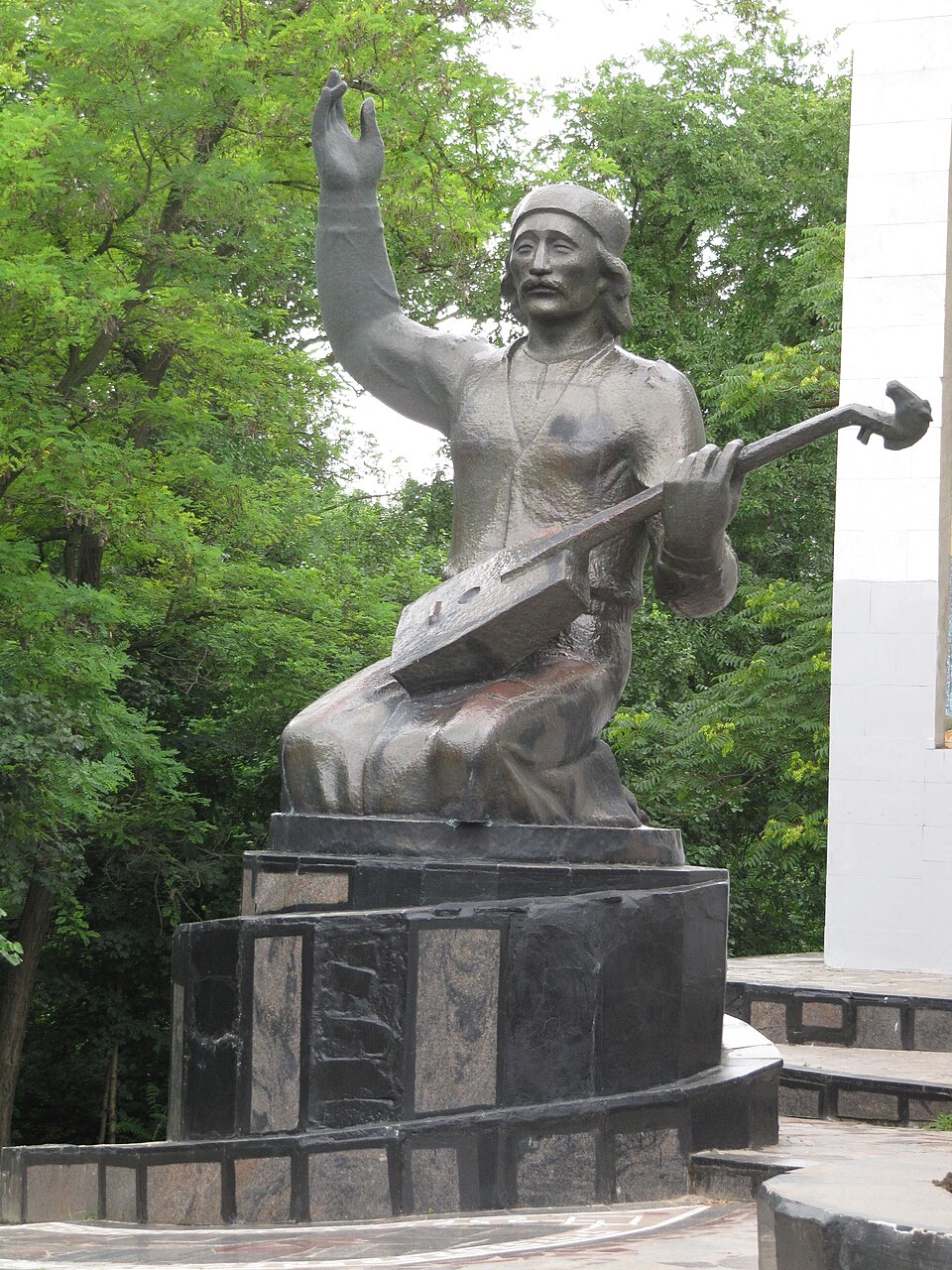
For centuries, singers called Jangarchi carried a story across the steppes of the Kalmyks and Oirats, from Mongolia to China to Russia — a tale so vast that some versions swell past a hundred chapters, though the core epic runs to about twenty-five or twenty-six. At its heart is Jangar, a hero whose lineage began with his great-grandfather, Tahil Zul Khan, a kind and honest ruler who led his people to a land called Bomba, hoping to build a place free of suffering and death. After ten years of struggle, they succeeded — only for Tahil Zul Khan to be buried in an avalanche while checking his horse herds during a blizzard.
The throne passed to his son, Tangsag Bumva, equally kind and wise, who fought years of brutal weather that killed half the tribe's livestock before dying of overwork himself. His twelve-year-old son, Ujung Aldar, became Khan next — and it was Ujung Aldar who would become Jangar's father.
Ujung Aldar's own path to fatherhood began strangely. Watching a pair of courting swans by a lake during a horse race, he was struck by loneliness and longing. His advisor, Master Choirom, suggested marriage, proposing a sixteen-year-old girl named Urmaa from the tribe of Dorj Khan in the south. After an arranged meeting, feasting on seventy-five cups of liquor and seventy-five cups of fermented milk, and a ritual struggle through Urmaa's family to reach her yurt, Ujung Aldar won his bride and carried her home to Bomba on his red stallion, Aranjagaan.
But children did not come easily. After two childless years and failed remedies, Master Choirom brought in a herdsman with nineteen children, who revealed his secret: watching horses mate before doing the same themselves. Ujung Aldar and Urmaa tried it in secret behind a steppe boulder — and months later, Urmaa was pregnant. Ujung Aldar rewarded the herdsman with a hundred cows.
The pregnancy lasted ten months, and when the child finally came, it was not a baby but a strange red mass of flesh. Ujung Aldar ordered it thrown away — until a voice cried out from within, 'I'm suffocating! Let me out of here!' Ordinary swords could not cut it; only a blade said to be given by the Jade Emperor succeeded, freeing a strong, kicking baby boy marked with a red mole and a birthmark. Urmaa, frightened by his ferocity, begged her husband to let the child die, but Ujung Aldar refused, proud of his son's strength.
More from Mythology

The Doctor Who Sang a Nation Into Being
A country doctor rode into the forests of Karelia armed with nothing but a notebook — and rode out with the soul of a nation.

The Boat That Carried the Sun
Every sunset, the ancient Egyptians believed, the sun climbed into a boat and sailed straight into the realm of the dead — only to fight a monstrous serpent before dawn could return.

The Wild Man of the Snows
At 21,000 feet, a colonel found tracks in the snow that he blamed on a wolf — but his guides knew better, and gave the world a name that would echo for a century.

The Knight Who Went Mad for Love: Orlando Furioso
A hero so devoted to duty he was Charlemagne's greatest paladin loses his mind—not to a sword wound, but to heartbreak. To cure him, a friend must ride a flying horse to the Moon.

The Book That Turned the World Into Myth
A poet condemned to exile spent his final years in Rome finishing a poem that would outlive empires—a poem about nothing standing still, not gods, not lovers, not even the shape of a man.

Paradise Lost: Milton's Rebel Angel
A blind poet, dictating verses in the dark, dared to explain the ways of God to men — and in doing so, made Hell's ruler unforgettable.