Cinderella: The Slipper That Fit a Thousand Years
Long before a glass slipper ever touched a marble step, an eagle was already stealing a sandal in Egypt — and setting the story of Cinderella in motion.
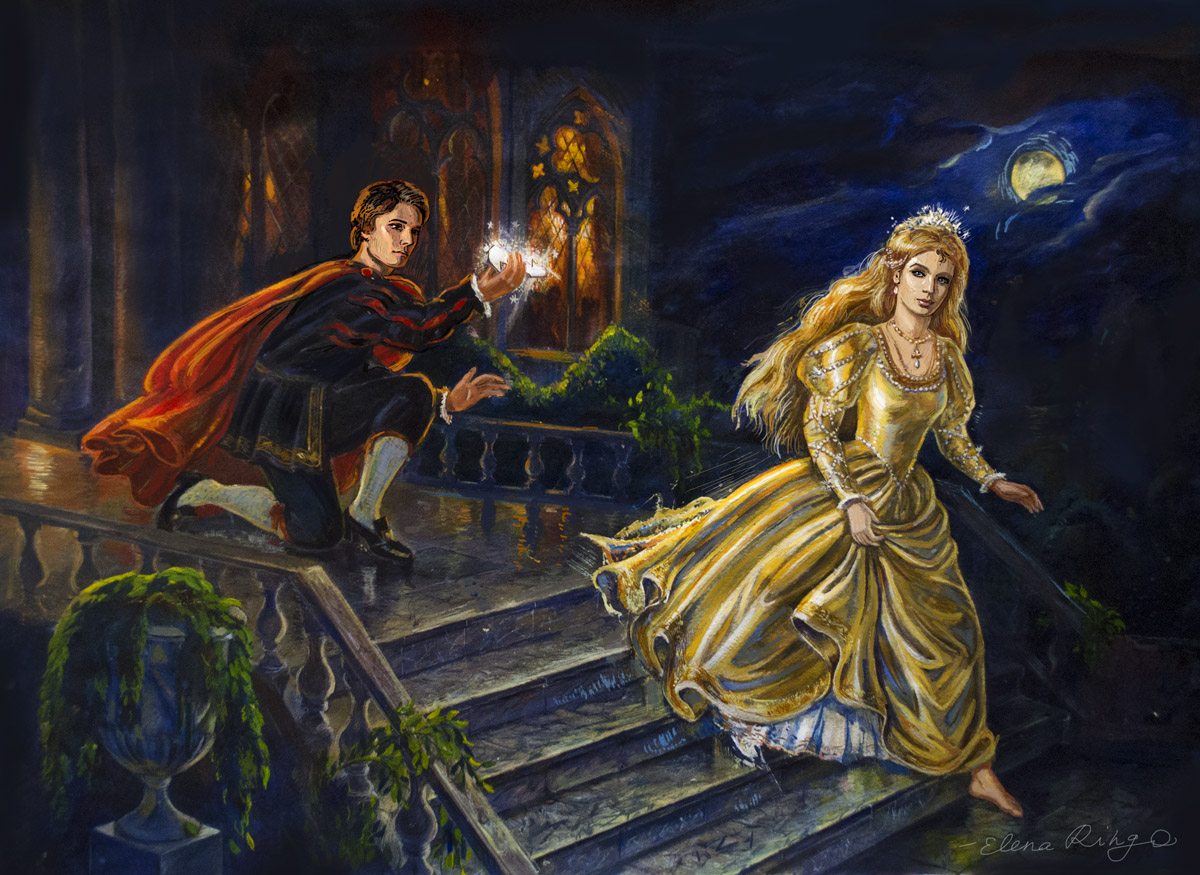
The oldest known telling of the shoe-fitting story is not French but Greek, recorded by the geographer Strabo sometime between 7 BC and 23 AD. He describes Rhodopis, a Greek courtesan living in the Egyptian colony of Naucratis, whose sandal was snatched from her maid by an eagle while she bathed. The bird dropped the sandal into the lap of the Egyptian king as he sat administering justice. Struck by its beauty and the strangeness of its arrival, he sent men throughout the land searching for the woman who wore it. When she was found in Naucratis, she was brought to Memphis and became his wife.
The Roman writer Aelian, writing in Greek around the second century, repeated this story and even named the pharaoh Psammetichus. Centuries earlier still, Herodotus had already written of a courtesan called Rhodopis — a Thracian slave belonging to Iadmon of Samos, a fellow slave of the storyteller Aesop, brought to Egypt under Pharaoh Amasis and later freed by Charaxus of Mytilene, brother of the poet Sappho. Nineteenth-century scholars Edgar Taylor and Sabine Baring-Gould were the first to point out how closely her shoe-testing echoed Cinderella's own.
Another ancient figure sometimes named as a forerunner is Aspasia of Phocaea, whose tale appears in Aelian's Varia Storia. Orphaned of her mother and raised in poverty by her father, she dreamed of meeting a noble man. In a vision, a dove transformed into a woman who taught her how to erase a physical flaw and restore her beauty. Later, summoned with other courtesans to a feast held by the Persian regent Cyrus the Younger, she alone caught the eye of the Persian king, who ignored every other woman present.
The medieval French poet Marie de France offered her own variation in the twelfth-century lai Le Fresne, 'The Ash-Tree Girl'. A wealthy noblewoman, fearing accusations of infidelity because she had given birth to twins, abandoned one infant daughter at the base of an ash tree outside a nunnery, leaving a ring and a piece of brocade as tokens of identity. The porter who found her named her Fresne, and she was raised by nuns. Grown into a young woman, she became the lover of a nobleman who was later forced to marry someone of noble birth — and Fresne, accepting her fate, served as a handmaiden at the wedding, only for her mother to recognize the brocade covering the bed and reveal that the bride was Fresne's own twin sister. Her true parentage restored, Fresne finally married the man she loved.
Far to the south, the Maltese told of Ċiklemfusa, an orphaned girl whose dying father left her three magical objects — a chestnut, a nut, and an almond. Working unnoticed as a servant in the king's palace, she used a spell to transform herself into a beautiful princess for a grand ball, where the prince fell in love with her.
More from Mythology

The Doctor Who Sang a Nation Into Being
A country doctor rode into the forests of Karelia armed with nothing but a notebook — and rode out with the soul of a nation.

The Boat That Carried the Sun
Every sunset, the ancient Egyptians believed, the sun climbed into a boat and sailed straight into the realm of the dead — only to fight a monstrous serpent before dawn could return.

The Wild Man of the Snows
At 21,000 feet, a colonel found tracks in the snow that he blamed on a wolf — but his guides knew better, and gave the world a name that would echo for a century.

The Knight Who Went Mad for Love: Orlando Furioso
A hero so devoted to duty he was Charlemagne's greatest paladin loses his mind—not to a sword wound, but to heartbreak. To cure him, a friend must ride a flying horse to the Moon.

The Book That Turned the World Into Myth
A poet condemned to exile spent his final years in Rome finishing a poem that would outlive empires—a poem about nothing standing still, not gods, not lovers, not even the shape of a man.

Paradise Lost: Milton's Rebel Angel
A blind poet, dictating verses in the dark, dared to explain the ways of God to men — and in doing so, made Hell's ruler unforgettable.