Tanabata: The Lovers the Milky Way Keeps Apart
Once a year, if the sky stays clear, two stars drift close enough to almost touch — and all of Japan looks up.
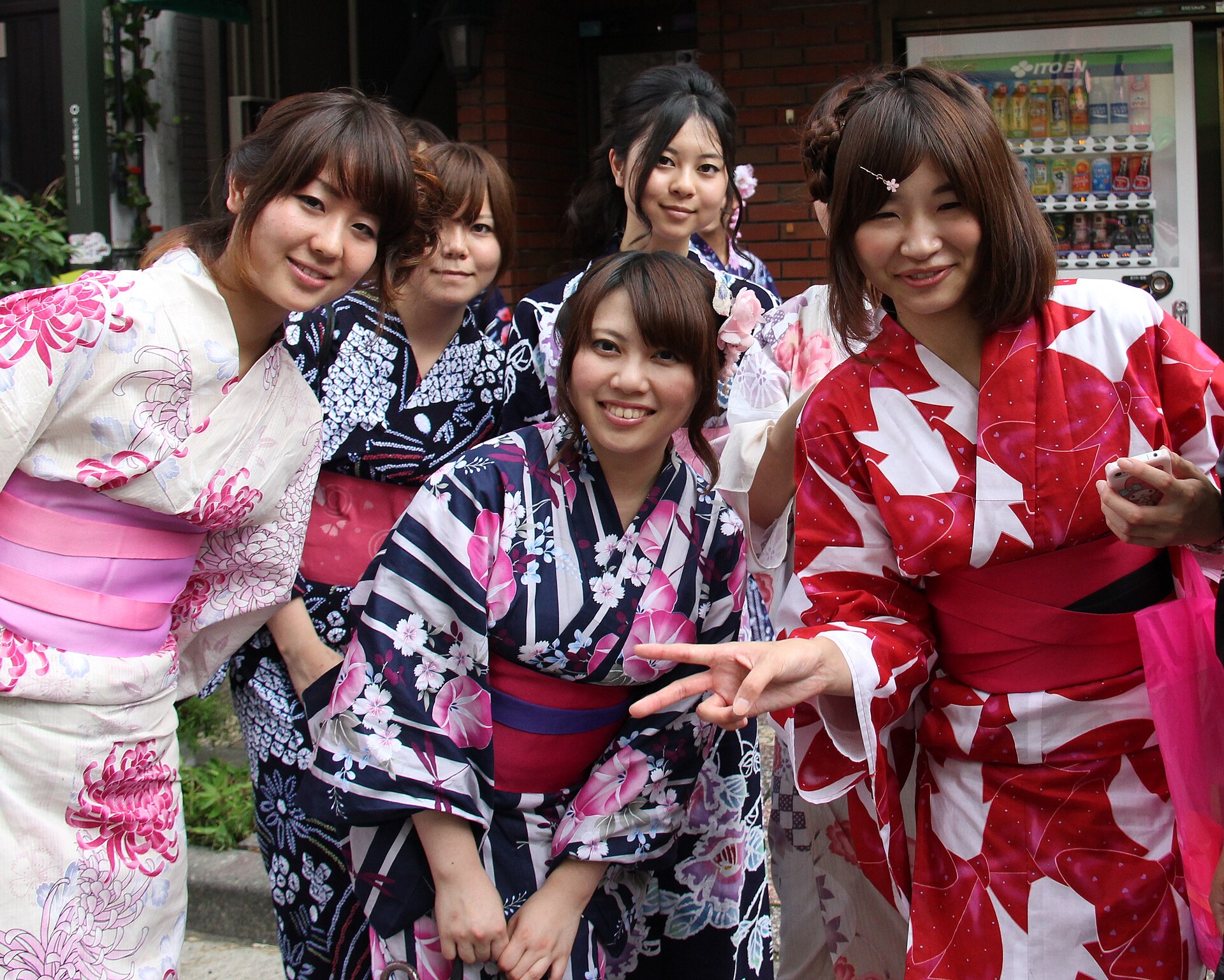
On the seventh day of the seventh month, strips of colored paper flutter from bamboo branches across Japan, each one carrying a private wish written in brush and ink. This is Tanabata, the Star Festival, and behind its paper lanterns and crowded night markets lies a story of two lovers separated by the river of the sky.
Orihime, the Weaving Princess, was the daughter of Tentei, the Sky King. She sat by the bank of the Amanogawa — the Milky Way, literally the 'heavenly river' — weaving beautiful cloth that her father cherished. She worked so hard, day after day, that she never had time to fall in love, and this made her deeply sad. Worried for his daughter, Tentei introduced her to Hikoboshi, a cowherd who lived and worked on the far side of the river.
The two fell in love at first sight and married soon after. But happiness undid their discipline: Orihime stopped weaving for her father, and Hikoboshi let his cattle wander loose across Heaven. Furious at their neglect, Tentei separated the lovers, placing the Amanogawa between them and forbidding any meeting.
Orihime's grief moved her father to relent, but only partially. He allowed the couple to meet just once a year, on the seventh day of the seventh month, and only if Orihime kept up with her weaving. Even then, their first attempt to reunite failed — there was no bridge across the river. Orihime wept so bitterly that a flock of magpies arrived and formed a bridge with their wings, letting her cross. To this day, it is said that rain on Tanabata swells the river too high for the magpies to come, forcing the lovers to wait another year. That rain is called 'the tears of Orihime and Hikoboshi.'
The festival itself traveled a long road before becoming Japanese folk custom. It arrived from China during the Nara period, rooted in a Chinese observance called 'The Festival to Plead for Skills.' It was adopted in the Kyoto Imperial Palace from the Heian period onward, practiced among aristocrats who prayed for better skill in weaving and calligraphy. Girls wished for finer needlework, boys for finer handwriting, writing their hopes on paper using ink mixed from dew gathered off taro leaves.
More from Mythology

The Doctor Who Sang a Nation Into Being
A country doctor rode into the forests of Karelia armed with nothing but a notebook — and rode out with the soul of a nation.

The Boat That Carried the Sun
Every sunset, the ancient Egyptians believed, the sun climbed into a boat and sailed straight into the realm of the dead — only to fight a monstrous serpent before dawn could return.

The Wild Man of the Snows
At 21,000 feet, a colonel found tracks in the snow that he blamed on a wolf — but his guides knew better, and gave the world a name that would echo for a century.

The Knight Who Went Mad for Love: Orlando Furioso
A hero so devoted to duty he was Charlemagne's greatest paladin loses his mind—not to a sword wound, but to heartbreak. To cure him, a friend must ride a flying horse to the Moon.

The Book That Turned the World Into Myth
A poet condemned to exile spent his final years in Rome finishing a poem that would outlive empires—a poem about nothing standing still, not gods, not lovers, not even the shape of a man.

Paradise Lost: Milton's Rebel Angel
A blind poet, dictating verses in the dark, dared to explain the ways of God to men — and in doing so, made Hell's ruler unforgettable.