Manas: The Half-Million-Line Epic Sung Without a Single Book
Somewhere on the steppe, a chanter once recited for 111 hours across five days without a musical instrument in sight — and that was just one telling of a story that has none.
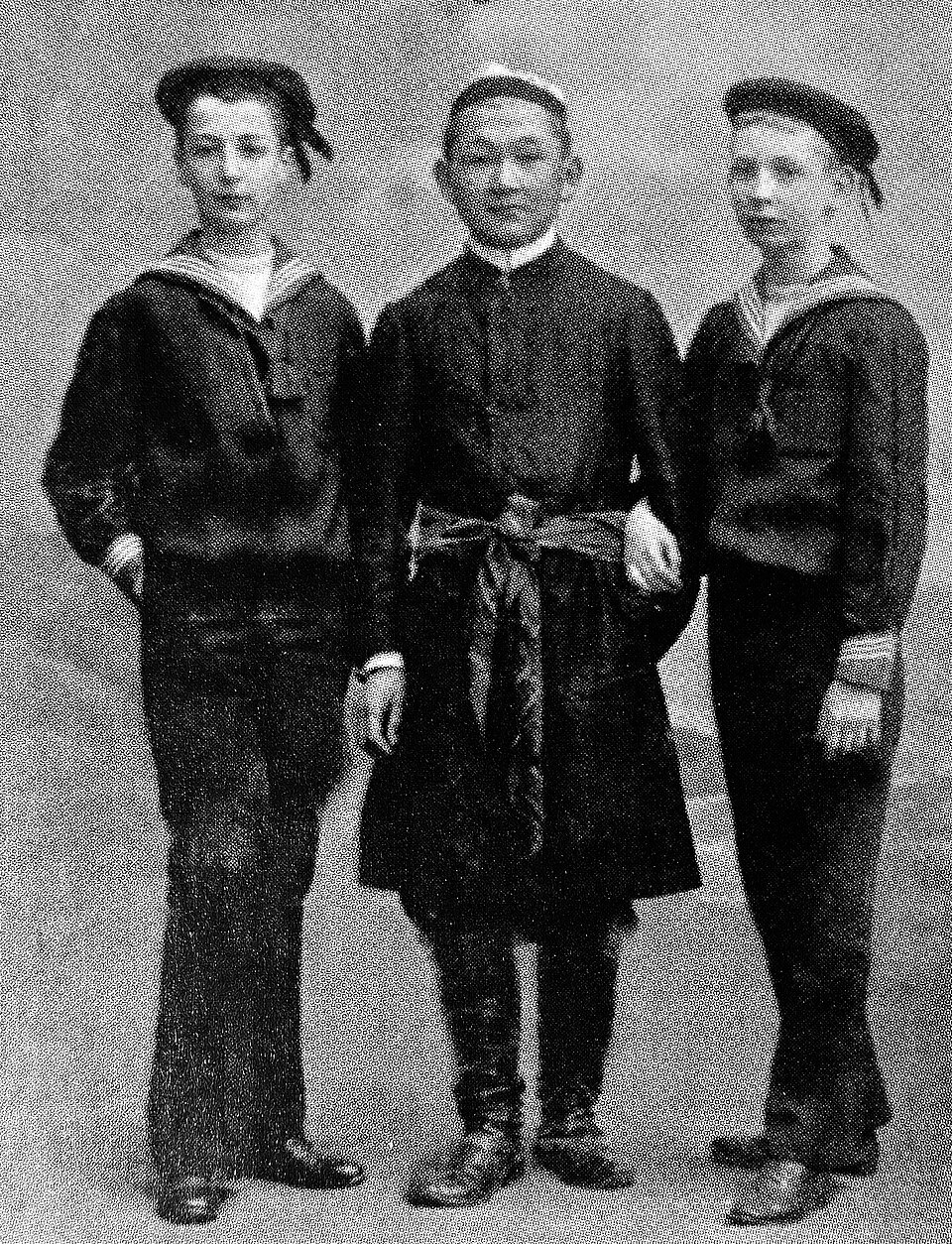
On a night sometime in the 19th century, a Kyrgyz bard called a manaschy began to chant, unaccompanied by any instrument, the tale of a boy named Manas — a story that, in some of its recorded forms, would eventually stretch past half a million lines. No book anchored the performance. No fixed script existed. What survived instead was memory, passed mouth to ear across generations, until it became the longest epic poem ever documented, dwarfing Homer's combined Iliad and Odyssey twenty times over and outrunning even the sprawling Mahabharata.
The epic's plot follows Manas, born to Jakyp, a herdsman who reaches maturity as the owner of many herds but without a single heir. When his prayers are finally answered, Jakyp dedicates a colt named Toruchaar, born the same day, to his newborn son's service. The boy grows up unlike his peers — strong, mischievous, generous — and the Oirats, sensing a threat, try and fail to capture him. Manas rallies his people instead, is elected khan, and begins a career of conquest: subduing Uyghur rulers near Jungaria, leading his people back from the Altai mountains to what became their ancestral homeland in modern Kyrgyzstan, and forging alliances through battle and marriage, including with the Afghans and the rulers of Bukhara.
The story doesn't end with Manas himself. It threads through eight generations of heroes — Semetey, Seytek, Kenenim, Seyit, Asylbacha-Bekbacha, Sombilek, and Chigitey — though it's the first three, Manas, his son Semetey, and grandson Seytek, that Kyrgyz audiences know best. Reciters who can perform all three of these episodes earn the honored title of Great Manaschy.
The first written trace of Manas and his Oirat rival Joloy appears in a Persian manuscript dated 1792, though Kyrgyz tradition insists the story is far older — old enough that in 1995 the Kyrgyz government marked what it called the epic's 1,000th anniversary.
Historians remain skeptical of that ancient dating. The events the poem describes align more closely with the 16th and 17th centuries, and scholar Arthur Thomas Hatto suggested the epic may have been shaped to glorify Sufi sheikhs of Shirkent and Kasan, possibly as late as the 18th century. Even Manas's identity has shifted with the times: in 19th-century versions he leads the Nogais, while after 1920 he becomes explicitly Kyrgyz — a transformation scholars link to the epic's growing role in nation-building.
More from Mythology

The Doctor Who Sang a Nation Into Being
A country doctor rode into the forests of Karelia armed with nothing but a notebook — and rode out with the soul of a nation.

The Boat That Carried the Sun
Every sunset, the ancient Egyptians believed, the sun climbed into a boat and sailed straight into the realm of the dead — only to fight a monstrous serpent before dawn could return.

The Wild Man of the Snows
At 21,000 feet, a colonel found tracks in the snow that he blamed on a wolf — but his guides knew better, and gave the world a name that would echo for a century.

The Knight Who Went Mad for Love: Orlando Furioso
A hero so devoted to duty he was Charlemagne's greatest paladin loses his mind—not to a sword wound, but to heartbreak. To cure him, a friend must ride a flying horse to the Moon.

The Book That Turned the World Into Myth
A poet condemned to exile spent his final years in Rome finishing a poem that would outlive empires—a poem about nothing standing still, not gods, not lovers, not even the shape of a man.

Paradise Lost: Milton's Rebel Angel
A blind poet, dictating verses in the dark, dared to explain the ways of God to men — and in doing so, made Hell's ruler unforgettable.