Viracocha: The God Who Walked Out to Sea
A bearded stranger rose from the icy waters of Lake Titicaca, built the sun and stars, then wept at what humanity became — before vanishing across the Pacific forever.
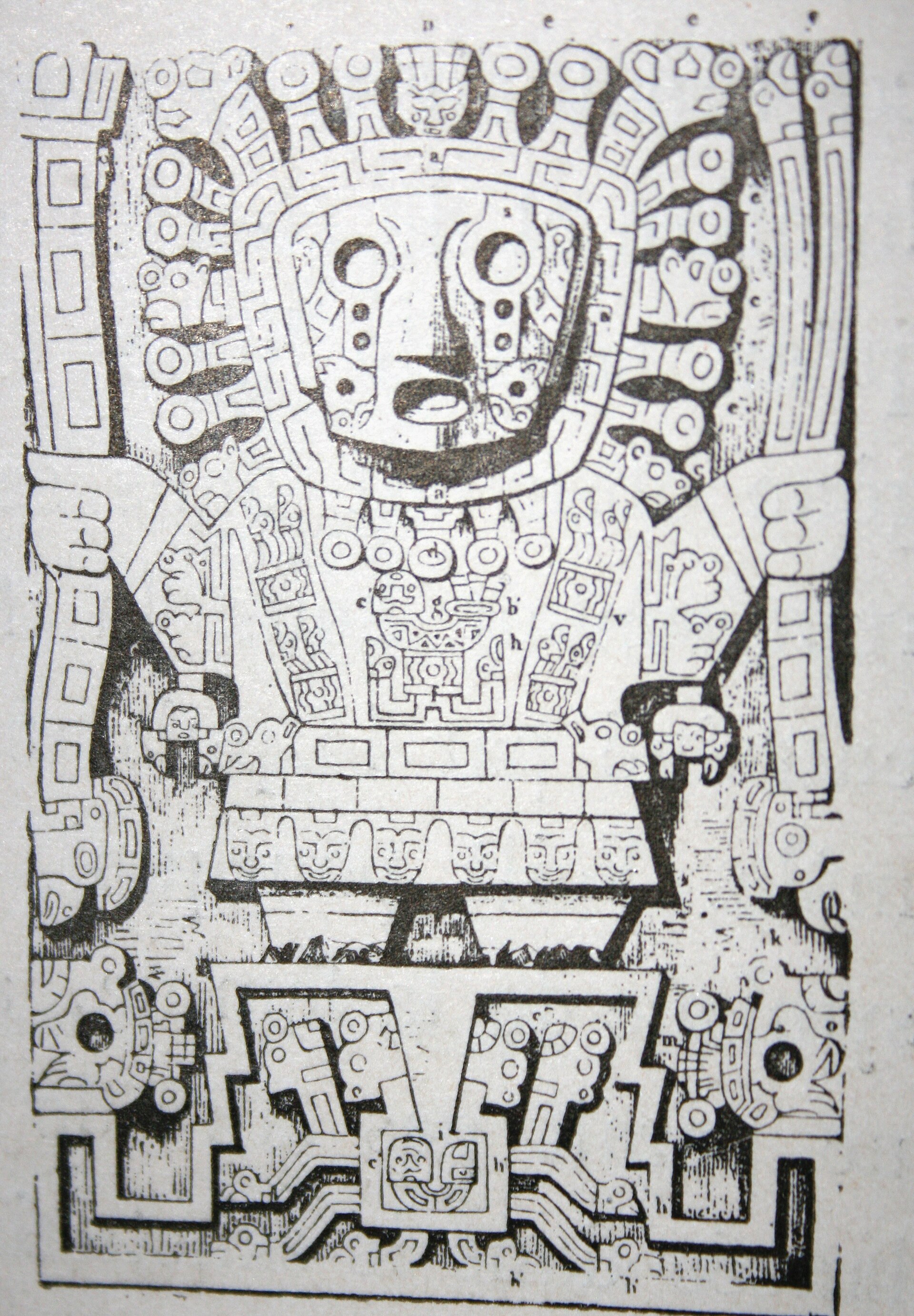
Long before the Inca Empire spread its roads across the Andes, the people of the highlands told of a time of total darkness, when nothing existed but water and silence. From the depths of Lake Titicaca, or perhaps from a hidden cave called Paqariq Tampu, rose a figure with human form — bearded, robed, and radiating unmistakable authority. This was Viracocha, and his arrival marked the beginning of everything.
He did not simply appear; he acted. Viracocha made the sun, moon, and stars, and by commanding the sun to move across the sky, he created time itself. His first attempt at people was a failure — giants formed without minds, creatures too flawed to remain. Unsatisfied, he destroyed them in a great flood and started again, breathing life into smaller stones until humanity as it would be known finally existed, then scattering these new people across the earth.
Among the Inca, Viracocha's cult outranked even that of Inti, the sun god who would later become so central to imperial religion. He was worshipped not just as a maker of things but as the very substance from which all things were formed, intimately tied to the sea. Multiple epithets attached to his name — Ticsi Viracocha, Contiti Viracocha, Pachayachachic, 'teacher of the world' — each trying to capture the scale of what he represented.
According to one account, Viracocha fathered a son, Inti, and two daughters, Mama Killa and Pachamama. In this telling, he unleashed a catastrophic deluge called Unu Pachakuti upon the people near Lake Titicaca, a flood lasting sixty days and sixty nights, sparing only two figures — Manco Cápac and Mama Uqllu — who would go on to found Inca civilization, carrying a golden staff called the tapac-yauri.
Other versions describe two sons, Imaymana and Tocapo Viracocha, sent northeast and northwest after the flood to check whether distant tribes still honored their creator's commandments. As they traveled, the brothers named every tree, flower, fruit, and herb they encountered, teaching people which plants healed and which poisoned. Their journey eventually brought them, alongside Viracocha himself, to Cusco and the Pacific coast.
More from Mythology

The Doctor Who Sang a Nation Into Being
A country doctor rode into the forests of Karelia armed with nothing but a notebook — and rode out with the soul of a nation.

The Boat That Carried the Sun
Every sunset, the ancient Egyptians believed, the sun climbed into a boat and sailed straight into the realm of the dead — only to fight a monstrous serpent before dawn could return.

The Wild Man of the Snows
At 21,000 feet, a colonel found tracks in the snow that he blamed on a wolf — but his guides knew better, and gave the world a name that would echo for a century.

The Knight Who Went Mad for Love: Orlando Furioso
A hero so devoted to duty he was Charlemagne's greatest paladin loses his mind—not to a sword wound, but to heartbreak. To cure him, a friend must ride a flying horse to the Moon.

The Book That Turned the World Into Myth
A poet condemned to exile spent his final years in Rome finishing a poem that would outlive empires—a poem about nothing standing still, not gods, not lovers, not even the shape of a man.

Paradise Lost: Milton's Rebel Angel
A blind poet, dictating verses in the dark, dared to explain the ways of God to men — and in doing so, made Hell's ruler unforgettable.