Siegfried, the Dragon's Blood, and the Curse of the Nibelung Hoard
A prince swings a blacksmith's hammer so hard the anvil sinks into the earth — and from that single blow unfolds one of Europe's darkest and most enduring tragedies.
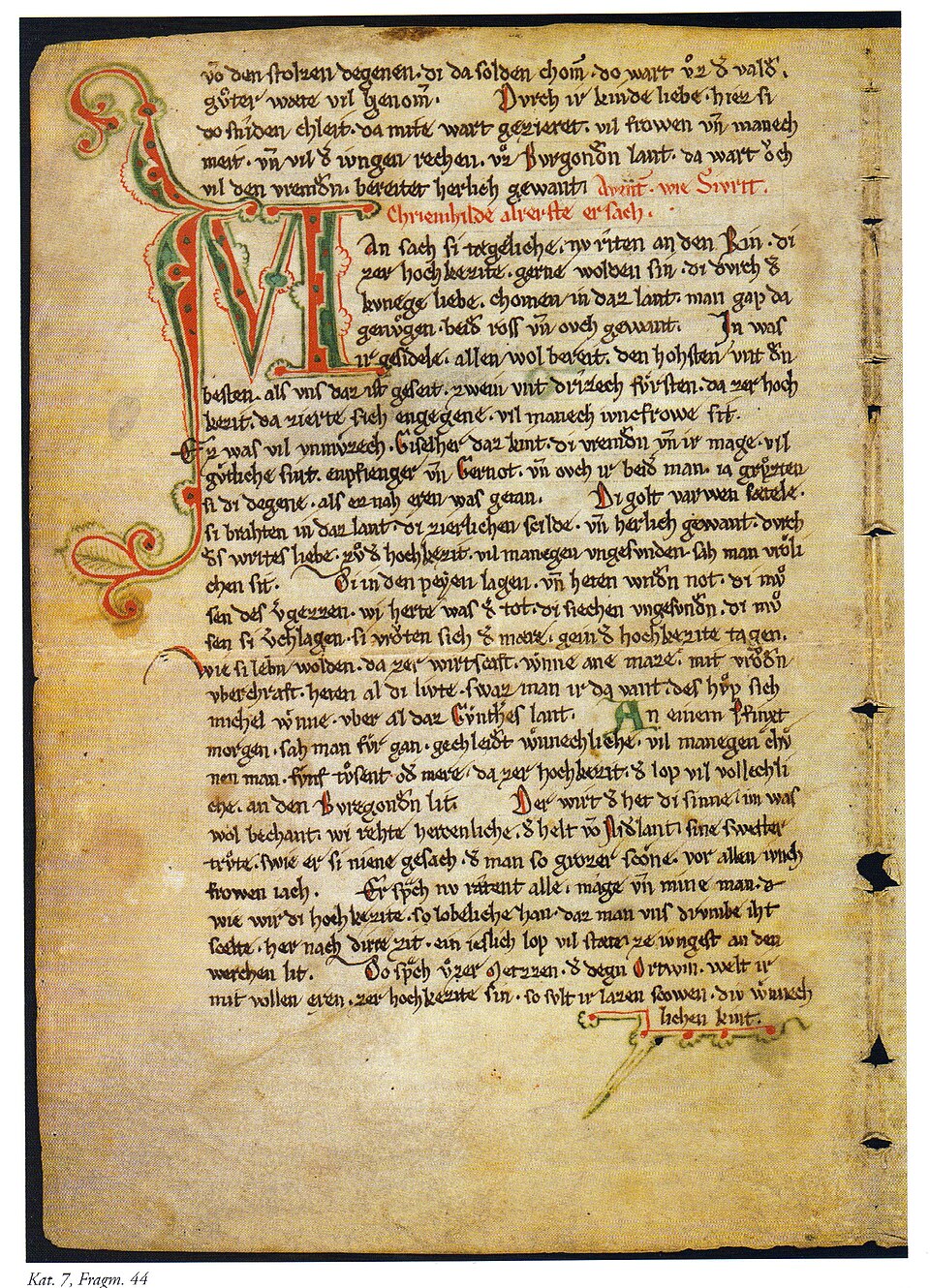
Around 1200, somewhere near the city of Passau, an anonymous poet set down in Middle High German a tale that had traveled for centuries through the oral traditions of Germanic-speaking Europe. The poem, known as the Nibelungenlied, drew on historic events and figures from the 5th and 6th centuries, and its story echoes in the Old Norse Poetic Edda and the Völsunga saga. At its heart is a prince named Siegfried, son of Siegmund and Siegelinde, who leaves his father's castle young, with only a stick in hand, to wander through villages and towns in search of adventure.
His path leads him to a blacksmith named Mimir, whom he begs to teach him the craft of the sword. Handed the heaviest hammer as a test, Siegfried strikes so ferociously that the anvil buries itself in the ground and metal scatters everywhere. Furious and frightened by his own apprentice, Mimir sends him into the forest, secretly hoping a dragon lurking there will finish him off. Siegfried instead uproots a tree, hurls it at the beast, pins it beneath falling timber, and sets the whole pile ablaze, killing the dragon.
As the dragon burns, oily fluid pours from its body. When Siegfried dips a finger into the stream and finds it hardening like horn, he bathes his entire body in the dragon's blood. But while he stands beneath a linden tree, a single leaf falls between his shoulder blades, shielding that one spot from the transformation. Everywhere else, no weapon can pierce his skin — except that hidden patch, the only place his body can ever be wounded.
Siegfried's travels take him next to the land of the Nibelungen, ruled by two kings, Schilbung and Niblung, who guard an immense treasure. At the city's gates he battles and kills the fire-breathing, scale-covered dragon guarding it. When the kings emerge, they ask him to divide the treasure between them, promising in return the finest of all swords, Balmung. Siegfried does so fairly, but the greedy kings accuse him of cheating and attack him with their warriors; Siegfried kills both kings and about five hundred fighters.
Into this bloody scene comes the dwarf Alberic, wearing the Tarnkappe, a cloak of invisibility, seeking revenge for his dead kings. He fights Siegfried fiercely but loses, and swears loyalty to him, as do all the warriors of the Nibelungen land. The entire hoard becomes Siegfried's, though he takes only a single jeweled ring from it. Alberic warns that the ring is cursed, but Siegfried ignores him and wears it anyway — and Alberic, in turn, gives him the Tarnkappe for protection.
More from Mythology

The Doctor Who Sang a Nation Into Being
A country doctor rode into the forests of Karelia armed with nothing but a notebook — and rode out with the soul of a nation.

The Boat That Carried the Sun
Every sunset, the ancient Egyptians believed, the sun climbed into a boat and sailed straight into the realm of the dead — only to fight a monstrous serpent before dawn could return.

The Wild Man of the Snows
At 21,000 feet, a colonel found tracks in the snow that he blamed on a wolf — but his guides knew better, and gave the world a name that would echo for a century.

The Knight Who Went Mad for Love: Orlando Furioso
A hero so devoted to duty he was Charlemagne's greatest paladin loses his mind—not to a sword wound, but to heartbreak. To cure him, a friend must ride a flying horse to the Moon.

The Book That Turned the World Into Myth
A poet condemned to exile spent his final years in Rome finishing a poem that would outlive empires—a poem about nothing standing still, not gods, not lovers, not even the shape of a man.

Paradise Lost: Milton's Rebel Angel
A blind poet, dictating verses in the dark, dared to explain the ways of God to men — and in doing so, made Hell's ruler unforgettable.