Medea: The Sorceress Who Made Betrayal Bleed
She helped a stranger steal her father's crown jewel, killed her own half-brother to buy his escape — and years later, love curdled into the most terrible revenge myth ever told.
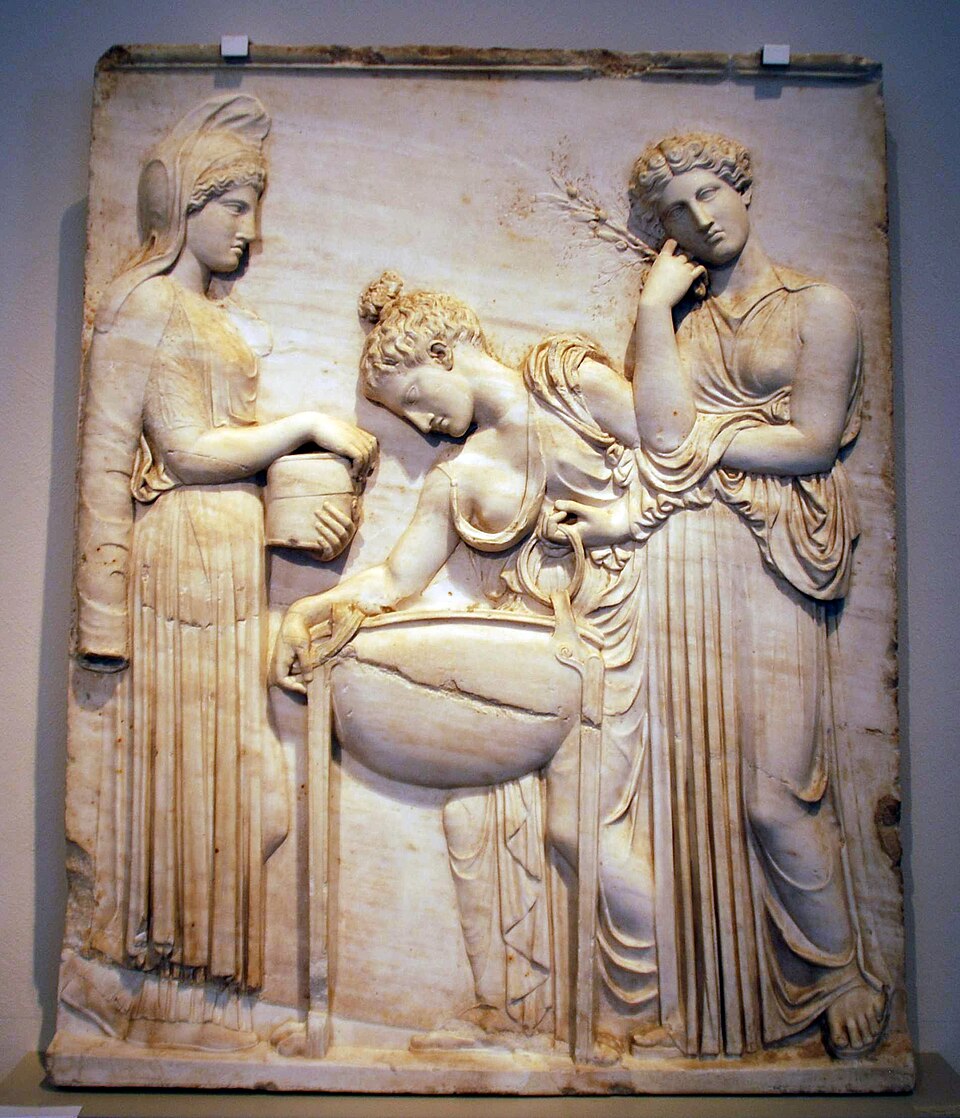
In Colchis, on the eastern edge of the Black Sea, a princess with pale, glittering eyes lived in the shadow of the Golden Fleece — a relic so potent it symbolized dominion over the world. Medea was no ordinary royal daughter. As granddaughter of the sun god Helios and niece of the enchantress Circe, she was steeped in pharmakeía, the medicinal magic later ages would simply call witchcraft. She served, by many accounts, as a high priestess of Hecate, goddess of sorcery — a lineage of power running through her like a current.
Into this world sailed Jason, leader of the Argonauts, come to claim the Fleece and with it his stolen inheritance from Iolcus. King Aeëtes set him impossible tasks: yoke fire-breathing oxen, plow a field with them, sow dragon's teeth that would spring into armed men. Hera convinced Aphrodite or Eros to cast a spell on Medea, making her fall hopelessly in love with the visiting hero. She struck a bargain — her skills for his vow of marriage — and gave him the 'Charm of Prometheus,' an unguent to shield him from the bulls' fire. When the dragon's-teeth soldiers rose from the earth, she told Jason to hurl a stone among them, turning their confusion into mutual slaughter.
The final guardian was a sleepless dragon coiled around the Fleece itself. Medea lulled it with narcotic herbs, and Jason seized the prize. But escape demanded a darker price: to delay her father's pursuing fleet, Medea killed Absyrtus — by some accounts her full brother, by others a half-brother born to Aeëtes through a different mother, Asterodea. Whatever the exact bond, sources agree she sacrificed kin for the man she loved. The Argonauts fled westward, leaving Colchis in ruin and grief behind them.
Jason and Medea eventually settled in Corinth, married, and built a decade of life together, raising children — sources differ on their number, from two named sons in Euripides's telling to fourteen in other accounts. For ten years, the marriage held. Then Jason, eyeing a more advantageous match, moved to abandon Medea for Creusa, daughter of King Creon, intending to discard the foreign sorceress who had made his glory possible.
Creon exiled Medea from Corinth. Before leaving, she found refuge promised by King Aegeus of Athens, who wanted her magic to help him father an heir. But first came vengeance. Medea sent Creusa a poisoned crown and robe as a wedding gift — a gift that killed the bride in agony. Then, in the myth's most searing act, she killed her own sons by Jason, ensuring he would live out his life without heir or legacy, hollowed by the very love he had betrayed.
More from Mythology

The Doctor Who Sang a Nation Into Being
A country doctor rode into the forests of Karelia armed with nothing but a notebook — and rode out with the soul of a nation.

The Boat That Carried the Sun
Every sunset, the ancient Egyptians believed, the sun climbed into a boat and sailed straight into the realm of the dead — only to fight a monstrous serpent before dawn could return.

The Wild Man of the Snows
At 21,000 feet, a colonel found tracks in the snow that he blamed on a wolf — but his guides knew better, and gave the world a name that would echo for a century.

The Knight Who Went Mad for Love: Orlando Furioso
A hero so devoted to duty he was Charlemagne's greatest paladin loses his mind—not to a sword wound, but to heartbreak. To cure him, a friend must ride a flying horse to the Moon.

The Book That Turned the World Into Myth
A poet condemned to exile spent his final years in Rome finishing a poem that would outlive empires—a poem about nothing standing still, not gods, not lovers, not even the shape of a man.

Paradise Lost: Milton's Rebel Angel
A blind poet, dictating verses in the dark, dared to explain the ways of God to men — and in doing so, made Hell's ruler unforgettable.