The Archer Who Split an Apple, and a Nation's Chains
An arrow through an apple, a second bolt hidden for a tyrant — the shot that Switzerland has told for six centuries.
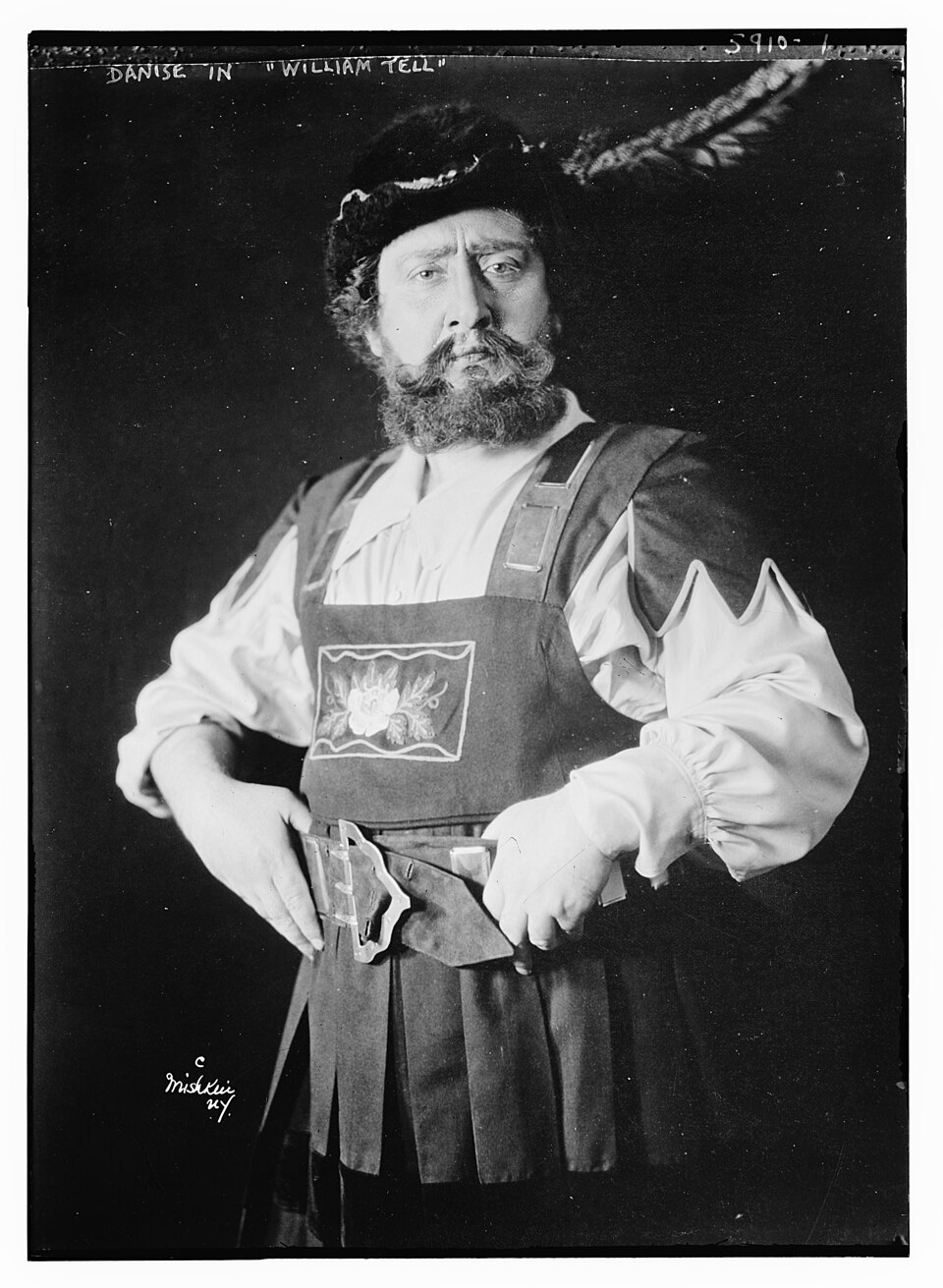
In the traditional telling, the date is precise: 18 November 1307. Albrecht Gessler, the Austrian Habsburg reeve of Altdorf in the canton of Uri, has raised a pole in the village square, hung his ducal hat atop it, and ordered every passerby to bow before it as a sign of submission. Wilhelm Tell, said in popular legend to be a poor farmworker from Bürglen, was nonetheless known far and wide as an expert mountain climber and marksman with the crossbow. He walks past the pole with his young son and refuses to bow.
For his defiance Tell is arrested. Gessler, both intrigued by Tell's reputation as an archer and resentful of his insolence, devises a punishment as cruel as it is theatrical: Tell and his son will both be executed unless the father can shoot an apple from the boy's head in a single shot. Tell takes the challenge. He splits the apple clean, sparing his son.
But Gessler notices something: Tell had drawn not one but two bolts from his quiver before the shot. Pressed to explain, Tell hesitates. Only after Gessler promises to spare his life does Tell admit the truth — the second bolt was meant for Gessler himself, had the first one struck his son. Enraged at being outwitted rather than obeyed, Gessler goes back on the spirit of his promise: he will not kill Tell, but he will imprison him for life in the dungeon at Küssnacht.
Tell is bound and placed in a boat bound across Lake Lucerne. A storm rises, threatening to capsize the vessel, and the terrified guards beg Gessler to free Tell so he can take the helm and save them all. Gessler relents. Tell steers the boat to a rocky shelf — remembered ever since as the Tellsplatte, marked by a memorial chapel since the 16th century — and leaps to freedom, letting the boat drift on without him.
More from Mythology

The Doctor Who Sang a Nation Into Being
A country doctor rode into the forests of Karelia armed with nothing but a notebook — and rode out with the soul of a nation.

The Boat That Carried the Sun
Every sunset, the ancient Egyptians believed, the sun climbed into a boat and sailed straight into the realm of the dead — only to fight a monstrous serpent before dawn could return.

The Wild Man of the Snows
At 21,000 feet, a colonel found tracks in the snow that he blamed on a wolf — but his guides knew better, and gave the world a name that would echo for a century.

The Knight Who Went Mad for Love: Orlando Furioso
A hero so devoted to duty he was Charlemagne's greatest paladin loses his mind—not to a sword wound, but to heartbreak. To cure him, a friend must ride a flying horse to the Moon.

The Book That Turned the World Into Myth
A poet condemned to exile spent his final years in Rome finishing a poem that would outlive empires—a poem about nothing standing still, not gods, not lovers, not even the shape of a man.

Paradise Lost: Milton's Rebel Angel
A blind poet, dictating verses in the dark, dared to explain the ways of God to men — and in doing so, made Hell's ruler unforgettable.