The Making of a Monster: Vlad the Impaler and the Birth of Dracula
Long before he was a vampire in a Victorian novel, he was a prince who impaled his enemies by the thousands — and forced a sultan to flee his own capital city in the dead of night.
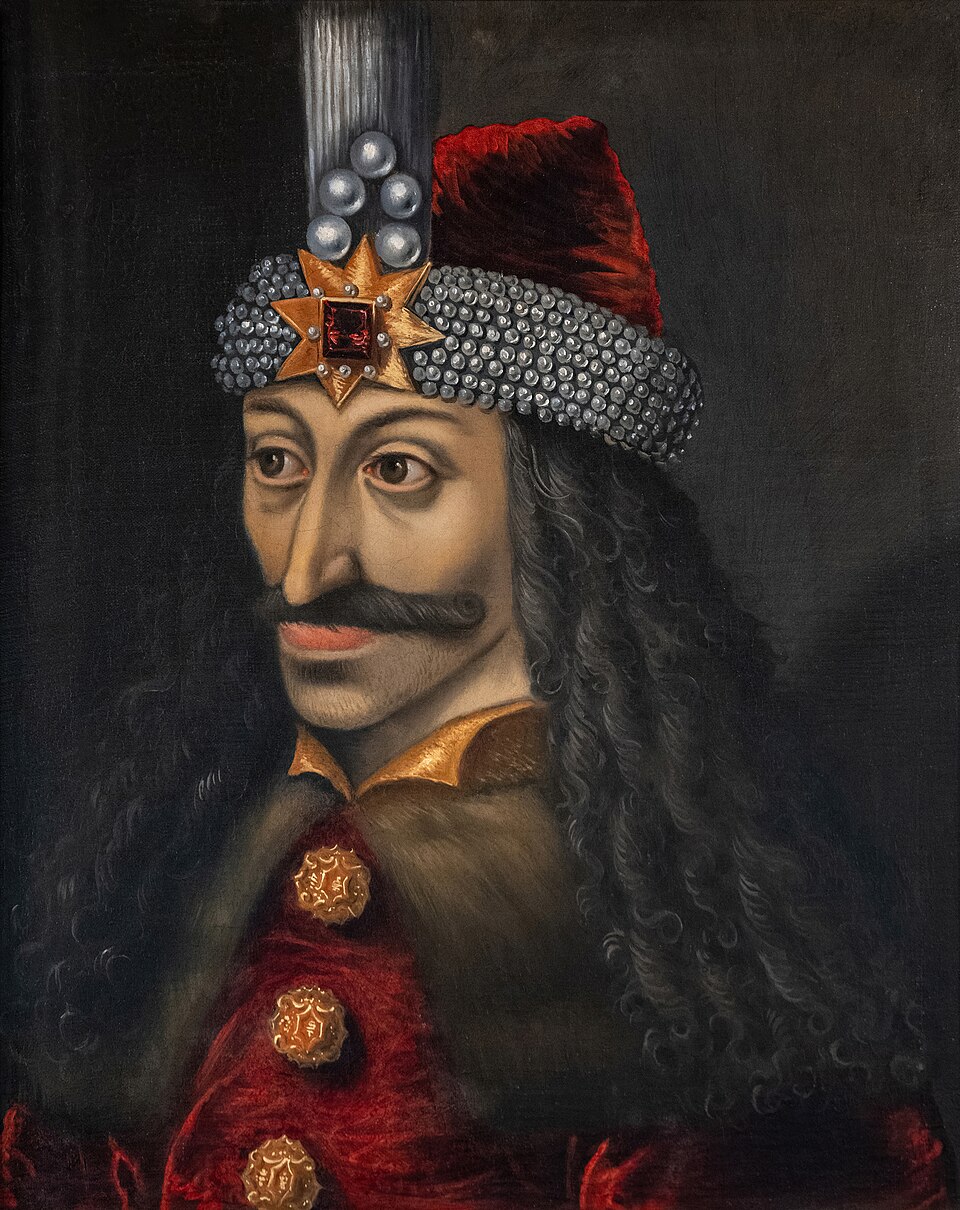
In 1442, Vlad and his younger brother Radu were sent as hostages into the Ottoman Empire to guarantee their father's loyalty to the Sultan, held first at Eğrigöz Castle near Kütahya, then at Tokat, and finally at Edirne. He was not yet twenty when, in October 1448, he broke into Wallachia with Ottoman backing in a bid to reclaim the throne his own father had lost — an attempt that collapsed almost immediately, forcing him back into Ottoman refuge and, soon after, into exile. That father, Vlad II, had earned the surname 'Dracul' — the Dragon — for his membership in the Order of the Dragon, a Christian fraternity sworn to resist the Ottoman advance. It was an irony that would echo through the centuries: the son of the Dragon, raised among the empire his father opposed, would become the very embodiment of resistance and terror that history remembers as Dracula.
Vlad's early life was defined by betrayal and violence on all sides. In 1447, John Hunyadi, the regent-governor of Hungary, invaded Wallachia and had Vlad's father and elder brother Mircea murdered. Hunyadi installed a cousin, Vladislav II, on the throne instead. Vlad, cast out after his failed 1448 attempt, drifted between Moldavia and refuge in Hungary, learning the brutal calculus of power that would define his reign. When relations between Hungary and Vladislav soured, Vlad seized his chance: in 1456, with Hungarian support, he invaded Wallachia, killed Vladislav, and took the throne as Vlad III.
What followed was a reign remembered less for governance than for terror. To break the power of the Wallachian boyars who threatened him, Vlad launched a ruthless purge. He clashed with the Transylvanian Saxons who backed his rivals — his illegitimate half-brother Vlad Călugărul and Vladislav's brothers, Dan and Basarab Laiotă — and in retaliation he plundered Saxon villages, dragging captives back to Wallachia to be impaled. It was this signature execution, inflicted on friend and foe alike, that gave him the epithet by which history remembers him: Vlad Țepeș, the Impaler.
His defiance soon turned toward the Ottoman Empire itself. When Sultan Mehmed II demanded Vlad appear before him in person to pay homage, Vlad instead captured the Sultan's two envoys and had them impaled — a calculated insult with no room for diplomacy. In January 1462, he struck deep into Ottoman territory, massacring tens of thousands of Turks and Muslim Bulgarians in a scorched-earth campaign designed to terrify. Mehmed responded by marching on Wallachia, intending to replace Vlad with his more compliant brother, Radu.
More from Mythology

The Doctor Who Sang a Nation Into Being
A country doctor rode into the forests of Karelia armed with nothing but a notebook — and rode out with the soul of a nation.

The Boat That Carried the Sun
Every sunset, the ancient Egyptians believed, the sun climbed into a boat and sailed straight into the realm of the dead — only to fight a monstrous serpent before dawn could return.

The Wild Man of the Snows
At 21,000 feet, a colonel found tracks in the snow that he blamed on a wolf — but his guides knew better, and gave the world a name that would echo for a century.

The Knight Who Went Mad for Love: Orlando Furioso
A hero so devoted to duty he was Charlemagne's greatest paladin loses his mind—not to a sword wound, but to heartbreak. To cure him, a friend must ride a flying horse to the Moon.

The Book That Turned the World Into Myth
A poet condemned to exile spent his final years in Rome finishing a poem that would outlive empires—a poem about nothing standing still, not gods, not lovers, not even the shape of a man.

Paradise Lost: Milton's Rebel Angel
A blind poet, dictating verses in the dark, dared to explain the ways of God to men — and in doing so, made Hell's ruler unforgettable.