The Argonautica: Chasing the Golden Fleece
A prince arrives in a strange city with one bare foot, unaware that a prophecy has already marked him for a doomed voyage — and an epic poet in Alexandria will spend centuries making sure the world never forgets it.
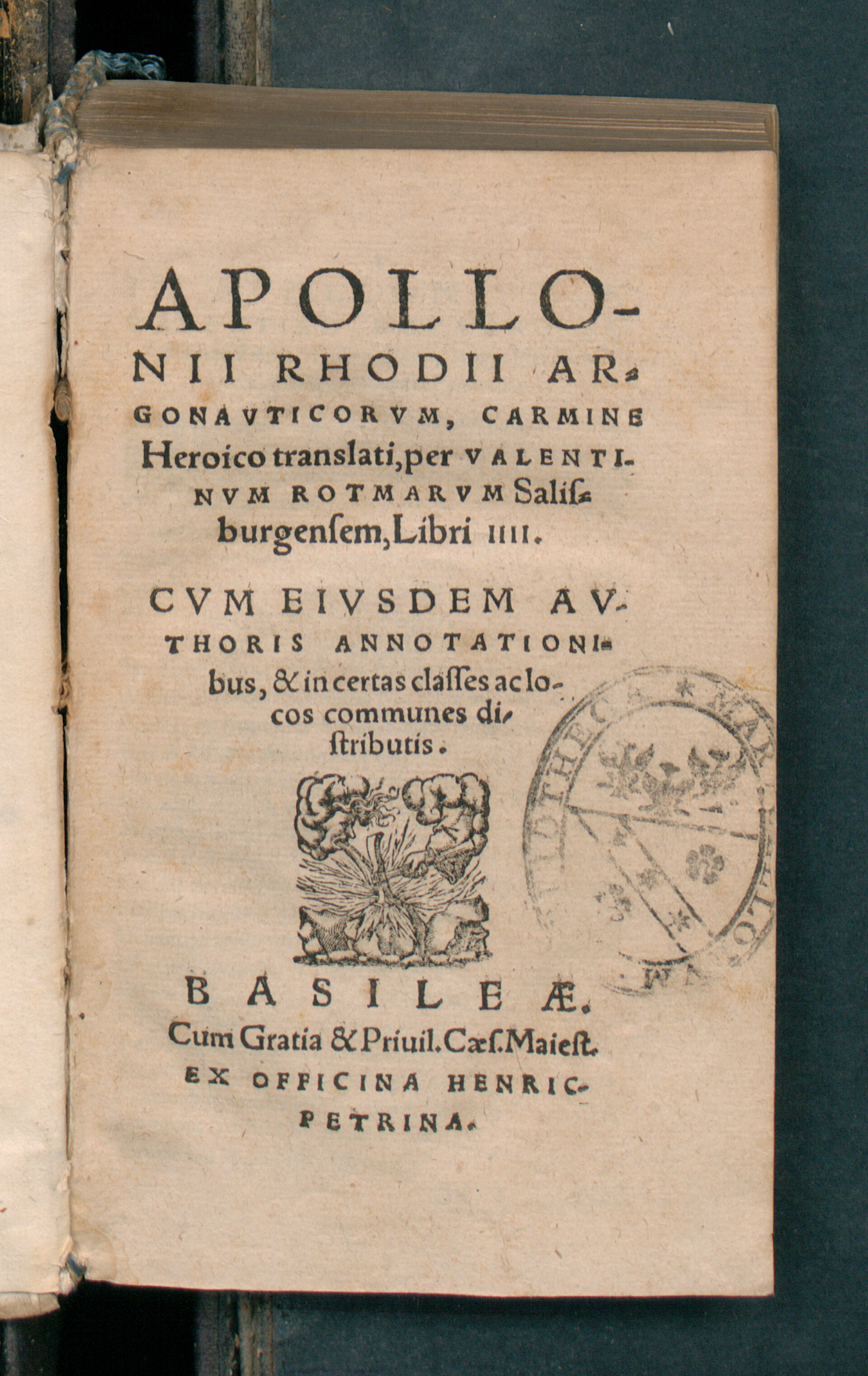
In the third century BC, a scholar-poet named Apollonius of Rhodes sat down to do something almost impossible: rewrite Homer for an audience that had grown tired of Homer. The result was the Argonautica, the only Hellenistic epic that survives to us complete, and it tells a story every reader of his day already knew by heart — the voyage of Jason and his crew to fetch the Golden Fleece from the far edge of the world.
The fleece itself carried its own tragedy. In Thessaly, King Athamas had two children, Phrixos and Helle, by the goddess Nephele, but he cast her aside to marry Ino, who then plotted to have Phrixos sacrificed by rigging a false prophecy about a grain blight. As Phrixos was led to the altar, Nephele sent a ram with golden wool to rescue her children, carrying them through the sky. Helle fell into the strait now named Hellespont after her; Phrixos alone reached Colchis, where King Aeetes welcomed him. Phrixos sacrificed the ram to Zeus and gave its fleece to Aeetes, who hung it on an oak guarded by a serpent-like beast.
Back in Iolkos, Thessaly, a succession quarrel simmered. King Cretheus's son Aeson was the rightful heir, but his half-brother Pelias seized the throne, claiming descent from Poseidon. Warned by oracles that a man of royal blood would kill him, Pelias did not dare kill Aeson outright — he simply imprisoned him and his wife. When their son was born, Pelias ordered the infant killed, but Aeson secretly smuggled the baby to the centaur Chiron, who raised him on Mount Pelion. It was Chiron who gave the boy the name Jason.
A second prophecy warned Pelias that he would be slain by a stranger who entered the city wearing only one sandal. Years later, Jason, traveling from Chiron's cave toward Iolkos, lost a sandal crossing a swift river — in some versions while carrying an old woman, later revealed as Hera, across the water. He walked into the city exactly as foretold.
At a sacrificial feast, Pelias spotted the one-sandaled youth and remembered the prophecy. Rather than kill him outright, he devised a subtler trap: he would send Jason on a voyage almost impossible to survive, to Colchis, to retrieve the Golden Fleece. Pelias promised a magnificent ship and a crew of the region's finest young men. The shipbuilder Argos, aided by the goddess Athena, built a fifty-oared vessel named Argo, and the volunteers who joined it became known as the Argonauts — among them Castor and Polydeuces, Peleus (father of the future hero Achilles), the winged brothers Calais and Zetes, and Heracles himself.
More from Mythology

The Doctor Who Sang a Nation Into Being
A country doctor rode into the forests of Karelia armed with nothing but a notebook — and rode out with the soul of a nation.

The Boat That Carried the Sun
Every sunset, the ancient Egyptians believed, the sun climbed into a boat and sailed straight into the realm of the dead — only to fight a monstrous serpent before dawn could return.

The Wild Man of the Snows
At 21,000 feet, a colonel found tracks in the snow that he blamed on a wolf — but his guides knew better, and gave the world a name that would echo for a century.

The Knight Who Went Mad for Love: Orlando Furioso
A hero so devoted to duty he was Charlemagne's greatest paladin loses his mind—not to a sword wound, but to heartbreak. To cure him, a friend must ride a flying horse to the Moon.

The Book That Turned the World Into Myth
A poet condemned to exile spent his final years in Rome finishing a poem that would outlive empires—a poem about nothing standing still, not gods, not lovers, not even the shape of a man.

Paradise Lost: Milton's Rebel Angel
A blind poet, dictating verses in the dark, dared to explain the ways of God to men — and in doing so, made Hell's ruler unforgettable.