Emilie Schindler: The Other Half of the List
Everyone knows the man's name. Fewer know it was his wife who slipped bread under a starving man's shirt while distracting the SS guard.
On a farm in Alt Moletein, in what is now the Czech Republic, a girl named Emilie Pelzl grew up captivated by nature, animals, and the wandering Romani who camped near her village. She had no way of knowing that this quiet rural childhood would one day place her at the center of one of the twentieth century's most extraordinary rescues.
In 1928, a young salesman named Oskar Schindler arrived to sell electric motors to her father. Six weeks later, on 6 March 1928, they married in an inn outside Svitavy. Emilie later described her husband with unflinching honesty: a man with a big heart, affable and generous, but immature, prone to lying and deceiving her, always returning sorry 'like a boy caught in mischief,' asking forgiveness—and then they would start all over again.
By 1938, unemployed and adrift, Oskar joined the Nazi Party and moved to Kraków, leaving Emilie behind in Svitavy. There he took over a bankrupt enamelware factory, renaming it Deutsche Emaillewaren-Fabrik, and staffed it with Jewish workers because they were the cheapest labor available. But what began as opportunism turned into something else entirely once the Schindlers saw the brutality unfolding around them.
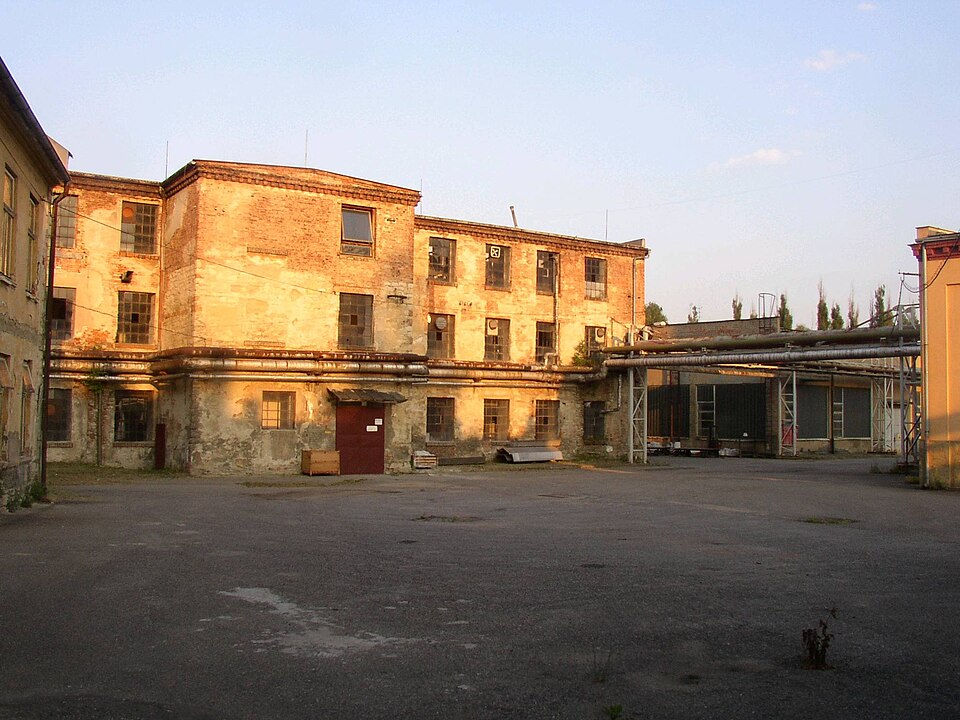
Together they began protecting their workers—first through bribes to SS guards, later by classifying their laborers as essential to war production, manufacturing munitions for the Reich. As money ran short, Emilie sold her own jewels to buy food, clothing, and medicine. She ran a secret sanatorium in the camp at Brněnec, tending to sick workers with medical equipment bought on the black market.
Survivor Maurice Markheim remembered one particular act vividly: Emilie secured a truckload of bread through the black market and had him unload it. While she distracted the SS by turning and talking to them, he slipped a loaf under his shirt—deliberately, he was certain. 'A loaf of bread at that point was gold,' he said, adding that behind the man was the woman, and she was the great human being.
More from People

Frida Kahlo: Painting Through the Pain
An iron handrail pierced a teenage girl's body on a Mexico City street — and out of that wreckage came one of the most searingly honest artists of the twentieth century.

The Ox-Cart and the Snow: Şerife Bacı's Last Road
Somewhere on a frozen road outside Kastamonu, a young mother pressed her body against a quilt to keep her infant warm through the night. By morning, she had become a legend.

Pompey the Great: The Friendship That Broke Rome
He was called 'the teenage butcher' by his enemies and 'the Great' by his mentor — and the empire he helped build would ultimately be the death of him.

The Third Pole: How Hunt, Hillary and Tenzing Conquered Everest
For decades the world's highest mountain had turned back every climber who dared it — sometimes swallowing them whole. In the spring of 1953, one expedition finally reached the point where the sky simply stopped going up.

Two Rivals Under One Roof: Picasso and Matisse
Long before they were named together as the twin poles of modern art, they were simply two names on the walls of the same small Paris gallery — one already known for wild colour, the other not yet known at all.

Fire and Ice: The Borg–McEnroe Rivalry
One man never raised his voice. The other rarely lowered his. Between them they produced two of the greatest matches tennis has ever seen.