Fischer and Spassky: A Cold War Fought in 64 Squares
He learned chess at five, on a train fleeing the siege of Leningrad. Decades later, he would lose a world crown in Reykjavik in a match the whole planet was watching.
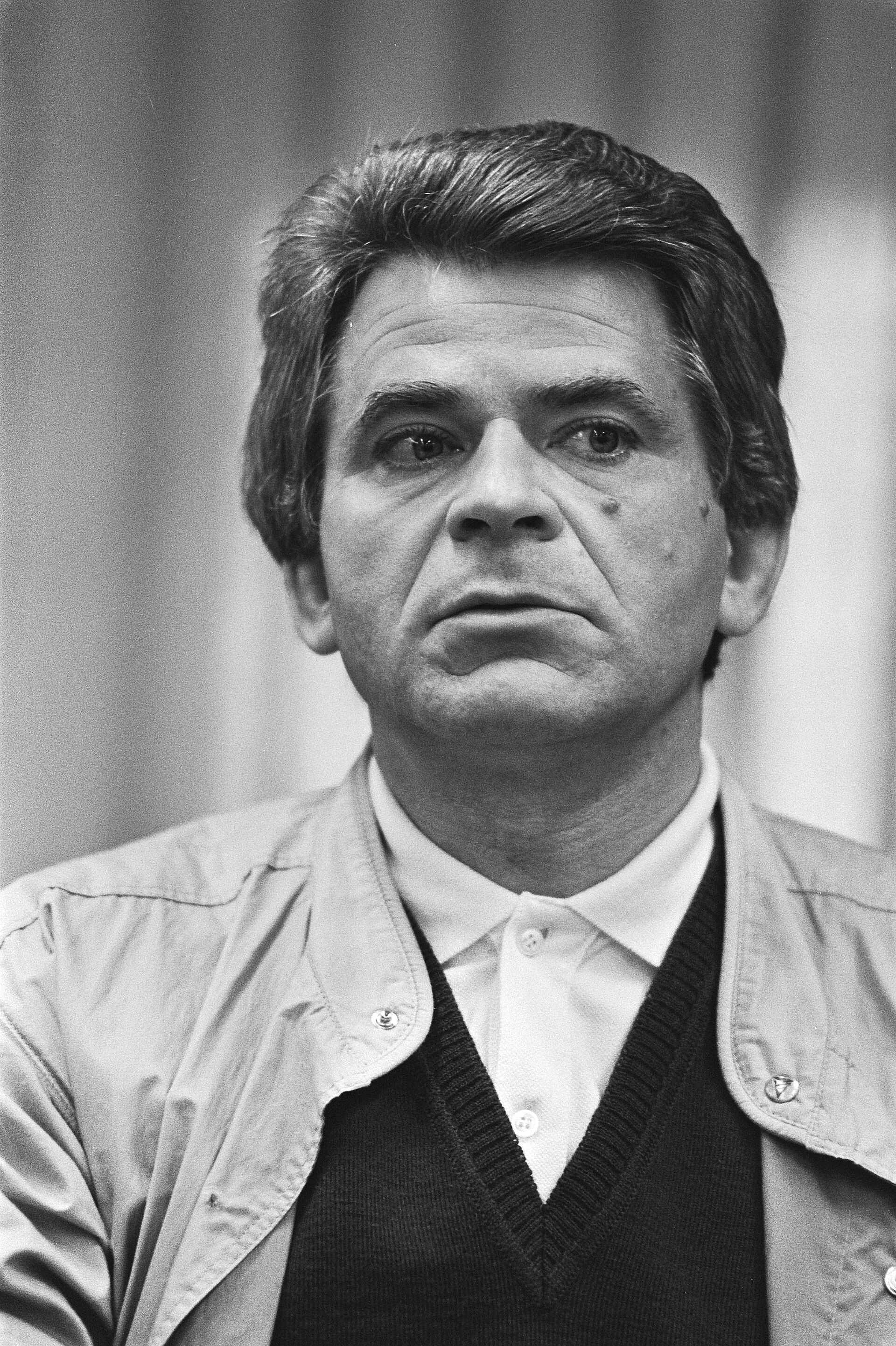
Boris Vasilyevich Spassky was born in Leningrad on January 30, 1937, into a family with deep roots — his great-grandfather had been a prominent Russian Orthodox priest and State Duma deputy, his mother a schoolteacher born out of wedlock in a Pskov village. War arrived early in his life: during the siege of Leningrad, the young Boris learned chess aboard an evacuation train, and was later sent to an orphanage in Siberia. Chess became his anchor in the chaos.
His talent surfaced almost as soon as the war ended. At ten, in 1947, he defeated Soviet champion Mikhail Botvinnik in a simultaneous exhibition in Leningrad, a result that turned heads across the Soviet chess establishment. Under coach Vladimir Zak, Spassky broke record after record: youngest Soviet player to reach first category at ten, candidate master at eleven, and Soviet Master at fifteen. By fifteen, he was already scoring well in Soviet Championship qualifiers and drawing praise from Botvinnik himself.
His international career began in 1953 in Bucharest, where at sixteen he tied for fourth and defeated Vasily Smyslov, who would challenge for the world title the following year. That same year FIDE awarded him the International Master title. In 1955, at the Soviet Championship final in Moscow, he tied for third place, which qualified him for that year's Gothenburg Interzonal. In that same year he also won the World Junior Chess Championship in Antwerp. By sharing seventh place at Gothenburg, he qualified for the 1956 Candidates' Tournament in Amsterdam, automatically becoming, at the time, the youngest grandmaster in the world.
The path to the top was not smooth. Spassky endured a difficult stretch through the late 1950s: a divorce in 1961, a break with his trainer Alexander Tolush the same year, and repeated failures to qualify for the Interzonals in 1958 and 1962. A crushing near-miss came in the 1958 Soviet championship in Riga, where he lost the final round to Mikhail Tal after missing a win and declining a draw that would have secured his qualification.
Spassky rebuilt himself and, in 1964, at twenty-seven, won the Candidates' Tournament, earning the right to challenge for the World Championship. In 1966 he faced reigning champion Tigran Petrosian and lost narrowly, 11.5–12.5. Rather than retreat, he entered the 1968 Candidates' Tournament, won it again — joining a small group of players to win consecutive Candidates' tournaments — and in 1969 defeated Petrosian 12.5–10.5 to become the tenth World Chess Champion.
More from People

Frida Kahlo: Painting Through the Pain
An iron handrail pierced a teenage girl's body on a Mexico City street — and out of that wreckage came one of the most searingly honest artists of the twentieth century.

The Ox-Cart and the Snow: Şerife Bacı's Last Road
Somewhere on a frozen road outside Kastamonu, a young mother pressed her body against a quilt to keep her infant warm through the night. By morning, she had become a legend.

Pompey the Great: The Friendship That Broke Rome
He was called 'the teenage butcher' by his enemies and 'the Great' by his mentor — and the empire he helped build would ultimately be the death of him.

The Third Pole: How Hunt, Hillary and Tenzing Conquered Everest
For decades the world's highest mountain had turned back every climber who dared it — sometimes swallowing them whole. In the spring of 1953, one expedition finally reached the point where the sky simply stopped going up.

Two Rivals Under One Roof: Picasso and Matisse
Long before they were named together as the twin poles of modern art, they were simply two names on the walls of the same small Paris gallery — one already known for wild colour, the other not yet known at all.

Fire and Ice: The Borg–McEnroe Rivalry
One man never raised his voice. The other rarely lowered his. Between them they produced two of the greatest matches tennis has ever seen.