Nelson Mandela: Forgiving After 27 Years
He walked out of prison at 71, having lost nearly three decades of his life to a cell on Robben Island — and chose reconciliation over revenge.
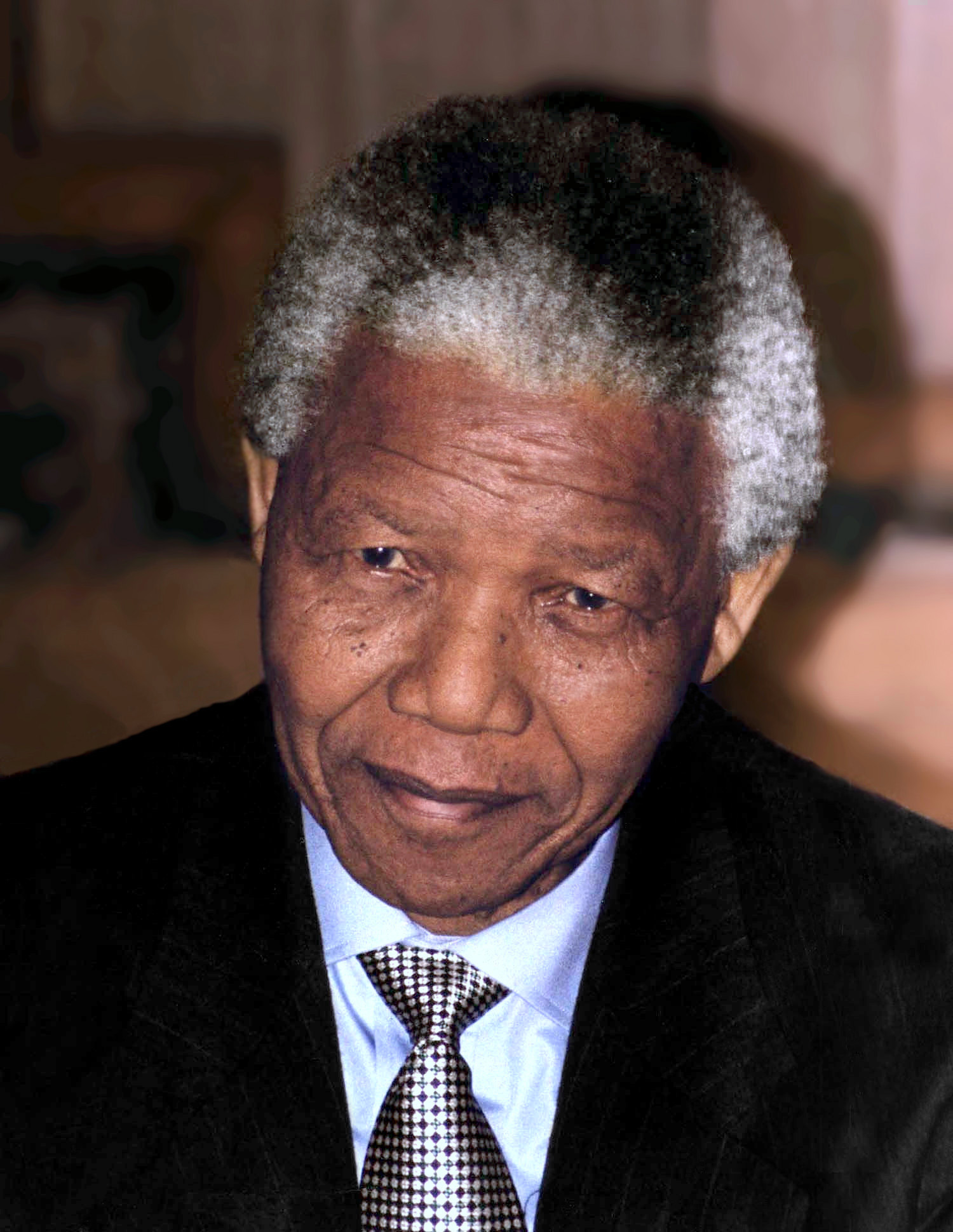
Nelson Rolihlahla Mandela was born on 18 July 1918 in the village of Mvezo, part of South Africa's Cape Province, into the royal family of the Thembu people. His given name, Rolihlahla, colloquially meant 'troublemaker' in Xhosa — a name that would prove prophetic. His father, Gadla Henry Mphakanyiswa Mandela, was a local chief and royal councillor who was dismissed from his post in 1926, officially for corruption, though young Nelson was told his father had lost his job for standing up to a magistrate's unreasonable demands. After his father's death, young Mandela was raised under the guardianship of the Thembu regent, Chief Jongintaba Dalindyebo, at the Great Place palace in Mqhekezweni.
Mandela studied law at the University of Fort Hare and later the University of Witwatersrand, eventually working as a lawyer in Johannesburg, becoming the country's first Black lawyer. There he became drawn into anti-colonial and African nationalist politics, joining the African National Congress in 1943 and co-founding its Youth League the following year. When the National Party's white-only government formally established apartheid in 1948, Mandela and the ANC committed themselves to dismantling it.
He rose to prominence through the 1952 Defiance Campaign and the 1955 Congress of the People, and was repeatedly arrested for seditious activities. He stood trial in the Treason Trial that ran from 1956, and though initially committed to non-violent protest, he secretly joined the banned South African Communist Party. In 1961, working with the SACP, he co-founded the militant wing uMkhonto we Sizwe, which carried out a sabotage campaign against the apartheid state.
In January 1962, Mandela travelled abroad seeking support, touring England and African nations and securing arms and funding from African and socialist countries. On his return, he and his colleagues were tried for leaving the country illegally, incitement, and sabotage. Mandela argued that Black South Africans were not bound to obey laws made by a parliament in which they had no representation. Following the Rivonia Trial, he was sentenced to life imprisonment in 1964 for conspiring to overthrow the state.
Mandela served 27 years in prison, most of it on Robben Island and later at Pollsmoor Prison, becoming, in the words of observers, the world's most famous prisoner. As international and domestic pressure mounted through the 1980s amid fears of racial civil war, President F. W. de Klerk released him unconditionally in 1990. Mandela was 71 years old, and his release was celebrated by Black South Africans and many whites alike.
More from People

Frida Kahlo: Painting Through the Pain
An iron handrail pierced a teenage girl's body on a Mexico City street — and out of that wreckage came one of the most searingly honest artists of the twentieth century.

The Ox-Cart and the Snow: Şerife Bacı's Last Road
Somewhere on a frozen road outside Kastamonu, a young mother pressed her body against a quilt to keep her infant warm through the night. By morning, she had become a legend.

Pompey the Great: The Friendship That Broke Rome
He was called 'the teenage butcher' by his enemies and 'the Great' by his mentor — and the empire he helped build would ultimately be the death of him.

The Third Pole: How Hunt, Hillary and Tenzing Conquered Everest
For decades the world's highest mountain had turned back every climber who dared it — sometimes swallowing them whole. In the spring of 1953, one expedition finally reached the point where the sky simply stopped going up.

Two Rivals Under One Roof: Picasso and Matisse
Long before they were named together as the twin poles of modern art, they were simply two names on the walls of the same small Paris gallery — one already known for wild colour, the other not yet known at all.

Fire and Ice: The Borg–McEnroe Rivalry
One man never raised his voice. The other rarely lowered his. Between them they produced two of the greatest matches tennis has ever seen.