The Champion Who Carried Secrets in His Frame
He was already a two-time Tour de France legend when he vanished for hours on training rides through Tuscany. Officially, he was just cycling. Unofficially, he was carrying something far more dangerous than a water bottle.
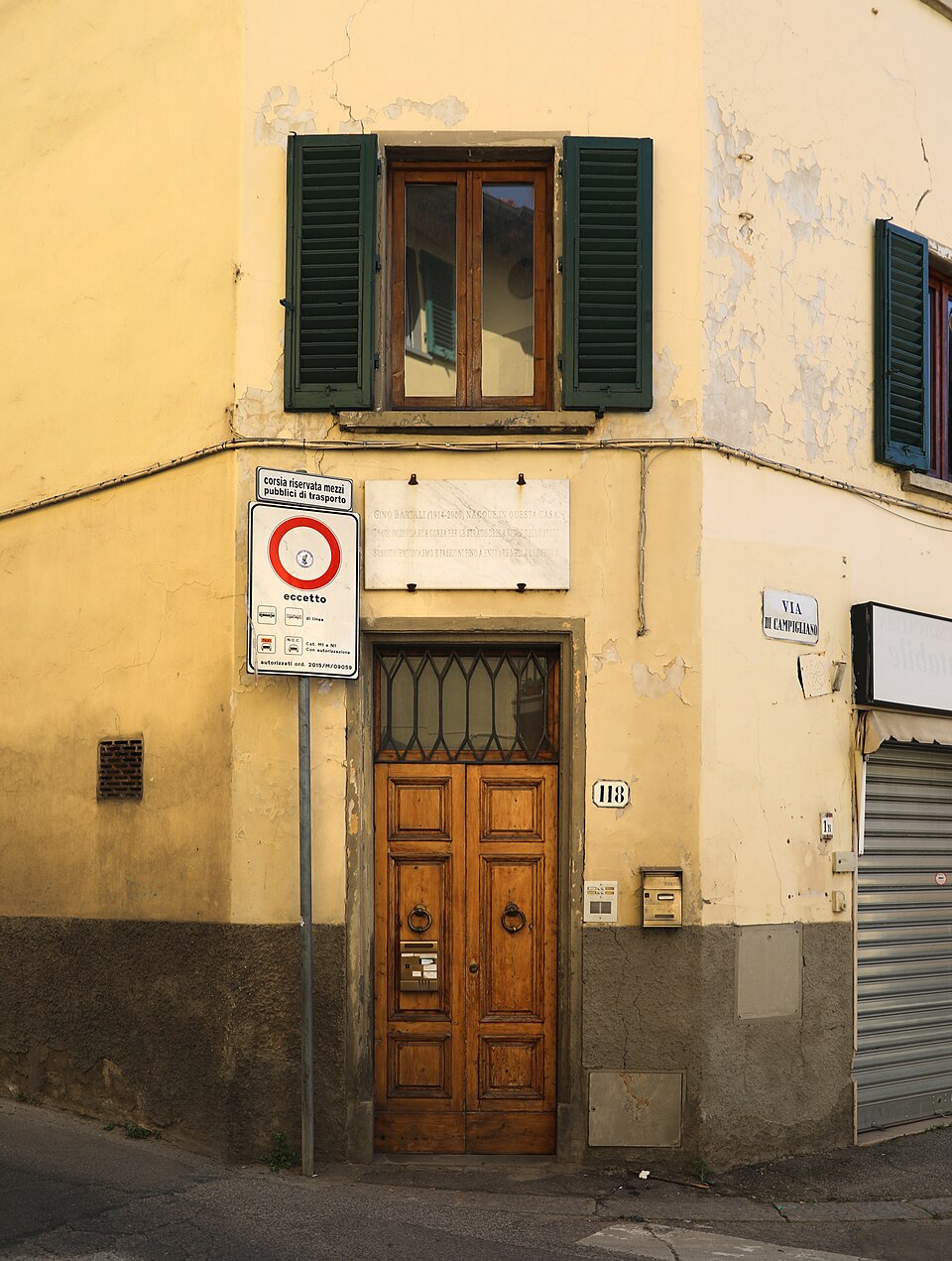
Gino Bartali was born in 1914 in Ponte a Ema, near Florence, the third of four children of a smallholder named Torello Bartali. Powerfully built, with a broad nose and a boxer's face, he sold raffia for wine-bottle covers as a boy and took work in a bicycle shop at thirteen. That same year he started racing. By 1935, at twenty-one, he turned professional, and within a year he was Italian champion.
His rise was swift and dramatic. He won a stage of the 1935 Giro d'Italia and the King of the Mountains title, the first of seven such crowns. In 1936, not yet twenty-two, he won the Giro, though the season was shadowed by tragedy: his brother Giulio died in a racing accident that June, and Bartali nearly quit the sport altogether. He returned in 1937 and won the Giro again. Over his career he also won classics including Milan–San Remo, the Giro di Lombardia, and the Züri-Metzgete.
Critics abroad dismissed him as another Italian who could not race outside his own country. Stung, Bartali entered the 1937 Tour de France. He fell more than eight minutes behind early, then seized the leader's jersey in Grenoble. Later, crossing a wooden bridge over the river Colau, a teammate skidded, sending Bartali over the parapet into the water below. Cut and struggling to breathe from a chest blow, he was pulled out, remounted, and finished the day's stage still in the lead, though he eventually abandoned the race in Marseille — by his own later account, under pressure from Italian cycling officials wary of his opposition to Mussolini's regime.
He returned in 1938 and won outright, triumphing through cold, rain, Belgian teamwork, and a puncture on the Col de l'Iseran. Crowds of Italians met him waving green-white-red flags; a public subscription in his name drew contributions even from Mussolini. The approaching war led Italy not to send a team in 1939, and Bartali's career paused. On 14 November 1940 he married Adriana Bani in Florence, in a wedding celebrated by Cardinal Dalla Costa and blessed by Pope Pius XII, to whom Bartali gave a bicycle.
After the war, Bartali resumed racing, winning the Giro again in 1946. But it was 1948 that sealed his legend. Returning to the Tour de France, he found many old rivals dead in the war and a new generation of strangers on the road, so he spent an evening memorizing two dozen unfamiliar riders. The Tour opened in a rainstorm that made every jersey look alike, yet Bartali found his footing alongside Briek Schotte and took the yellow jersey at Trouville.
More from People

Frida Kahlo: Painting Through the Pain
An iron handrail pierced a teenage girl's body on a Mexico City street — and out of that wreckage came one of the most searingly honest artists of the twentieth century.

The Ox-Cart and the Snow: Şerife Bacı's Last Road
Somewhere on a frozen road outside Kastamonu, a young mother pressed her body against a quilt to keep her infant warm through the night. By morning, she had become a legend.

Pompey the Great: The Friendship That Broke Rome
He was called 'the teenage butcher' by his enemies and 'the Great' by his mentor — and the empire he helped build would ultimately be the death of him.

The Third Pole: How Hunt, Hillary and Tenzing Conquered Everest
For decades the world's highest mountain had turned back every climber who dared it — sometimes swallowing them whole. In the spring of 1953, one expedition finally reached the point where the sky simply stopped going up.

Two Rivals Under One Roof: Picasso and Matisse
Long before they were named together as the twin poles of modern art, they were simply two names on the walls of the same small Paris gallery — one already known for wild colour, the other not yet known at all.

Fire and Ice: The Borg–McEnroe Rivalry
One man never raised his voice. The other rarely lowered his. Between them they produced two of the greatest matches tennis has ever seen.