The Nurse Who Smuggled Lists in Jars
She buried the names of 2,500 rescued children in glass jars beneath an apple tree — and even torture could not make her reveal where.
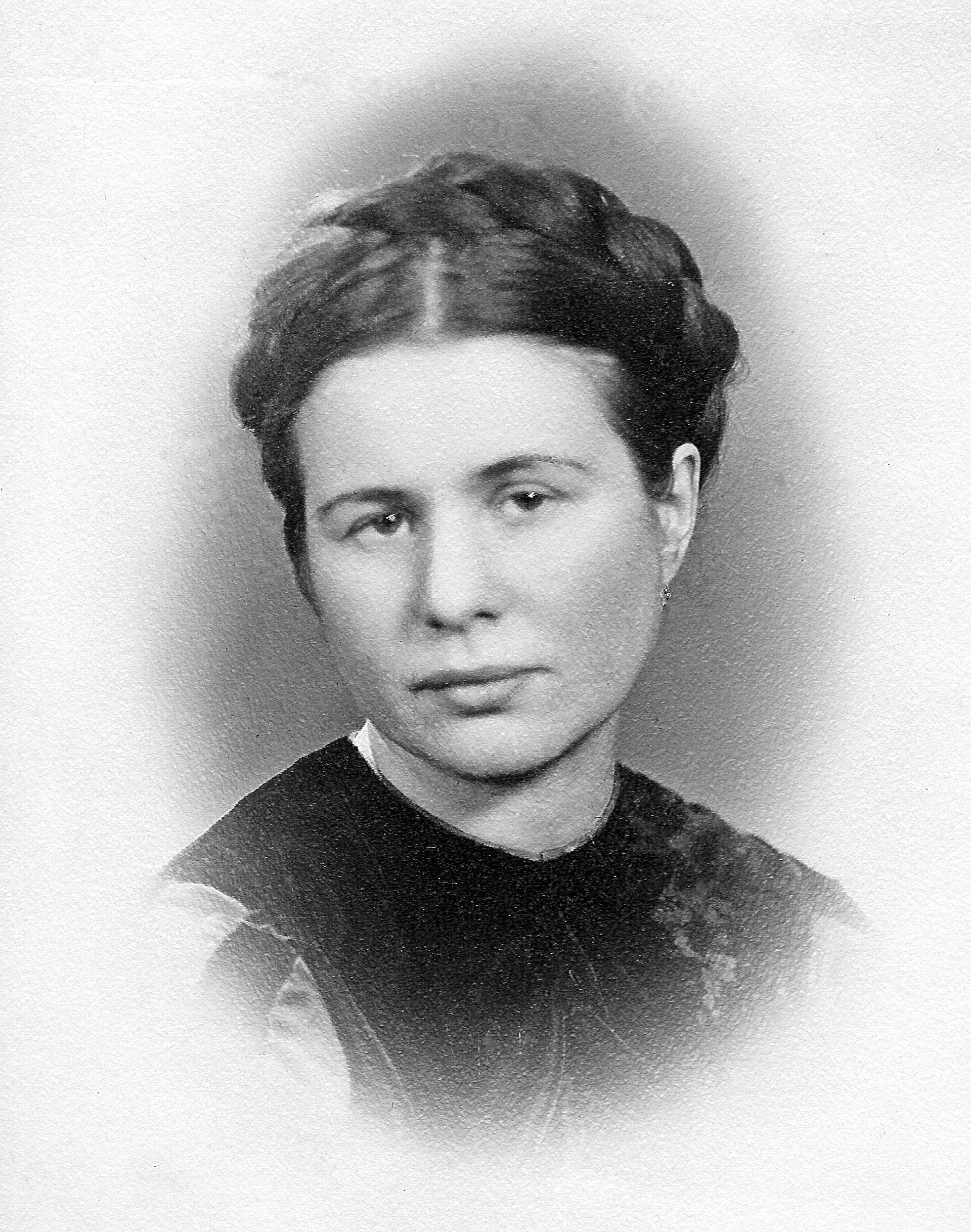
Irena Sendler was born in Warsaw on 15 February 1910, the daughter of a physician who treated the poorest patients, including Jews, free of charge. Her father died of typhus in February 1917, contracted from those very patients, and the local Jewish community offered financial help to his widow — an act of gratitude that left a lasting impression on young Irena. She grew up partly in Otwock, a town with a significant Jewish population, before the family moved to Tarczyn and later Piotrków Trybunalski.
Sendler studied law and then Polish literature at the University of Warsaw, where she openly opposed the discriminatory 'ghetto bench' seating system imposed on Jewish students, going so far as to deface the non-Jewish marking on her own grade card. Her leftist sympathies and reputation as a philo-Semite cost her repeatedly in the job market, as the university's negative recommendations barred her from teaching posts. Instead, she found work in social welfare, joining the Free Polish University circle led by Professor Helena Radlińska — a group whose members would later form the backbone of a rescue network. From 1935 she worked for Warsaw's Department of Social Welfare and Public Health.
When Germany invaded Poland in September 1939, occupation authorities purged Jewish staff from the welfare department and forbade it from aiding Jewish residents. Sendler and her colleagues, many connected to the Polish Socialist Party, refused to comply quietly. They began forging documents and organizing aid, work that would evolve into something far more dangerous.
From October 1943, Sendler headed the children's section of Żegota, the Polish Council to Aid Jews. Under the code name Jolanta, she helped smuggle Jewish children out of the Warsaw Ghetto, arranging false identities and placing them with Polish families, orphanages, and convents willing to shelter them. More than 3,000 forged documents were produced to protect these children and the families who took them in.
The Gestapo, suspecting her ties to the Underground, arrested Sendler in October 1943. She was tortured but revealed nothing — not the names of the children, not the locations where they were hidden, not the workings of the network. She was sentenced to death and her name appeared on public execution notices. But Żegota bribed German officials, and she escaped the sentence, spending the rest of the war living in hiding while continuing her work for Jewish children.
More from People

Frida Kahlo: Painting Through the Pain
An iron handrail pierced a teenage girl's body on a Mexico City street — and out of that wreckage came one of the most searingly honest artists of the twentieth century.

The Ox-Cart and the Snow: Şerife Bacı's Last Road
Somewhere on a frozen road outside Kastamonu, a young mother pressed her body against a quilt to keep her infant warm through the night. By morning, she had become a legend.

Pompey the Great: The Friendship That Broke Rome
He was called 'the teenage butcher' by his enemies and 'the Great' by his mentor — and the empire he helped build would ultimately be the death of him.

The Third Pole: How Hunt, Hillary and Tenzing Conquered Everest
For decades the world's highest mountain had turned back every climber who dared it — sometimes swallowing them whole. In the spring of 1953, one expedition finally reached the point where the sky simply stopped going up.

Two Rivals Under One Roof: Picasso and Matisse
Long before they were named together as the twin poles of modern art, they were simply two names on the walls of the same small Paris gallery — one already known for wild colour, the other not yet known at all.

Fire and Ice: The Borg–McEnroe Rivalry
One man never raised his voice. The other rarely lowered his. Between them they produced two of the greatest matches tennis has ever seen.