The Physician Who Silenced a Pump and a Plague
In the summer of 1854, a London doctor walked the fetid streets of Soho with nothing but a notebook and a hunch — and by removing a single pump handle, he changed the course of medicine forever.
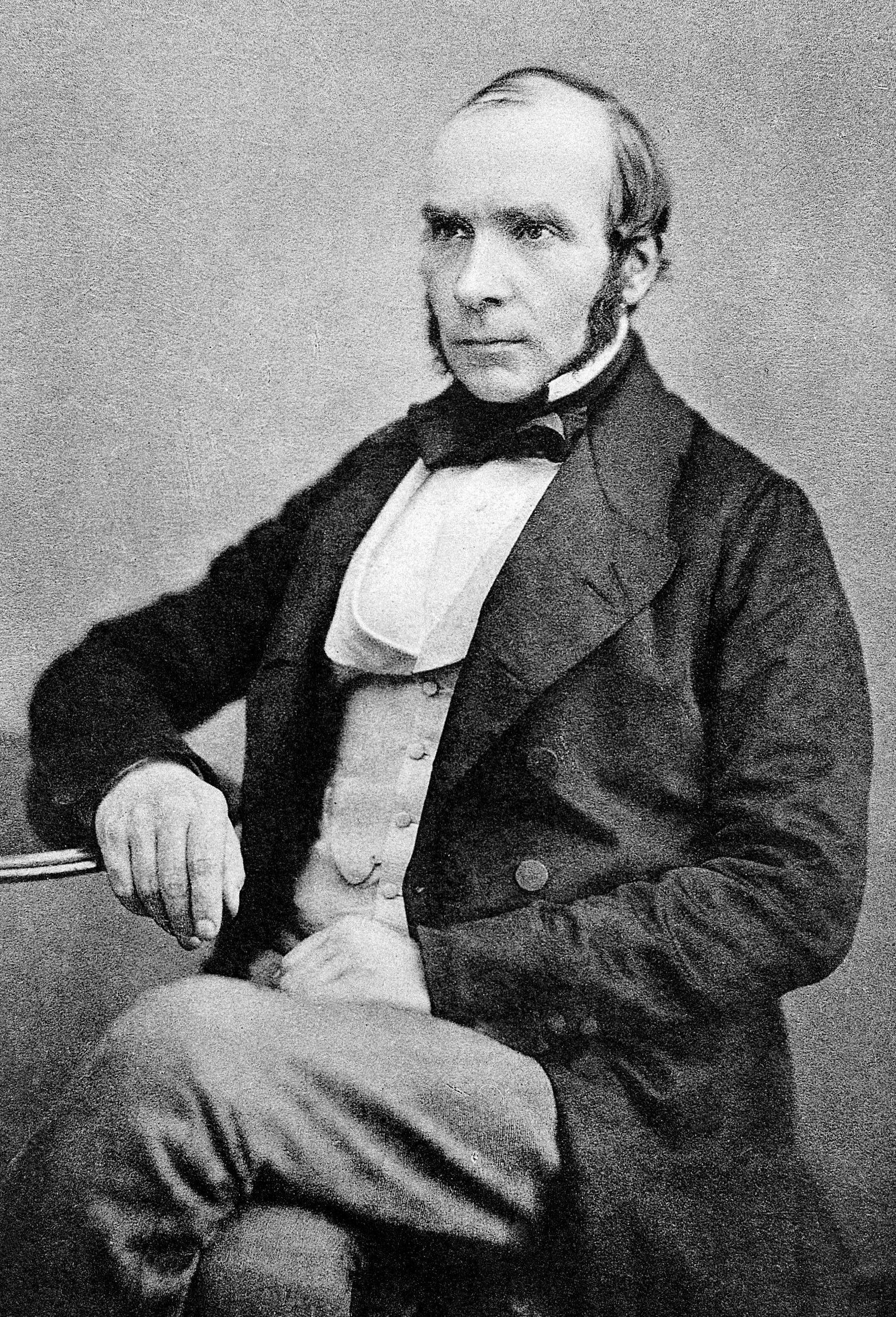
John Snow was born on 15 March 1813 in York, the eldest of nine children raised in a poor North Street home that flooded whenever the River Ouse rose. The streets around him were unsanitary, the river fouled by runoff from market squares, cemeteries, and sewage — a childhood steeped in the very filth that would later define his life's work. His father laboured at a coal yard by the river before becoming a farmer, and young John showed an early gift for mathematics that would later sharpen his scientific mind.
At fourteen, in 1827, Snow secured a medical apprenticeship with William Hardcastle near Newcastle-upon-Tyne. Five years later, in 1832, he encountered cholera for the first time in Killingworth, a mining village, treating victims and gaining firsthand experience with the disease that would come to define his legacy. He lived austerely: a teetotaller who signed an abstinence pledge in 1835, a vegetarian, and a man who drank only distilled water he considered pure. Between 1832 and 1835 he assisted colliery surgeons in County Durham and Yorkshire before enrolling at the Hunterian school of medicine on Great Windmill Street, London, in 1836.
Snow's career blossomed through the 1830s and 1840s. He worked at Newcastle Infirmary alongside surgeon Thomas Michael Greenhow, researching England's cholera epidemics. He joined Westminster Hospital in 1837, was admitted to the Royal College of Surgeons in 1838, earned his MD from the University of London in December 1844, and joined the Royal College of Physicians in 1850. That same year, he became a founding member of the Epidemiological Society of London, formed in May 1850 in direct response to the 1849 cholera outbreak. He set up practice at 54 Frith Street in Soho and became active in the Westminster Medical Society, lecturing and publishing widely.
Beyond epidemiology, Snow was a pioneer of anaesthesia. His fascination with breathing and asphyxiation dated to 1841, and by 1843 he was experimenting with ether. When ether reached Britain, Snow published On the Inhalation of the Vapor of Ether in 1847 — within two years he was Britain's most accomplished anaesthetist, sought after by London's leading surgeons. He also studied chloroform, introduced that same year by Scottish obstetrician James Young Simpson, recognising its greater potency demanded precision. After the death of fifteen-year-old patient Hannah Greener on 28 January 1848 following chloroform administration, Snow investigated the case and subsequent deaths, publishing his findings in The Lancet and designing safer apparatus and masks for administering both ether and chloroform.
But it was cholera that would secure Snow's lasting fame. In 1854, a devastating outbreak struck Soho, the very district where he practised. Drawing on years of study, Snow traced the source of the epidemic to a single public water pump on Broad Street. His methodical mapping of cases — plotting deaths street by street — allowed him to identify the contaminated pump as the epicentre of the disease, challenging the prevailing belief that cholera spread through foul air, or 'miasma'.
More from People

Frida Kahlo: Painting Through the Pain
An iron handrail pierced a teenage girl's body on a Mexico City street — and out of that wreckage came one of the most searingly honest artists of the twentieth century.

The Ox-Cart and the Snow: Şerife Bacı's Last Road
Somewhere on a frozen road outside Kastamonu, a young mother pressed her body against a quilt to keep her infant warm through the night. By morning, she had become a legend.

Pompey the Great: The Friendship That Broke Rome
He was called 'the teenage butcher' by his enemies and 'the Great' by his mentor — and the empire he helped build would ultimately be the death of him.

The Third Pole: How Hunt, Hillary and Tenzing Conquered Everest
For decades the world's highest mountain had turned back every climber who dared it — sometimes swallowing them whole. In the spring of 1953, one expedition finally reached the point where the sky simply stopped going up.

Two Rivals Under One Roof: Picasso and Matisse
Long before they were named together as the twin poles of modern art, they were simply two names on the walls of the same small Paris gallery — one already known for wild colour, the other not yet known at all.

Fire and Ice: The Borg–McEnroe Rivalry
One man never raised his voice. The other rarely lowered his. Between them they produced two of the greatest matches tennis has ever seen.