The Town of Bent Necks
In one small Bavarian town, two brothers built rival shoe empires — and turned every stranger's footsteps into a declaration of loyalty.
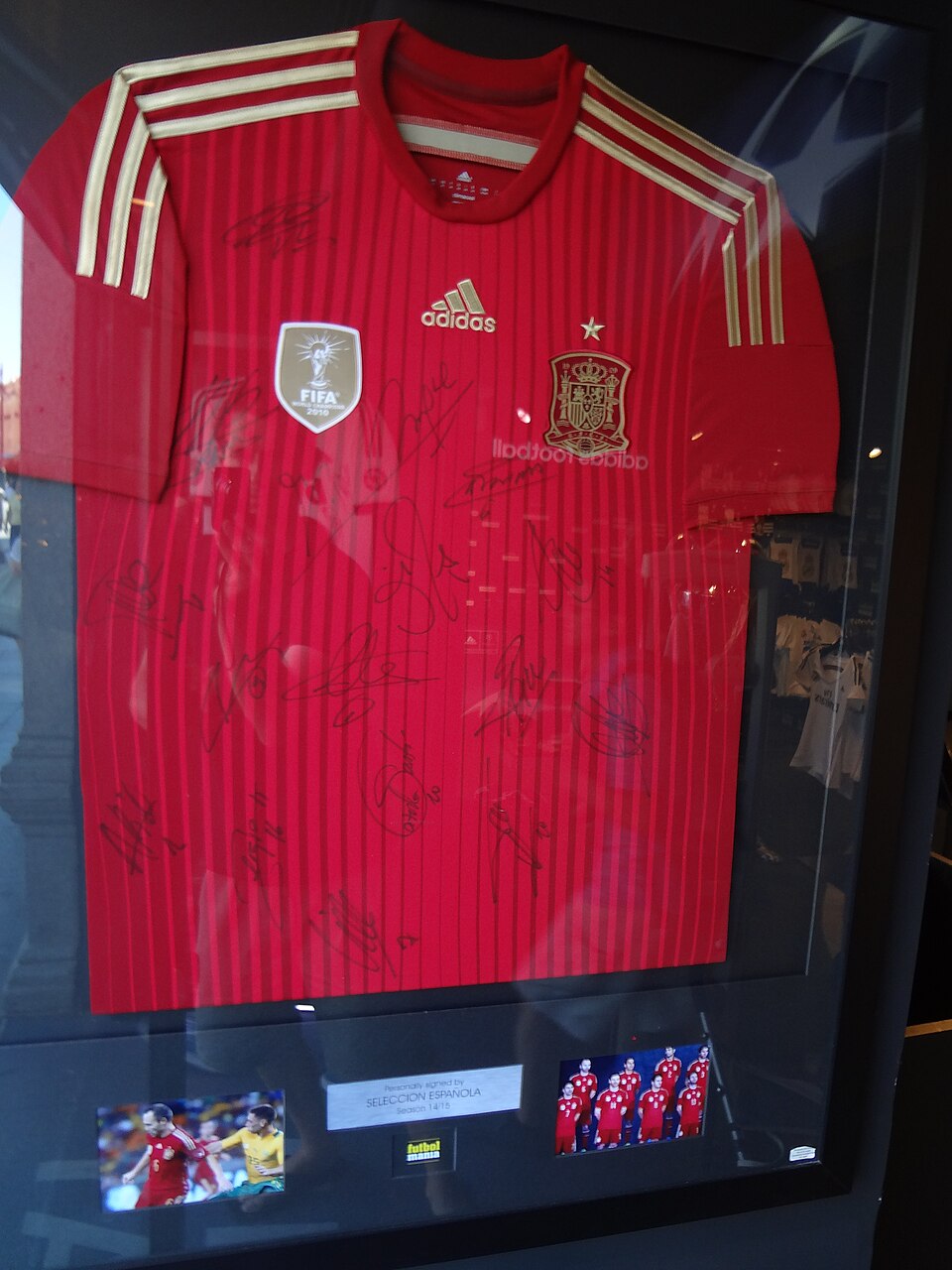
In Herzogenaurach, Germany, after the First World War, Adolf 'Adi' Dassler began making sports shoes in his mother's scullery. In July 1924 his older brother Rudolf joined him, and together they formed the Gebrüder Dassler Schuhfabrik — the Dassler Brothers Shoe Factory. Electricity in the town was unreliable, so the brothers sometimes pedaled a stationary bicycle just to power their equipment.
Adi worked on improving spiked running shoes, moving away from heavy metal spikes toward canvas and rubber. In 1936 he persuaded American sprinter Jesse Owens to wear his handmade spikes at the Berlin Olympics. Owens won four gold medals, and the Dassler name spread among athletes and trainers worldwide. By the eve of World War II, the brothers were selling 200,000 pairs of shoes a year.
Both brothers joined the Nazi Party in May 1933. During the war, their factory became Germany's last operating sports shoe plant, supplying the Wehrmacht, before being forced in 1943 to switch to manufacturing anti-tank weapons; at least nine forced laborers worked there between 1942 and 1945. In 1945 American forces nearly destroyed the factory, but Adolf's wife convinced them the company only made sports shoes — and American occupying soldiers became major customers afterward.
The brothers' relationship collapsed, and in 1947 they split for good. Adolf registered Adidas AG on 18 August 1949, taking his own name — Adi Dassler. Rudolf founded a company he first called Ruda, from his own name, which later became Puma. Urban legends later invented false meanings for 'Adidas,' but the real origin was simply Adi Dassler's name.
The rivalry that followed was fierce and deeply personal. Herzogenaurach itself split down the middle, earning the nickname 'the town of bent necks' because people looked down at strangers' feet to see whose shoes they wore. Even the town's two football clubs divided along brand lines — ASV Herzogenaurach backed Adidas, while 1 FC Herzogenaurach backed Rudolf's shoes. Handymen who visited Rudolf's house would wear Adidas out of habit, and Rudolf would send them to his basement to pick out a free pair of Pumas instead.
More from People

Frida Kahlo: Painting Through the Pain
An iron handrail pierced a teenage girl's body on a Mexico City street — and out of that wreckage came one of the most searingly honest artists of the twentieth century.

The Ox-Cart and the Snow: Şerife Bacı's Last Road
Somewhere on a frozen road outside Kastamonu, a young mother pressed her body against a quilt to keep her infant warm through the night. By morning, she had become a legend.

Pompey the Great: The Friendship That Broke Rome
He was called 'the teenage butcher' by his enemies and 'the Great' by his mentor — and the empire he helped build would ultimately be the death of him.

The Third Pole: How Hunt, Hillary and Tenzing Conquered Everest
For decades the world's highest mountain had turned back every climber who dared it — sometimes swallowing them whole. In the spring of 1953, one expedition finally reached the point where the sky simply stopped going up.

Two Rivals Under One Roof: Picasso and Matisse
Long before they were named together as the twin poles of modern art, they were simply two names on the walls of the same small Paris gallery — one already known for wild colour, the other not yet known at all.

Fire and Ice: The Borg–McEnroe Rivalry
One man never raised his voice. The other rarely lowered his. Between them they produced two of the greatest matches tennis has ever seen.