The Village That Hid Thousands
On a windswept plateau in the Massif Central, a small Protestant village turned empty summer hotels into a lifeline for the persecuted — and quietly saved thousands of lives.
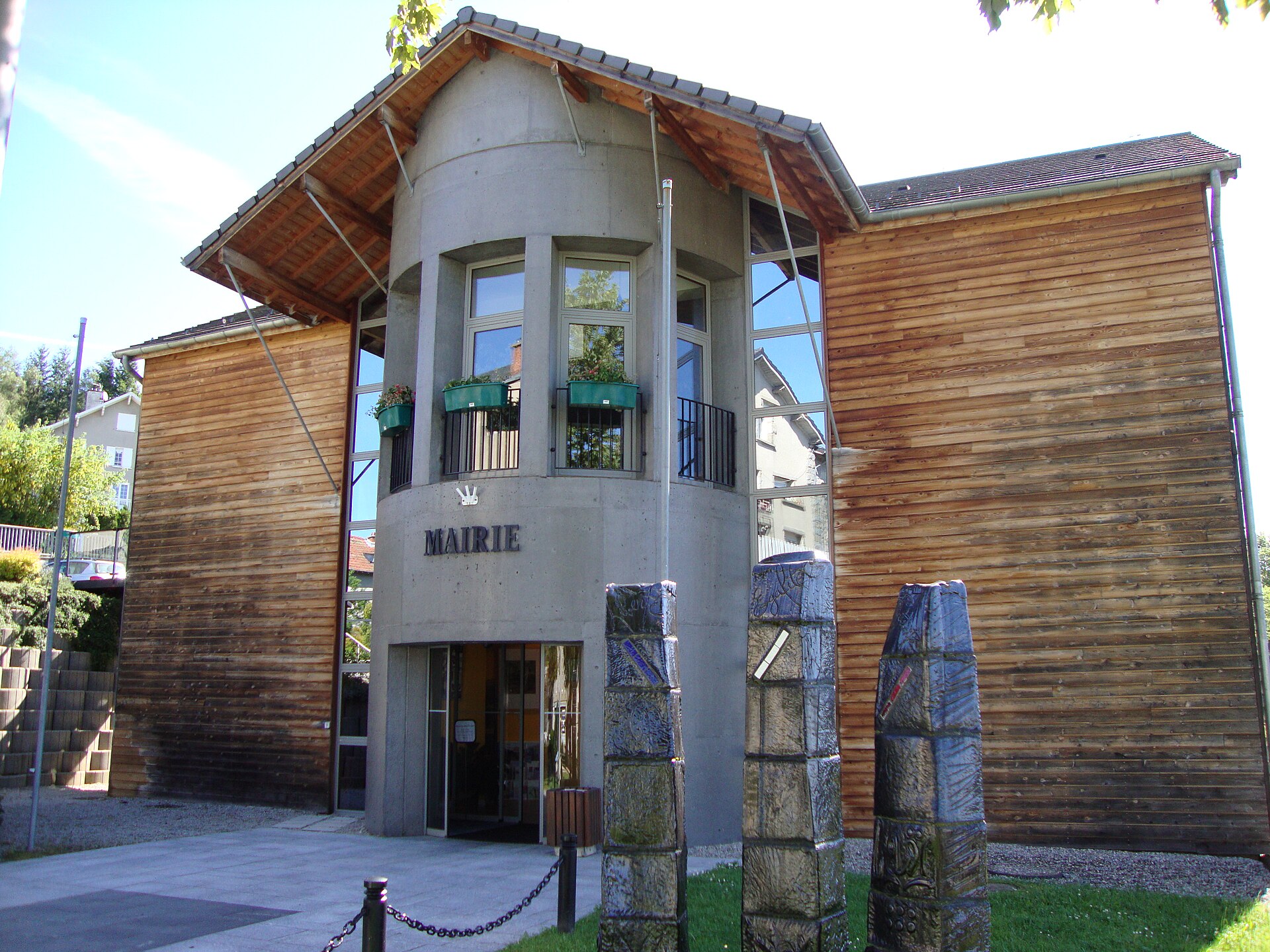
Le Chambon-sur-Lignon sits at nearly 1,000 meters in the Vivarais-Lignon plateau of the Massif Central, in France's Haute-Loire department. Its winters are cold, its summers cool, and for centuries its population has been overwhelmingly Protestant — descendants of Huguenots who fled Catholic persecution in the 16th century and made this remote highland their refuge. The region came to be called the 'Protestant Mountain,' a name that would prove prophetic centuries later.
By the late 19th century, Chambon had reinvented itself as a tourist town. Wealthy Protestants built summer homes, and sickly children were sent from polluted cities to breathe its clean air. By the 1940s the village swelled from 900 winter residents to 6,000 in summer, supporting 42 hotels, 50 guesthouses, and 12 youth hostels. Then came World War II, and tourism collapsed — leaving behind empty buildings, a population used to welcoming strangers, and a deep memory of persecution.
Refugees had already begun arriving in the 1930s, fleeing Nazi Germany and, after 1939, the defeat of Spanish Republicans. Chambon's welcome was not immediate: Spanish refugees were asked to leave before the 1939 tourist season, and in 1940 anti-Nazi refugees, mostly Jews, were interned near Chambon before being shipped to the Gurs internment camp. But conditions in these camps were dire, and humanitarian groups began prioritizing getting people — especially children — out of them, even at the cost of separating families.
The turning point came in August 1942, when the first deportations of Jews from Vichy France to Germany began, making the scale of the danger unmistakable. Jews became the largest group sheltered in Chambon, but the village also hid anti-Nazi Germans, French Resistance members, and men evading forced labor service. Entire families fled there from cities like Nice and Lyon. Many moved onward to neutral Switzerland with help from former mayor Charles Guillon.
Key figures anchored the rescue effort: pastors André Trocmé and Édouard Theis, both pacifists; Charles Guillon; and schoolteacher Roger Darcissac, who forged identity documents for Jews. Daniel Trocmé, André's cousin and a schoolteacher, died in a German concentration camp for his role. Remarkably, all thirteen Protestant pastors in Chambon took part in the rescue work.
More from People

Frida Kahlo: Painting Through the Pain
An iron handrail pierced a teenage girl's body on a Mexico City street — and out of that wreckage came one of the most searingly honest artists of the twentieth century.

The Ox-Cart and the Snow: Şerife Bacı's Last Road
Somewhere on a frozen road outside Kastamonu, a young mother pressed her body against a quilt to keep her infant warm through the night. By morning, she had become a legend.

Pompey the Great: The Friendship That Broke Rome
He was called 'the teenage butcher' by his enemies and 'the Great' by his mentor — and the empire he helped build would ultimately be the death of him.

The Third Pole: How Hunt, Hillary and Tenzing Conquered Everest
For decades the world's highest mountain had turned back every climber who dared it — sometimes swallowing them whole. In the spring of 1953, one expedition finally reached the point where the sky simply stopped going up.

Two Rivals Under One Roof: Picasso and Matisse
Long before they were named together as the twin poles of modern art, they were simply two names on the walls of the same small Paris gallery — one already known for wild colour, the other not yet known at all.

Fire and Ice: The Borg–McEnroe Rivalry
One man never raised his voice. The other rarely lowered his. Between them they produced two of the greatest matches tennis has ever seen.