The Woman Who Named an Era
A baby fifth in line to the throne, raised behind locked doors and elaborate rules — no one expected her to become the empire's longest-reigning monarch, or to give her name to an entire age.
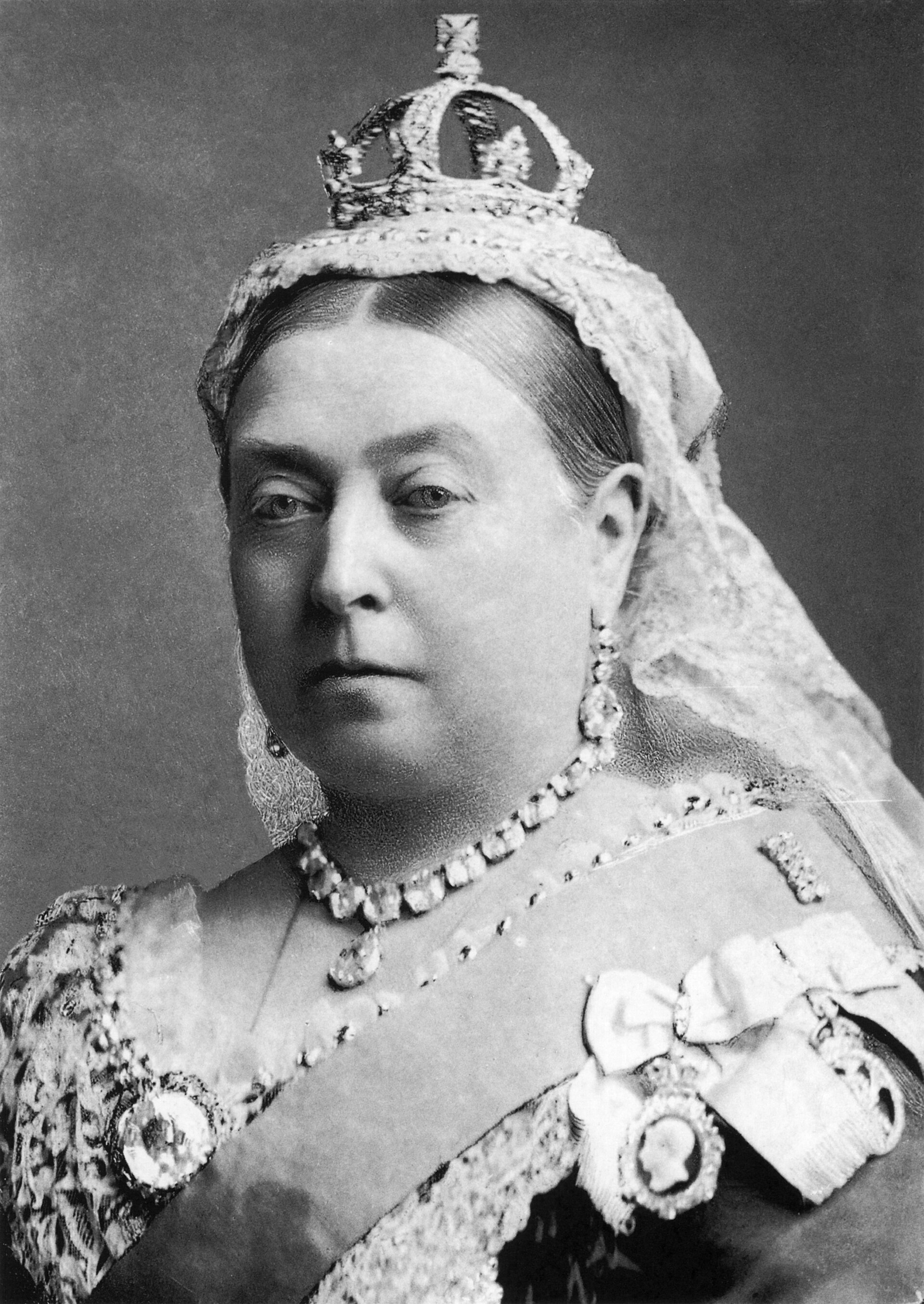
On 24 May 1819, at 4:15 in the morning, a girl was born at Kensington Palace to the Duke and Duchess of Kent. She was christened Alexandrina Victoria in the palace's Cupola Room on 24 June — Alexandrina after her godfather, Tsar Alexander I of Russia, and Victoria after her mother, a widowed German princess who had already brought two children into her marriage with the Duke. At birth, this child stood only fifth in line to the British throne, behind the four surviving sons of King George III. No one could have guessed she would one day reign for 63 years and 216 days, longer than any English monarch before her.
Fate moved quickly. Her father died of pneumonia when she was eight months old; her grandfather, King George III, died six days later. One by one, the uncles ahead of her in succession failed to produce surviving legitimate heirs — Frederick, Duke of York, died childless in 1827; George IV followed in 1830 without a surviving heir; and though William IV fathered ten illegitimate children with the actress Dorothea Jordan, none could inherit the crown. By the time Victoria turned eighteen, she stood as heir presumptive, and Parliament had passed the Regency Act of 1830 to prepare for the possibility that she might inherit the throne as a minor.
Her childhood was, by her own later description, 'rather melancholy'. Raised almost entirely under her mother's watch and the strict 'Kensington System' devised with the comptroller Sir John Conroy, Victoria was isolated from other children and even from much of her father's family. She shared a bedroom with her mother every night, studied French, German, Italian and Latin with private tutors, and played with her King Charles Spaniel, Dash. At ten, she wrote and illustrated her own children's story, though it would not be published until 2015.
William IV, distrustful of the Duchess of Kent's fitness to act as regent, publicly declared his wish to live until Victoria's eighteenth birthday so that no regency would be needed — and he got his wish, if barely. King William died in the early hours of 20 June 1837, and Victoria was woken by her mother to be told the throne was hers. She recorded the moment in her diary: told by the Archbishop of Canterbury and Lord Conyngham that her uncle had died at twelve minutes past two that morning, she wrote simply that she was, as a result, Queen.
In 1840 Victoria married her first cousin, Prince Albert of Saxe-Coburg and Gotha, whom she had met in 1836 and grown to love by their second meeting in 1839. The marriage produced nine children, who went on to marry into royal and noble houses across Europe, earning Victoria the nickname 'grandmother of Europe' — though this same web of marriages also spread hemophilia through European royalty. Albert's death in 1861 sent Victoria into a deep and prolonged mourning; she withdrew from public life so completely that republican sentiment briefly gained ground in Britain.
More from People

Frida Kahlo: Painting Through the Pain
An iron handrail pierced a teenage girl's body on a Mexico City street — and out of that wreckage came one of the most searingly honest artists of the twentieth century.

The Ox-Cart and the Snow: Şerife Bacı's Last Road
Somewhere on a frozen road outside Kastamonu, a young mother pressed her body against a quilt to keep her infant warm through the night. By morning, she had become a legend.

Pompey the Great: The Friendship That Broke Rome
He was called 'the teenage butcher' by his enemies and 'the Great' by his mentor — and the empire he helped build would ultimately be the death of him.

The Third Pole: How Hunt, Hillary and Tenzing Conquered Everest
For decades the world's highest mountain had turned back every climber who dared it — sometimes swallowing them whole. In the spring of 1953, one expedition finally reached the point where the sky simply stopped going up.

Two Rivals Under One Roof: Picasso and Matisse
Long before they were named together as the twin poles of modern art, they were simply two names on the walls of the same small Paris gallery — one already known for wild colour, the other not yet known at all.

Fire and Ice: The Borg–McEnroe Rivalry
One man never raised his voice. The other rarely lowered his. Between them they produced two of the greatest matches tennis has ever seen.