Two Pens in Paris: Hemingway and Fitzgerald
In 1920s Paris, one man had already tasted fame and the other was chasing it — and their friendship would help define a literary generation.
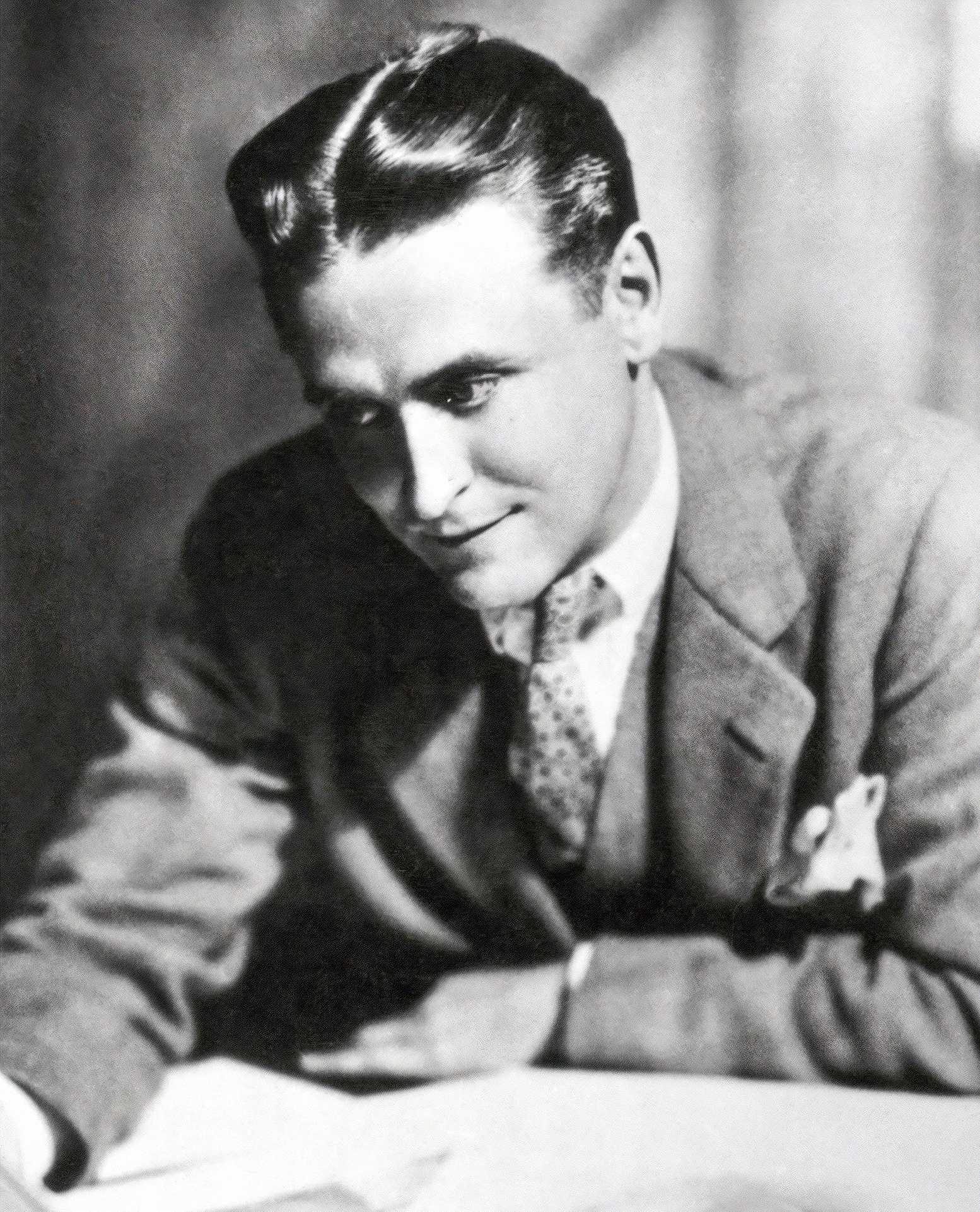
By the time Ernest Hemingway arrived in Paris in the 1920s, F. Scott Fitzgerald was already a celebrated name in American letters. His 1920 novel This Side of Paradise had made him a sensation, and its commercial success had even persuaded Zelda Sayre's family to finally approve their marriage. Fitzgerald and Zelda married, and in 1921 their only child was born. But it was in the cafés and salons of Paris that Fitzgerald's story intertwined with Hemingway's.
Fitzgerald traveled frequently to Paris during this decade, drawn into the orbit of the modernist writers and artists who would later be called the 'Lost Generation.' Among the American literary expatriates he befriended there, none would loom larger in his life and legacy than Ernest Hemingway, then an emerging voice in American fiction.
Their friendship, however, existed alongside real strain. Hemingway never got along well with Zelda. In his view, she distracted her husband, encouraged his heavy drinking, and interfered with his ability to write. This tension between the two men closest to Fitzgerald — his wife and his fellow writer — shadowed their relationship even as it endured.
Fitzgerald's second novel, The Beautiful and Damned (1922), pushed him further into the cultural elite of the era, while he continued to churn out stories for magazines like The Saturday Evening Post to support his and Zelda's lavish lifestyle. His most enduring work, The Great Gatsby, followed in 1925 — a novel that drew on his own preoccupations with fame, wealth, and his complicated marriage to Zelda. Despite its now-legendary status, Gatsby sold fewer than 23,000 copies in its first year and received only mixed acclaim in its time.
As the 1920s wore on, cracks widened. Zelda's mental health deteriorated, and she was eventually diagnosed with schizophrenia and placed in an institution. Fitzgerald wrote Tender Is the Night (1934) in the wake of this crisis, but neither that novel nor Gatsby earned him the critical or commercial triumph he had hoped for. Financial pressure mounted, worsened by the Great Depression's toll on his magazine income.
More from People

Frida Kahlo: Painting Through the Pain
An iron handrail pierced a teenage girl's body on a Mexico City street — and out of that wreckage came one of the most searingly honest artists of the twentieth century.

The Ox-Cart and the Snow: Şerife Bacı's Last Road
Somewhere on a frozen road outside Kastamonu, a young mother pressed her body against a quilt to keep her infant warm through the night. By morning, she had become a legend.

Pompey the Great: The Friendship That Broke Rome
He was called 'the teenage butcher' by his enemies and 'the Great' by his mentor — and the empire he helped build would ultimately be the death of him.

The Third Pole: How Hunt, Hillary and Tenzing Conquered Everest
For decades the world's highest mountain had turned back every climber who dared it — sometimes swallowing them whole. In the spring of 1953, one expedition finally reached the point where the sky simply stopped going up.

Two Rivals Under One Roof: Picasso and Matisse
Long before they were named together as the twin poles of modern art, they were simply two names on the walls of the same small Paris gallery — one already known for wild colour, the other not yet known at all.

Fire and Ice: The Borg–McEnroe Rivalry
One man never raised his voice. The other rarely lowered his. Between them they produced two of the greatest matches tennis has ever seen.