Norma Jeane's Long Shadow: The Making of Marilyn
A frightened girl bounced between foster homes and an orphanage would one day become the most photographed face on Earth — and the loneliest.
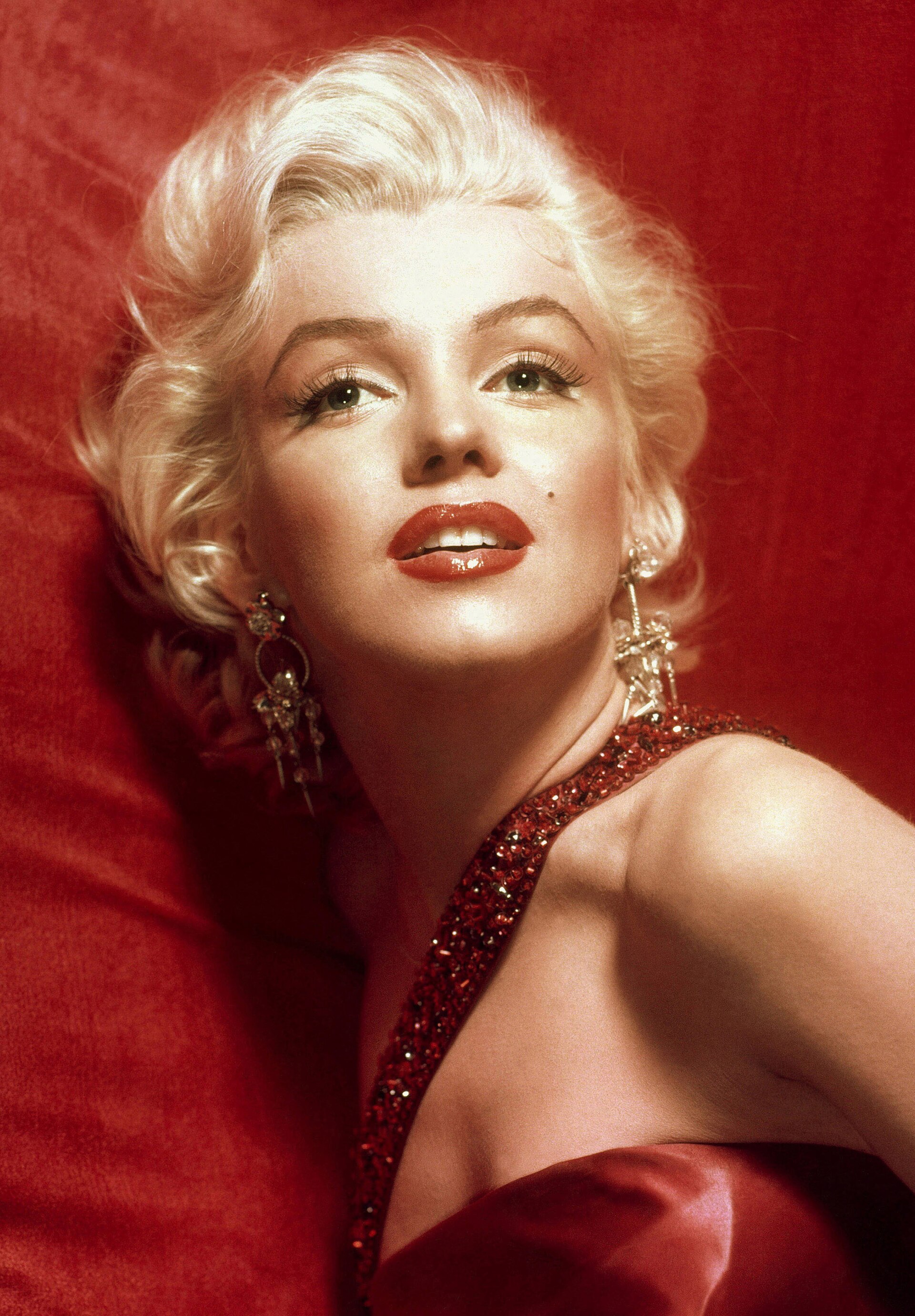
On June 1, 1926, in a Los Angeles hospital, a girl named Norma Jeane Mortenson was born to a young film-negative cutter named Gladys Baker. There was no stable home waiting for her. Gladys, unprepared and increasingly unwell, placed her daughter with foster parents, the Bolenders, in Hawthorne, and visited only on weekends. When Gladys suffered a mental breakdown in 1934 and was later diagnosed with paranoid schizophrenia, she was committed to a state hospital, and Norma Jeane became a ward of the state, shuttled between caretakers and, for a time, an orphanage.
At sixteen, seeking stability, Norma Jeane married a factory worker, James Dougherty. It was during World War II, while she worked in a factory herself, that a photographer from the First Motion Picture Unit noticed her. That encounter launched a pin-up modeling career that soon caught Hollywood's eye, leading to short contracts with 20th Century Fox and Columbia Pictures. Under a new name — Marilyn Monroe — she began building a career from the wreckage of a hard childhood.
By 1951 she had signed a longer contract with Fox, appearing in comedies like As Young as You Feel and Monkey Business, and dramas such as Clash by Night and Don't Bother to Knock. A scandal erupted when it emerged she had posed for nude photographs before fame — but rather than destroying her, it boosted interest in her films, a pattern that would define her odd relationship with public exposure.
1953 was the turning point. Niagara traded on her sex appeal outright; Gentlemen Prefer Blondes and How to Marry a Millionaire cemented the 'dumb blonde' persona the public adored. That same year, her nude images were used as the centerfold and cover of the first issue of Playboy. She was now one of the most marketable stars in Hollywood — and also one of the most typecast and underpaid.
She was briefly suspended by Fox in early 1954 for refusing a film project, but returned to star in The Seven Year Itch (1955), one of the biggest box office successes of her career. When the studio was still reluctant to change her contract, Monroe took an extraordinary step for an actress of her era: in 1954 she founded her own production company with photographer Milton Greene. She spent 1955 building it and studying method acting under Lee Strasberg at the Actors Studio, determined to be taken seriously as a craftswoman, not just an image.
More from Art

The Painting With No Foreground
A single robed figure stares out at an empty grey sea — and the emptiness itself became a scandal. When it was unveiled in Berlin in 1810, no one knew quite what to do with it.

The Painter Who Chased the Light
For a few purple minutes each evening, an American exile knelt in an English garden and raced the dying sun to paint two little girls lighting lanterns. It took him two years to finish.

When a President Became a God
Look straight up inside the U.S. Capitol dome and you will find George Washington enthroned among the clouds, surrounded by goddesses — the founding father transformed into myth.

Marble Brought Back to Life
A corpse asleep, a wing barely brushing her skin — and marble somehow learns to breathe. This is the moment Antonio Canova dared to carve.

The World Turned Upside Down
Look closely at a sixteenth-century Flemish village and you'll find a man biting a pillar, another carrying daylight in a basket, and a wife slipping a blue cloak over her husband's shoulders. Every gesture is a joke — if you know the language.

The Girl in the Glass Case
She stood two-thirds life size, dressed in a real tutu and human hair — and the critics who saw her in 1881 recoiled as if she were something obscene.