Sobada Kül Olan Tablolar: The Bitter End of the Rotterdam Heist
At 3 a.m. the alarms screamed through an empty museum — and by the time police arrived, seven masterpieces worth hundreds of millions of euros were already gone.
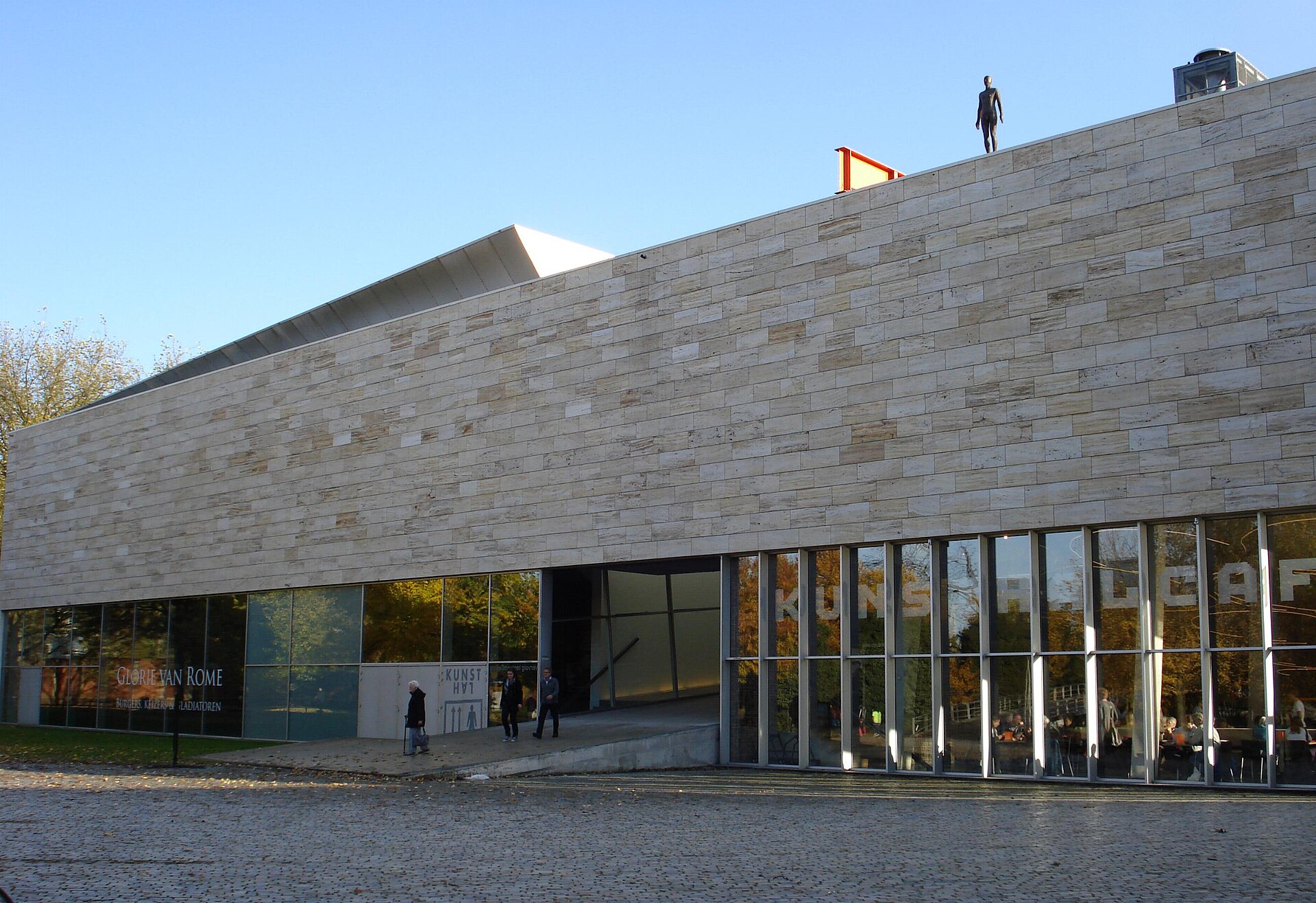
The Kunsthal in Rotterdam was never meant to hold treasures forever. Designed by Rem Koolhaas and opened in 1992 in the city's Museumpark, it had no permanent collection at all — its identity was built on temporary exhibitions, a rotating parade of art from Chuck Close to Andy Warhol. In October 2012, it was hosting a show marking the 20th anniversary of the Triton Foundation, displaying avant-garde works from more than 150 artists. Among them, quietly, hung seven paintings whose value would soon eclipse everything else in the building.
On October 16, 2012, at around 3:00 AM, thieves entered the Kunsthal and took Monet's Waterloo Bridge and Charing Cross Bridge, London, Picasso's Tête d'Arlequin, Gauguin's Femme devant une fenêtre ouverte, Matisse's La Liseuse en Blanc et Jaune, De Haan's Autoportrait, and Lucian Freud's Woman with Eyes Closed. The museum's alarm system did what it was designed to do — it sounded. But the thieves were already gone by the time police arrived.
Rotterdam police were blunt about the embarrassment. Their alarm system was supposed to be state of the art, they said, and they had no reason to think otherwise — yet somehow, the culprits had found both a way in and a way out. The precision of the theft, and the choice of works, suggested the thieves knew exactly what they were after.
The director of the Art Loss Register suspected the most valuable pieces had been deliberately targeted, estimating that if ever sold legally at auction, the paintings could fetch hundreds of millions of euros. But that was the problem: they never could be sold legally. The paintings were immediately registered as stolen in international databases, making them essentially unsellable on any legitimate market.
The case went cold for months until, in July 2013, Romanian authorities arrested a group of suspects. Reportedly, some of the alleged thieves had met one another through Tinder — an oddly modern detail in a story about old-master theft. Radu Dogaru confessed to his involvement in the heist, but what happened to the paintings themselves remained agonizingly unclear.
More from Art

The Painting With No Foreground
A single robed figure stares out at an empty grey sea — and the emptiness itself became a scandal. When it was unveiled in Berlin in 1810, no one knew quite what to do with it.

The Painter Who Chased the Light
For a few purple minutes each evening, an American exile knelt in an English garden and raced the dying sun to paint two little girls lighting lanterns. It took him two years to finish.

When a President Became a God
Look straight up inside the U.S. Capitol dome and you will find George Washington enthroned among the clouds, surrounded by goddesses — the founding father transformed into myth.

Marble Brought Back to Life
A corpse asleep, a wing barely brushing her skin — and marble somehow learns to breathe. This is the moment Antonio Canova dared to carve.

The World Turned Upside Down
Look closely at a sixteenth-century Flemish village and you'll find a man biting a pillar, another carrying daylight in a basket, and a wife slipping a blue cloak over her husband's shoulders. Every gesture is a joke — if you know the language.

The Girl in the Glass Case
She stood two-thirds life size, dressed in a real tutu and human hair — and the critics who saw her in 1881 recoiled as if she were something obscene.