The Fourteen-Year Journey Home
Two Van Gogh paintings vanished from an Amsterdam museum in 2002 — and turned up, of all places, in a mafia villa near Naples.
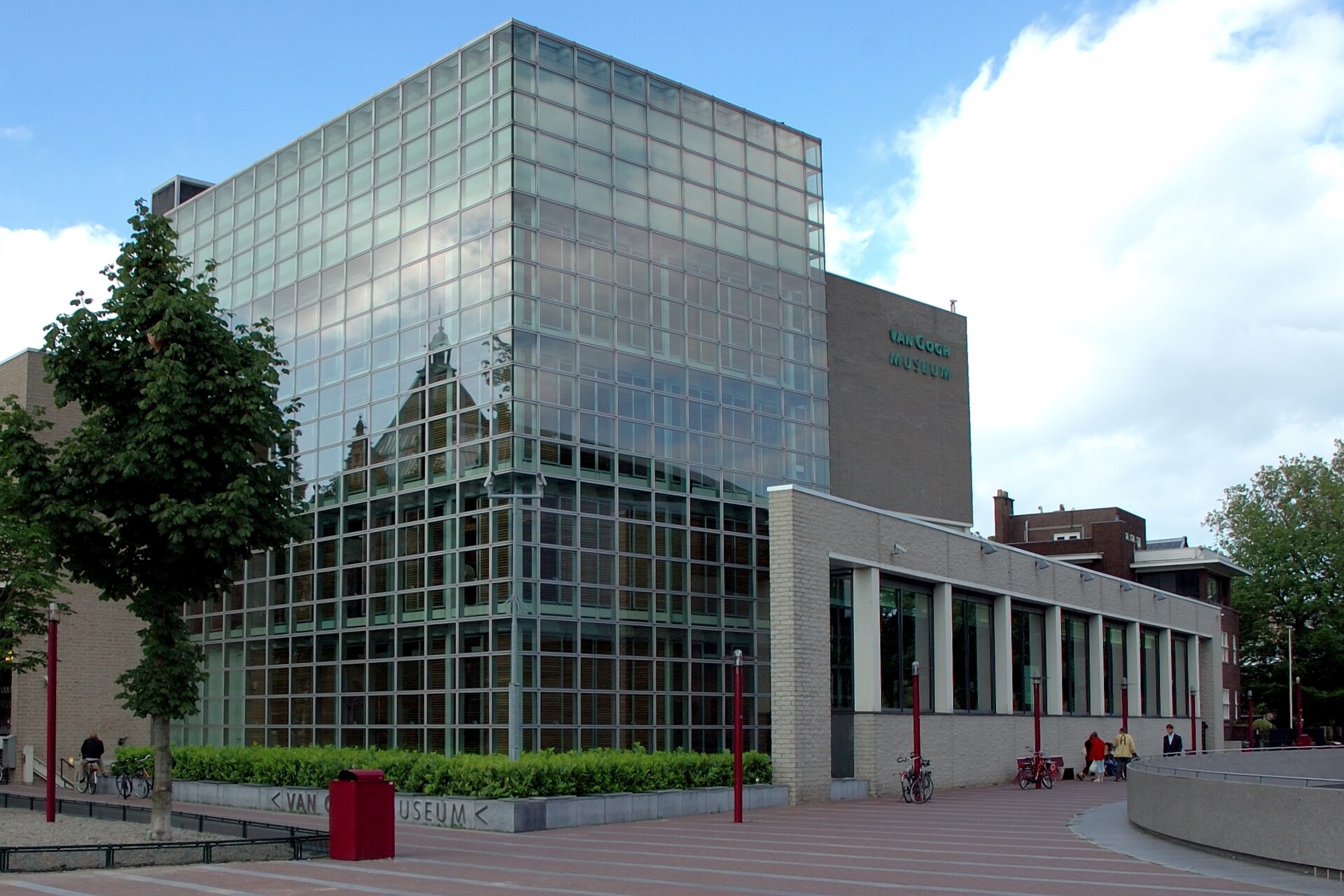
On the night of 7 December 2002, thieves broke into the Van Gogh Museum in Amsterdam and made off with two canvases: Congregation Leaving the Reformed Church in Nuenen and View of the Sea at Scheveningen. Unlike the chaotic 1991 heist, in which twenty paintings were recovered within thirty-five minutes from an abandoned car, this theft left no quick trail. The paintings simply disappeared.
Two Dutchmen were eventually convicted for the crime and sentenced to four-and-a-half years, but their sentencing brought no answers about where the artworks had gone. The museum offered a reward of €100,000 for information leading to their recovery, and the FBI Art Crime Team placed the theft on its Top Ten Art Crimes list, valuing the two works together at roughly US$30 million.
For fourteen years, the paintings existed only as absences — empty spaces in the museum's chronological telling of Van Gogh's life, question marks in international crime databases. Then, in September 2016, Italy's Guardia di Finanza raided a villa in Castellammare di Stabia, near Naples, belonging to Raffaele Imperiale, a Camorra drug trafficker. Inside, they found the missing Van Goghs.
The museum described the paintings as being in a 'relatively good state' despite their long and clearly unglamorous exile. It was a strange twist for two works that had once hung quietly among Van Gogh's early Dutch period, now recovered from the property of an organized crime figure rather than a shadowy black-market collector.
This was not the museum's only brush with theft. In 1991, twenty paintings, including the early work The Potato Eaters, were stolen in what is considered the largest art theft in the Netherlands since the Second World War. Three of those works, Wheatfield with Crows, Still Life with Bible, and Still Life with Fruit, were badly torn during the crime. Four men, including two museum guards, were convicted and given six or seven-year sentences.
More from Art

The Painting With No Foreground
A single robed figure stares out at an empty grey sea — and the emptiness itself became a scandal. When it was unveiled in Berlin in 1810, no one knew quite what to do with it.

The Painter Who Chased the Light
For a few purple minutes each evening, an American exile knelt in an English garden and raced the dying sun to paint two little girls lighting lanterns. It took him two years to finish.

When a President Became a God
Look straight up inside the U.S. Capitol dome and you will find George Washington enthroned among the clouds, surrounded by goddesses — the founding father transformed into myth.

Marble Brought Back to Life
A corpse asleep, a wing barely brushing her skin — and marble somehow learns to breathe. This is the moment Antonio Canova dared to carve.

The World Turned Upside Down
Look closely at a sixteenth-century Flemish village and you'll find a man biting a pillar, another carrying daylight in a basket, and a wife slipping a blue cloak over her husband's shoulders. Every gesture is a joke — if you know the language.

The Girl in the Glass Case
She stood two-thirds life size, dressed in a real tutu and human hair — and the critics who saw her in 1881 recoiled as if she were something obscene.