The Republic That Painted Everything
When war tore the Netherlands from monarchy and church, its painters didn't retreat — they invented an entirely new way of seeing the world, one kitchen table and cloudy sky at a time.
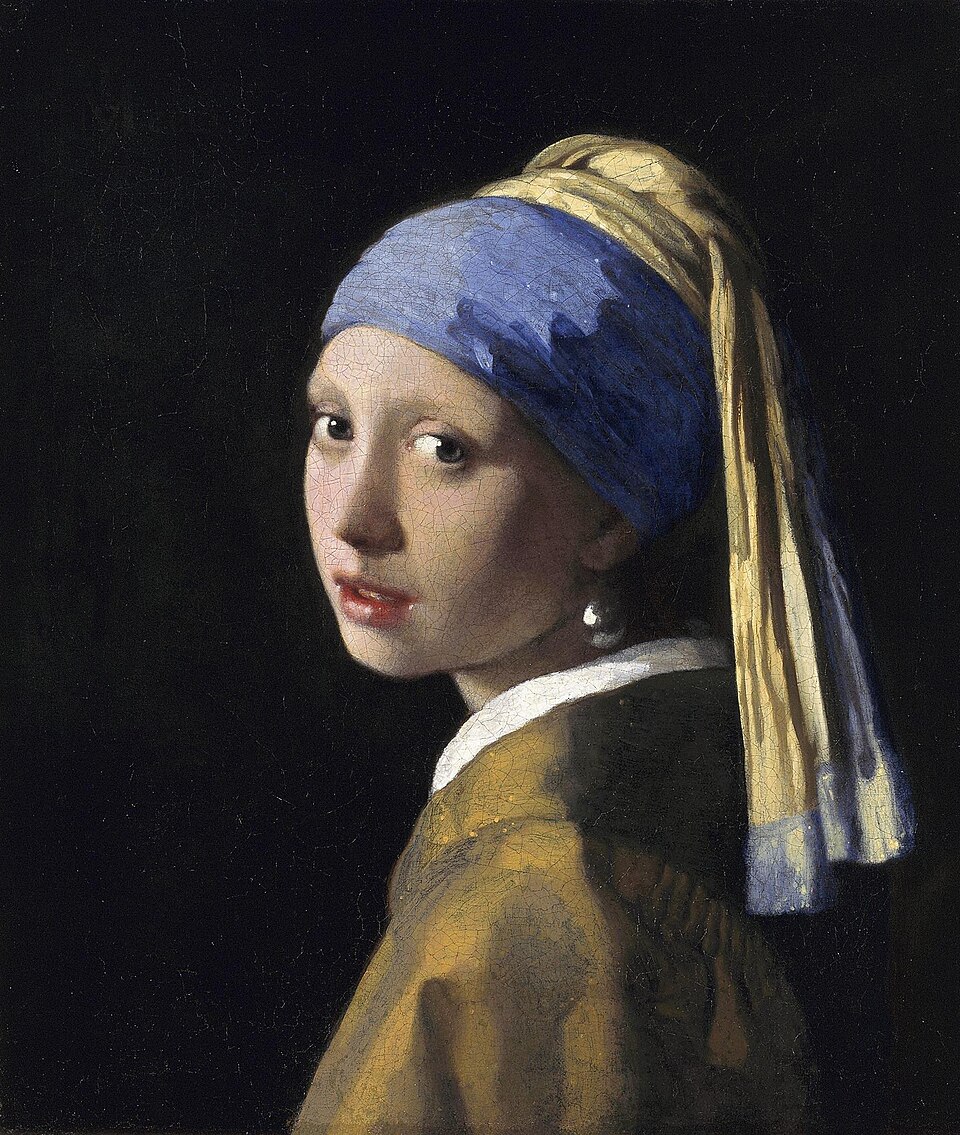
In the middle of the seventeenth century, a blacksmith hammering iron in his forge might glance up and see, hanging on the wall beside his tools, a small painting — perhaps a still life, perhaps a modest landscape. An English traveler passing through the Dutch Republic in 1640 noted this with astonishment: even cobblers and smiths kept pictures near their work. Painting had become, in the newly independent Netherlands, not a luxury for palaces but a fixture of ordinary life.
This explosion had its roots in upheaval. The Eighty Years' War, fought from 1568 to 1648, tore the northern Netherlandish provinces away from Spanish monarchist rule and from Catholic tradition. The new Dutch Republic that emerged became the most prosperous nation in Europe, dominating trade and science. But its artistic inheritance was thin — the great centers of art had traditionally sat further south, in Flanders. Dutch painters had to build a visual culture almost from nothing.
What they built was strikingly different from the Baroque grandeur flourishing elsewhere in Europe, including in neighboring Flanders. Dutch Calvinism forbade religious imagery inside churches, and though biblical scenes could still hang in private homes, relatively few were made. Religious painting, once central to European art, collapsed. In its place rose a vast new market for secular subjects, rendered with the detailed realism inherited from earlier Netherlandish painting rather than the idealized splendor of the Baroque.
By the late 1620s, this new art world had organized itself into distinct specialties. Painters increasingly devoted entire careers to a single genre — portraits, everyday scenes, landscapes, seascapes and ships, or still lifes — often narrowing further into specific subtypes. This period of intense specialization, lasting until the French invasion of 1672, is considered the core of the Golden Age.
Beneath this variety lay an unspoken hierarchy of prestige. History painting, with its allegories and religious themes, sat at the top; portraiture followed, then genre scenes of daily life, then landscapes — whose painters the writer Samuel van Hoogstraten dismissively called the 'common footmen in the Army of Art' — and finally still life at the bottom. Yet history painting, however prestigious, was famously hard to sell. Even Rembrandt struggled with it, and many artists who aspired to it were pushed instead toward portraits and genre scenes, which moved far more easily in the marketplace.
More from Art

The Painting With No Foreground
A single robed figure stares out at an empty grey sea — and the emptiness itself became a scandal. When it was unveiled in Berlin in 1810, no one knew quite what to do with it.

The Painter Who Chased the Light
For a few purple minutes each evening, an American exile knelt in an English garden and raced the dying sun to paint two little girls lighting lanterns. It took him two years to finish.

When a President Became a God
Look straight up inside the U.S. Capitol dome and you will find George Washington enthroned among the clouds, surrounded by goddesses — the founding father transformed into myth.

Marble Brought Back to Life
A corpse asleep, a wing barely brushing her skin — and marble somehow learns to breathe. This is the moment Antonio Canova dared to carve.

The World Turned Upside Down
Look closely at a sixteenth-century Flemish village and you'll find a man biting a pillar, another carrying daylight in a basket, and a wife slipping a blue cloak over her husband's shoulders. Every gesture is a joke — if you know the language.

The Girl in the Glass Case
She stood two-thirds life size, dressed in a real tutu and human hair — and the critics who saw her in 1881 recoiled as if she were something obscene.